The Anatomy of a Burning Clutch Smell
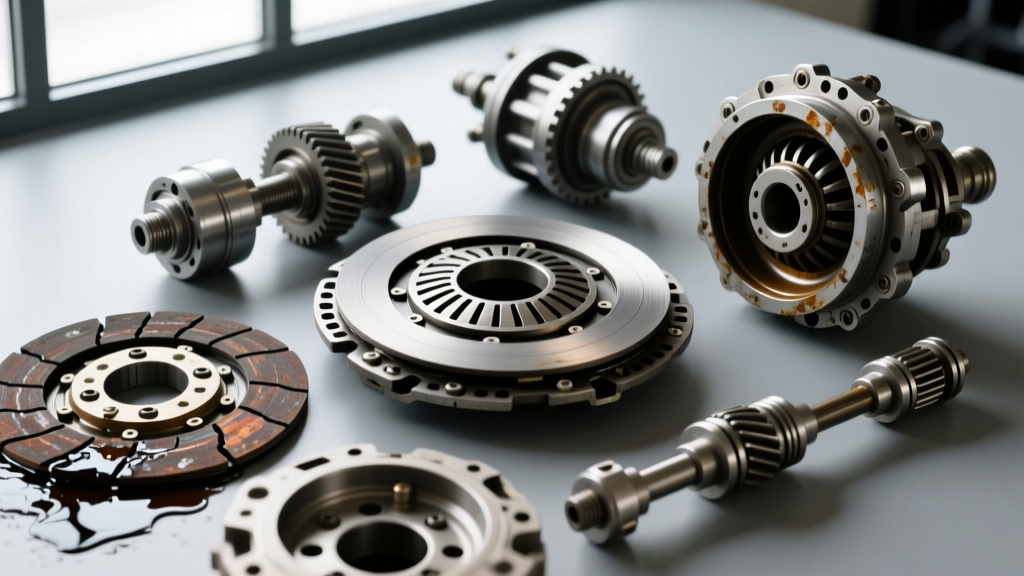
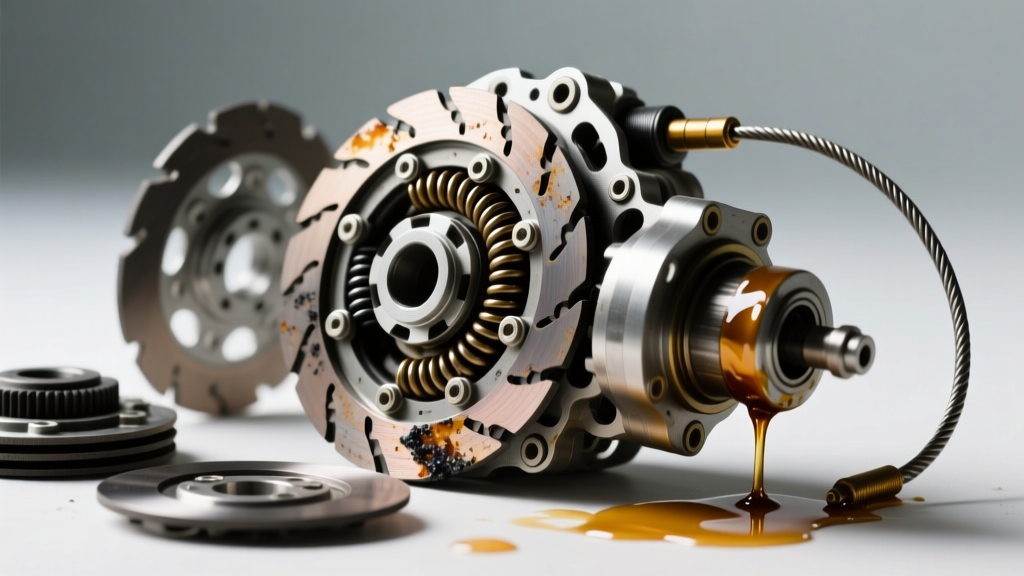
There are few scents more alarming to a motorcyclist than the acrid, distinct odor of a burning clutch. Often described as smelling like burnt toast, scorched paper, or overheated brake pads, this aroma is the direct result of phenolic resins and binding agents in your friction plates breaking down under extreme thermal stress. When a clutch slips, kinetic energy that should be transferred to the transmission is instead converted into heat. Friction materials begin to degrade rapidly once temperatures exceed 350°F (176°C), leading to glazing, warping of the steel drive plates, and eventual catastrophic failure.
However, diagnosing the root cause of this overheating requires looking beyond the clutch basket itself. While worn friction plates or contaminated oil are common culprits, a frequently overlooked variable in the diagnostic tree is the mechanical drag caused by a poorly maintained control cable. Understanding the interplay between lever feel, free play, and the proper application of a motorcycle clutch cable lubricant is essential for accurate troubleshooting and preventing repeat failures.
Differentiating Friction Plate Burn vs. Cable-Induced Slip
Before tearing into the primary chaincase or engine side cover, you must determine if the burning smell is a symptom of component wear or an adjustment/maintenance failure. A slipping clutch generates heat, but why is it slipping?
- Worn Friction Plates: The friction material has simply reached the end of its service life. The clutch pack can no longer achieve the necessary clamping force, leading to slip under heavy load or hard acceleration.
- Oil Contamination: The use of automotive oils containing molybdenum friction modifiers (which fail the JASO MA2 standard) or a leaking crankshaft main seal can coat the plates, eliminating friction.
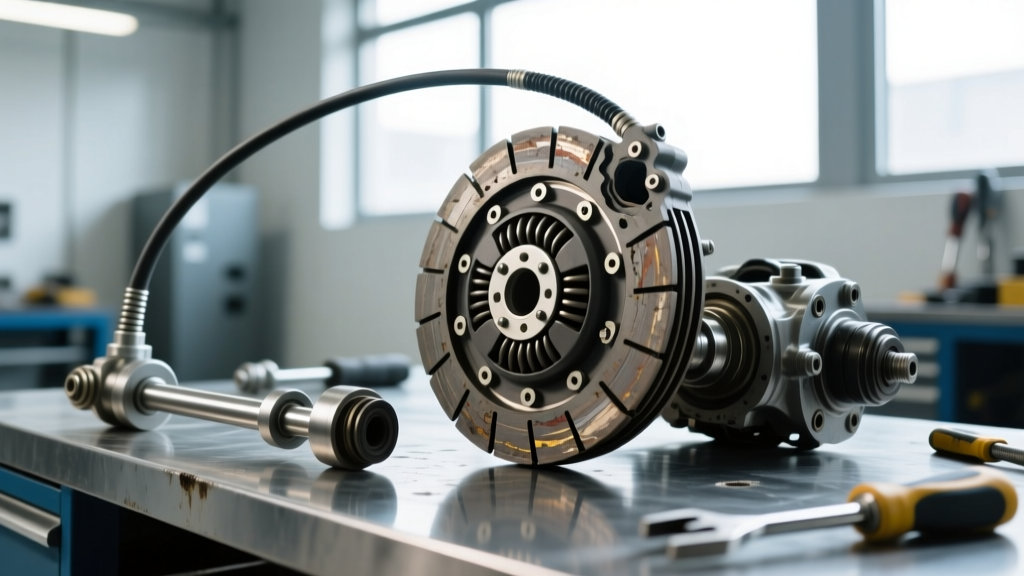
- Cable-Induced Slip (The Hidden Culprit): If the clutch cable is binding, frayed, or lacks proper lubrication, it may not fully retract. This prevents the clutch lifter mechanism from fully disengaging the release bearing, leaving the clutch pack in a state of partial engagement even when the rider's hand is off the lever.
The Hidden Culprit: How Cable Friction Causes Clutch Slip
When diagnosing a burning smell, the condition of the control cable is a critical data point. A dry or corroded inner cable drastically increases lever effort. This mechanical resistance causes two distinct issues that lead to a burning clutch:
- Rider Fatigue and 'Riding' the Clutch: A stiff lever encourages the rider to rest their fingers on the lever while riding to reduce hand strain. This inadvertent pressure pulls the release mechanism just enough to relieve clamping force, causing micro-slipping and immense heat buildup over a long ride.
- Failure to Return to Full Engagement: The clutch release mechanism relies on heavy springs (often generating 200+ lbs of clamping force) to push the pressure plate back into engagement. If the cable is dry and binding, the internal friction of the cable can overpower the return springs of the lever perch, leaving the cable slightly tensioned and the clutch partially disengaged.
Applying a high-quality motorcycle clutch cable lubricant reduces internal cable friction to near zero, ensuring the lever snaps back crisply and the clutch pack achieves 100% clamping force. Many riders mistakenly replace $150 clutch kits when a $12 cable lubrication service would have solved the slip entirely.
Step-by-Step Diagnostic Framework
Use the following matrix to isolate the cause of the burning smell before ordering replacement parts.
| Symptom Profile | Lever Feel | Free Play Measurement | Probable Root Cause |
|---|---|---|---|
| Smell under heavy load only; lever feels normal | Crisp, smooth return | Correct (1/8' to 3/16') | Worn friction plates or weak clutch springs |
| Smell during stop-and-go traffic; lever feels stiff | Notchy, slow return | Zero or negative (cable tight) | Dry cable, binding, lack of motorcycle clutch cable lubricant |
| Smell immediately after oil change | Normal | Correct | Incorrect oil (API SN instead of JASO MA2) |
| Smell accompanied by loud rattling from primary | Loose, sloppy | Excessive (>1/4') | Broken clutch hub damper springs or warped steel plates |
Measuring Free Play and Cable Drag
To accurately measure free play, the engine must be off and the cable must be fully lubricated. Measure the gap at the lever perch or the handlebar master cylinder/lever pivot. Standard specification for most Japanese and European motorcycles (Honda, Kawasaki, Ducati) is 10mm to 15mm (approx. 3/8' to 5/8') of free play at the lever tip. Harley-Davidson models utilizing a cable-actuated diaphragm spring typically require 1/16' to 1/8' of free play at the lever release mechanism. If the cable does not snap back instantly when pulled and released, internal friction is compromising your clutch engagement.
Selecting and Applying the Right Lubricant
Not all lubricants are suitable for clutch cables. Using the wrong product can attract dirt, degrade the nylon inner liner of modern cables, or wash away factory grease.
- PTFE (Teflon) Dry Sprays: Products like Maxima Cable Lube or DuPont Teflon Dry are ideal. They penetrate the cable housing, deposit a friction-reducing PTFE film, and dry quickly without attracting dust or grit. ($10 - $15)
- Silicone-Based Sprays: Safe for nylon liners and rubber seals, providing good moisture displacement. However, they can sometimes become gummy over time in high-heat environments.
- Graphite Powders: Excellent for older, unlined steel cables, but can clump if exposed to moisture.
- WHAT TO AVOID: Never use standard WD-40 or WD-40 Multi-Use as a long-term motorcycle clutch cable lubricant. It is a solvent that will strip away existing lubrication and evaporate, leaving the cable drier than before. Avoid heavy greases that solidify in cold weather and cause lever stiffness.
Application Technique: Use a dedicated tool like the Motion Pro Cable Luber (Part #08-0062, approx. $12). This tool clamps over the cable housing, creating a seal that forces the aerosol lubricant down the entire length of the housing until it drips out the bottom near the engine. Always lubricate the cable before adjusting free play.
When to Replace the Friction Plates
If you have verified proper free play, applied a dedicated cable lubricant, and confirmed the use of JASO MA2 certified motorcycle oil (such as Motul 7100 or Mobil 1 Racing 4T), but the burning smell persists under load, your friction plates are compromised. Phenolic resin burn cannot be reversed; the plates must be replaced.
Part Numbers and Pricing
When sourcing replacements, you have options based on your riding style:
- OEM Paper/Cork Plates: Best for street riding and smooth engagement. (e.g., Honda OEM 22201-MFJ-D01). Cost: $80 - $120.
- Kevlar/Aramid Upgrades: Highly recommended for sportbikes and heavy touring bikes. The EBC Brakes SRC Series (e.g., CK3247 for Honda CBR600RR) uses Kevlar fibers that resist glazing and handle extreme heat without burning. Cost: $160 - $220.
Critical Torque Specifications
When reinstalling the clutch pack, adhering to exact torque specs is vital to prevent warped pressure plates and uneven clamping, which will cause a new clutch to burn prematurely.
- Honda CBR600RR / CBR1000RR: Clutch spring bolts must be torqued to 12 Nm (9 lb-ft) in a crisscross pattern. The primary drive gear nut requires 123 Nm (91 lb-ft) using a clutch holding tool.
- Yamaha YZF-R6: Clutch spring bolts: 10 Nm (7.2 lb-ft).
- Harley-Davidson Sportster (2004+): The diaphragm spring retaining screws require 84-108 in-lbs (not foot-pounds). The primary chaincase cover bolts are 84-108 in-lbs.
Always soak new OEM paper/cork friction plates in the exact JASO MA2 oil you plan to run in the engine for a minimum of 2 hours (preferably overnight) before installation. Kevlar plates (like EBC SRC) generally do not require pre-soaking, but always verify the manufacturer's insert. For more on motorcycle drivetrain maintenance standards, refer to resources like the Cycle World Maintenance Guide.
Summary Checklist for Burning Smell Diagnosis
- Verify the engine oil meets JASO MA2 standards (no automotive friction modifiers).
- Measure lever free play; ensure it meets the 10-15mm baseline.
- Inspect the cable for fraying and apply a PTFE-based motorcycle clutch cable lubricant using a forced-feed tool.
- Test ride. If slip and burning persist under heavy throttle, drain the oil and inspect the clutch pack for glazing, warping, or worn friction tabs.
- Replace friction and steel plates as a matched set, torquing spring bolts to factory specifications.
By systematically eliminating cable friction and oil contamination before condemning the hard parts, you can save hundreds of dollars in unnecessary teardowns and ensure your motorcycle's drivetrain operates flawlessly.