The Hidden Costs of Learning How to Drive a Clutch Bike
Mastering the friction zone is the most critical hurdle when learning how to drive a clutch bike. However, many new riders searching for how to drive clutch bike tutorials overlook the mechanical health of the clutch actuation system. A manual motorcycle clutch relies on a braided steel inner wire sliding within a Teflon-lined or nylon-coated outer housing to transfer your hand's lever input to the engine's clutch actuator arm. When this cable stretches, frays, or suffers from water ingress, the friction zone becomes erratic, leading to stalled engines, dropped motorcycles, and accelerated clutch plate wear.
From a cost analysis perspective, ignoring clutch cable symptoms transforms a simple $45 maintenance fix into a $600+ clutch basket rebuild. In 2026, with dealership labor rates climbing and OEM parts supply chains stabilizing, understanding the financial breakdown of clutch cable diagnostics, adjustment, and replacement is essential for every rider's budget.
Diagnosing Clutch Cable Problems: Symptoms & Safety Risks
Before replacing parts, you must accurately diagnose the symptom. Clutch cable failures rarely happen without warning. According to Cycle World Maintenance Guides, the most common cable-related symptoms include:
- Stiff Lever Pull: Often caused by oxidized inner wires or a kinked outer housing. This causes severe hand fatigue in stop-and-go traffic and ruins the modulation required for low-speed maneuvers.
- Inability to Find Neutral: If the cable is adjusted too tightly, the clutch never fully engages, causing the transmission to drag. This results in the bike creeping forward at stoplights and makes shifting into neutral nearly impossible while stationary.
- Clutch Slipping at High RPM: Conversely, a cable with too much free play prevents the clutch from fully disengaging when you pull the lever, but it also fails to apply maximum clamping force when released. This glazes the friction plates and overheats the clutch basket.
- Slow Lever Return: A classic sign of debris inside the cable housing or a lack of lubrication at the pivot pin.
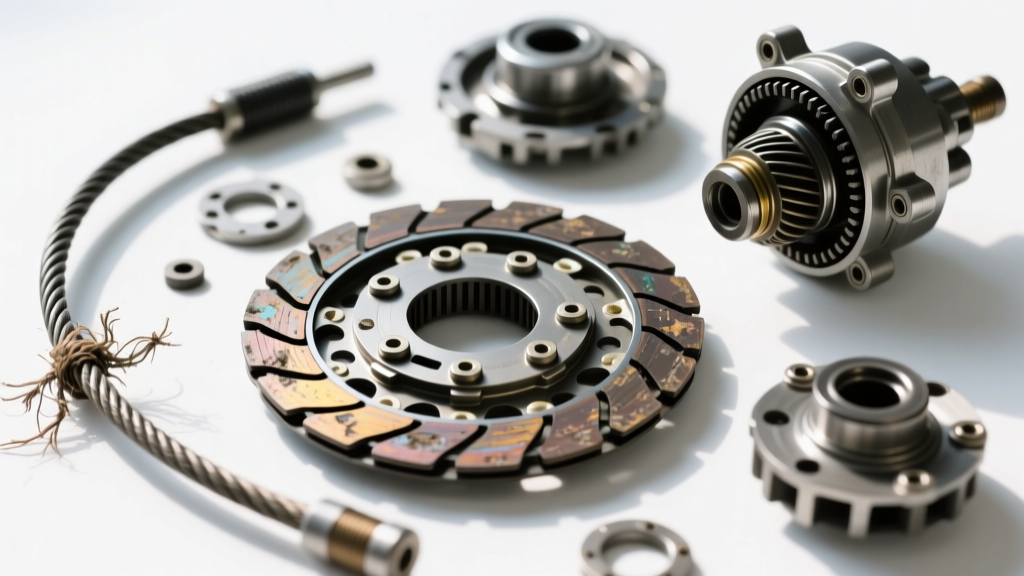
- Strand Fatigue at the Swaged Nipple: The most dangerous failure point. If you notice a 'mushy' lever feel that suddenly drops to the grip, individual wire strands at the lever perch nipple have begun snapping.
2026 Cost Breakdown: OEM vs. Aftermarket Clutch Cables
When replacement is inevitable, riders must choose between Original Equipment Manufacturer (OEM) cables and high-performance aftermarket alternatives like Barnett Tool & Engineering or Motion Pro. Below is a 2026 pricing and labor analysis for three of the most popular entry-level and mid-weight clutch bikes on the market.
| Motorcycle Model | OEM Part Number | OEM Price (2026) | Aftermarket Price | Book Labor Time |
|---|---|---|---|---|
| Yamaha MT-07 (2021-2025) | 1CP-26335-00 | $52.00 | $38.00 (Barnett) | 0.5 Hours |
| Honda CBR500R (2022-2025) | 22870-MGZ-J00 | $41.50 | $29.00 (Motion Pro) | 0.9 Hours |
| Kawasaki Ninja 400 (2018-2025) | 59408-0023 | $46.00 | $34.00 (Barnett) | 1.1 Hours |
Note: Sportbikes like the CBR500R and Ninja 400 require partial fairing removal to route the cable through the frame, significantly increasing the labor time and cost compared to naked bikes like the MT-07.
Step-by-Step Clutch Cable Adjustment & Torque Specifications
Proper adjustment is free and requires only a 10mm wrench and a set of digital calipers. As highlighted by RevZilla's Common Tread, the golden rule of clutch adjustment is to always set the free play at the lower engine actuator arm first, then fine-tune at the handlebar lever.
1. Lower Actuator Arm Adjustment
Locate the clutch actuator arm on the engine case. Loosen the 10mm locknut on the cable adjuster barrel. Turn the barrel until the actuator arm just begins to move when you pull the cable taut. You want exactly 2mm to 3mm of free play at this pivot point. Tighten the locknut to 7-10 Nm (consult your specific service manual, as overtightening can crack the aluminum adjuster threads).
2. Handlebar Lever Free Play
Measure the free play at the very tip of the clutch lever using calipers. The industry standard for 2026 motorcycle models is 10mm to 15mm (0.4 to 0.6 inches) of lateral movement before you feel resistance. This gap ensures the clutch fully engages when the lever is released, preventing slip.
3. Pivot Pin and Perch Torque Specs
If you are replacing the lever or perch assembly, the clutch lever pivot bolt typically requires a torque spec of 6-8 Nm with a drop of blue Loctite (243). The handlebar clamp bolts for the perch should be torqued to 10-12 Nm. Over-torquing these aluminum castings is a common and expensive DIY mistake.
Labor Rates: DIY vs. Professional Motorcycle Shop Pricing
If you lack the tools or confidence to route a new cable through a tightly packed sportbike chassis, professional service is recommended. In 2026, the national average for motorcycle dealership labor rates sits between $135 and $185 per hour. Independent motorcycle repair shops generally offer more competitive rates, ranging from $95 to $125 per hour.
For a Kawasaki Ninja 400 requiring 1.1 hours of book time plus a $46 OEM cable, a dealership visit will cost approximately $215 to $260 out the door. By contrast, a DIY approach costs only the price of the part and roughly 45 minutes of your time, yielding a minimum savings of $170. Furthermore, DIY maintenance allows you to inspect adjacent components, such as the throttle cables and brake lines, which are often routed in the same harness.
Maintenance Intervals to Prevent Catastrophic Cable Failure
To extend the lifespan of your clutch cable and maintain the light lever pull necessary for smooth riding, proactive lubrication is mandatory. You should lubricate the cable every 5,000 miles or at every engine oil change.
Invest in a Motion Pro Cable Luber (Part # 08-0005, approx. $14.99). This tool clamps onto the exposed inner wire at the handlebar perch and forces aerosol lubricant down the entire length of the housing. Use a PTFE-based (Teflon) dry cable lubricant or a dedicated motorcycle cable oil. Avoid heavy lithium greases or WD-40; heavy greases attract dirt and grit at the lever pivot, while standard WD-40 lacks the high-pressure film strength required to prevent metal-on-metal wear inside the housing.
Ultimately, understanding the mechanics and costs of your clutch cable system ensures that your time spent learning how to drive a clutch bike is defined by smooth, predictable shifts rather than sudden mechanical failures and unexpected repair bills.