Understanding Your Vehicle's Clutch Mechanics
For beginners, the manual transmission can feel like a mysterious dance of three pedals. At the heart of this system is the clutch assembly, responsible for marrying the engine's rotational power to the transmission's input shaft. When you press the pedal, you are initiating a complex hydraulic and mechanical sequence. However, when drivers begin researching their cars clutch aid and engagement problems, they are usually trying to solve two distinct nightmares: the clutch dragging (failing to disengage) or the clutch slipping (failing to engage fully). As of 2026, with the rise of high-torque turbocharged four-cylinder engines and advanced drive-by-wire throttle mapping, understanding how your clutch engages and disengages is more critical than ever for drivetrain longevity.
What Exactly is a 'Clutch Aid'?
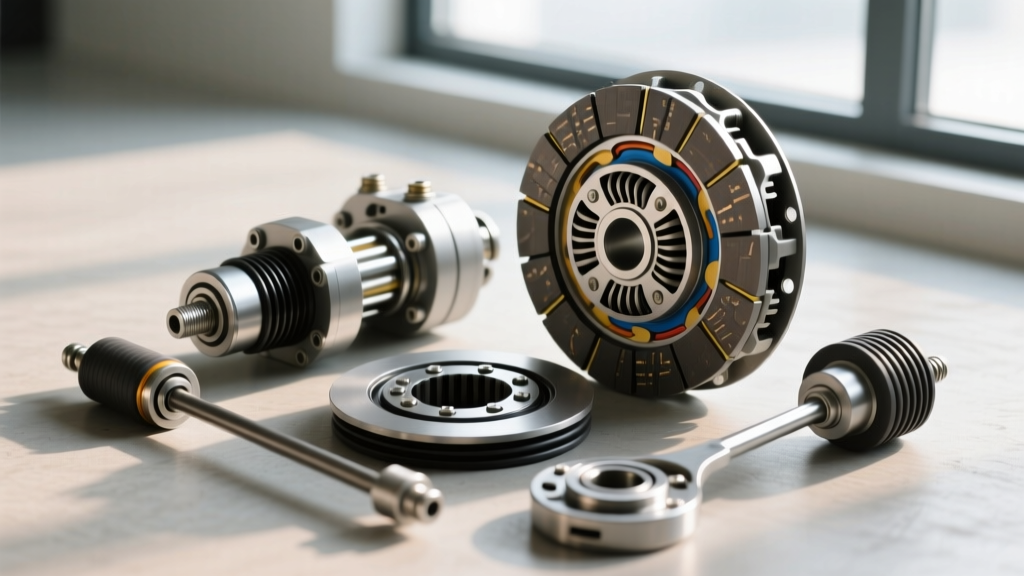
Before diagnosing a failure, we must define the terminology. In modern automotive engineering, a 'clutch aid' refers to the mechanisms designed to reduce pedal effort and smooth out the engagement zone. This typically involves two components:
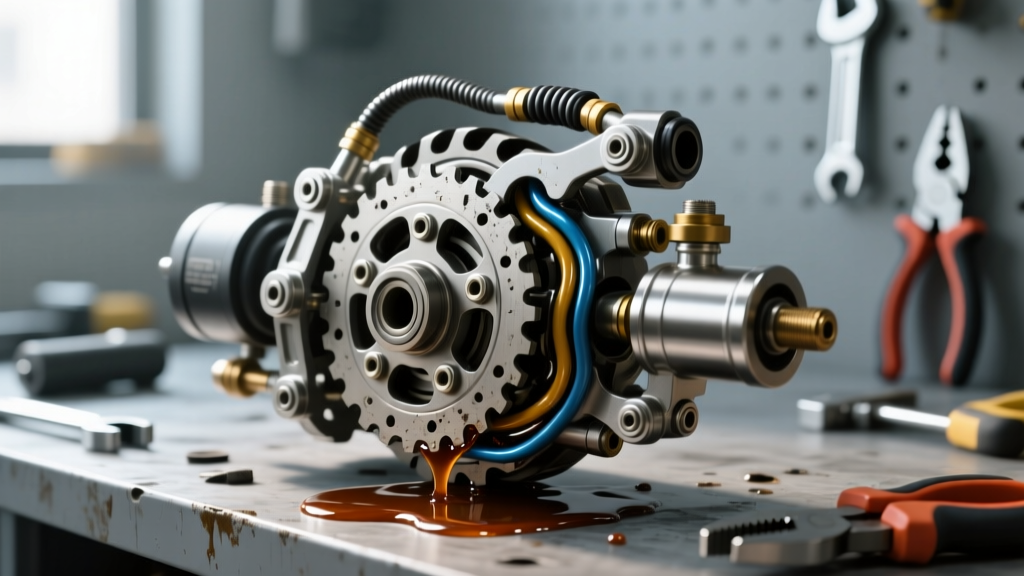
- Hydraulic Assist (Concentric Slave Cylinders): Modern vehicles use hydraulic fluid to multiply the force of your foot. A Concentric Slave Cylinder (CSC) wraps around the transmission input shaft, using hydraulic pressure to push the release bearing against the pressure plate diaphragm.
- Over-Center Pedal Springs: Many manual cars feature a mechanical assist spring in the pedal box. This spring pulls the pedal toward the floor past a certain 'over-center' point, reducing the physical effort required by the driver's left leg during stop-and-go traffic.
When these aid systems fail, the pedal feel changes drastically, and the engagement point shifts, leading to severe drivability issues.
Disengagement Issues: When the Clutch Won't Let Go
Disengagement is the process of separating the engine from the transmission so you can change gears. If the clutch fails to fully disengage, the transmission input shaft continues to spin, resulting in grinding gears—especially when shifting into First or Reverse from a stop.
Air in the Lines and Fluid Degradation
Hydraulic clutch systems are incredibly sensitive to air intrusion. Because air is a gas, it is compressible; brake fluid is not. If air enters the master cylinder or the lines, pressing the pedal compresses the air bubbles rather than moving the slave cylinder. This results in a 'spongy' pedal and incomplete disengagement. Furthermore, DOT 3 and DOT 4 brake fluids are hygroscopic, meaning they absorb moisture from the atmosphere over time. This lowers the fluid's boiling point and promotes internal corrosion in the Schaeffler LuK hydraulic bearings, leading to internal seal bypass.
The Clutch Delay Valve (CDV) Restriction
Many modern European and domestic sports cars feature a Clutch Delay Valve (CDV) in the hydraulic line. The CDV is designed to restrict fluid flow, slowing down the clutch engagement to prevent drivetrain shock and protect the dual-mass flywheel (DMF) during aggressive shifts. However, a failing or overly restrictive CDV can prevent the slave cylinder from returning quickly enough, causing the clutch to drag during rapid 1st-to-2nd gear shifts. Performing a CDV delete or upgrading to an unrestricted aftermarket line is a common fix for this disengagement lag.
Engagement Issues: When the Clutch Won't Grab
Engagement is the reconnection of power. If the clutch slips, engine RPMs will flare dramatically without a proportional increase in vehicle speed. This generates immense heat, which can quickly warp the flywheel and shatter the friction disc.
Friction Material Glazing and Contamination
Clutch discs are lined with organic, ceramic, or Kevlar friction materials. 'Riding the clutch' (resting your foot on the pedal while driving) causes micro-slipping, which overheats the disc and creates a hardened, glass-like surface known as glazing. A glazed disc cannot generate sufficient friction to hold the torque of the engine. Additionally, oil contamination from a leaking rear main engine seal or transmission input shaft seal will coat the friction material, destroying its coefficient of friction and causing immediate, violent slipping.
Weak Pressure Plate Diaphragm
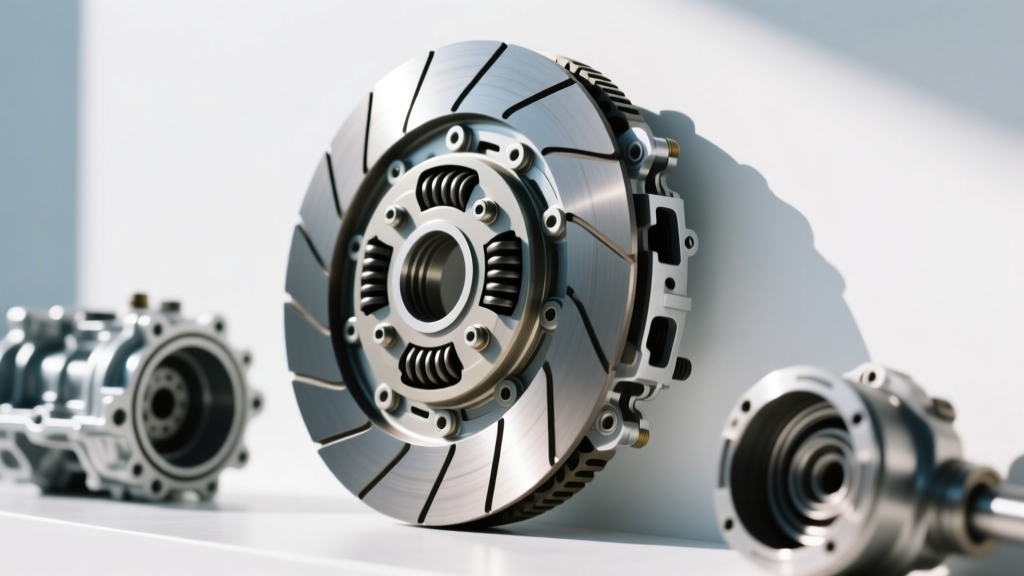
The pressure plate uses a heavy-duty diaphragm spring to clamp the friction disc against the flywheel. Over tens of thousands of miles, this metal spring fatigues and loses its clamping force. Even if the friction disc has plenty of material left, a weak pressure plate will allow the clutch to slip under heavy load, such as accelerating up a steep incline or towing.
Diagnostic Matrix: Symptoms, Causes, and Costs
Use the following table to narrow down your specific clutch system failure based on real-world diagnostic data.
| Symptom | Probable Cause | Diagnostic Step | Estimated Repair Cost (2026) |
|---|---|---|---|
| Grinding into 1st/Reverse | Incomplete disengagement (Air in lines / Worn CSC) | Pump pedal 5 times, hold down. If it slowly rises, seals are bypassing. | $250 - $600 (Fluid bleed / External Slave) |
| RPM flare under heavy load | Glazed disc, weak pressure plate, or oil contamination | Start in 3rd gear with handbrake on. If engine doesn't stall, clutch is slipping. | $900 - $1,800 (Full Clutch Kit & Flywheel) |
| Pedal stuck to the floor | Failed master cylinder return spring or blown CSC seal | Inspect bellhousing inspection cover for fluid dripping from the weep hole. | $400 - $900 (Transmission removal & CSC replacement) |
| Chatter/Vibration on takeoff | Warped Dual-Mass Flywheel (DMF) or broken hub springs | Check for excessive rotational play in the DMF (more than 3 teeth of freeplay). | $1,100 - $2,200 (DMF replacement or conversion) |
Expert Wrenching: Real-World Specs and Procedures
For the DIY enthusiast or the junior technician stepping up to clutch jobs, precision is non-negotiable. According to Tremec Transmissions Technical Resources, improper installation is the leading cause of premature clutch failure. Here are the critical specifications and procedures you must follow:
- Hydraulic Fluid Selection: Never use DOT 5 (silicone-based) fluid in a clutch system. Silicone fluid is highly compressible and will result in a spongy, unpredictable pedal. Always use high-quality DOT 4 or DOT 5.1 (e.g., Motul RBF 600) which offers a dry boiling point of over 600°F (315°C).
- Flywheel Torque Specs: When reinstalling the flywheel, use new hardware. For example, when using ARP 200-2806 flywheel bolts on a common GM LS or Ford Modular V8, the torque specification is exactly 95 lb-ft, but only when using ARP Ultra-Torque lubricant. Using standard motor oil will result in severe over-torquing and stretched bolts.
- Pressure Plate Torque: M8 pressure plate bolts should be torqued in a star pattern to 22-25 lb-ft. Over-torquing can warp the pressure plate housing, leading to uneven clamping and immediate engagement chatter.
- Alignment Tool Usage: Never eyeball the clutch disc alignment. Use a precision-machined aluminum alignment tool that matches the exact spline count and inner diameter of your transmission input shaft (e.g., a 26-spline tool for a Tremec T56 Magnum). A misaligned disc will bind on the input shaft, preventing the clutch from disengaging even if the hydraulics are perfect.
Summary
Diagnosing clutch engagement and disengagement issues requires a methodical approach. By understanding how your vehicle's clutch aid systems—both hydraulic and mechanical—function, you can accurately pinpoint whether a spongy pedal, a grinding gear, or a slipping RPM is caused by a simple fluid issue or a catastrophic mechanical failure. Always consult authoritative repair manuals, adhere strictly to torque specifications, and never cut corners on hydraulic fluid quality. For more deep-dive technical articles and Hagerty Media Tech guides, continue exploring our extensive drivetrain diagnostics library.