The 2019 Jeep Cherokee Rear Axle: Understanding Your Drivetrain
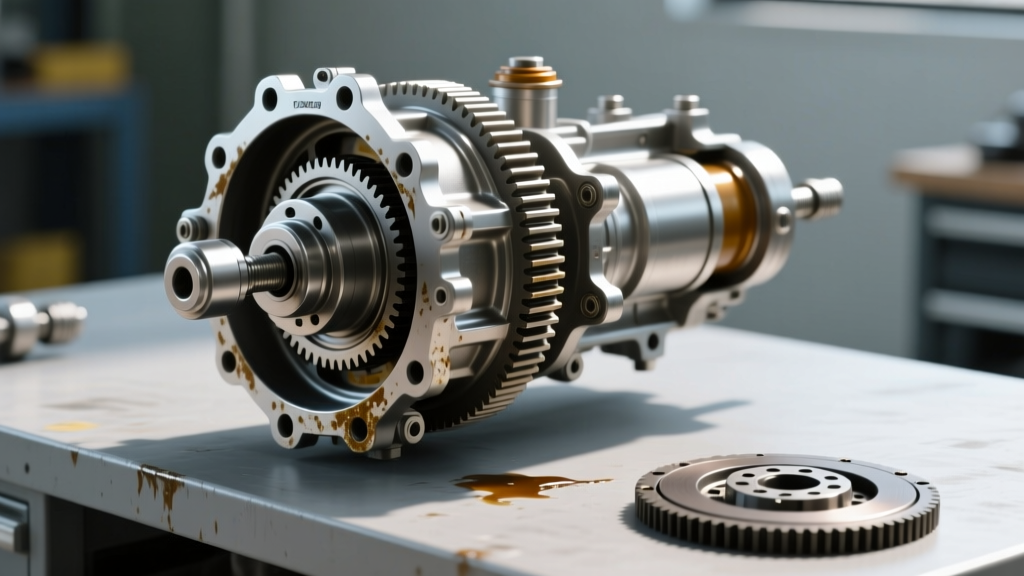
When it comes to maintaining the KL-platform Cherokee, the 2019 Jeep Cherokee rear differential fluid change is a frequently overlooked but mechanically critical service. Unlike older solid-axle Jeep models, the 2019 Cherokee utilizes an Independent Rear Suspension (IRS) with a specialized Rear Drive Module (RDM) and a lightweight rear differential housing. Depending on your trim level—particularly if you are running the Trailhawk or a model equipped with Active Drive II or III—your vehicle will feature either a standard Open Differential or an Electronic Limited Slip Differential (ELSD).
Choosing the correct lubricant is not merely a matter of viscosity; it is a matter of chemical compatibility. Using the wrong fluid in an ELSD-equipped Cherokee will result in clutch pack glazing, low-speed cornering chatter, and eventual actuator burnout. In this 2026 comparison and buyer's guide, we break down the exact engineering differences between the Open and Limited Slip configurations, outline the tribology of modern GL-5 gear oils, and provide the precise specifications you need to execute this service flawlessly.
Identifying Your Differential: Open vs. ELSD
Before purchasing fluid, you must verify your rear axle configuration. The 2019 Cherokee was offered with two primary rear differential setups:
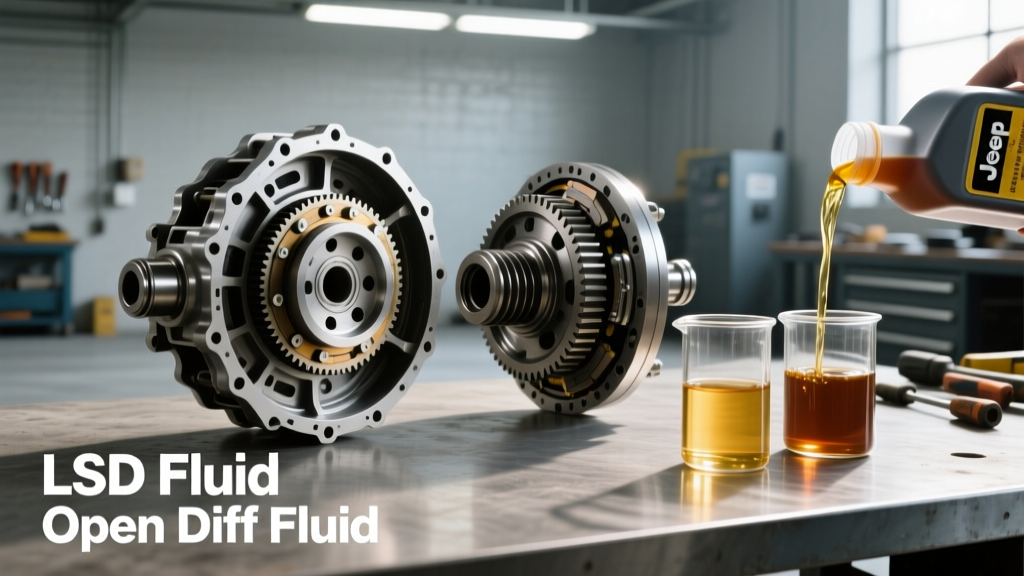
- Open Differential: Standard on most Latitude and Limited trims with Active Drive I. It relies on standard spider gears to allow the left and right wheels to rotate at different speeds during cornering. It requires no special friction modifiers.
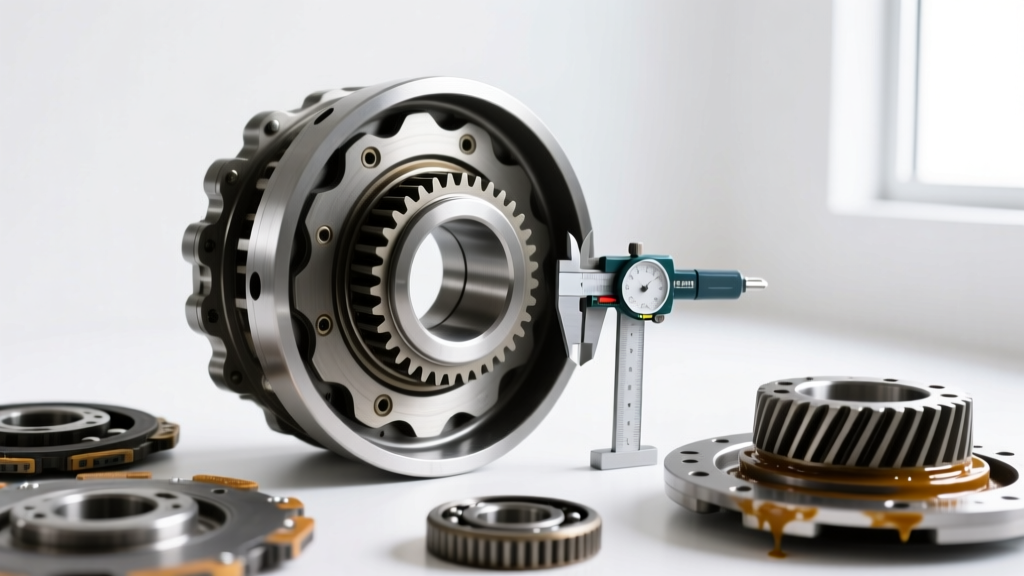
- Electronic Limited Slip Differential (ELSD): Standard on Trailhawk models and optional on others. This unit utilizes an electromagnetic actuator that compresses a multi-plate clutch pack to lock the axles together when slip is detected. The clutch packs require specific long-chain organic friction modifiers to operate smoothly without stick-slip chatter.
Pro Tip: Check your window sticker (Monroney label) for the "Electronic Limited Slip Differential" line item, or visually inspect the rear differential housing. An ELSD will have a prominent electrical actuator motor and wiring harness bolted directly to the side of the differential casing.
Specification & Maintenance Comparison Matrix
| Feature | Open Differential | ELSD (Limited Slip) |
|---|---|---|
| OEM Fluid Spec | Mopar 75W-85 GL-5 | Mopar 75W-85 GL-5 + Modifier |
| Friction Modifier Required? | No | Yes (Mopar 68333591AA) |
| Fluid Capacity | 0.85 Quarts (0.8 Liters) | 0.85 Quarts (0.8 Liters) |
| Primary Failure Mode | Spider gear wear from shock loads | Clutch pack glazing & actuator overheating |
| 2026 Average DIY Cost | $25 - $35 | $40 - $55 |
| Service Interval | Every 50,000 miles (Severe) / 100k (Normal) | Every 40,000 miles (Severe) / 80k (Normal) |
The Chemistry of Gear Oil: Why ELSDs Demand Modifiers
To understand why the 2019 Jeep Cherokee rear differential fluid change requires such strict adherence to specifications, we must look at the chemistry of API GL-5 gear oils. GL-5 fluids are packed with Extreme Pressure (EP) additives, typically sulfur-phosphorus compounds. These compounds react with the heat generated by the hypoid ring and pinion gears to form a sacrificial solid film, preventing metal-on-metal welding under high torque loads.
However, in an ELSD, the multi-plate clutch packs rely on a precise coefficient of friction to engage and disengage smoothly. Standard EP additives cause the clutch plates to grab aggressively and then slip, creating a phenomenon known as "stick-slip" or chatter. This vibration not only degrades the driving experience but generates localized hot spots that will permanently glaze the friction material on the clutch discs.
Friction modifiers (like Mopar's Limited Slip Additive) are long-chain organic polymers that coat the clutch plates, ensuring a progressive, smooth engagement. According to the Red Line Oil Technical FAQ, synthetic base stocks (Group IV PAO) hold these friction modifiers in suspension much longer than conventional Group II mineral oils, making full-synthetics vastly superior for modern ELSD applications.
Buyer’s Guide: Selecting the Right Fluid for 2026
When performing your fluid change, you have a few distinct paths. FCA (now Stellantis) transitioned many of its KL-platform vehicles to 75W-85 viscosity to meet CAFE fuel economy standards, though 75W-90 is generally acceptable and offers better shear stability for heavy towing or off-road use.
1. The OEM Route (Mopar)
- Mopar 75W-85 Gear & Axle Lubricant (Part # 68218655AB): The exact factory fill. It is a high-quality synthetic blend designed specifically for FCA fuel economy targets.
- Mopar Limited Slip Additive (Part # 68333591AA): Mandatory for ELSD models. You typically need one 4 oz bottle per differential.
2. The Premium Aftermarket Route (Amsoil / Mobil 1)
- Amsoil Severe Gear 75W-90: A Group IV PAO-based synthetic that offers vastly superior shear stability and lower pour points for cold-weather climates. If you select the "LS" (Limited Slip) variant, the friction modifier is already pre-mixed.
- Mobil 1 Synthetic Gear Lube LS 75W-90: An excellent, widely available option that includes the necessary LS additives. It meets API GL-5 and provides outstanding thermal stability for the Cherokee's compact rear housing.
Expert Warning: Never use fluids labeled "API GL-4" in the Cherokee's rear differential. GL-4 lacks the necessary sulfur-phosphorus concentration to protect the hypoid ring and pinion gear set from catastrophic pitting and wear.
Step-by-Step: 2019 Jeep Cherokee Rear Differential Fluid Change
The KL Cherokee rear differential is relatively compact, holding only 0.85 quarts (0.8 liters). Because of the low capacity, precision during the fill process is vital. Overfilling will cause the fluid to foam and blow past the axle seals; underfilling will starve the pinion bearings.
Required Tools & Materials
- 3/8-inch drive ratchet or appropriate hex socket (for fill/drain plugs)
- Fluid transfer pump (manual or pneumatic)
- Fluid extraction syringe (if your housing lacks a dedicated drain plug)
- Torque wrench (inch-pounds or foot-pounds)
- Brake cleaner and shop towels
The Procedure
- Vehicle Preparation: Drive the vehicle to warm the differential fluid to operating temperature (around 140°F). This suspends metallic particulates and allows for a faster, more complete drain. Safely support the rear of the Cherokee on jack stands, ensuring the axle is hanging freely but the chassis is level.
- Remove the Fill Plug FIRST: Always remove the upper fill plug before the lower drain plug. If the drain plug strips or the fill plug is seized, you do not want to be left with an empty differential and no way to refill it. The fill plug torque spec from the factory is 22 ft-lbs (30 Nm).
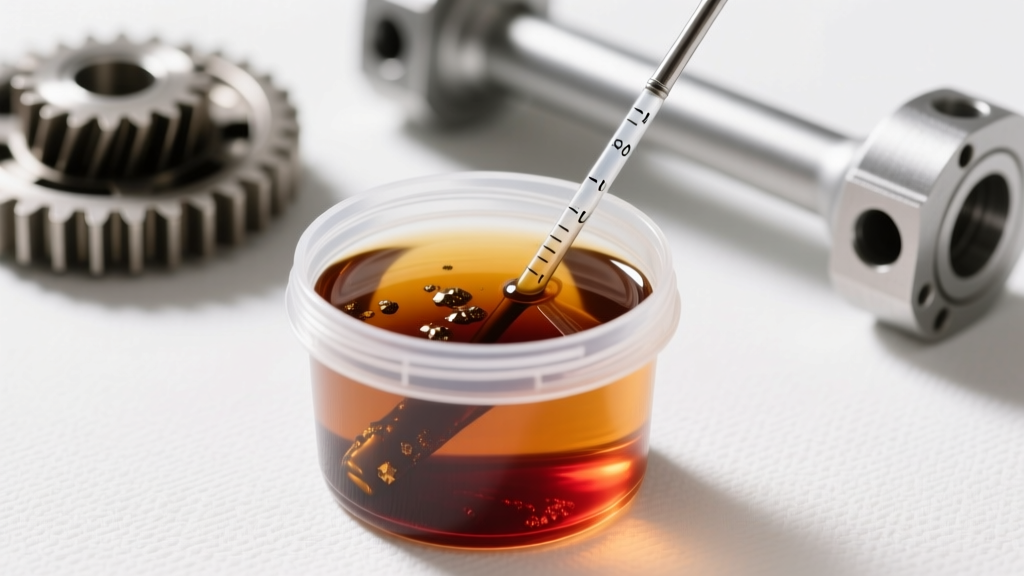
- Drain the Fluid: Remove the lower drain plug (if equipped). If your specific 2019 housing only features a fill plug, use a fluid extraction syringe to pump the old oil out through the fill hole. Inspect the drain plug for excessive metallic fuzz. A fine, silty paste is normal for a 50,000-mile service; large shards indicate ring gear or bearing failure.
- Add Friction Modifier (ELSD Only): If you have an ELSD and are using a fluid without pre-mixed modifiers, add the 4 oz bottle of Mopar Friction Modifier now.
- Refill the Differential: Using your transfer pump, push the new 75W-85 or 75W-90 GL-5 fluid into the fill hole. The differential is full when the fluid level reaches the exact bottom edge of the fill plug threads. Capacity will be approximately 0.85 quarts.
- Torque and Clean: Reinstall the fill plug and torque to 22 ft-lbs (30 Nm). Wipe down the housing with brake cleaner to ensure no residual oil remains, which makes spotting future leaks much easier.
Cost Analysis: Dealer vs. DIY (2026 Pricing)
As of 2026, dealership labor rates have continued to climb, making the 2019 Jeep Cherokee rear differential fluid change an ideal DIY candidate. The rear differential service requires no specialized electronic resets or calibration tools, unlike the transmission or transfer case services on the Active Drive systems.
- Dealership Cost: Expect to pay between $160 and $240. This includes 0.5 hours of labor at standard shop rates, plus the OEM Mopar fluid and friction modifier markup.
- DIY Cost (OEM Fluids): Approximately $45 (Two bottles of Mopar 75W-85 + one friction modifier).
- DIY Cost (Premium Aftermarket): Approximately $55 (Two quarts of Amsoil Severe Gear LS).
By performing this service in your driveway, you not only save upwards of $150, but you also gain the peace of mind that comes from personally inspecting the drain plug magnet for early signs of internal bearing or gear degradation.
Frequently Asked Questions
Can I use 75W-140 in my 2019 Cherokee for heavy towing?
No. The clearances in the KL Cherokee's lightweight rear differential are engineered specifically for 75W-85 or 75W-90. Using a 140-weight oil will result in poor cold-flow circulation, starving the pinion bearings during startup and potentially triggering the ELSD actuator overheat protection due to excessive fluid drag.
How do I know if my ELSD clutch packs are already damaged?
If you perform the fluid change with the correct GL-5 LS fluid and modifier, and still experience a "chattering" or "hopping" sensation from the rear axle during tight, low-speed parking lot turns, your clutch packs are likely glazed. In severe cases, the ELSD module may throw a diagnostic trouble code (DTC) and default to open-differential mode until serviced by a dealer.
Does the Rear Drive Module (RDM) share this fluid?
No. On 2019 Cherokees equipped with the Active Drive II or III disconnect system, the RDM disconnect mechanism and the rear differential are often separate sealed units or require distinct service procedures. The 0.85-quart capacity and procedure outlined above apply strictly to the rear differential ring-and-pinion housing.
For further verification of your specific VIN's drivetrain configuration, always consult the Jeep Owner's Manual Archives or pull your factory build sheet before ordering parts.