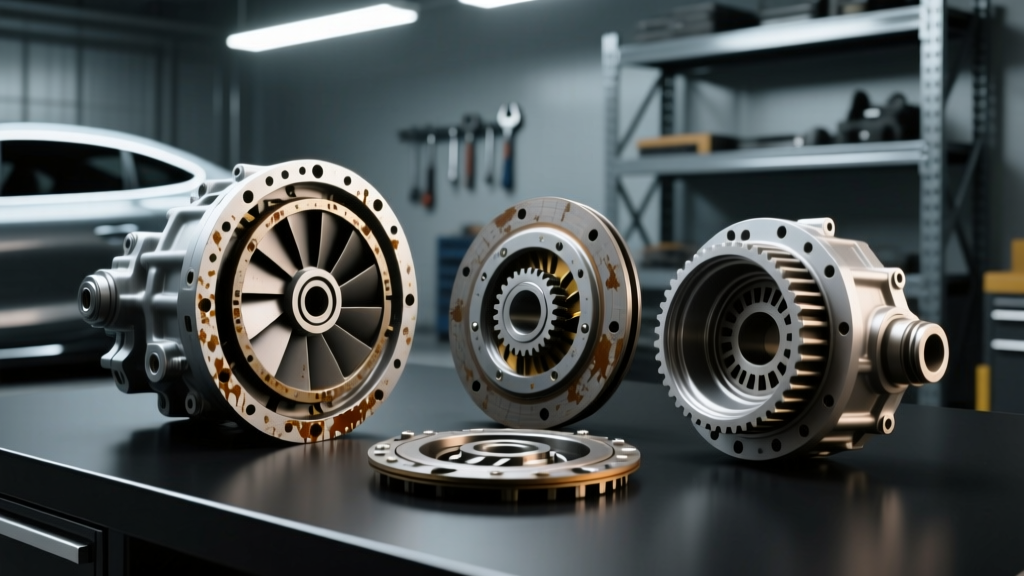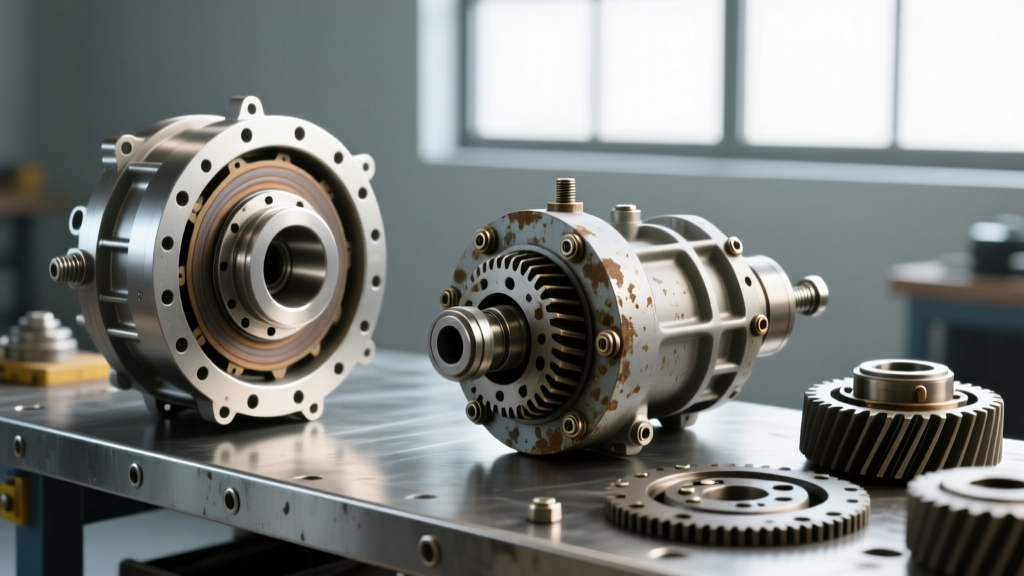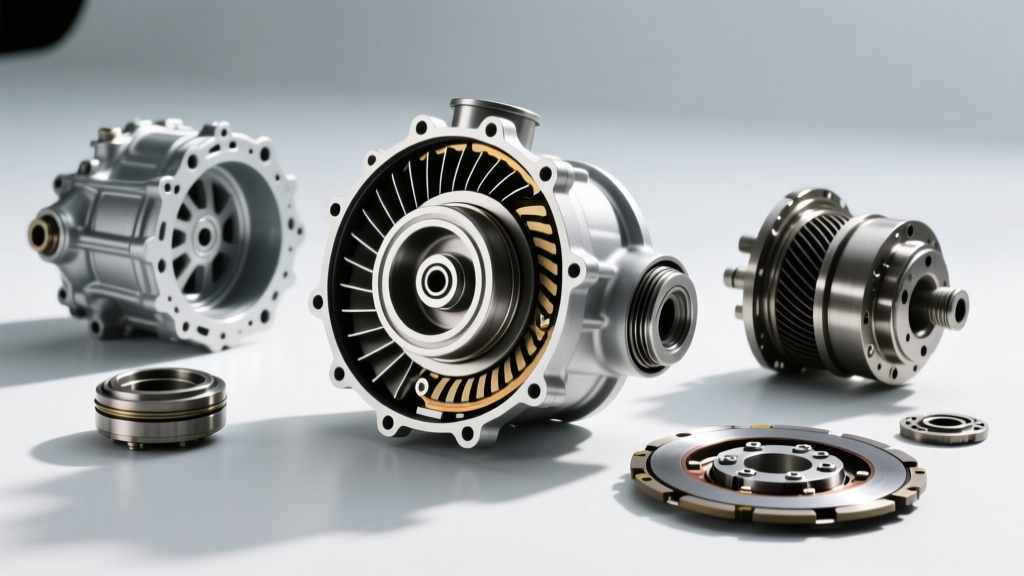
When diagnosing automatic transmission performance issues, checking torque converter stall speed is one of the most definitive hydraulic and mechanical tests you can perform. Whether you are troubleshooting a sluggish GM 4L60E, a slipping Ford 6R80, or a complex ZF 8HP, the stall test isolates the torque converter's ability to multiply engine torque and verifies the holding capacity of the transmission's internal clutch packs.
As automotive powertrains have evolved, so have the methods required to test them. Modern drive-by-wire throttle systems and aggressive ECU torque management protocols mean the traditional 'foot-brake' stall test is no longer universally applicable. This guide will walk you through the physics of stall speed, the exact tools required, and the step-by-step procedures for both legacy and modern vehicles.
The Fluid Dynamics of Stall Speed
Before turning a wrench, it is vital to understand what you are actually measuring. Stall speed is defined as the maximum engine RPM achieved when the transmission is in forward gear, the engine is at Wide Open Throttle (WOT), and the transmission output shaft is held completely stationary.
Inside the torque converter, three main components dictate this behavior:
- The Impeller (Pump): Driven by the engine's flexplate, it pushes transmission fluid outward via centrifugal force.
- The Turbine: Connected to the transmission input shaft, it catches the fluid to rotate the transmission. During a stall test, the turbine is held at 0 RPM.
- The Stator: Mounted on a one-way sprag clutch, it redirects fluid returning from the turbine back into the impeller, creating torque multiplication (often 2.0:1 to 2.5:1).
When you check stall speed, you are finding the exact RPM where the engine's maximum torque output perfectly matches the hydraulic resistance of the stalled torque converter.
CRITICAL SAFETY WARNING: A stall test generates immense kinetic energy and converts it directly into heat within the transmission fluid. Fluid temperatures can spike past 250°F (121°C) in seconds, glazing clutch packs and degrading synthetic ATF. Never perform a foot-brake stall test for more than 5 seconds, and always allow a minimum of 3 minutes of idle cool-down between tests. Ensure your vehicle's braking system is in flawless condition and wheels are heavily chocked.
Required Tools and Preparation
Do not attempt this diagnostic procedure with guesswork. You will need:
- OBD-II Scan Tool: Capable of reading live PID data (specifically Transmission Fluid Temperature and RPM).
- Infrared Thermometer: To verify pan temperature if scan tool data is unavailable.
- Digital Tachometer: For vehicles lacking a reliable dashboard tach.
- Heavy-Duty Wheel Chocks: To secure the drive wheels.
- Fire Extinguisher: Standard shop safety protocol for high-RPM testing.
Factory Stall Speed Specifications
Stall speed is not a universal number; it is dictated by the engine's peak torque curve and the torque converter's physical diameter and stator pitch. Below is a reference chart for common automatic transmissions. According to technical data from Sonnax Industries, variations of up to 150 RPM are normal based on engine health and fluid condition.
| Transmission Model | Typical Application | Stock Stall Range (RPM) |
|---|---|---|
| GM 4L60E / 4L65E | 1993-2013 GM Trucks / V8 Cars | 1800 - 2200 |
| GM 6L80 / 6L90 | 2006-2017 GM HD Trucks / Camaro | 2000 - 2400 |
| Ford 6R80 | 2009-2018 F-150 / Mustang | 1900 - 2300 |
| ZF 8HP70 | Chrysler / BMW / Dodge Hellcat | 1800 - 2200 |
Step-by-Step: Checking Torque Converter Stall Speed
The method you choose depends entirely on the vehicle's throttle control system and transmission age.
Method A: The Foot-Brake Stall Test (Pre-2010 / Cable Throttle)
This method is ideal for older vehicles, carbureted engines, or early drive-by-wire systems that do not feature aggressive brake-throttle override logic.
- Verify Temperatures: Connect your scan tool. Transmission Fluid Temperature (TFT) must be between 160°F and 200°F (71°C - 93°C). Cold fluid yields artificially high stall speeds due to increased viscosity.
- Secure the Vehicle: Place heavy chocks behind and in front of the rear tires. Engage the parking brake.
- Positioning: Firmly press the brake pedal with your left foot. Do not 'pump' the brakes; you need maximum vacuum assist pressure.
- Execute the Stall: Shift into Drive. Smoothly but quickly push the accelerator to Wide Open Throttle (WOT) with your right foot.
- Record and Release: Note the peak RPM on the tachometer. Immediately release the throttle once the RPM peaks or at the 5-second mark, whichever comes first.
- Cool Down: Shift to Park and let the engine idle for at least 3 minutes to circulate fluid through the cooler.
Method B: The Flash Stall Test (Modern Drive-by-Wire / ZF / GM 10-Speed)
Modern ECUs (like GM's E92 or Ford's PCM) utilize torque management and brake-throttle override. If you press the brake and gas simultaneously, the ECU will cut throttle or command the Torque Converter Clutch (TCC) to unlock, rendering a foot-brake test useless. The 'Flash Stall' test, endorsed by the Automatic Transmission Rebuilders Association (ATRA), bypasses this.
- Road Test Prep: Find a completely empty, flat, and straight road. Ensure TFT is at operating temperature.
- Initiate Roll: Accelerate normally to about 10-15 MPH in Drive.
- Snap Throttle: Rapidly snap the accelerator pedal to WOT. This sudden demand forces the ECU to command a downshift and immediately release the TCC lockup clutch to protect the drivetrain.
- Observe Peak RPM: Watch the tachometer. The engine RPM will flare momentarily before the transmission upshifts or the vehicle accelerates. That peak flare is your 'Flash Stall' speed.
- Release: Lift off the throttle immediately after the flare.
Interpreting Your Test Results
Once you have your RPM data, compare it to the factory specifications. The results will point you toward either an engine deficiency, a torque converter failure, or internal transmission damage.
Scenario 1: RPM is Below Specification (Low Stall)
If your 4L60E stalls at 1400 RPM instead of 2000 RPM, the engine is not producing enough torque to push the converter, or the converter is physically restricting the engine.
- Engine Issues: Restricted catalytic converter, weak fuel pump, incorrect ignition timing, or severe carbon buildup.
- Torque Converter Stator Failure: The stator's one-way sprag clutch may be broken, causing the stator to freewheel in both directions. Without the stator redirecting fluid, torque multiplication drops to nearly 1:1, resulting in a massive loss of low-end power and a low stall RPM.
Scenario 2: RPM is Above Specification (High Stall)
If your Ford 6R80 flashes to 2800 RPM (spec is 2300 RPM), the engine is overpowering the hydraulic resistance, meaning something is slipping.
- Internal Transmission Leak: The forward clutch pack or direct clutch pack is slipping. The torque converter is fine, but the transmission cannot hold the mechanical load. Check line pressure with a mechanical gauge next.
- Stator Locked Up: If the stator sprag seizes and locks the stator in both directions, it will act as a restriction at high speeds, causing massive overheating and erratic stall behavior.
- Wrong Torque Converter: A previous shop may have installed a high-stall aftermarket converter (e.g., a 3000-stall circle track unit) into a daily driver.
Scenario 3: RPM Matches Specification
If the stall speed is perfectly within the factory range, your torque converter's hydraulic circuit and the transmission's forward holding clutches are healthy. If the vehicle still exhibits symptoms like shudder or slipping, your diagnosis must shift to the Torque Converter Clutch (TCC) apply circuit, valve body solenoids, or ECU tuning.
Replacement Costs and Part Sourcing
If your stall test confirms a failed stator sprag, severe internal fin damage, or a collapsed thrust bearing inside the converter, replacement is mandatory. You cannot rebuild a welded torque converter in a standard shop environment.
For a common application like a GM 4L60E, the OEM torque converter (Part Number GM 24230821) typically costs between $250 and $400 from dealerships or authorized Powertrain Products distributors. Aftermarket performance units (like Circle D or Vigilante) can range from $600 to $1,200.
Labor for transmission removal, converter swap, and rear main seal replacement generally runs between $600 and $900, depending on whether the vehicle is 2WD or 4WD. Always factor in 12-14 quarts of fresh synthetic ATF (e.g., Dexron VI or Mercon LV) and a new transmission filter kit, adding $80 to $150 to the total repair bill.
Checking torque converter stall speed remains a cornerstone of advanced drivetrain diagnostics. By combining modern scan tool data with foundational hydraulic principles, you can confidently separate engine faults from catastrophic transmission failures before tearing down a single bolt.