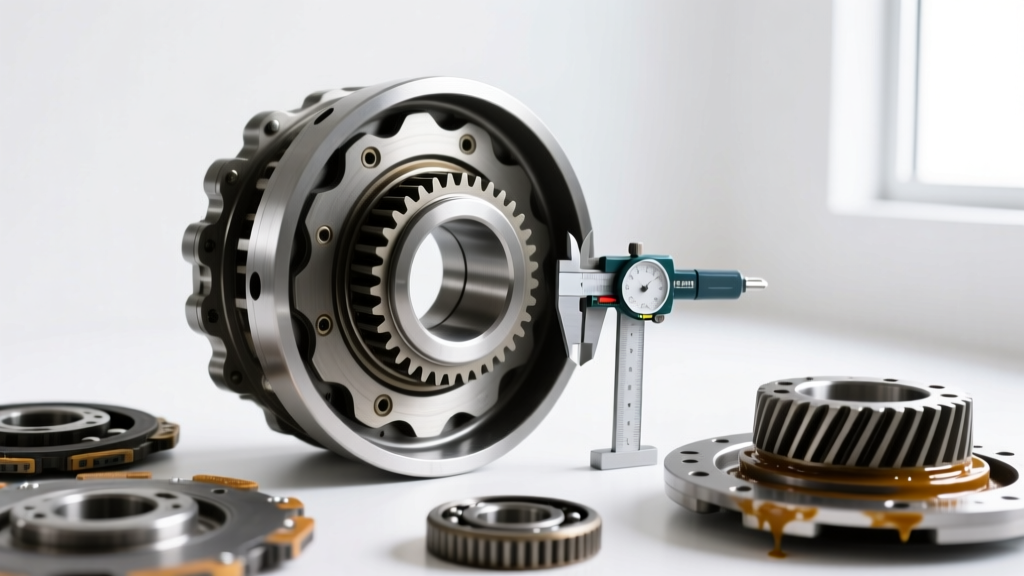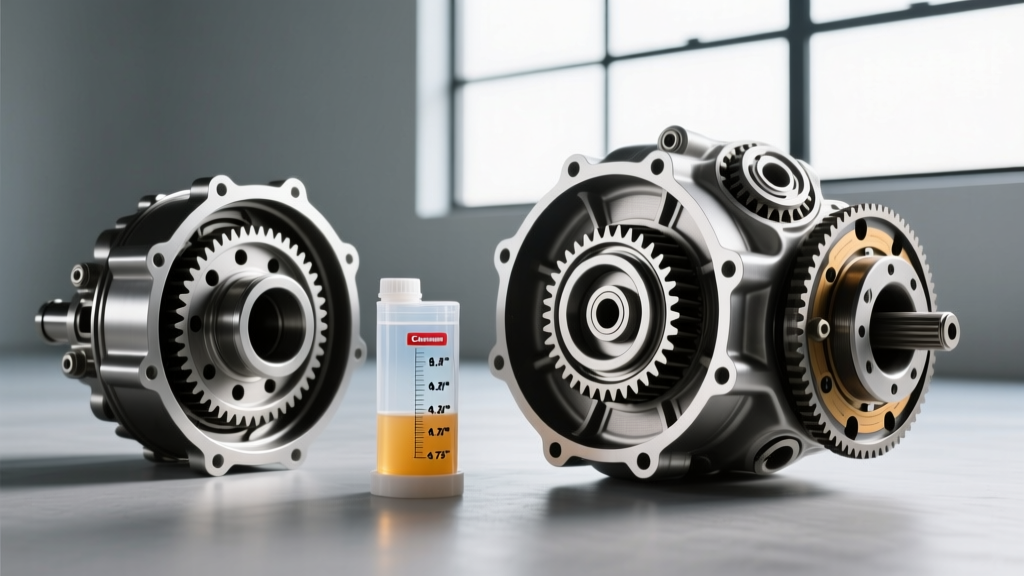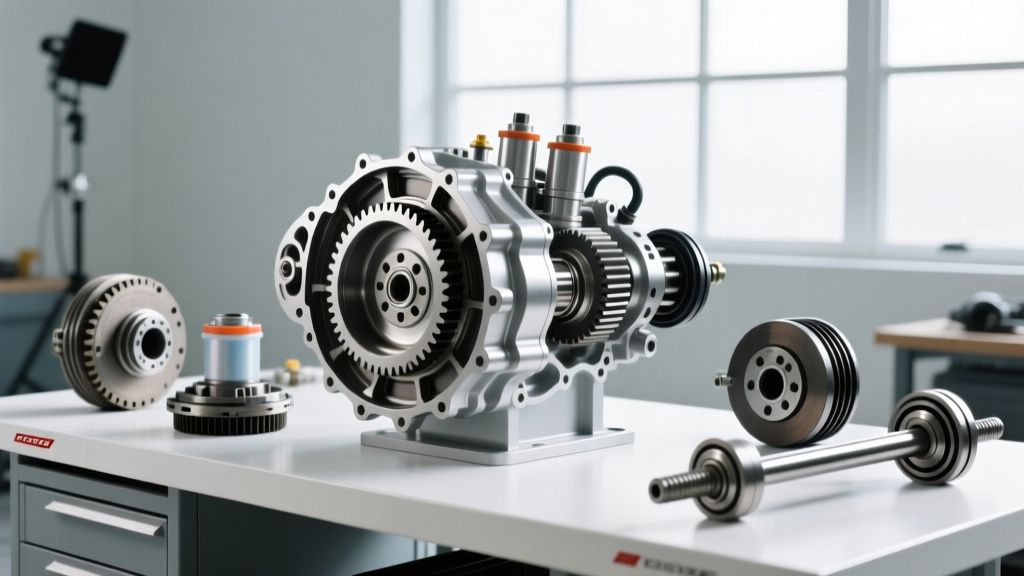
The Architecture: Dodge Charger Differential vs. Truck and SUV Axles
When automotive enthusiasts discuss rear-wheel-drive performance, the Dodge Charger differential is frequently the gold standard. Specifically, the American Axle & Manufacturing (AAM) 8.8-inch and 9.25-inch rear ends found in Scat Pack and Hellcat models are legendary for handling immense torque. However, what many owners overlook is that this exact same axle DNA forms the backbone of modern performance trucks and SUVs. Vehicles like the Dodge Durango SRT, Jeep Grand Cherokee Trackhawk, and various Ram 1500 configurations utilize heavily reinforced variants of these same AAM platforms, often paired with the robust ZF 8HP transmission family.
While the fundamental ring and pinion architecture is shared, the maintenance and upgrade requirements for trucks and SUVs diverge significantly from their sedan counterparts. A 4,500-pound performance SUV or a 6,000-pound towing truck places vastly different shear, thermal, and lateral loads on the differential fluid and carrier bearings. In 2026, as factory horsepower numbers in trucks continue to climb and towing capacities expand, applying Charger-derived performance logic to truck and SUV axle maintenance is no longer optional—it is a mechanical necessity.
Shared DNA: The AAM 8.8 and 9.25 Platforms
The Dodge Charger differential typically relies on the AAM 8.8-inch rear end for standard V8 applications, stepping up to larger variants for supercharged models. In the truck and SUV segment, the AAM 9.25-inch is the undisputed workhorse. Both share similar internal geometries, spline counts (typically 32-spline axle shafts), and clutch-type limited-slip differentials (LSD). Understanding this shared lineage allows truck and SUV owners to borrow high-performance maintenance schedules, fluid specifications, and cooling solutions directly from the Charger aftermarket ecosystem.
Heavy-Duty Fluid Dynamics: Selecting the Right Gear Oil
Differential maintenance for trucks and SUVs begins and ends with fluid selection. Factory gear oils are engineered for NVH (Noise, Vibration, and Harshness) reduction and baseline fuel economy, not for the extreme shearing forces generated by heavy vehicles launching from a stop or towing up steep grades. The clutch packs inside the OEM limited-slip differentials require precise friction modifiers to prevent chatter, but the base oil must maintain its viscous film strength under high thermal loads.
For heavy SUVs and light trucks, stepping away from the standard Mopar 75W-85 and moving to a dedicated synthetic 75W-90 or 75W-110 gear oil is a critical upgrade. Synthetic formulations utilize uniform molecular chains that resist thermal breakdown, keeping the ring and pinion gears separated even when differential housing temperatures exceed 230°F.
2026 Gear Oil Comparison for Performance SUVs and Trucks
| Fluid Brand / Type | Viscosity | Best Application | Est. Price (Per Quart) |
|---|---|---|---|
| Mopar OEM Synthetic | 75W-85 | Stock replacements, daily driving, light towing | $14.50 |
| Amsoil Severe Gear | 75W-90 | Performance SUVs, track use, heavy towing | $18.99 |
| Red Line 75W-90 NS | 75W-90 | Aftermarket TrueTrac / Helical LSD upgrades | $22.50 |
| Motul Gear 300 | 75W-90 | High-heat track SUVs, extreme shock loads | $26.00 |
Note: If your truck or SUV retains the factory clutch-type LSD, you must add a friction modifier (such as Mopar P/N 4318060AD) to prevent clutch chatter. If you have upgraded to a helical gear LSD like the Eaton Detroit Truetrac, friction modifiers are strictly prohibited, as they reduce the mechanical bite of the gears. For more on synthetic gear oil formulations, consult the Amsoil Automotive Gear Lube technical data.
Thermal Management: Cooling the Ring and Pinion
The greatest enemy of truck and SUV differentials is heat. Unlike the Dodge Charger, which benefits from lower ride heights and integrated aerodynamic undertrays that channel air over the rear axle, trucks and SUVs suffer from poor undercarriage airflow. When towing a 7,000-pound trailer or doing repeated highway pulls, differential fluid temperatures in an SUV can easily spike past 260°F, rapidly degrading the fluid and softening the bearing races.
Finned Covers and Active Pump Systems
Borrowing directly from the Charger Hellcat and Durango SRT parts bin, installing an active differential cooler is the single most impactful upgrade for truck and SUV owners. The Mopar Differential Cooler Kit (P/N 82215153AD) features a thermostatically controlled pump that draws fluid from the axle housing, pushes it through a front-mounted heat exchanger, and returns it to the pinion bearing area. This active circulation not only drops fluid temperatures by 30°F to 50°F but also ensures a constant supply of pressurized oil to the critical pinion bearings, which are often starved during steep inclines.
For budget-conscious builds, a cast-aluminum finned differential cover (such as those from Mag-Hytec or AFE Power) increases fluid capacity by up to 1.5 quarts and provides passive convective cooling. While not as effective as an active pump, the extra fluid volume significantly delays thermal saturation during heavy hauling.
Mechanical Upgrades: Truetrac and Spline Counts
Factory clutch-type limited-slip differentials are notorious for wearing out in heavy vehicles. The sheer weight of a truck or SUV accelerates the degradation of the friction discs, eventually turning the LSD into an open differential. When performing major differential maintenance, upgrading the carrier is highly recommended.
Expert Insight: The Eaton Detroit Truetrac (P/N 911A589 for the AAM 8.8 / 9.25 platforms) is the ultimate upgrade for performance trucks and SUVs. Unlike clutch-based LSDs or locking lockers, the Truetrac uses a helical gear design to multiply torque to the wheel with traction. It requires zero maintenance, no friction modifiers, and operates silently on the highway—making it vastly superior for daily-driven SUVs and towing trucks.
Furthermore, while the Dodge Charger differential usually relies on 32-spline axle shafts, the increased unsprung weight and larger tires found on trucks create massive torsional stress. If you are running 35-inch tires on a Ram 1500 or a lifted Jeep, upgrading to aftermarket 35-spline or 40-spline chromoly axle shafts from manufacturers like Strange Engineering or G-Force is mandatory to prevent catastrophic spline shearing under load. For a full breakdown of helical vs. clutch differentials, review the engineering specs at Eaton Performance Differentials.
Step-by-Step Truck & SUV Differential Service Protocol
Proper maintenance requires precision. The AAM axles found in these vehicles do not always feature a traditional drain plug; many require the rear cover to be removed to drain the fluid. Follow this exact protocol to ensure a leak-free service and proper bearing preload retention.
Required Tools and Materials
- 13mm and 15mm sockets (for AAM cover bolts)
- 3/8-inch drive torque wrench (inch-pounds and foot-pounds capable)
- Gasket scraper and brake cleaner
- RTV Silicone (Permatex Black or Mopar Axle Sealant)
- Fluid transfer pump
- 2.5 to 3.0 Quarts of 75W-90 Synthetic Gear Oil
The Service Sequence
- Preparation: Drive the vehicle for 15 minutes to warm the gear oil, allowing it to flow freely and suspend metallic particulates. Safely support the truck or SUV on jack stands, ensuring the rear axle is hanging freely to relieve binding on the CV joints and suspension.
- Cover Removal: Place a large catch pan beneath the differential. Loosen the 13mm/15mm cover bolts in a crisscross pattern. Leave the top two bolts loosely threaded, then use a flathead screwdriver to gently pry the bottom edge of the cover, allowing the fluid to drain without spilling over the lip.
- Inspection: Once drained, inspect the fluid for excessive glitter (normal fine metallic paste is acceptable; large chips indicate bearing or gear failure). Check the ring gear for pitting or uneven wear patterns.
- Cleaning: Scrape all old RTV material from the housing and cover mating surfaces. Clean both surfaces thoroughly with brake cleaner. Warning: Do not allow brake cleaner to pool inside the differential housing, as it will degrade the new gear oil and damage the LSD clutches.
- Sealing: Apply a continuous 3mm bead of Permatex Black RTV to the cover. Wait 10 minutes for the RTV to skin over before installation to prevent silicone from squeezing into the oil bath and clogging the pickup.
- Torque Specifications: Reinstall the cover and hand-thread all bolts. Torque the cover bolts to 35 lb-ft in a star pattern. If your specific AAM axle features a separate fill plug, torque it to 25 lb-ft.
- Filling: Pump the new 75W-90 gear oil (and friction modifier, if applicable) into the fill hole until the fluid reaches the bottom of the plug threads. For a Durango SRT or Ram 1500, expect a capacity of roughly 2.2 to 2.4 quarts.
Final Thoughts on Drivetrain Longevity
Treating your truck or SUV's rear axle with the same respect and performance-oriented mindset as a Dodge Charger differential is the key to unlocking long-term reliability. By upgrading to high-shear synthetic fluids, implementing active thermal management, and replacing aging clutch-pack LSDs with helical gear units, you transform a vulnerable factory component into an indestructible asset. Whether you are launching a 5,000-pound performance SUV on the drag strip or towing a camper through the Rockies, these precise maintenance protocols ensure your ring and pinion will handle the torque for hundreds of thousands of miles. Always verify specific part numbers and torque specs via the Mopar Official Parts Catalog for your exact VIN and axle ratio configuration.