The True Cost of Cat C15 Fan Clutch Sensor Replacements in 2026
In the heavy-duty diesel sector, the Caterpillar C15 remains a legendary workhorse, whether you are running an older pre-Acert model or a later Acert variant (SDP, NXS, MXS prefixes). However, managing engine temperatures and parasitic drag relies heavily on a precise network of components, with the cat c15 fan clutch sensor acting as a critical node. When this sensor fails, the engine control module (ECM) defaults the fan clutch to a locked state to prevent catastrophic overheating. But what happens when you replace the sensor, and the clutch problems persist?
Post-repair fan clutch engagement issues are a massive drain on fleet budgets in 2026. A botched sensor swap or misdiagnosed wiring fault doesn't just trigger a check engine light; it creates severe parasitic drag, robbing the engine of up to 40-60 horsepower and destroying fuel economy. This comprehensive cost analysis and diagnostic guide breaks down why post-replacement clutch problems occur, the exact financial impact of these failures, and the technical specifications required to fix them right the first time.
Why Post-Repair Fan Clutch Problems Occur
When a fleet manager or owner-operator replaces a faulty coolant temperature or fan speed sensor, the expectation is an immediate return to normal ECM-controlled fan cycling. When the fan clutch remains locked (roaring constantly) or free-wheels (causing overheating) after the repair, the root cause usually falls into one of three categories:
- Aftermarket Sensor Resistance Mismatches: The Cat ECM expects a highly specific thermistor resistance curve. Many cheap aftermarket sensors use generic curves that cause the ECM to read implausible data, triggering a fail-safe locked fan.
- Harness Chafing and Pinout Tension: The C15 engine vibrates heavily. If the new sensor pigtail was zip-tied too tightly to the fan shroud or block, the 5V reference wire can short to ground, instantly blowing the ECM's internal 5V logic board.
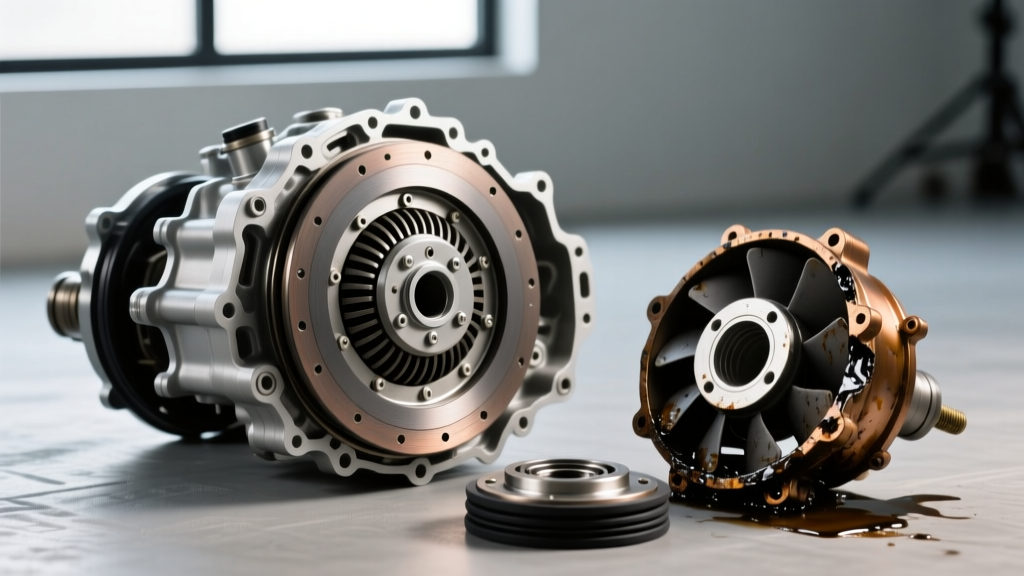
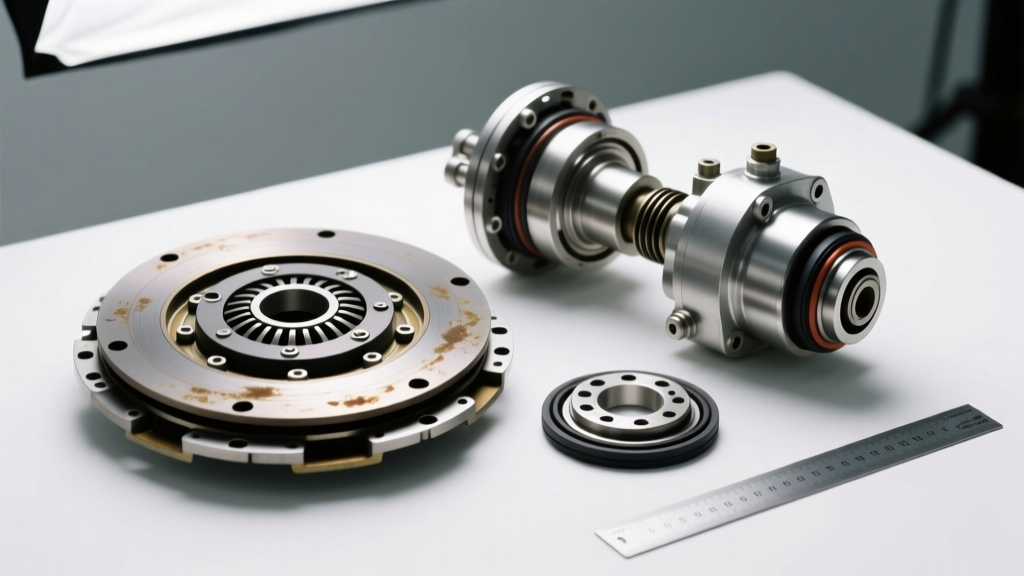
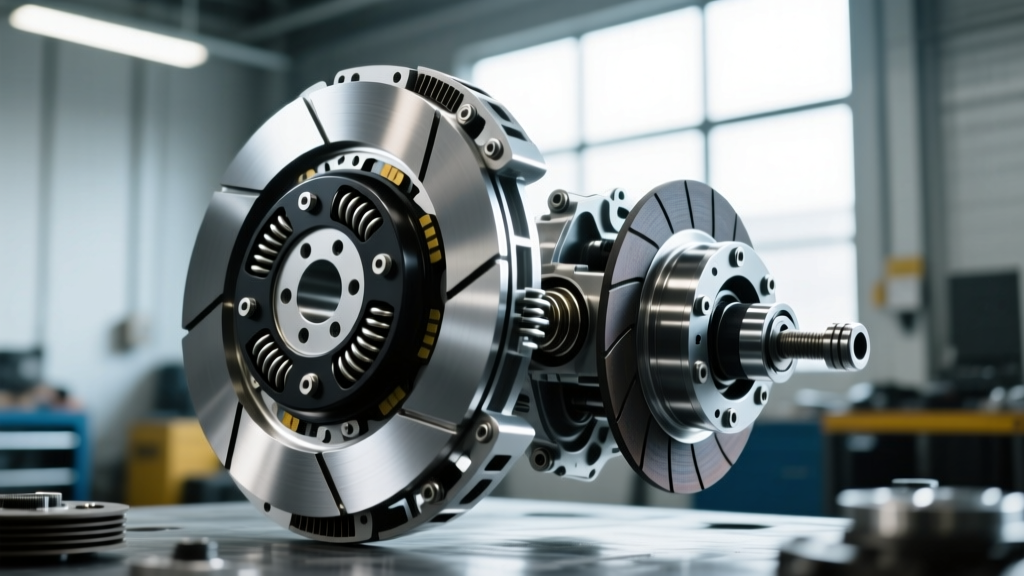
- Electromagnetic Air Gap Degradation: On models utilizing an electromagnetic fan clutch rather than a purely viscous one, replacing the sensor without checking the clutch's physical air gap can result in the ECM commanding engagement, but the magnetic field failing to pull the friction disc.
Expert Insight: Never clear the ECM codes and immediately test drive the truck after a sensor swap. You must use Cat ET (Electronic Technician) to monitor the 'Fan Speed' and 'Coolant Temp' status screens in real-time while the truck is idling and under a PTO load to verify the clutch is actually responding to the new sensor's data.
Post-Replacement Symptom to Root Cause Matrix
| Post-Repair Symptom | Active/Logged CID/FMI Code | Probable Root Cause |
|---|---|---|
| Fan stays locked ON (100% duty cycle) | CID 0190 FMI 03 / CID 0342 FMI 05 | Short to battery on signal wire, or aftermarket sensor resistance out of bounds. |
| Fan free-wheels, engine overheats under load | CID 0342 FMI 06 | Open circuit in solenoid ground, or debris blocking the electromagnetic clutch gap. |
| Intermittent fan roaring at highway speeds | CID 0100 FMI 18 (Low Oil Pressure) cross-fault | Sensor wiring harness rubbing against the oil cooler housing, causing voltage drop. |
2026 Price Breakdown: Fixing a Botched Sensor Job
Understanding the financial impact of a misdiagnosed cat c15 fan clutch sensor is crucial for fleet accounting. In 2026, heavy-duty diesel shop rates have climbed, and the cost of parasitic drag is higher than ever due to diesel fuel prices. Below is a detailed breakdown of the costs associated with diagnosing and rectifying a post-repair fan clutch failure.
Parts and Labor Cost Matrix (2026 Estimates)
| Component / Service | OEM / Genuine Cat Cost | Aftermarket Cost | Avg. Labor Time |
|---|---|---|---|
| Coolant Temp Sensor (e.g., 264-4297) | $95 - $140 | $35 - $65 | 0.5 Hours |
| Fan Clutch Solenoid / Wiring Pigtail | $180 - $250 | $85 - $120 | 1.5 Hours |
| Complete Electromagnetic Fan Clutch Hub | $1,400 - $2,600 | $800 - $1,200 | 3.5 - 5.0 Hours |
| ECM 5V Logic Board Repair (if shorted) | $800 - $1,200 (Reman ECM) | $400 (Third-party ECM repair) | 2.0 Hours |
| Heavy-Duty Diagnostic Rate (2026) | $175 - $245 per hour | Varies | |
The Hidden Cost: Parasitic Drag and Fuel Economy Loss
If a post-repair issue causes the fan clutch to remain locked, the financial bleed extends far beyond the repair invoice. A locked fan clutch on a Cat C15 draws roughly 40 to 60 horsepower from the crankshaft.
Let's calculate the real-world cost of driving a truck with a locked fan clutch for just 10,000 miles while waiting for a diagnostic appointment:
- Normal Fuel Economy: 6.5 MPG
- Fuel Economy with Locked Fan: ~5.6 MPG (approx. 14% loss)
- Fuel Consumed (Normal): 1,538 Gallons
- Fuel Consumed (Locked Fan): 1,785 Gallons
- Extra Fuel Used: 247 Gallons
- Financial Loss (at $4.50/gal): $1,111.50 burned out the stack.
This $1,100+ loss highlights why spending an extra $80 on a Genuine Cat sensor and paying for a proper 1-hour Cat ET diagnostic session is vastly more economical than guessing and running the truck with a locked clutch.
Technical Specifications & Installation Torque Data
To prevent post-repair leaks, sensor housing cracks, and thread stripping, technicians must adhere to strict Caterpillar torque specifications. The C15 block and cylinder head castings are robust, but the sensor bungs and aluminum housings can be easily damaged by overzealous impact tools.
- Coolant Temperature Sensor Thread Size: Typically 5/8"-18 UNF (verify specific engine serial number prefix, as some late Acert models use M22x1.5 metric threads in the thermostat housing).
- Installation Torque (Brass Body Sensors): 25 Nm (18 lb-ft). Never exceed 30 Nm, or you risk cracking the sensor casing internally, leading to immediate post-repair coolant leaks into the electrical connector.
- Fan Hub Mounting Bolts: If the clutch assembly was removed to access rear sensors, the fan hub to water pump pulley bolts must be torqued to 115 Nm (85 lb-ft) using blue Loctite 243.
- Sensor Pinout (3-Wire Harness): Pin A (5V Reference), Pin B (Signal Return), Pin C (Sensor Ground). Always test Pin A to Pin C with a multimeter before plugging in the new sensor to ensure you have a clean 4.8V - 5.1V reference.
Diagnostic Steps When the New Sensor Fails
If you have installed a brand new OEM cat c15 fan clutch sensor and the clutch is still not engaging or disengaging properly, follow this advanced diagnostic workflow using Cat ET and a digital multimeter (DMM).
Step 1: Verify the 5V Reference Circuit
Disconnect the sensor harness. Turn the key to the ON position (engine OFF). Back-probe the harness connector. You must read exactly 5.0V (+/- 0.2V) between the reference wire and the ground wire. If you read 0V, you have a broken wire between the ECM and the sensor, or the ECM's internal 5V supply has shorted out due to a previous chafing incident.
Step 2: Perform an Active Fan Override Test
Connect the Caterpillar ET software via the 9-pin Deutsch diagnostic connector. Navigate to the 'Diagnostics' menu and select 'Fan Override'. Command the fan to 100% duty cycle. Listen for the heavy mechanical 'clunk' of the electromagnetic solenoid engaging. If the software commands 100%, but the fan speed sensor reads 0 RPM or idle RPM, your problem is not the temperature sensor—it is a failed fan clutch solenoid or a sheared friction disc inside the clutch hub.
Step 3: Inspect the Air Gap (Electromagnetic Clutches)
For C15 models equipped with electromagnetic clutches, the air gap between the armature and the rotor is critical. Over time, wear and thermal cycling change this gap. Use a feeler gauge to measure the gap through the inspection holes. The specification is generally 0.020" to 0.030" (0.5mm - 0.75mm). If the gap is too wide, the magnetic field generated by the new sensor's signal cannot physically pull the clutch plate into engagement, resulting in an overheating engine despite a perfectly functioning sensor network.
Sourcing Reliable Parts and Information
When dealing with post-repair drivetrain and engine cooling clutch issues, relying on accurate data is non-negotiable. Fleet managers and independent mechanics should always cross-reference their engine serial numbers with official documentation. You can verify exact part numbers and torque specs via the official Cat Parts Store. Additionally, engaging with heavy-duty diesel communities like the Trucker's Report Forums can provide real-world insights into aftermarket sensor reliability and common harness chafe points specific to your truck's chassis configuration (e.g., Peterbilt 389 vs. Kenworth W900 routing differences).
Final Verdict on Post-Repair Clutch Diagnostics
Replacing a cat c15 fan clutch sensor is rarely as simple as 'unbolt and replace.' The integration between the sensor, the wiring harness, and the ECM's thermal management logic requires a methodical approach. By understanding the 2026 cost implications of parasitic drag, adhering to strict torque specifications, and utilizing Cat ET for active testing, you can eliminate post-repair clutch problems, protect your engine from thermal degradation, and keep your fuel economy intact.