The 'Clutch Cartier' Autocorrect: Understanding Severe Engagement Chatter
If you have found yourself frantically searching for 'clutch cartier' after your modified car violently shuddered upon takeoff, you are not alone. Voice-to-text software and smartphone autocorrect frequently mangle the term clutch chatter into this luxury-sounding typo. However, there is nothing luxurious about the violent, bucking torsional oscillation that defines true clutch chatter. In the performance and upgrade space, chatter is the number one complaint when enthusiasts transition from OEM dual-mass flywheel (DMF) setups to aggressive single-mass flywheel (SMF) and multi-disc clutch kits.
Clutch chatter is fundamentally a friction-induced harmonic resonance. It occurs when the coefficient of friction (CoF) between the clutch disc and the flywheel surfaces fluctuates rapidly during the engagement phase. Instead of a smooth transition from slip to lock, the disc grabs, stops the input shaft momentarily, and then slips again. This cycle repeats dozens of times per second, sending severe shockwaves through the transmission bellhousing, engine mounts, and ultimately, the vehicle chassis. For vehicles equipped with robust manual transmissions like the Tremec T56 Magnum or the ZF S6-650, diagnosing and curing this vibration requires a deep understanding of drivetrain harmonics and precision assembly.
The Physics of Performance: Why Upgrades Amplify NVH
To diagnose chatter, we must first understand why your performance upgrade caused it. OEM engineers prioritize NVH (Noise, Vibration, and Harshness) reduction. They achieve this using heavy dual-mass flywheels and organic friction materials with high marcel (wave) springs. When you upgrade to a performance clutch, you systematically dismantle these dampening mechanisms to achieve faster revving and higher torque capacity.
The Lightweight Flywheel Dilemma
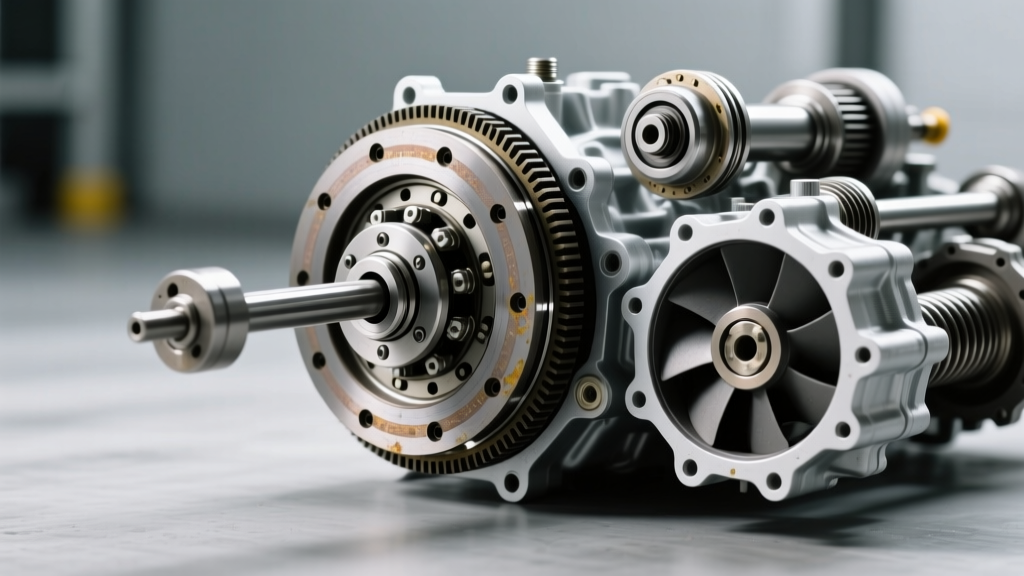
Replacing a 35-pound steel DMF with an 11-pound chromoly aluminum SMF (such as those from Fidanza or ACT ProLite) drastically reduces rotational inertia. While this allows the engine to rev freely and improves throttle response, it removes the primary thermal and harmonic sink in the drivetrain. Internal combustion engines do not produce smooth, continuous power; they produce violent, pulsating torque spikes with every cylinder firing. A lightweight flywheel lacks the mass to absorb these torsional spikes, transmitting them directly into the clutch disc and transmission input shaft. If the clutch disc lacks adequate internal dampening (sprung hub marcel springs), the result is severe low-RPM chatter.
Friction Material Dynamics: Organic vs. Cerametallic
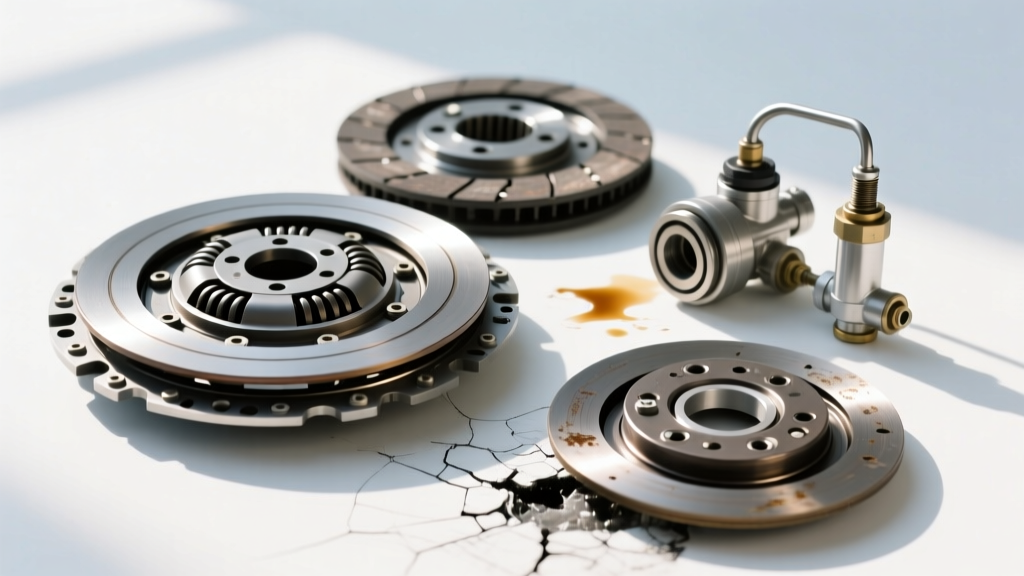
The friction material dictates the initial bite characteristics. Aggressive materials like cerametallic or sintered iron possess a high static CoF but a lower dynamic CoF. This differential causes a 'stick-slip' phenomenon during engagement. Below is a diagnostic comparison chart to help you select the right material for your build, balancing grip with streetability.
| Friction Material | Avg. CoF | Max Torque Rating | Chatter Propensity | NVH Level | Ideal Application |
|---|---|---|---|---|---|
| Full-Face Organic | 0.35 | 450 lb-ft | Low | OEM-Like | Street / Mild Bolt-ons |
| Kevlar / Aramid | 0.40 | 600 lb-ft | Moderate | High (requires break-in) | Track Days / High-Revving NA |
| Cerametallic (Puck) | 0.45 | 850 lb-ft | High | Severe | Forced Induction / Drag |
| Sintered Iron | 0.55+ | 1200+ lb-ft | Extreme | Race-Only | Purpose-Built Race Cars |
Note: Data compiled from ACT Clutches Technical Resources and industry dynamometer testing standards.
Step-by-Step Chatter Diagnosis for Modified Transmissions
Before tearing down the transmission to replace a clutch, you must isolate the vibration. True clutch chatter only occurs during the engagement window (typically between 1,200 and 2,200 RPM in first or reverse gear). If the vibration persists at a steady cruising speed or changes with vehicle velocity rather than engine RPM, you are dealing with a driveline harmonic issue (e.g., worn U-joints, incorrect pinion angle, or a bent axle), not the clutch.
1. Inspecting the Pilot Bearing and Input Shaft
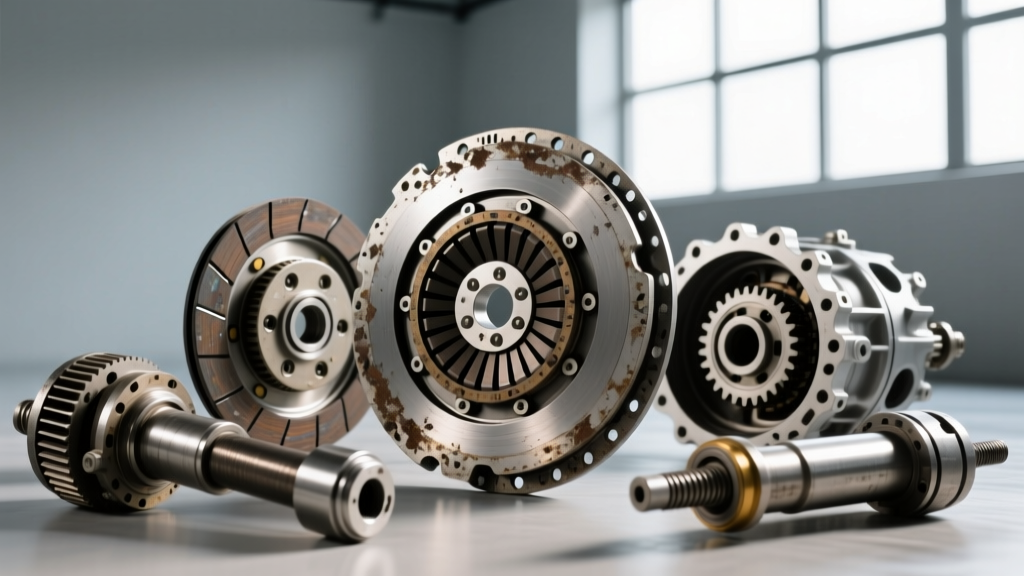
A failing pilot bearing is a notorious, often-overlooked cause of chatter. The pilot bearing supports the tip of the transmission input shaft, keeping it perfectly concentric with the engine crankshaft. If the bearing is worn, galled, or improperly sized, the input shaft will wobble under load. This misalignment forces the clutch disc to engage at an angle, causing uneven friction and violent shuddering. When upgrading a transmission (e.g., swapping a TH350 auto to a T56 manual), ensure you are using the correct pilot bushing or bearing. The interference fit should be precisely 0.001 to 0.003 inches. Always use a high-temperature synthetic grease on the input shaft splines, but never allow grease to contaminate the pilot bearing or friction surfaces.
2. Flywheel Runout and Surface Finish (Ra)
If you are reusing a flywheel or having a new one machined, the surface finish is critical. A common mistake is machining a flywheel to a mirror finish. While smooth, a mirror finish lacks the microscopic 'teeth' required for initial friction material bedding, leading to slip-grab cycles (chatter). According to the TREMEC Clutch Installation Guide, flywheel surfaces must be machined to a specific Roughness Average (Ra):
- Organic / Kevlar Discs: 15 to 30 micro-inches Ra.
- Cerametallic / Sintered Iron Discs: 30 to 50 micro-inches Ra.
Additionally, total indicated runout (TIR) on the flywheel friction surface must not exceed 0.005 inches. Excessive runout causes the pressure plate fingers to pulse as the flywheel rotates, leading to uneven clamping force and chatter.
3. Engine and Transmission Mount Geometry
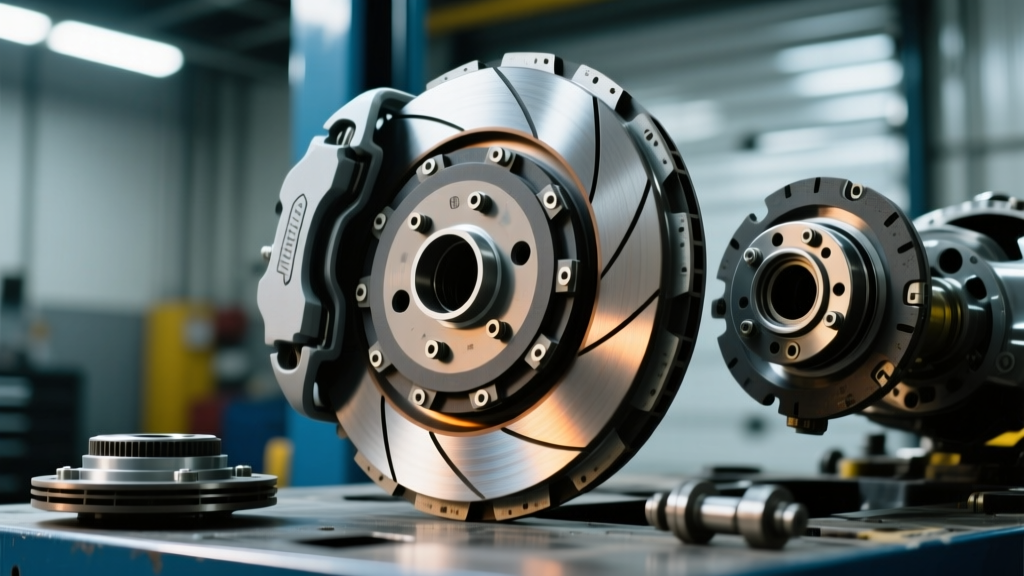
Performance builds often utilize solid aluminum or polyurethane engine and transmission mounts to prevent powertrain movement during hard launches. However, solid mounts eliminate the chassis's ability to absorb low-frequency torsional harmonics. If your clutch kit is borderline aggressive, solid mounts will amplify the perceived chatter inside the cabin by up to 400%. Upgrading to hydraulic-filled or high-durometer rubber mounts (like those from Hasport or Energy Suspension) can significantly dampen engagement harmonics without sacrificing shift precision.
Precision Assembly: Torque Specs and Clearances
Improper assembly is the final major culprit of post-upgrade chatter. The clamping load of the pressure plate must be perfectly even. If the flywheel bolts are torqued unevenly, the flywheel can distort, creating high and low spots on the friction surface.
- Flywheel to Crankshaft (ARP 8740/2000 Bolts): Typically 70-85 ft-lbs, using ARP Ultra-Torque assembly lubricant. Always apply a medium-strength thread locker (e.g., Loctite 243) to the bolt threads to prevent backing out under torsional load.
- Pressure Plate to Flywheel: Typically 25-35 ft-lbs. These MUST be torqued in a crisscross, star pattern in three progressive steps (e.g., 10 ft-lbs, 20 ft-lbs, final spec) to prevent warping the pressure plate diaphragm spring.
- Clutch Fork Pivot Ball: Ensure the pivot ball is adjusted so the release bearing maintains a 0.050 to 0.100-inch air gap from the pressure plate fingers at rest. A bearing that is constantly riding the fingers will cause premature wear and localized heat spots, leading to thermal warping and chatter.
For exact fastener yield and torque specifications, always cross-reference your specific hardware with the ARP Fastener Torque Specifications database, as aftermarket billet flywheels often require different torque values than OEM cast iron units.
Upgrade Paths: Curing Chatter Without Sacrificing Grip
If you have diagnosed the issue and determined that your current friction material is simply too aggressive for your street-driven application, you have a few upgrade paths to cure the vibration. First, consider switching to a sprung-hub cerametallic disc. The marcel springs built into the hub act as a secondary torsional damper, absorbing the initial shock of engagement and smoothing out the friction transition. Second, if you are running a lightweight chromoly flywheel, upgrading to a slightly heavier billet steel SMF (e.g., 18-22 lbs) will reintroduce enough rotational mass to stabilize idle and low-RPM engagement without severely impacting rev-matching performance.
Ultimately, curing the infamous 'clutch cartier' chatter requires treating the clutch, flywheel, and engine mounts as a single, cohesive harmonic system. By matching the correct friction material to your torque output, adhering to strict Ra surface finishes, and utilizing precision torque sequences, you can achieve a performance drivetrain that hooks violently on the track but remains manageable on the street.