The Mechanics of Cable-Actuated Carmelo Clutch Systems
When enthusiasts upgrade to a high-clamp-load Carmelo clutch kit—often featuring aggressive metallic friction materials and stiff diaphragm springs—the mechanical stress on the factory clutch cable increases exponentially. Standard OEM Bowden cables are engineered for factory pressure plates that typically exert 2,200 to 2,800 lbs of clamp load, translating to a manageable 35 to 45 lbs of pedal effort. However, a Stage 3 or Stage 4 Carmelo clutch assembly can generate clamp loads exceeding 4,200 lbs. This necessitates 75 to 95 lbs of pedal force, effectively doubling the tensile stress on the cable's inner steel strands.
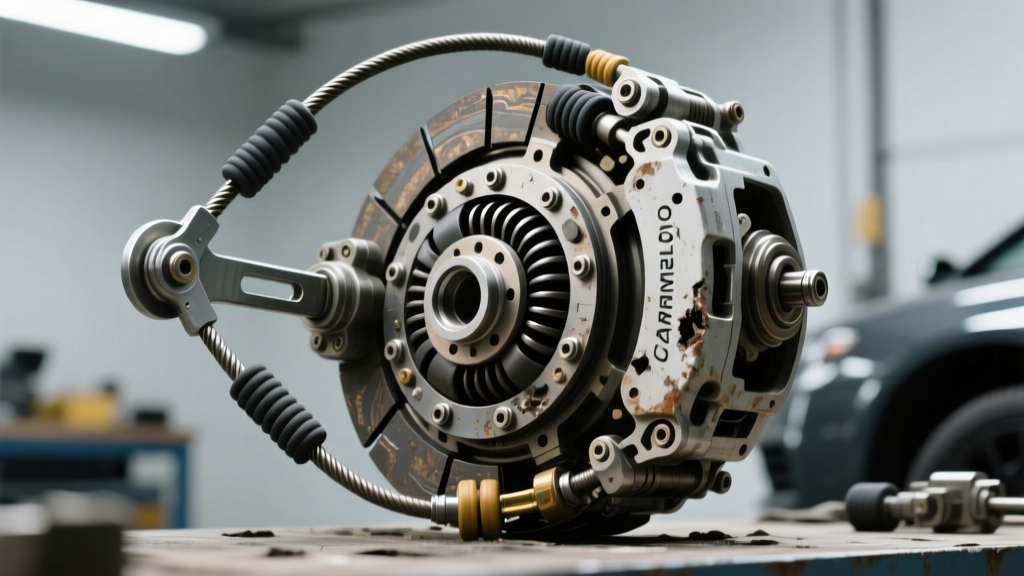
Understanding this mechanical reality is critical for accurate diagnostics and cost forecasting. The inner wire of a clutch cable (usually 1.5mm to 2.0mm galvanized or stainless steel) operates inside a steel-wound or PTFE-lined conduit. Under the extreme load of a Carmelo clutch, the inner wire is prone to micro-stretching, strand fatigue, and eventual fraying at the firewall or pedal box connection points. In 2026, diagnosing whether your drivetrain symptoms stem from worn friction material or a degraded cable is the first step in avoiding unnecessary transmission removal costs.
Symptom Isolation: Cable Degradation vs. Friction Wear
Misdiagnosing a failing cable as a worn Carmelo clutch disc is a common and expensive error. A premature clutch replacement can cost upwards of $1,200 in labor alone, whereas a cable replacement is a fraction of that cost. Use this diagnostic framework to isolate the failure point:
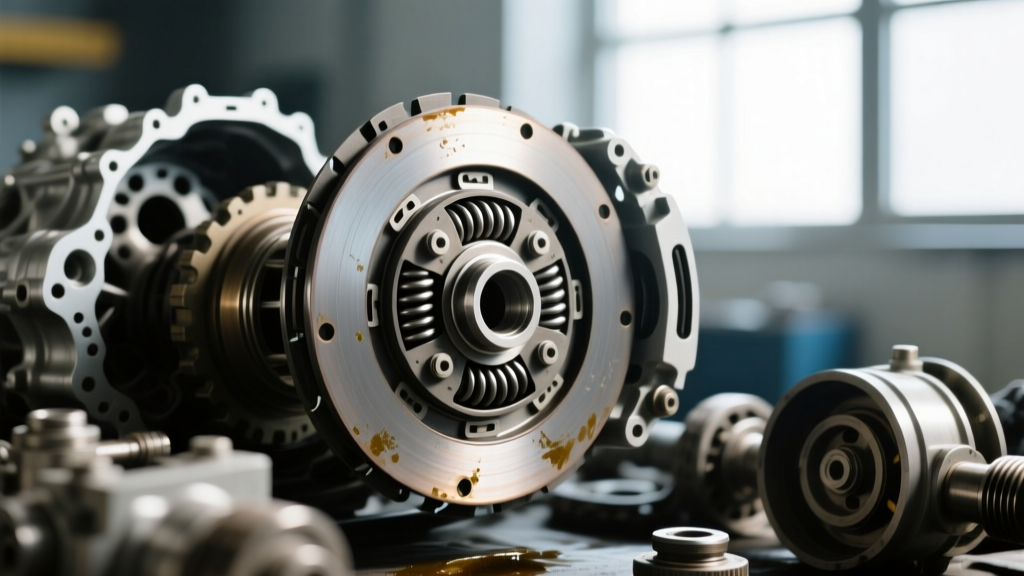
- High Pedal Engagement (Near the Top): This is the classic symptom of worn friction material. As the Carmelo clutch disc wears thinner, the release bearing must travel further to disengage the pressure plate, moving the pedal engagement point higher.
- Low Pedal Engagement (Near the Floor): This almost always indicates cable stretch or a failing self-adjusting quadrant. The inner wire has elongated, preventing the release fork from pulling the bearing far enough to fully disengage the clutch.
- Gear Crunching on Downshifts (Specifically 3rd to 2nd): Incomplete disengagement caused by a binding cable conduit or frayed inner strands catching inside the housing. The Carmelo clutch remains partially engaged, spinning the input shaft and overwhelming the synchronizers.
- Squeaking or Grinding at the Pedal Box: Usually indicative of a dry cable conduit, lack of lubrication at the pedal pivot, or shearing teeth on the plastic clutch quadrant gear.
2026 Cost Analysis & Price Breakdown
The cost to resolve clutch cable issues varies significantly based on whether you stick to OEM replacement parts, upgrade to heavy-duty aftermarket cables designed for Carmelo clutch kits, or opt for a hydraulic conversion. Below is the 2026 market pricing breakdown for parts and professional labor.
| Component / Service | Part Number / Type | Estimated 2026 Cost |
|---|---|---|
| OEM Replacement Cable | Factory Standard (e.g., Ford M-7553-A) | $45 - $85 |
| Carmelo Clutch HD Braided Cable | Carmelo Performance HD-Series | $130 - $175 |
| Billet Firewall Adjuster Kit | Aftermarket CNC Aluminum | $65 - $95 |
| Clutch Quadrant Replacement | OEM Plastic / Aftermarket Billet | $35 - $140 |
| Firewall Reinforcement Plate | Stamped Steel / Billet Aluminum | $25 - $45 |
| Professional Labor (Book Time) | Indie Shop (1.2 - 2.0 hrs) | $140 - $260 |
| Hydraulic TOB Conversion | Complete Kit (Master, Line, TOB) | $450 - $650 |
Note on Labor Variance: Rear-wheel-drive (RWD) platforms generally allow for cable replacement entirely from the engine bay and under-dash pedal box, keeping labor near the 1.2-hour mark. Front-wheel-drive (FWD) platforms often require the cable to be routed under the intake manifold and through tight firewall grommets, pushing labor times closer to 2.0 hours.
Precision Adjustment Protocol and Torque Specs
If you have installed a new cable or a billet firewall adjuster to manage your Carmelo clutch, precise adjustment is mandatory. Over-tightening the cable will cause the throwout bearing (TOB) to ride constantly on the pressure plate fingers, leading to catastrophic bearing failure and finger wear within 5,000 miles. Under-tightening will result in clutch drag and synchro damage.
- Measure Pedal Freeplay: Using a steel ruler, measure the distance the pedal pad moves before you feel resistance from the clutch fork. The specification for most heavy-duty setups is 0.50 to 0.75 inches (12mm to 19mm) of freeplay.
- Verify Release Fork Travel: Have an assistant depress the pedal while you measure the movement at the transmission release fork. You need a minimum of 0.45 inches (11.5mm) of travel before the TOB makes solid contact with the Carmelo clutch diaphragm fingers.
- Adjust the Firewall Nut: If using an adjustable firewall conduit, thread the adjuster in or out until the freeplay spec is met. Ensure the cable conduit is fully seated in the transmission bellhousing bracket.
- Secure the Locknut: Torque the billet aluminum locknut against the firewall adjuster to exactly 15 lb-ft (20 Nm). Warning: Over-torquing M10 aluminum locknuts will strip the anodized threads, requiring a $90 replacement kit.
- The 'Dead Pedal' Test: Start the vehicle in neutral. Depress the clutch fully and shift into reverse. If the transmission clunks or the car creeps, the cable is too loose. If the RPMs bog down slightly when the pedal is fully depressed, the cable is too tight and the TOB is riding the fingers.
Edge Cases: Quadrant Failure and Firewall Flex
When dealing with the immense pedal pressure of a Carmelo clutch, the cable is rarely the only weak link. The clutch quadrant (the gear mechanism behind the pedal that pulls the cable) and the firewall itself are highly susceptible to failure.
Plastic Quadrant Shearing
Many OEMs utilize nylon or plastic clutch quadrants to reduce weight and NVH (Noise, Vibration, and Harshness). Under the 85-lb pedal effort required by a performance Carmelo clutch, the plastic teeth will strip or shear entirely, resulting in a pedal that drops to the floor with zero resistance. While the OEM plastic part costs only $35, upgrading to a billet aluminum quadrant ($120-$140) is a mandatory insurance policy for high-clamp-load setups.
Firewall Pull-Through and Flex
The firewall sheet metal is designed to handle factory cable loads. The repeated stress of a heavy-duty clutch can cause the firewall to deform or 'flex' inward every time you press the pedal. This flex absorbs cable travel, leading to inconsistent disengagement and a spongy pedal feel. In severe cases, the firewall adjuster will pull completely through the sheet metal. Installing a stamped steel or billet firewall reinforcement plate ($25-$45) distributes the load across a wider surface area, preserving the structural integrity of the chassis and ensuring 100% of your pedal travel is translated to the Carmelo clutch release fork.
Authoritative References
For ongoing pricing baselines and OEM part number cross-referencing, consult the RockAuto Parts Catalog. For deeper technical standards regarding Bowden cable tensile strength and automotive conduit routing, refer to the engineering guidelines published by SAE International. Additionally, drivetrain upgrade compatibility and torque specifications can be verified through Ford Performance Parts technical documentation for legacy RWD platforms.