The Evolution of Automatic Transmission Clutch Diagnostics
When drivers report a 'rumble strip' vibration at highway speeds, novice mechanics often misdiagnose the issue as a suspension or wheel balance problem. However, as any seasoned transmission specialist knows, this is the hallmark symptom of Torque Converter Clutch (TCC) shudder. In 2026, the landscape of automatic transmission clutch diagnostics has been heavily influenced by both advanced multi-plate wet clutches and viral aftermarket fixes. One of the most debated solutions in the LS/LT swap and GM truck community is the carmela.clutch stepson adapter kit. This buyer's guide and diagnostic comparison will break down the mechanical realities of automatic transmission clutch failures, compare the viral stepson adapter against OEM and billet alternatives, and provide the exact torque specs and diagnostic frameworks needed to fix TCC shudder permanently.
Understanding Automatic Transmission Clutch Failures
Unlike manual transmissions that rely on a single dry friction disc, automatic transmissions utilize two distinct clutch systems: internal multi-plate wet clutch packs and the Torque Converter Clutch (TCC). Both are highly susceptible to unique failure modes.
Internal Clutch Packs (e.g., ZF 8HP and GM 10L80)
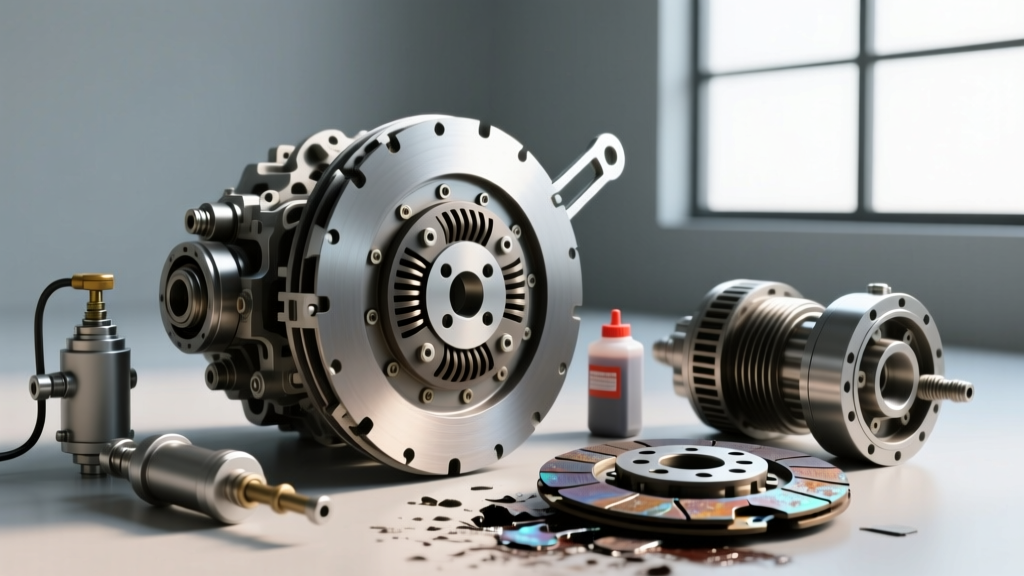
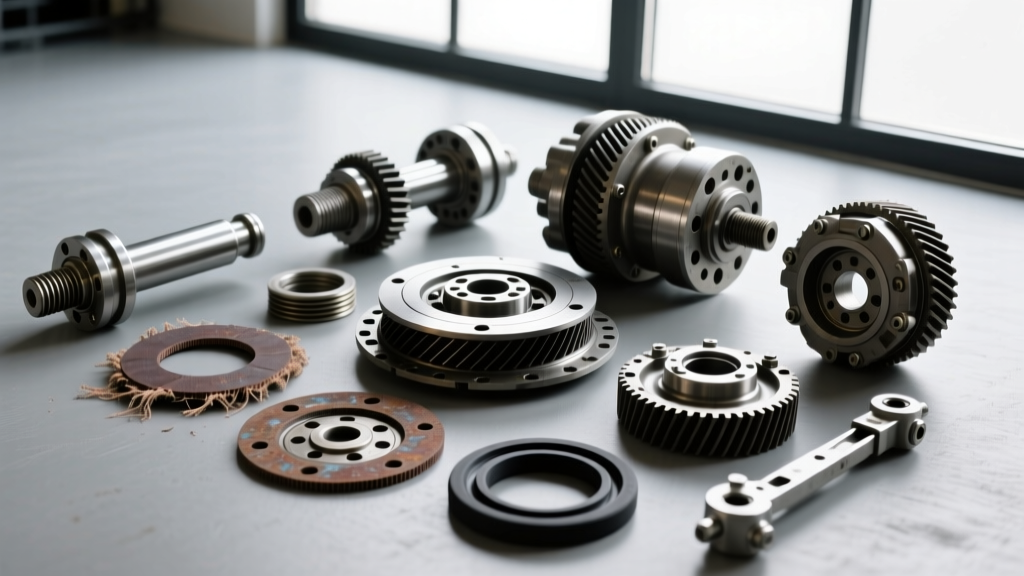
Modern automatics like the ZF 8HP45 or the GM 10L80 use precision multi-plate wet clutches for gear changes. These clutch packs operate in a bath of specialized fluid (such as ZF LifeguardFluid 8 or Dexron ULV). The primary failure mode here is not usually shudder, but rather flaring or slip during shifts. This occurs when the clutch apply piston seals harden, or when the friction material shears off the steel separator plates due to aggressive towing or neglected fluid intervals. By the time you see clutch pack debris in the transmission pan, a full tear-down and master rebuild kit (typically $450 to $800 for OEM friction and steel sets) is mandatory.
The Torque Converter Clutch (TCC) and 'Shudder'
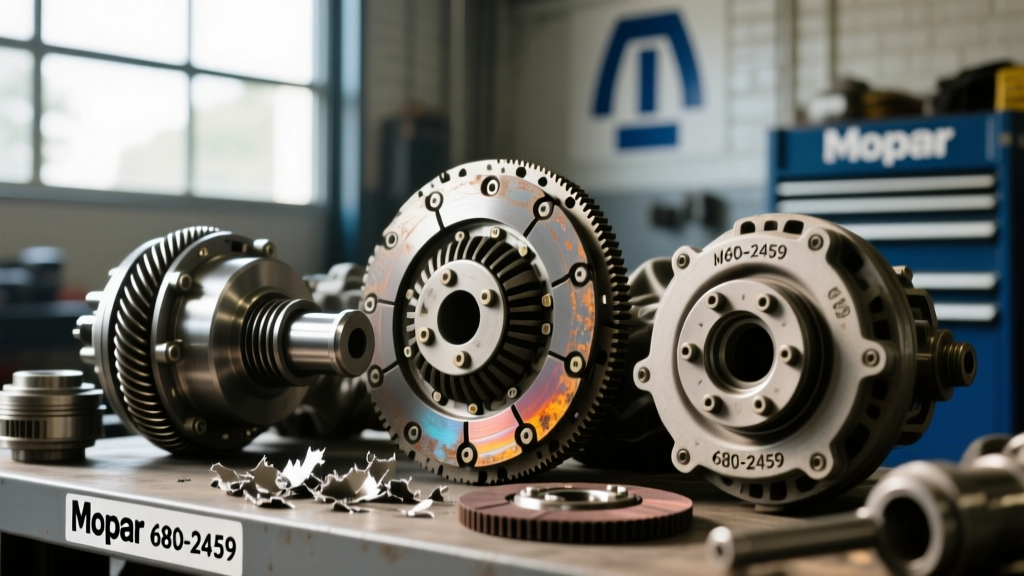
The TCC is responsible for locking the engine directly to the transmission input shaft at cruising speeds to eliminate parasitic fluid coupling losses and improve fuel economy. In GM's ubiquitous 6L80E and 8L90E transmissions, the TCC is a large, single-disc or multi-plate apply piston inside the torque converter. TCC shudder occurs when the clutch enters a 'stick-slip' friction state. Instead of locking up smoothly, the friction material rapidly grabs and releases. This transfers a violent 30-50 Hz torsional vibration directly through the driveline, mimicking the feeling of driving over highway rumble strips.
The 'Stepson' Phenomenon: Correcting Flexplate Step-Off
While degraded fluid (specifically depleted friction modifiers) is the most common cause of TCC shudder, a severe mechanical cause is improper flexplate-to-torque converter spacing, known as 'step-off' or 'step distance.' If the step-off is incorrect, the TCC piston cannot fully apply or drags against the converter cover, causing immediate shudder and premature friction material destruction.
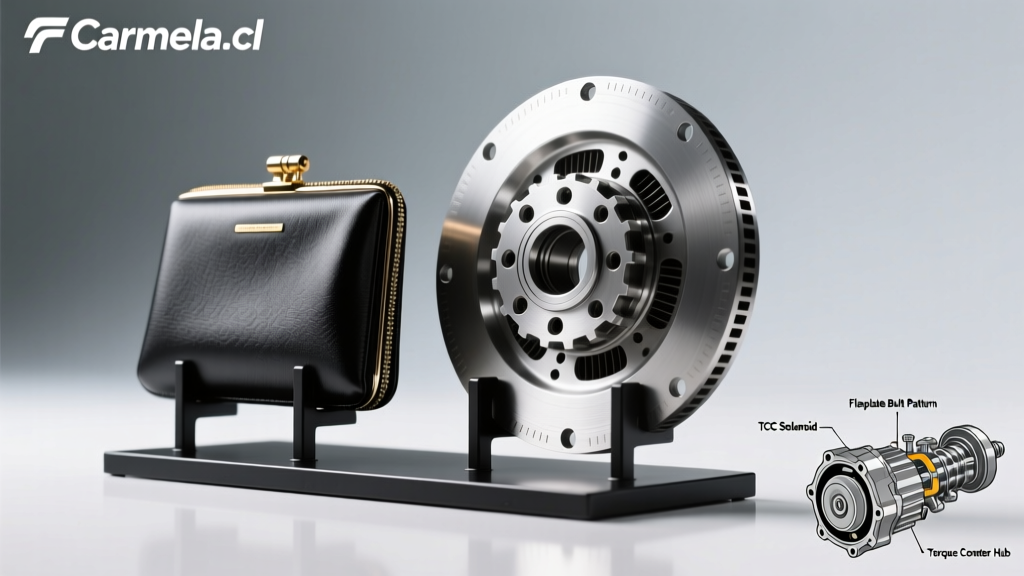
This is where the carmela.clutch stepson adapter enters the conversation. Originally popularized in the LS-swap and heavy-duty truck forums, the 'Stepson' is a precision-machined, stepped spacer ring designed to correct block-to-bellhousing depth variances. When swapping modern GM LT1/LT4 engines into older chassis, or when using aftermarket billet flexplates, the factory TCC apply clearance (which must be strictly between 0.010' and 0.025') is often compromised. The stepson adapter acts as a shim, restoring the exact factory step-off distance and allowing the TCC piston to achieve full hydraulic lockup without binding.
Buyer's Guide: TCC Shudder Solutions Compared
If your bi-directional scan tool confirms TCC slip rates exceeding 50 RPM at steady cruise, you must address the mechanical clearances and friction surfaces. Below is a 2026 comparison of the top solutions for GM and LS-based automatic applications.
| Solution Type | Product / Brand | Estimated Cost (2026) | Best Application | Pros & Cons |
|---|---|---|---|---|
| Stepped Adapter Kit | Carmela.clutch Stepson | $115 - $145 | LS/LT Swaps, mismatched flexplates | Pros: Fixes step-off without dropping trans; highly adjustable. Cons: Does not fix worn internal TC friction material. |
| OEM Replacement | GM OEM Flexplate (Part #12551367) | $85 - $110 | Stock replacement, factory block depths | Pros: Guaranteed factory fitment; reliable. Cons: Prone to cracking at high RPM; lacks stepped adjustability. |
| Performance TC | Precision Industries 'Stallion' Series | $895 - $1,250 | High HP towing, >600HP builds | Pros: Billet cover eliminates flex; multi-plate TCC. Cons: Expensive; requires transmission removal. |
| Valve Body Fix | Sonnax TCC Regulator Valve (10741-01K) | $65 - $85 | High-mileage 6L80E/8L90E with bore wear | Pros: Fixes hydraulic TCC apply leaks. Cons: Requires valve body removal and reaming tools. |
Diagnostic Framework: Verifying TCC Slip Rates
Before purchasing the carmela.clutch stepson kit or a new torque converter, you must definitively prove that the TCC is the source of the vibration. According to Sonnax Tech Resources, misdiagnosing TCC shudder as an engine misfire or driveline imbalance is a costly mistake. Follow this diagnostic protocol:
- Connect a Bi-Directional Scanner: Use a professional tool (e.g., Snap-on Zeus or Autel MaxiSys) to access the Transmission Control Module (TCM) live data.
- Monitor TCC Slip Speed: Drive the vehicle at 55-65 MPH in top gear with the TCC commanded 'ON'. The 'TCC Slip Speed' PID should read between 0 and 20 RPM. If the slip speed fluctuates wildly or reads >50 RPM, the clutch is failing to lock.
- Check TCC Apply Pressure: Compare the 'Commanded TCC Pressure' vs. 'Actual TCC Pressure'. A discrepancy of >20 PSI indicates a hydraulic leak, likely in the TCC regulator valve bore or the turbine shaft seals, rather than a mechanical step-off issue.
- The Brake Tap Test: While the shudder is occurring at 60 MPH, lightly tap the brake pedal. This signals the TCM to instantly release the TCC. If the vibration immediately vanishes, you have 100% confirmed a TCC friction or apply clearance issue.
Installation Torque Specs & Clearances
If your diagnostic data points to a mechanical step-off issue in a swapped or rebuilt application, installing an adapter ring requires strict adherence to torque specifications. Improper torque on the flexplate or torque converter bolts will lead to catastrophic harmonic failure.
- Flexplate-to-Crankshaft Bolts: 74 lb-ft (for GM LS/LT applications). Always use a new torque-to-yield bolt or apply Loctite 262 (Red) to the threads. Never rely on friction alone.
- Torque Converter-to-Flexplate Bolts: 35 lb-ft. Use Grade 8 or OEM flanged bolts. Ensure the converter is fully seated into the transmission oil pump (you should hear three distinct 'clunks' or drops when sliding the transmission to the engine block) before tightening.
- Step-Off Measurement: Use a straight edge across the bellhousing face and a depth micrometer to measure the distance to the torque converter mounting pads. The ideal step-off for most GM applications is 0.010' to 0.025' of clearance when the converter is fully seated in the pump. If it is flush or negative, the TCC will bind and shudder immediately.
Fluid Chemistry and the 'Stick-Slip' Phenomenon
Even with perfect mechanical clearances achieved via the stepson adapter, the chemical properties of the transmission fluid dictate TCC behavior. Modern automatic transmissions rely on highly specific friction modifiers to allow the TCC to slip microscopically (controlled slip) at low speeds for NVH (Noise, Vibration, and Harshness) damping. As noted in ZF Aftermarket Technical Information, the degradation of these friction modifiers over 60,000 miles alters the coefficient of friction, leading to the stick-slip shudder effect.
If you are performing a step-off correction or installing a new torque converter, a simple drain and fill is insufficient. You must perform a double-flush using the exact OEM-specified fluid (e.g., Dexron ULV for 8L90E/10L80). Using older Dexron VI in a ULV system will cause immediate clutch pack swelling and TCC apply failures due to the vastly different viscosity and friction modifier packages.
Final Verdict: Is the Stepson Adapter Worth It?
The carmela.clutch stepson adapter is not a magic cure for worn internal friction materials or failed TCC solenoids. However, for engine swap enthusiasts, custom fabrication shops, and rebuilders dealing with LS/LT mating variances, it is an indispensable, cost-effective tool. By restoring the critical 0.020' step-off clearance, the stepson adapter allows the TCC hydraulic piston to operate within its designed parameters, eliminating the mechanical binding that causes severe driveline shudder. For daily driven, bone-stock vehicles experiencing TCC shudder, start with a fluid exchange and a Sonnax valve body inspection before turning a single wrench on the flexplate. For further diagnostic flowcharts and TCC hydraulic schematics, technicians should consult GM TechConnect for the latest OEM service bulletins regarding torque converter apply strategies.