The Core Debate: Hydrodynamic Torque Converter vs. Friction Clutch
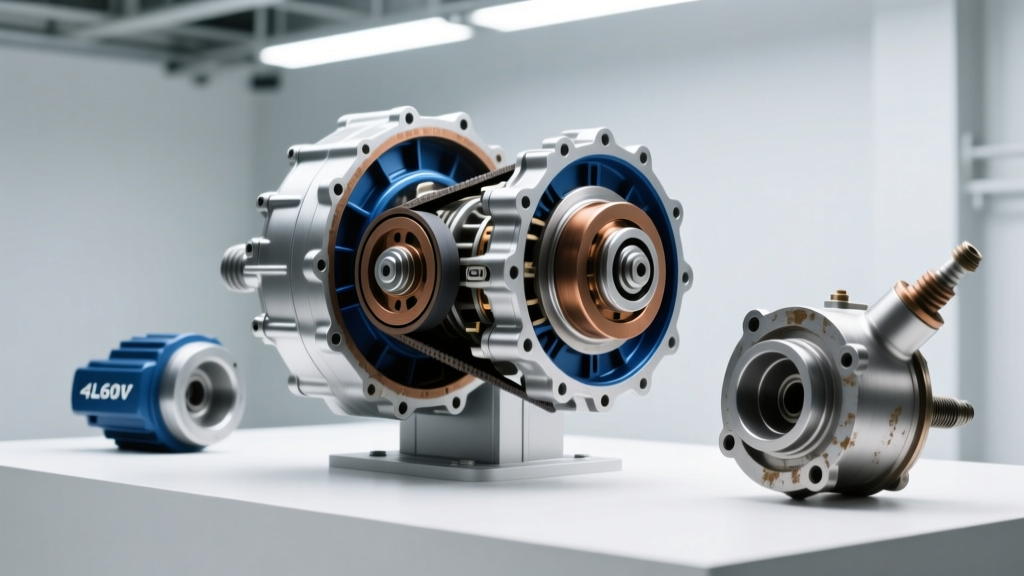
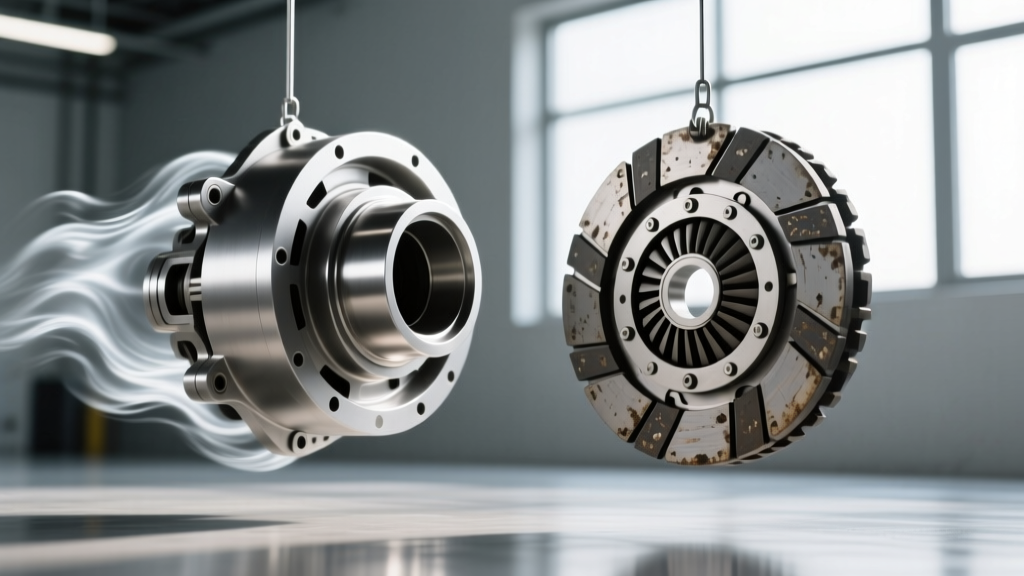
When analyzing automatic transmission architectures, automotive engineers must choose between hydrodynamic fluid coupling and direct mechanical friction. The traditional manual transmission relies on a dry friction clutch—a mechanical linkage that physically locks the engine flywheel to the transmission input shaft. In contrast, the modern automatic transmission utilizes a hydrodynamic torque converter. While both components serve the primary function of interrupting and transferring power from the engine to the drivetrain, their operational physics, failure modes, and maintenance requirements are vastly different.
A friction clutch operates on the principle of mechanical clamping force. A pressure plate forces a friction disc against the flywheel, achieving a 1:1 mechanical lock. This provides zero parasitic loss when engaged but requires complex driver modulation or automated actuators to prevent stalling at low speeds. Conversely, a torque converter uses transmission fluid as a hydraulic medium. An impeller (driven by the engine) accelerates fluid into a turbine (connected to the transmission input shaft). This fluid coupling allows the engine to idle while the vehicle remains stationary, providing inherent torque multiplication—often up to a 2.1:1 ratio during initial acceleration—without any mechanical wear on the coupling surfaces.
Why the Toyota Camry Relies on a Torque Converter
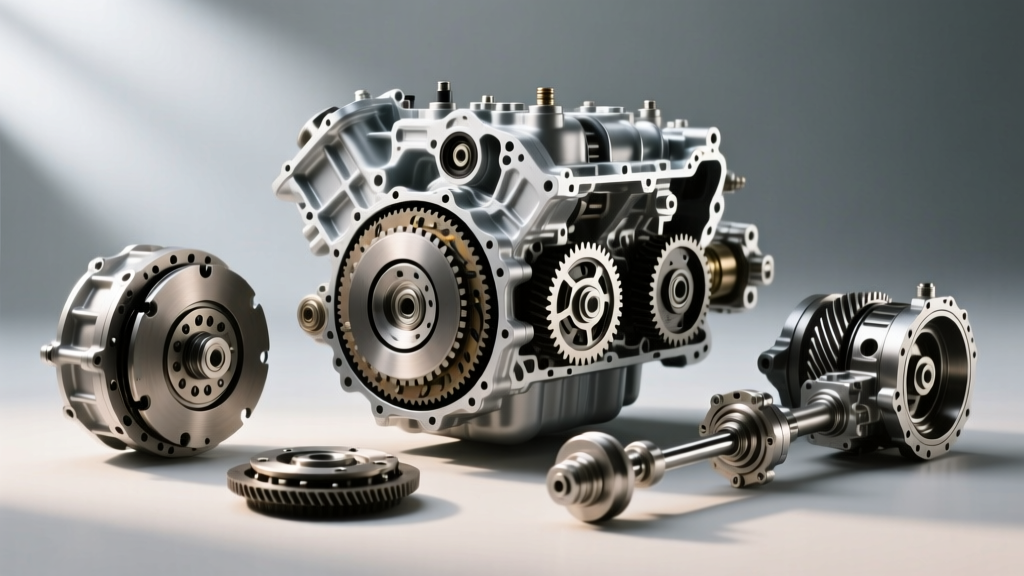
For the eighth-generation Toyota Camry (2018-present), Toyota paired the highly efficient 2.5L A25A-FKS Dynamic Force engine with the Aisin-built UA80E 8-speed automatic transmission. Toyota deliberately avoided Dual-Clutch Transmissions (DCTs) or Continuously Variable Transmissions (CVTs) for this specific powertrain, opting instead for a traditional step-gear automatic with a sophisticated torque converter. The decision prioritizes low-speed drivability, stop-and-go traffic smoothness, and long-term reliability over the marginal efficiency gains of a DCT.
Inside the Camry Torque Converter: The Hidden Lockup Clutch
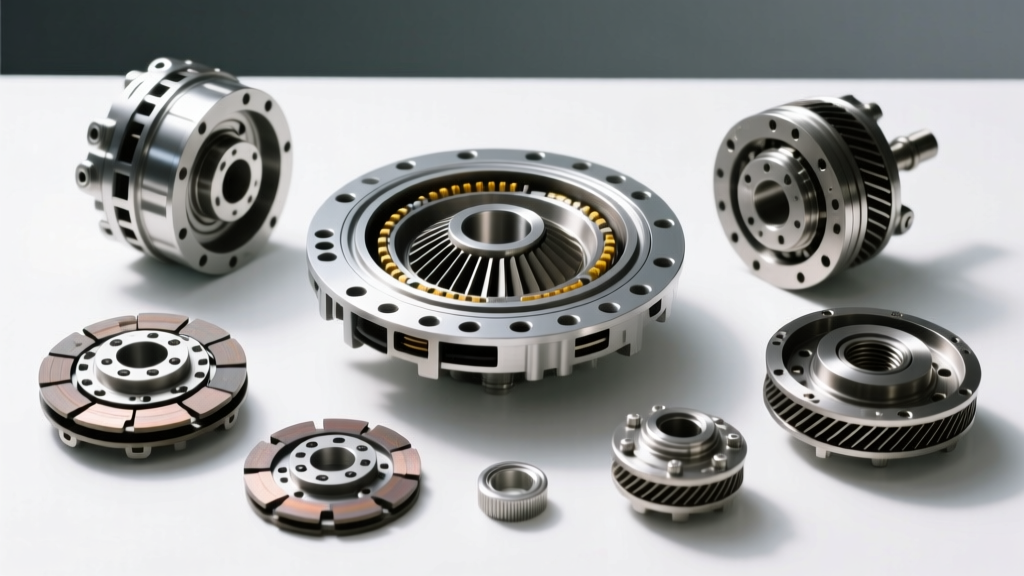
The comparison between a torque converter and a clutch is not entirely mutually exclusive. To eliminate the parasitic slip inherent in fluid coupling at highway speeds, modern torque converters contain an internal component called the Torque Converter Clutch (TCC). This is a wet, multi-plate or single-plate friction clutch housed entirely inside the converter shell. When the UA80E transmission reaches a specific RPM and gear threshold (often as early as 2nd or 3rd gear to maximize fuel economy), the Transmission Control Module (TCM) commands the TCC to apply. This mechanically locks the impeller to the turbine, effectively turning the torque converter into a solid mechanical clutch and achieving near 100% efficiency.
The Toyota Camry Torque Converter Recall and Shudder Epidemic
The integration of the internal TCC is precisely where the widely discussed Toyota Camry torque converter recall and shudder controversy originates. Owners of 2018-2020 Camry models equipped with the 8-speed UA80E transmission began reporting severe driveline vibrations, harsh shifting, and a pronounced 'shudder' typically occurring between 25 and 50 mph under light throttle application.
While consumers frequently search for a formal 'Toyota Camry torque converter recall,' it is vital to understand the regulatory distinction. The National Highway Traffic Safety Administration (NHTSA) issues safety recalls for defects that pose an immediate risk to life or property. The Camry's torque converter shudder, while highly disruptive and indicative of premature component wear, did not trigger a federal safety recall. Instead, Toyota addressed the defect through extensive Technical Service Bulletins (TSBs), most notably T-SB-0046-19, and subsequent Customer Support Programs that functioned as de-facto warranty extensions for affected vehicles.
Root Cause Analysis: TCC Friction Degradation
The root cause of the shudder lies in the friction material lining the internal Torque Converter Clutch. In an effort to reduce emissions and improve MPG, Toyota's TCM strategy for the UA80E commands 'flex lockup'—a state where the TCC is applied but allowed to slip by 20 to 40 RPM to absorb engine harmonics. This continuous, micro-slipping generates excessive localized heat within the converter. Over time, the specific friction material used in early-production 2018-2020 torque converters glazed and degraded prematurely. When the TCM commands a full lockup, the degraded friction surface cannot maintain a static grip, resulting in rapid slip-grab-slip cycles that manifest as a violent chassis shudder. In severe cases, this leads to the contamination of the transmission fluid with friction particulates, clogging the valve body solenoids and triggering Diagnostic Trouble Codes (DTCs) such as P0741 (Torque Converter Clutch System Stuck Off) or P2784 (Input/Turbine Speed Sensor correlation errors).
Technical Comparison: TC Internal Clutch vs. Traditional Dry Clutch
To understand why the Camry's failure mode is unique to its architecture, we must compare the internal wet TCC to a traditional external dry clutch found in manual vehicles or automated manual transmissions.
| Specification | UA80E Internal TCC (Wet) | Traditional Dry Friction Clutch |
|---|---|---|
| Operating Environment | Submerged in ATF WS Fluid | Air-cooled, enclosed in bell housing |
| Primary Failure Mode | Friction glazing from micro-slip heat | Mechanical wear from driver slipping |
| Contamination Risk | High (debris circulates through valve body) | Low (debris stays in bell housing) |
| Replacement Complexity | Requires full transmission removal & TC cut-open | Requires transmission drop, easily unbolted |
| Average Replacement Cost | $1,600 - $2,400 (OEM Dealership) | $900 - $1,400 (Independent Shop) |
Diagnostic Protocol: Isolating TCC Shudder from Engine Misfire
Before condemning the torque converter and referencing warranty extensions related to the Toyota Camry torque converter recall campaigns, technicians must definitively isolate the vibration source. A failing ignition coil or clogged direct-injection fuel injector on the A25A-FKS engine can mimic TCC shudder perfectly. According to diagnostic frameworks outlined on Toyota TechInfo, the definitive test requires a bi-directional OBD2 scanner capable of monitoring live TCM data.
- Step 1: Monitor 'TCC Slip RPM' while driving at a steady 40 mph in 5th gear.
- Step 2: If the shudder occurs while TCC Slip RPM fluctuates wildly between 0 and -50 RPM, the fault is internal to the torque converter clutch.
- Step 3: If the TCC Slip RPM remains locked at 0 RPM during the vibration, the torque converter is mechanically sound, and the technician must diagnose engine misfires, worn engine mounts, or inner CV joint bind.
Replacement Specifications and Torque Data
If the diagnostic data confirms catastrophic TCC friction failure, the UA80E torque converter cannot be serviced in the bay; it must be replaced as a sealed assembly, and the transmission cooler lines must be aggressively flushed to remove metallic and friction debris. For shops and advanced DIYers tackling the replacement, adhering to precise Aisin and Toyota engineering specifications is mandatory to prevent flexplate warping or pump gear destruction.
Crucial Installation Metrics
- OEM Part Reference: Toyota 32000-06050 (Verify against specific VIN via Toyota EPC, as revisions exist for post-2020 updated friction linings).
- Transmission Fluid: Toyota Genuine ATF WS (World Standard). Do not use multi-vehicle synthetic alternatives, as the UA80E lockup apply strategy is calibrated specifically to the friction modifiers in OEM WS fluid.
- Dry Fill Capacity: 6.5 Liters (6.9 Quarts) after a complete torque converter and cooler line drain.
- TC to Flexplate Nuts: 27 ft-lbs (37 Nm). These must be tightened in a star pattern to prevent flexplate runout, which will destroy the transmission front pump seal.
- Flexplate to Crankshaft Bolts: 60 ft-lbs (81 Nm).
- TC Seating Depth: Before bolting the transmission to the engine block, the technician must measure the distance from the transmission bell housing mating surface to the torque converter mounting pads. This distance must be a minimum of 0.6 inches (15mm) recessed. If the converter is not fully seated into the transmission oil pump gears, bolting the engine and transmission together will instantly crack the aluminum pump housing upon startup.
Summary
The comparison between a hydrodynamic torque converter and a traditional clutch highlights the engineering compromises inherent in modern drivetrains. While the torque converter provides unparalleled low-speed smoothness and torque multiplication, its internal friction clutch remains a wear item susceptible to thermal degradation. The widespread shudder issues that prompted the consumer-level 'Toyota Camry torque converter recall' campaigns serve as a masterclass in how aggressive fuel-economy tuning and flex-lockup strategies can push wet friction materials beyond their thermal limits. Proper diagnosis via live TCC slip data and adherence to strict Aisin installation torque specs are the only reliable methods for permanently resolving the UA80E shudder.