The Chemistry of a Burning Car Clutch
There are few aromas more alarming to an enthusiast or daily commuter than the acrid, sulfuric stench of a burning car clutch. Often compared to burnt toast or melting rubber, this odor is a definitive warning sign of extreme thermal degradation within your drivetrain. But what exactly is burning?
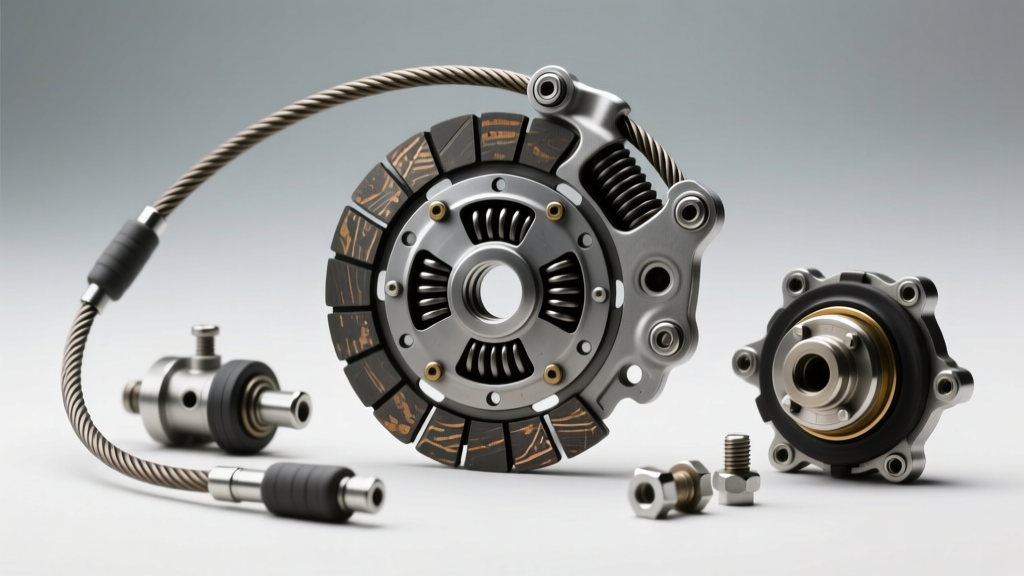
Most standard organic clutch discs utilize a friction material composed of fiberglass, Kevlar, carbon, and metallic particles, all bound together by a phenolic resin. According to thermal degradation studies published by SAE International, these phenolic resins begin to break down and outgas when localized temperatures exceed 400°F (204°C). If slippage continues and temperatures spike past 700°F (371°C), the resin essentially carbonizes, resulting in the distinct burning smell and a 'glazed' friction surface that permanently destroys the disc's coefficient of friction.
Ignoring this symptom will inevitably lead to a complete loss of motive power. In this guide, we break down the exact diagnostic procedures, mechanical measurements, and repair protocols required to address clutch slip and thermal overload.
Top 4 Culprits Behind Clutch Overheating
Before tearing into the bellhousing, it is critical to understand why the clutch is generating excess heat. The burning smell is a symptom; the root cause usually falls into one of four categories:
1. Incorrect Pedal Free-Play (Hydraulic Drag)
Modern manual transmissions utilize a hydraulic master and slave cylinder setup. If the clutch pedal lacks adequate free-play, the release bearing remains in constant, light contact with the pressure plate diaphragm fingers. This prevents the clutch from fully engaging, causing micro-slippage under load. Over a 50-mile highway drive, this micro-slippage generates enough heat to bake the friction disc.
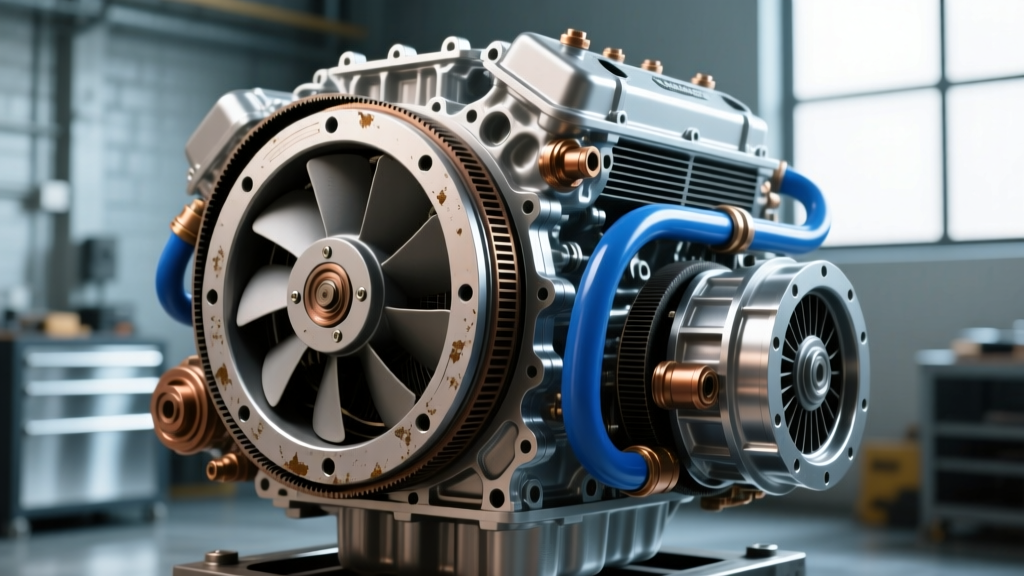
2. Dual Mass Flywheel (DMF) Failure
Many modern manual vehicles (especially European diesels and high-torque turbocharged gas engines) use a Dual Mass Flywheel to dampen torsional vibrations. If the internal springs of the DMF fail or the friction ring inside the DMF wears out, the flywheel itself can slip independently of the clutch disc, generating immense heat and a burning smell that mimics a failing clutch disc. Schaeffler REPXPERT notes that DMF internal wear is frequently misdiagnosed as a standard worn clutch.
3. Contaminated Friction Surface
A leaking transmission input shaft seal or engine rear main seal can allow gear oil or engine oil to seep onto the friction disc. Oil lowers the friction coefficient drastically, forcing the driver to slip the clutch excessively to get the vehicle moving, rapidly leading to thermal failure.
4. Operator Error & Heavy Towing
'Riding the clutch' by resting a foot on the pedal, or attempting to pull heavy loads from a dead stop in a high gear, will overwhelm the thermal capacity of even a brand-new organic clutch kit.
Diagnostic Matrix: Smell vs. Driving Condition
Use the following matrix to narrow down the root cause based on when the odor is most prevalent.
| Trigger Condition | Odor Intensity | Secondary Symptom | Probable Fault |
|---|---|---|---|
| Highway cruising (55-70 mph) | Mild to Moderate | RPMs surge without speed increase | Lack of pedal free-play / Hydraulic drag |
| Stop-and-go traffic / Hill starts | Severe / Acrid | Pedal chatter or heavy vibration | Glazed disc / Warped Flywheel / DMF failure |
| Hard acceleration in 3rd/4th gear | Sharp / Sudden | Engine flares, vehicle bogs down | Worn friction material / Weak pressure plate |
| Vehicle parked, engine idling | Faint burning oil smell | Smoke near bellhousing weep hole | Rear Main Seal or Input Shaft Seal leak |
Step-by-Step Troubleshooting & Measurement
Do not immediately order replacement parts. Perform these three non-invasive tests to confirm the diagnosis.
Test 1: Pedal Free-Play Measurement
Grab a standard tape measure and press the clutch pedal with your hand until you feel the resistance of the hydraulic master cylinder engaging the release fork.
- Specification: Most manufacturers require between 0.5 inches and 1.0 inches (12mm - 25mm) of free-play at the pedal pad.
- Adjustment: If your vehicle features an adjustable clutch switch or a threaded pushrod (common on older Honda K-Series or Subaru WRX models), adjust the nut until free-play is restored. If the vehicle uses a self-adjusting hydraulic master cylinder (like the GM T56 or Ford MT-82), a lack of free-play indicates a failing master cylinder pushrod or incorrect aftermarket pedal stop.
Test 2: The Stall Test (Proceed with Caution)
Find an empty, flat road. Put the vehicle in 3rd gear, hold the brake firmly, and slowly release the clutch while applying light throttle.
- Normal Result: The engine should bog down and stall immediately as the clutch locks the engine to the stationary drivetrain.
- Failing Result: The engine continues to rev, the RPMs climb, and the burning smell returns. This confirms the pressure plate cannot overcome the engine's torque output, necessitating a teardown.
Test 3: Flywheel Runout Check (During Teardown)
Once the transmission is removed, mount a magnetic dial indicator to the engine block and measure the lateral runout of the flywheel friction surface.
- Maximum Allowable Runout: 0.002 inches (0.05mm) for most passenger vehicles.
- Action: If runout exceeds this, a standard solid flywheel must be machined (resurfaced) on a brake lathe. If the vehicle is equipped with a Dual Mass Flywheel (DMF), it cannot be resurfaced and must be replaced entirely.
Repair Protocols, Part Selection, and Costs
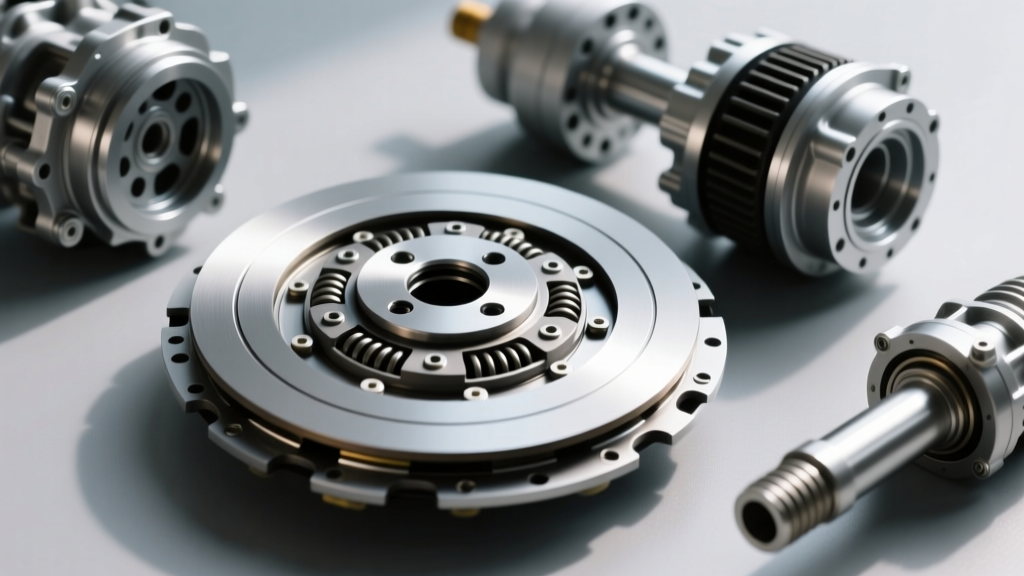
When a clutch disc is glazed or burned, it cannot be saved. The friction material is structurally compromised. Furthermore, the intense heat often anneals the spring steel of the pressure plate diaphragm, reducing its clamping force. Therefore, a complete kit replacement is mandatory.
Part Selection & Pricing (2026 Market Estimates)
Always rely on OEM-tier suppliers. According to technical bulletins from Exedy and LuK, mixing and matching friction discs and pressure plates from different brands can lead to severe engagement issues due to varying diaphragm heights.
- Standard OEM Replacement (e.g., LuK RepSet): $250 - $450 for the kit (Disc, Pressure Plate, Release Bearing). Ideal for daily drivers and stock horsepower applications.
- Performance Upgrade (e.g., Exedy Stage 1 Organic): $400 - $650. Features higher clamping force and heavy-duty organic compounds that resist thermal fade up to 550°F.
- Dual Mass Flywheel (DMF) Replacement: Add $400 - $900 to the bill. (Example: LuK 415-series DMF for VW/Audi 2.0T TDI applications).
Critical Installation Torque Specs
Improper torque sequencing will warp the pressure plate, leading to immediate chatter and premature burning. Always use a calibrated torque wrench and follow a star-pattern sequence.
- GM LS-Series (T56 / TR6060) Flywheel Bolts (M10x1.5): 40 Nm (30 lb-ft) + 50 degrees of rotation.
- GM LS-Series Pressure Plate Bolts (M8): 15 Nm (11 lb-ft). Do not overtighten; these snap easily.
- Subaru EJ/WA Series Flywheel Bolts (M12x1.25): 94 Nm (69 lb-ft) + 90 degrees.
- Clutch Alignment: Always use a precision alignment tool (or an old input shaft) to center the disc before tightening the pressure plate. An offset disc will bind on the input shaft splines, preventing full engagement and causing a burning smell the moment the car is driven off the lift.
Expert Break-In Warning: After installing a new car clutch, the phenolic resins require a heat-cycling break-in period. Drive gently for the first 500 miles, avoiding hard launches, excessive slipping, and high-RPM shifts. This allows the resins to fully cure and mate the friction material to the flywheel micro-surface, ensuring long-term thermal stability.
Summary
A burning car clutch smell is an undeniable cry for help from your drivetrain. By systematically checking pedal free-play, evaluating flywheel health, and selecting high-quality OEM replacement components, you can restore your vehicle's mechanical integrity. Never ignore the odor; the cost of a tow truck and a ruined flywheel far outweighs the price of a proactive clutch kit replacement.