Understanding the Brake Actuated Limited Slip Differential
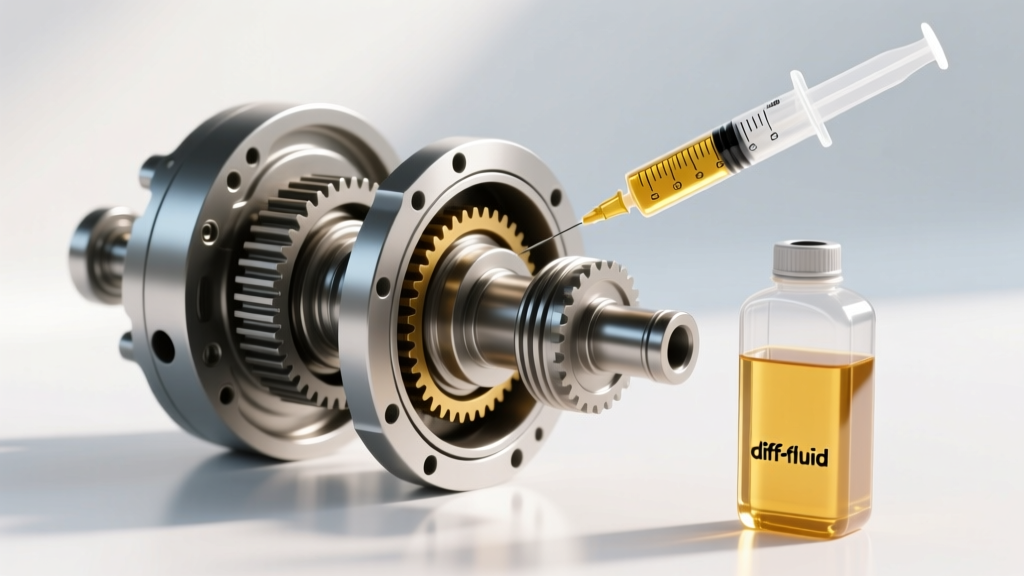
The modern drivetrain is a marvel of electromechanical integration. At the intersection of traction control and mechanical grip lies the brake actuated limited slip differential (often integrated into broader electronic torque vectoring or e-LSD systems). Unlike traditional mechanical clutch-pack limited-slip differentials (LSDs) that rely purely on preload springs and ramp angles, modern brake actuated and electronic LSDs utilize hydraulic solenoids, precision clutch packs, and brake-vectoring algorithms to distribute torque across the axle. Whether you are maintaining a ZF e-LSD found in modern performance SUVs, a Dana electronic locking axle, or a brake-integrated vectoring rear drive unit, the fluid inside the differential housing is the lifeblood of the system.
In 2026, the tolerances inside these advanced differentials are tighter than ever. The wrong fluid viscosity or an incorrect friction modifier package can lead to solenoid starvation, clutch pack chatter, or catastrophic failure of the electronic actuation mechanism. This buyer's guide breaks down the exact differential fluid types, API specifications, and OEM requirements you need to keep your high-tech axle performing flawlessly.
Why Standard GL-5 Gear Oil Fails in Modern e-LSDs
Historically, a standard 75W-90 API GL-5 hypoid gear oil was the universal panacea for rear axles. However, pouring a conventional GL-5 into a brake actuated limited slip differential is a recipe for disaster. Here is why:
- Extreme Pressure (EP) Additive Interference: Standard GL-5 oils contain high levels of sulfur-phosphorus EP additives designed to protect sliding hypoid gears. In an e-LSD, these additives can coat the friction material on the clutch plates, altering the coefficient of friction and causing the electronic control unit (ECU) to miscalculate slip, resulting in harsh engagement or 'chatter'.
- Shear Stability Breakdown: Electronic clutch packs generate immense localized shear forces. Conventional mineral-based or lower-tier synthetic 75W-90 fluids will shear out of grade, dropping from a 90-weight to a 75-weight or lower, leading to inadequate hydraulic pressure for the actuation solenoids.
- Brookfield Viscosity Issues: Modern e-LSDs rely on rapid fluid flow through micro-valves to actuate clutches on demand. If the fluid's low-temperature Brookfield viscosity is too high, the system will experience delayed engagement during cold starts, triggering a drivetrain fault code on your dash.
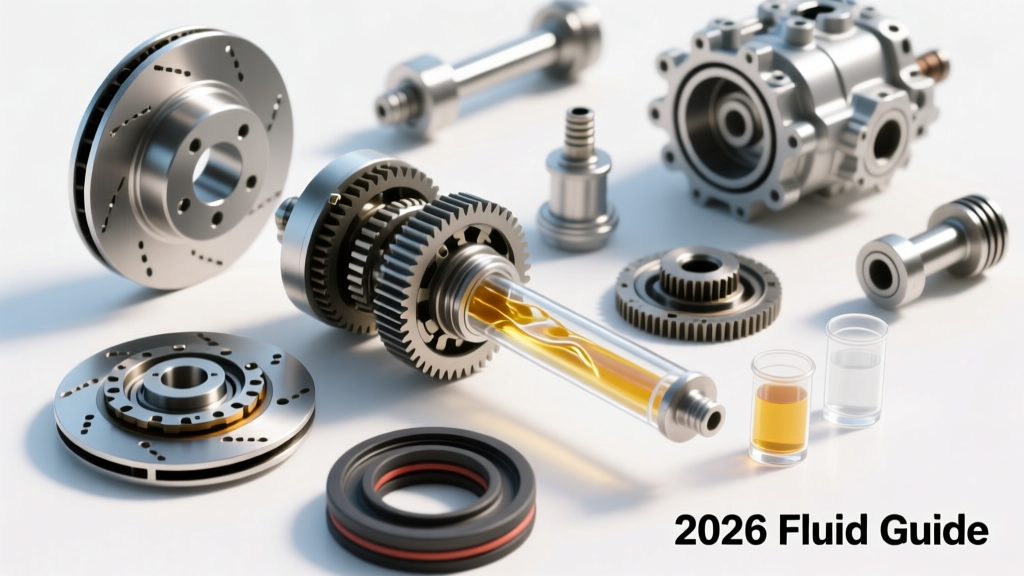
2026 Fluid Specification Comparison Chart
To help you select the right product, we have tested and compared the top synthetic gear oils compatible with electronic and brake-integrated limited slip systems. The focus here is on ester and PAO (Polyalphaolefin) synthetic bases that offer high shear stability and compatible friction profiles.
| Brand & Product | Viscosity | API / OEM Spec | Base Oil Type | Friction Modifier Required? | Est. Price (1L) |
|---|---|---|---|---|---|
| Castrol SAF-XJ 75W-140 | 75W-140 | API GL-5 / BMW OSP-A | PAO Synthetic | No (Pre-blended) | $38 - $45 |
| Motul Gear 300 75W-90 | 75W-90 | API GL-5 / MIL-PRF-2105E | 100% Ester Synthetic | Yes (For Clutch LSDs) | $32 - $36 |
| Liqui Moly Hypoid 75W-90 | 75W-90 | API GL-5 / Ford WSL-M2C192-A | HC / PAO Blend | Varies by Application | $28 - $32 |
| Red Line 75W-90 NS | 75W-90 | API GL-5 (Modified) | Ester / PAO Synthetic | No (Non-Slip Formula) | $42 - $48 |
| OEM Ford Motorcraft XL-3 | 75W-140 | WSS-M2C192-A | Synthetic Blend | Yes (Additive Included) | $25 - $30 |
Note: Always cross-reference your vehicle's owner manual. For example, BMW's G-Chassis M-cars require specific SAF-XJ formulations to protect the electronic multi-plate clutch packs.
The Friction Modifier Dilemma: To Add or Not to Add?
One of the most debated topics in axle maintenance is the use of friction modifiers (often labeled as 'Limited Slip Additive'). When servicing a brake actuated limited slip differential that utilizes internal mechanical clutch packs alongside electronic actuation, the friction modifier is critical.
When You MUST Use a Modifier
If your differential uses a traditional clutch-cone or multi-plate clutch pack (like the Ford Performance 8.8 Torsen or older Dana Trac-Lok units integrated with brake vectoring), you must use a fluid with a friction modifier. Without it, the clutch plates will bind and release erratically (chatter) during low-speed cornering. Products like Liqui Moly often sell modifiers separately, or you can buy pre-mixed fluids like Motorcraft XL-3.
When You Should AVOID Modifiers
If your vehicle uses a purely gear-driven e-LSD (like certain ZF Torsen-based electronic lockers) or a system where the braking system entirely simulates the LSD effect via open-differential brake vectoring (often called a Brake Lock Differential or BLD), adding a friction modifier can actually reduce the fluid's overall load-carrying capacity. In these cases, a 'Non-Slip' (NS) fluid like Red Line 75W-90 NS provides maximum hypoid gear protection without altering the friction dynamics of the open gear set.
Real-World Torque Specs and Fluid Capacities
Proper maintenance goes beyond just buying the right fluid. Over-torquing aluminum differential housings or under-filling the sump will destroy an electronic actuator. Below are standard specifications for common platforms featuring advanced LSDs:
- BMW G80 M3 / G82 M4 (ZF e-LSD):
- Fluid Capacity: ~1.2 Liters (Requires Castrol SAF-XJ 75W-140)
- Drain Plug Torque: 35 Nm (26 lb-ft)
- Fill Plug Torque: 35 Nm (26 lb-ft)
- Pro-Tip: The fill plug must be removed BEFORE the drain plug to ensure you can refill the unit.
- Ford F-150 / Mustang (8.8 or 9.75 Electronic Locker):
- Fluid Capacity: 2.0 to 2.4 Liters (Requires 75W-140 Synthetic + XL-3 Modifier)
- Rear Cover Bolt Torque: 28-38 Nm (21-28 lb-ft)
- Fill Plug Torque: 45 Nm (33 lb-ft)
- Porsche 992 Carrera (PTV+ Electronic Rear Diff Lock):
- Fluid Capacity: ~1.4 Liters (Requires OEM Porsche Hypoid Fluid)
- Drain/Fill Torque: 40 Nm (30 lb-ft)
Buyer’s Verdict: Which Fluid Should You Choose?
Choosing the right fluid for your brake actuated limited slip differential comes down to understanding your specific axle's architecture. For European performance applications featuring complex multi-plate e-LSDs, Castrol SAF-XJ 75W-140 remains the undisputed champion, offering the exact shear stability and friction coefficient required by ZF and BMW control modules. It is widely available through dealerships and specialty importers like FCP Euro.
For American V8 applications, heavy-duty trucks, and modified off-road rigs utilizing electronic lockers paired with brake-vectoring traction control, Red Line 75W-90 NS (for gear-type) or Motul Gear 300 75W-90 (paired with an OEM friction modifier for clutch-type) offers superior thermal management and ester-based film strength. According to engineering data from Red Line Oil, their synthetic bases resist thermal breakdown up to 400°F, which is critical when towing or tracking vehicles equipped with aggressive brake-actuated traction systems.
Ultimately, never compromise on fluid specifications to save $15. The cost of a solenoid replacement or a rebuilt clutch pack in a modern electronic differential can easily exceed $2,500. Drain, fill, and torque to spec, and your drivetrain will reward you with seamless traction for years to come.