The Mechanical Divide: 4WD vs AWD Differences Explained
Before addressing the infamous BMW drivetrain malfunction reset procedure, it is critical to understand the mechanical architecture of your vehicle's drivetrain. While marketing materials often use the terms interchangeably, traditional 4WD (Four-Wheel Drive) and modern AWD (All-Wheel Drive) systems operate on fundamentally different mechanical principles. Understanding these differences is the first step in executing a proper preventive maintenance strategy.
Core Architectural Differences
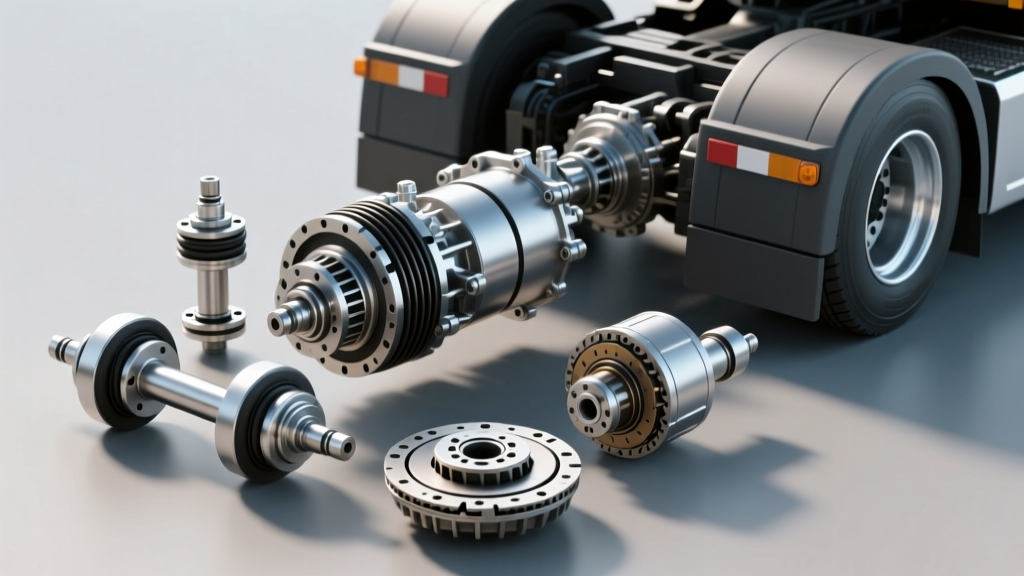
Traditional 4WD systems, commonly found in body-on-frame trucks and off-road SUVs, utilize a transfer case equipped with a mechanical locking mechanism (dog clutches or chain-driven gears) and a low-range gear reduction. When engaged, the front and rear driveshafts are locked together, forcing them to turn at the exact same speed. This provides maximum traction off-road but causes severe driveline binding on dry pavement due to the lack of a center differential.
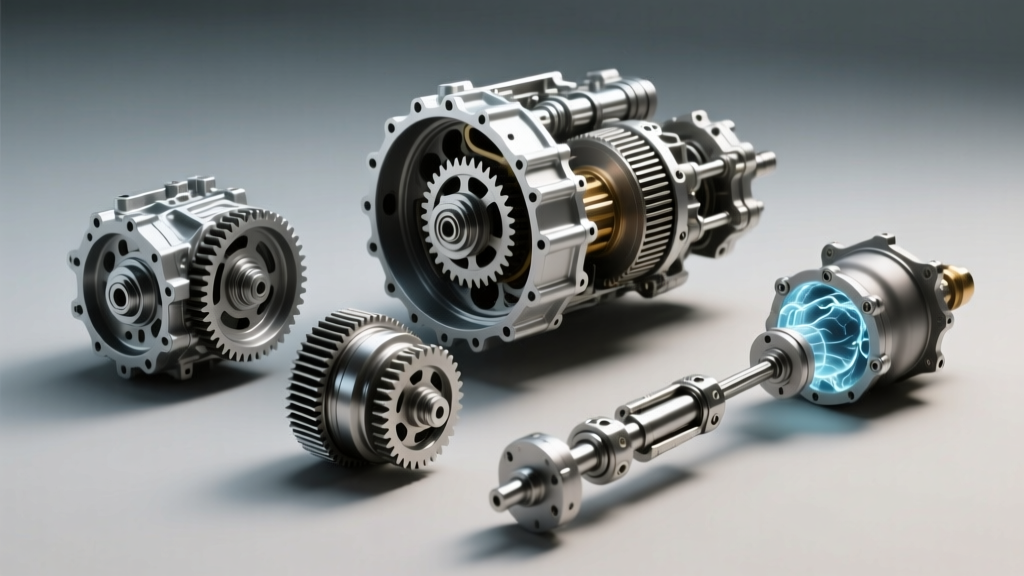
Conversely, modern AWD systems—like BMW’s xDrive—are full-time, on-demand setups designed primarily for paved roads and adverse weather. Instead of a locked transfer case, AWD systems rely on a center differential or an electronically controlled wet-clutch pack to continuously vary torque distribution between the front and rear axles. This prevents driveline bind while cornering and allows for proactive torque vectoring.
| Feature | Part-Time 4WD | Full-Time 4WD | Modern AWD (e.g., BMW xDrive) |
|---|---|---|---|
| Center Differential | None (Locked) | Mechanical (Torsen/Viscous) | Wet-Clutch Pack (VTG) |
| Low-Range Gearing | Yes | Yes | No |
| Dry Pavement Use | No (Causes Binding) | Yes | Yes (Optimized for Handling) |
| Torque Split | 50/50 Fixed | Variable (Passive) | 0:100 to 50:50 (Active/Electronic) |
| Primary Maintenance | Grease U-Joints, Change Gear Oil | Center Diff Service, Chain Inspection | Clutch Pack Fluid, Actuator Calibration |
BMW xDrive: Where AWD Meets Preventive Maintenance
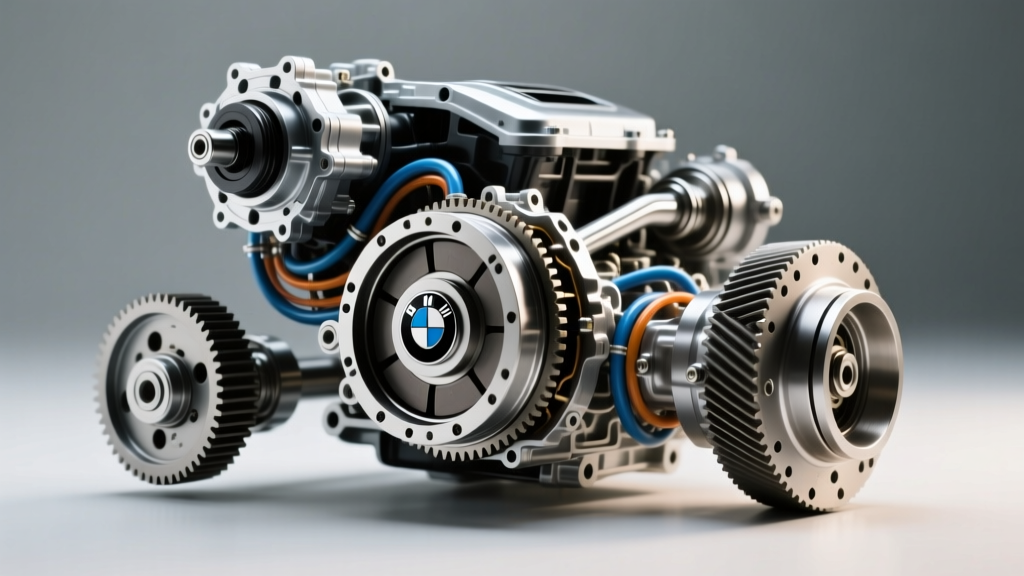
BMW’s xDrive is a highly sophisticated AWD system. In most modern applications (such as the F30 3-Series or F15 X5), it pairs the legendary ZF 8HP 8-speed automatic transmission with an ATC (Active Transfer Case) unit, typically the ATC13 or ATC35L. Unlike traditional 4WD transfer cases that use heavy chains and gears, the ATC uses a wet-clutch pack actuated by an electric servo motor to compress the clutches and send up to 50% of the engine's torque to the front axle.
Because this system relies on precise hydraulic pressure and clutch friction, preventive maintenance is not optional. Neglecting the transfer case fluid or ignoring early warning signs will inevitably lead to the dreaded 'Drivetrain Malfunction: Maximum power unavailable' warning on your iDrive screen.
Decoding the 'Drivetrain Malfunction' Warning
When your BMW throws a drivetrain malfunction code, the ECU (DME) has detected an inconsistency in the power delivery or transfer case actuation. In the context of the xDrive AWD system, this is rarely a catastrophic engine failure. Instead, it is usually triggered by one of three specific drivetrain faults:
- VTG Actuator Motor Failure: The transfer case actuator motor (Part # 27107568267) contains an internal plastic gear that is notorious for stripping. When the gear strips, the motor cannot physically compress the wet-clutch pack, resulting in a loss of front-wheel drive and an immediate ECU limp-mode trigger.
- Fluid Shear and Clutch Slip: The specialized transfer case fluid degrades over time due to high shear forces. As the fluid loses its friction modifiers, the clutches slip, causing the DME to register a torque calculation error.
- Calibration Loss: Following a battery replacement, voltage drop, or fluid service, the VTG (Verteilergetriebe) control module may lose its clutch adaptation values, triggering a fault code even if no hardware is broken.
Expert Diagnostic Tip: Before replacing expensive drivetrain components, always read the shadow codes using a BMW-specific bidirectional scanner. If you see codes related to 'VTG Internal Fault' or 'Transfer Case Actuation', the issue is almost certainly the actuator motor gear or degraded TF 0870 fluid, not the transmission itself.
Preventive Maintenance Protocol: Fluids and Capacities
To prevent clutch slip and actuator strain, strict adherence to fluid service intervals is mandatory. While BMW historically labeled some drivetrain fluids as 'lifetime,' independent specialists universally recommend servicing the transfer case every 40,000 to 50,000 miles to ensure longevity.
| Component | Fluid Specification | OEM Part Number | Capacity | Service Interval |
|---|---|---|---|---|
| ATC Transfer Case | Shell TF 0870 | 83222446673 | ~0.6L - 0.8L | 40,000 - 50,000 Miles |
| ZF 8HP Transmission | ZF LifeguardFluid 8 | ZF 0671.000.190 | ~8.5L (Dry) / ~5.5L (Service) | 60,000 Miles (Severe Duty) |
| Front Differential | SAF-XO 75W-90 | 83222411193 | ~0.4L | 60,000 Miles |
Note: You can source genuine BMW TF 0870 Transfer Case Fluid and ZF Lifeguard fluids from reputable OEM suppliers. Never substitute TF 0870 with standard ATF or gear oil, as the friction modifiers are uniquely calibrated for the xDrive wet-clutch pack.
Step-by-Step BMW Drivetrain Malfunction Reset & Calibration
If your vehicle has entered limp mode due to a transfer case adaptation error, or if you have just performed a preventive fluid service, simply clearing the OBD2 codes will not fix the issue. You must perform a BMW drivetrain malfunction reset by recalibrating the VTG clutch touch-point. Here is the professional procedure using BMW ISTA (Integrated Service Technical Application) or an advanced enthusiast tool like the Foxwell NT510 Elite:
- Verify Hardware Integrity: Ensure the transfer case actuator motor is functioning. If the internal plastic gear is stripped, no software reset will clear the code. (Many owners opt for an aftermarket aluminum gear replacement kit to permanently solve this mechanical flaw).
- Connect Diagnostic Interface: Plug your ICOM or ENET cable into the OBD2 port and launch ISTA+ or your bidirectional scanner.
- Navigate to Service Functions: Go to Service Functions -> Power Train -> Transfer Case (VTG) -> Adjustment/Calibration.
- Execute VTG Calibration: Select 'Calibrate Transfer Box'. The software will command the actuator motor to fully open and fully close the clutch pack, measuring the exact electrical resistance and physical travel distance to establish the new 'touch-point' (the exact moment the clutches begin to engage).
- Reset Adaptations: Once the mechanical calibration is complete, select 'Reset Adaptations' to clear the learned slip values from the DME's memory.
- Clear Fault Memory: Finally, clear all stored DTCs (Diagnostic Trouble Codes) from the DME and VTG modules.
Torque Specifications and Hardware Reassembly
When performing preventive maintenance on the drivetrain, reusing crush washers and applying incorrect torque can lead to fluid leaks or catastrophic driveshaft separation. Always adhere to the following BMW TIS (Technical Information System) torque specifications:
- Transfer Case Drain/Fill Plug (M14x1.5): 25 Nm (18 lb-ft) with a new aluminum crush washer.
- Transmission Pan Bolts (ZF 8HP Plastic Pan): 10 Nm (7 lb-ft) in a star pattern. (Note: The filter is integrated into the ZF plastic pan; the entire pan must be replaced during a fluid service).
- Propshaft Flex Disc (Guibo) Bolts (M10x1): 56 Nm (41 lb-ft) + 90 degrees of rotation. Always replace torque-to-yield bolts.
- Transfer Case Actuator Motor Bolts (M6): 10 Nm (7 lb-ft). Do not overtighten, as the actuator housing is cast aluminum and prone to cracking.
Cost Analysis: Dealership vs. Independent Specialist
Addressing a drivetrain malfunction or performing preventive xDrive maintenance varies wildly in cost depending on where you service the vehicle. A dealership will typically refuse to replace just the stripped plastic gear inside the actuator motor, opting instead to replace the entire transfer case assembly or the complete actuator motor, resulting in invoices ranging from $2,500 to $4,500. Conversely, an independent BMW specialist or an experienced DIYer can replace the transfer case fluid for under $40, or install an aftermarket aluminum actuator gear kit for roughly $150 in parts, followed by the VTG software reset outlined above.
By understanding the fundamental differences between traditional 4WD and BMW's active AWD system, and by adhering to strict fluid and calibration intervals, you can entirely bypass the need for emergency dealership visits and keep your xDrive system operating flawlessly for well over 150,000 miles. For more community-driven troubleshooting and real-world teardowns of the ATC transfer case, the Bimmerpost xDrive Subforum remains an invaluable resource for BMW owners tackling these exact preventive maintenance procedures.