The Evolution of the BMW PHEV Drivetrain
As we navigate through 2026, the first generation of BMW's modern plug-in hybrid electric vehicles (PHEVs)—such as the G20 330e, G30 530e, and F15/G05 X5 xDrive45e—are crossing the critical 80,000 to 100,000-mile threshold. At this mileage, owners and independent technicians alike are beginning to see the fallout of neglected maintenance, most notably the sudden appearance of the bmw drivetrain malfunction warning on the iDrive display. Unlike conventional internal combustion models, a drivetrain fault in a BMW PHEV is rarely just a mechanical issue; it is a complex intersection of high-voltage (HV) power electronics, thermal management, and specialized mechanical components.
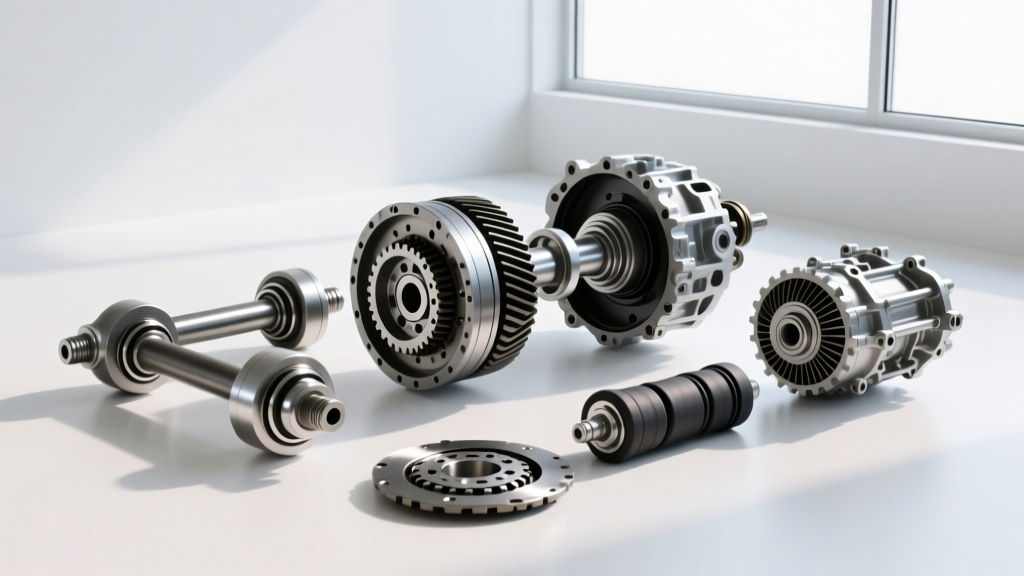
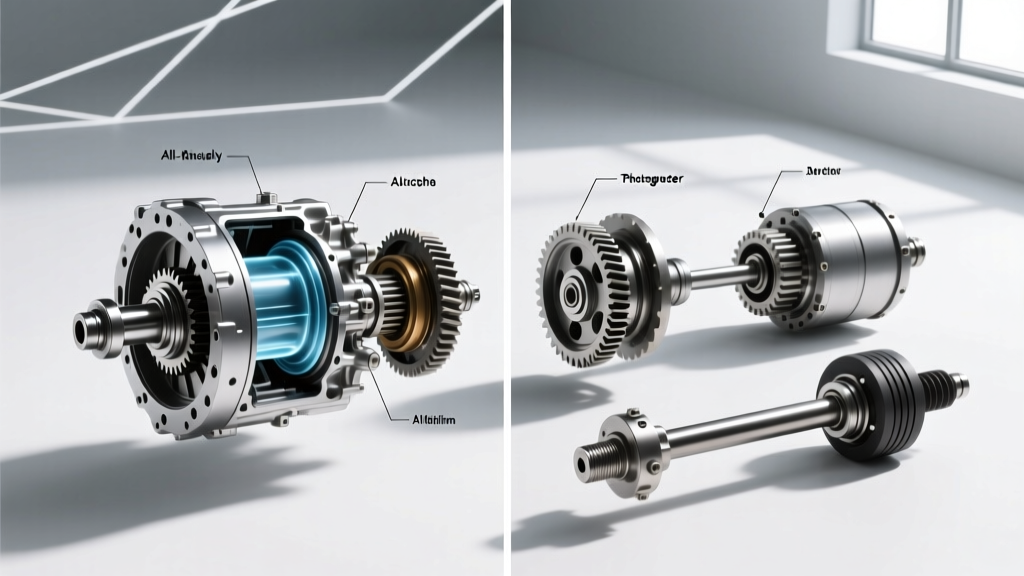
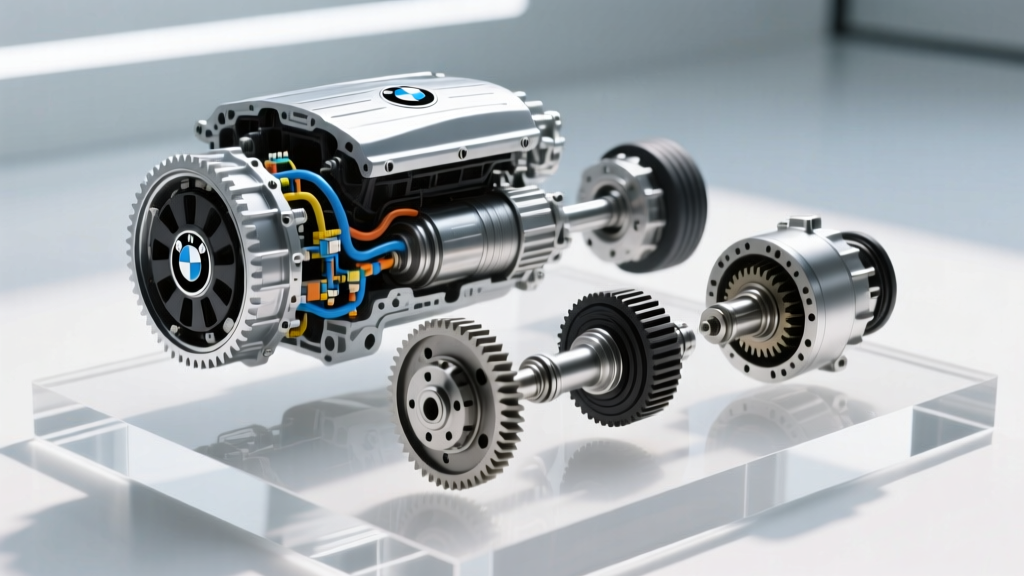
To prevent this warning and avoid catastrophic drivetrain failure, it is essential to understand that the transmission in these vehicles is not a standard unit. BMW relies heavily on the ZF 8P75XH (and its variants), a highly specialized 8-speed automatic transmission where the traditional torque converter has been entirely deleted. In its place sits a separator clutch and an integrated electric motor (E-motor) capable of producing up to 109 horsepower and 280 Nm of torque independently. This architecture demands a radically different approach to preventive maintenance.
Why the BMW Drivetrain Malfunction Warning Triggers in Hybrids
When the ECU detects an anomaly that could compromise the high-voltage system or the mechanical integrity of the transmission, it immediately triggers the bmw drivetrain malfunction warning and limits power output to protect the hardware. In PHEV models, the top three culprits for this warning are entirely preventable with the right maintenance schedule.
1. Inverter Thermal Derating (Cooling Loop Airlocks)
The E-motor and its associated inverter are cooled by a dedicated low-temperature coolant circuit. If the system is opened and not properly vacuum-bled, microscopic air pockets become trapped in the inverter's cooling jacket. Under heavy load, the localized boiling of the coolant causes the inverter temperature to spike. The ECU responds by throwing the drivetrain malfunction warning and derating the electric motor to zero output to prevent silicon meltdown.
2. ATF Dielectric Breakdown and Stator Overheating
In the ZF 8P75XH, the automatic transmission fluid (ATF) does more than lubricate gears; it washes directly over the copper windings of the E-motor stator to dissipate heat. Using the wrong fluid, or pushing the factory 'lifetime' fluid beyond 60,000 miles, results in a loss of dielectric strength and thermal capacity. The E-motor overheats, triggering the exact same warning code as a mechanical transmission failure.
3. Separator Clutch Glazing
The separator clutch is responsible for decoupling the internal combustion engine (ICE) from the E-motor when driving in pure EV mode. Aggressive regenerative braking and frequent engine start-stop events cause high slip rates. If the ATF is degraded, the clutch material glazes, leading to micro-slippage that the transmission control module (TCM) flags as a drivetrain fault.
Preventive Maintenance Protocol: ZF Hybrid Fluid Service
BMW officially labels their transmission fluid as 'lifetime.' However, ZF Aftermarket—the actual manufacturer of the transmission—strongly recommends fluid changes every 60,000 to 80,000 miles for severe driving conditions, which includes frequent towing, track use, or aggressive PHEV cycling. For the 8P75XH, you must use a fluid specifically engineered for hybrid dielectric requirements.
| Component | Specification / Part Number | Capacity (Service Fill) | Interval |
|---|---|---|---|
| Transmission ATF | ZF LifeguardHybrid (S671.090.312) | ~5.5 - 6.5 Liters | 60,000 Miles |
| Transfer Case (xDrive) | ZF LifeguardFluid DTZ | ~0.6 Liters | 60,000 Miles |
| Low-Temp Coolant | BMW LC-87 (P/N 83192468495) | Varies by Model | Every 4 Years |
| Rear E-Drive (X5 PHEV) | Hypoid Axle Fluid (G3) | ~0.8 Liters | 80,000 Miles |
Step-by-Step ZF 8P75XH Fluid Exchange Procedure
Performing a fluid service on a BMW hybrid transmission requires strict adherence to thermal and torque parameters. Failure to follow these steps will result in immediate drivetrain malfunction warnings upon startup.
- Vehicle Leveling: The vehicle must be perfectly level on a two-post lift. An uneven stance will result in an inaccurate fluid level, leading to pump cavitation.
- Temperature Monitoring: Connect a bi-directional OBD2 scanner (such as ISTA or an advanced Autel/Snap-on tool) to monitor the transmission fluid temperature. The ATF must be between 30°C and 50°C (86°F - 122°F) during the final level check.
- Pan Removal & Inspection: The hybrid transmission utilizes a plastic composite pan with an integrated filter. Remove the 15 perimeter bolts. Crucial: Inspect the pan magnets. While fine metallic paste is normal, distinct chunks or copper shaving indicate E-motor or clutch basket failure.
- Installation & Torque: Install the new ZF OEM pan (Part # 1087.298.901). The M6 aluminum bolts are torque-to-yield and must be replaced. Torque the new bolts to exactly 10 Nm. Do not exceed this, or you will strip the threads in the magnesium/aluminum transmission casing.
- Filling & Cycling: Pump ZF LifeguardHybrid into the fill port until it drips. Start the vehicle (ensure the HV battery has enough charge to keep the engine off if necessary, or use ISTA to command the E-motor to cycle). Shift through all gears, pausing for 3 seconds in each to fill the clutch packs.
- Final Level Check: With the vehicle running and the ATF temperature between 30°C and 50°C, remove the fill plug. Add fluid until a steady stream turns into a slow drip. Reinstall the fill plug and torque to 35 Nm.
Low-Temperature Cooling System Maintenance
The most overlooked aspect of BMW PHEV maintenance is the low-temperature cooling circuit. This system operates independently of the main engine radiator and uses an electric water pump (typically a Pierburg CWA 400) to circulate coolant through the E-motor stator jacket and the power electronics inverter.
Over time, the coolant's anti-corrosion additives deplete, leading to galvanic corrosion inside the aluminum cooling channels. More importantly, if a hose is replaced or the system is opened, gravity bleeding is entirely insufficient. You must use a pneumatic vacuum fill tool (like the Vacula system) to pull a deep vacuum on the system, ensuring zero air pockets remain in the inverter. An air pocket of just 50ml trapped in the power electronics cooling plate is enough to trigger a thermal shutdown and the bmw drivetrain malfunction warning within minutes of highway driving.
Cost Analysis: Prevention vs. Reactive Repair
Ignoring the specialized maintenance requirements of a hybrid drivetrain is a false economy. The integration of the E-motor into the transmission housing means that a cooling failure doesn't just destroy the electronics; it can melt the internal wiring harnesses inside the transmission case, requiring a complete unit replacement.
| Service / Repair Scenario | Estimated Cost (Parts & Labor) | Vehicle Downtime |
|---|---|---|
| ZF LifeguardHybrid Fluid Service | $350 - $550 | 2 Hours |
| Low-Temp Coolant Vacuum Flush | $200 - $300 | 1.5 Hours |
| Inverter / Power Electronics Replacement | $4,500 - $7,800 | 3 - 5 Days |
| Complete ZF 8P75XH Transmission Swap | $9,000 - $14,500 | 1 - 2 Weeks |
As detailed in industry analyses by ZF Aftermarket, the cost of specialized hybrid fluids is marginally higher than standard ATF, but it is a fraction of the cost of replacing a high-voltage integrated transmission. Furthermore, automotive reviewers at Car and Driver have noted that while BMW's PHEV integration offers seamless power delivery, the long-term reliability is entirely contingent on the owner's willingness to adhere to severe-service maintenance schedules rather than the factory 'lifetime' claims.
Final Diagnostic Advice for Technicians and Owners
If the bmw drivetrain malfunction warning has already illuminated, do not immediately assume the transmission is mechanically destroyed. Connect a diagnostic suite capable of reading BMW-specific shadow codes. Look for thermal history logs in the EME (Electrical Machine Electronics) module. If the codes point to 'Inverter Temperature Plausibility' or 'Stator Cooling Efficiency Low,' your issue is likely a failing electric water pump or a degraded coolant mixture, not a mechanical gear failure. By treating the hybrid drivetrain as a holistic electro-mechanical ecosystem, you can keep these sophisticated machines operating flawlessly well past the 150,000-mile mark.