Architectural Realities: Transverse FWD vs. Longitudinal RWD & AWD
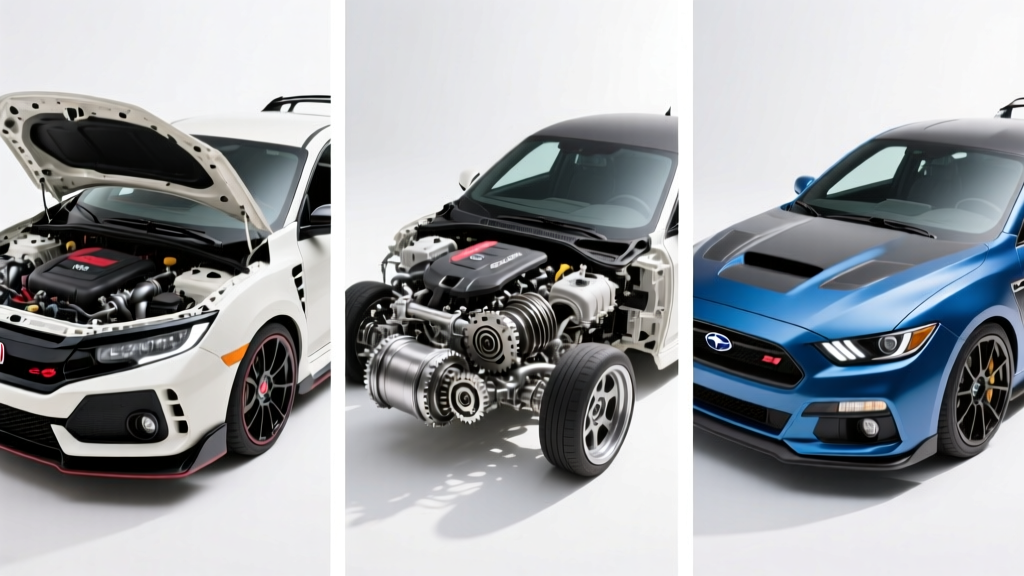
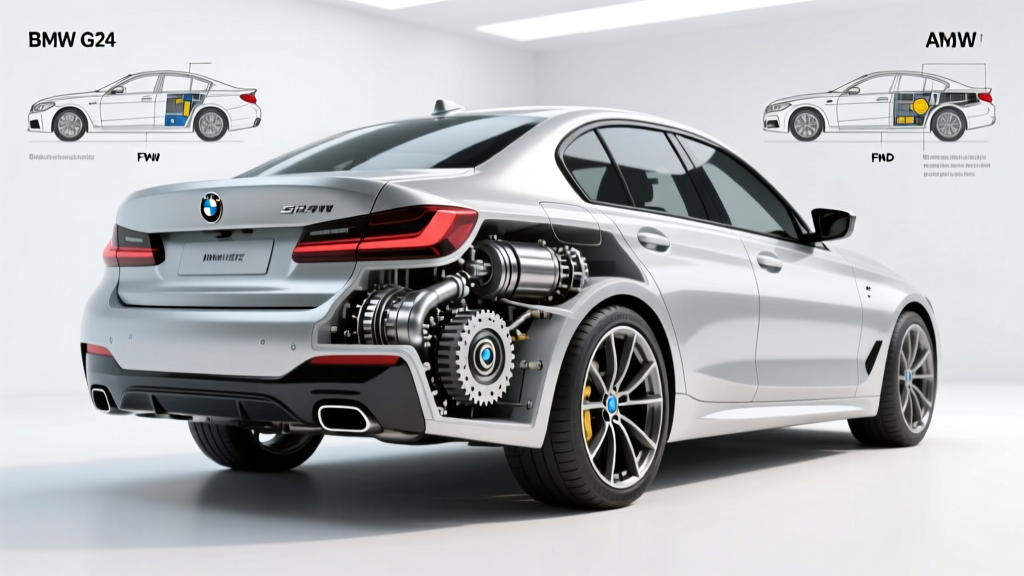
When evaluating drivetrain layouts from a workshop perspective, the theoretical advantages of front-wheel drive (FWD), rear-wheel drive (RWD), and all-wheel drive (AWD) quickly give way to the physical realities of packaging, serviceability, and component wear. In this 2026 model-specific repair guide, we contrast the longitudinal rear wheel drivetrain of the BMW G20 3-Series (specifically the 330i and xDrive variants) against the transverse FWD/AWD architecture of the Volkswagen MQB platform (Golf GTI and Golf R). Understanding these mechanical divergences is critical for accurate diagnostics, fluid servicing, and drivetrain repair estimation.
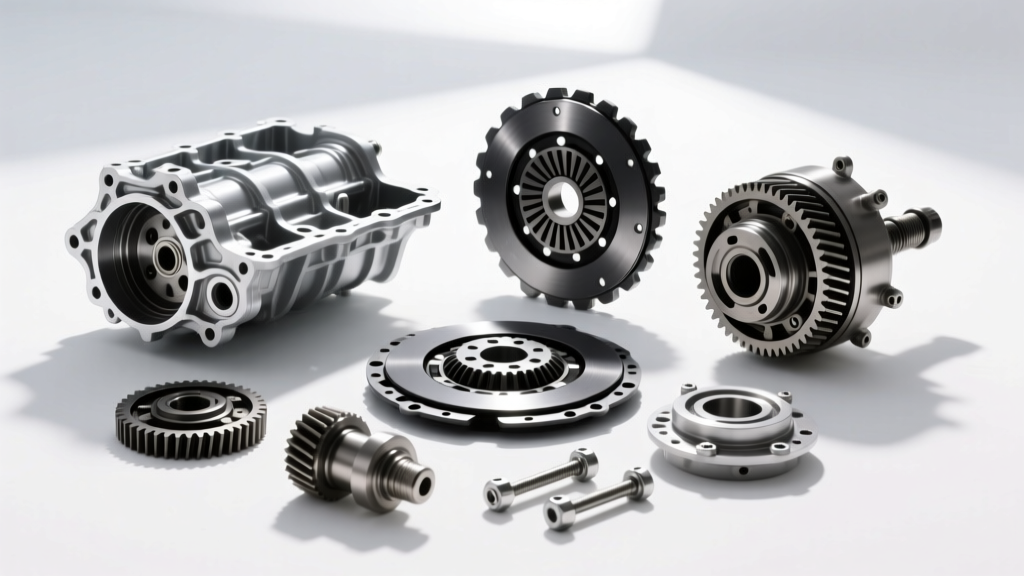
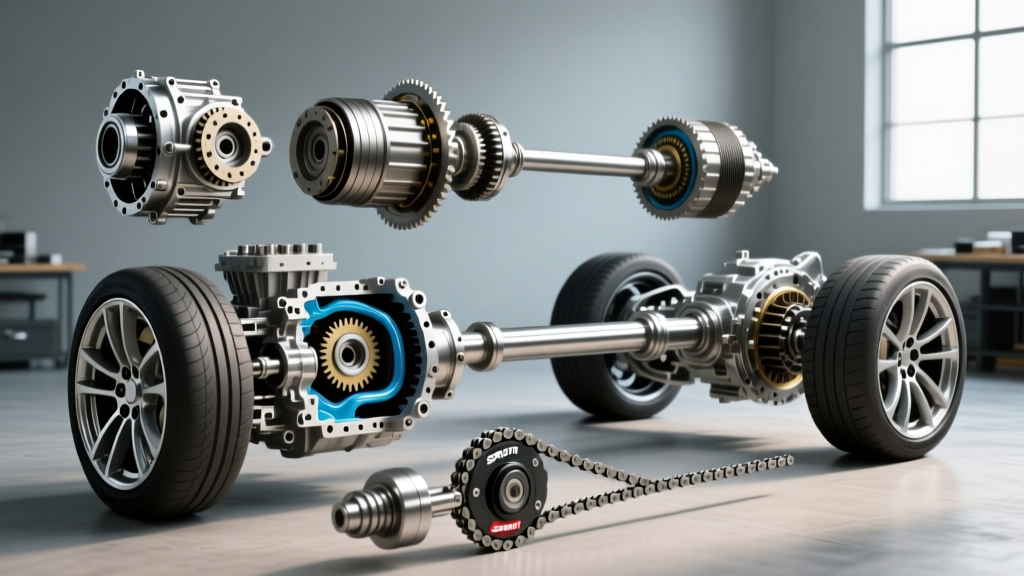
The FWD layout, exemplified by the VW Golf GTI, utilizes a transverse transaxle where the transmission and final drive differential share a single housing and fluid sump. Power is delivered to the front wheels via two half-shafts. Conversely, the BMW G20 330i employs a longitudinal ZF 8HP50 transmission mounted behind the engine, sending torque through a multi-piece driveshaft to a separate rear differential. When AWD is introduced—via BMW’s xDrive (VTG transfer case) or VW’s 4Motion (Haldex-based rear coupling)—the complexity, fluid requirements, and potential failure points multiply exponentially.
Model-Specific Fluid Services: Capacities, Torque Specs, and Intervals
Drivetrain fluid maintenance is where the FWD vs. RWD vs. AWD comparison becomes most apparent in the service bay. A transverse FWD transaxle requires a single fluid change, while a longitudinal RWD setup demands separate services for the transmission and the rear axle. AWD systems add transfer case fluid to the ledger.
| Platform / Layout | Component | Fluid Specification | Service Capacity | Fill/Drain Plug Torque |
|---|---|---|---|---|
| BMW G20 RWD | ZF 8HP50 Transmission | ZF LifeguardFluid 8 | ~5.5L (Service Fill) | Pan Bolts: 10 Nm |
| BMW G20 RWD | Rear Differential (Final Drive) | BMW Hypoid G3 (75W-85) | ~1.2L | Fill/Drain: 60 Nm |
| BMW G20 xDrive (AWD) | VTG Transfer Case | BMW DTF 1 Transfer Fluid | ~0.65L | Fill Plug: 25 Nm |
| VW MQB FWD (GTI) | DQ381 DSG Transaxle | VW G 055 529 A2 | ~5.5L (Service Fill) | Drain: 45 Nm / Filter: 18 Nm |
| VW MQB AWD (Golf R) | Rear Haldex Coupling (Gen 5) | VW G 060 175 A2 | ~0.85L | Drain: 15 Nm |
The ZF 8HP Service Nuance
For the BMW G20 rear wheel drivetrain, servicing the ZF 8HP50 requires dropping the integrated plastic transmission pan, which houses the filter and permanent magnets. According to ZF Aftermarket's official lubricant guidelines, while the fluid is labeled "lifetime" by the OEM, severe driving conditions dictate a 60,000 to 80,000-mile service interval. The pan bolts are notoriously fragile; over-torquing beyond the strict 10 Nm specification will strip the aluminum casing threads, necessitating a costly case repair or replacement. Furthermore, the Mechatronic sealing sleeve (adapter) should be replaced concurrently, as the rubber degrades and leaks onto the valley pan below the transmission.
Component Replacement: Driveshafts, Axles, and Guibos
The physical connection between the transmission and the driven wheels highlights the most significant repair divergence between FWD and RWD architectures.
FWD Half-Shafts vs. RWD Driveshafts
In the FWD VW Golf GTI, power is transferred via two front CV half-shafts. Inner CV joint wear often manifests as vibration under hard acceleration, while torn outer CV boots lead to rapid joint destruction. Replacement is straightforward: unbolt the wheel hub, separate the lower ball joint, and slide the axle out of the transaxle. Total book time is roughly 1.5 hours per side.
Conversely, the BMW G20 RWD requires a multi-piece driveshaft featuring a rubber flex disc (guibo) and a center support bearing. The guibo absorbs torsional spikes from the ZF 8HP transmission. When the rubber cracks or the center bearing sags, the vehicle exhibits a pronounced clunk on engagement or a high-speed floorpan vibration. Replacing the guibo on a G20 requires supporting the exhaust and dropping the driveshaft. The M10x1.5 bolts securing the flex disc to the transmission output flange must be torqued to 56 Nm plus a 90-degree turn. Using an impact gun here will snap the bolts inside the flange, turning a $150 rubber part replacement into a $2,000 flange extraction nightmare.
Pro-Tip for BMW Technicians: When reinstalling the G20 carbon-fiber or aluminum driveshaft, always align the factory paint marks on the yokes. The driveshaft is balanced as a complete assembly at the factory. Clocking the front and rear sections incorrectly by even one spline will induce a severe harmonic vibration at 65-75 mph that cannot be fixed with wheel weights.
Failure Modes & 2026 Repair Cost Analysis
As these platforms age into their second-hand lifecycle, specific failure modes dictate the long-term ownership costs of FWD vs. RWD vs. AWD configurations. Below is a snapshot of average independent workshop repair costs as of early 2026, including parts and labor.
| Drivetrain Layout | Common Failure Point | Root Cause | Est. Repair Cost (USD) |
|---|---|---|---|
| FWD (VW DSG) | Mechatronic Unit / Valve Body | Solenoid wear, contaminated fluid blocking micro-valves | $1,800 - $2,600 |
| RWD (BMW G20) | Rear Differential Bearings | Fluid degradation, aggressive launch control usage | $1,500 - $2,200 |
| AWD (BMW xDrive) | VTG Transfer Case Clutch Pack | Mismatched tire tread depth causing clutch drag and burn | $2,800 - $4,500 |
| AWD (VW 4Motion) | Haldex Pump Strainer Clog | Friction material shedding blocking the pump pickup screen | $400 - $750 |
The most financially devastating failure in the AWD comparison is the BMW xDrive VTG transfer case. Unlike a traditional locked center differential, the VTG uses a multi-plate wet clutch to vary torque split. If an owner replaces only one or two damaged tires instead of all four, the resulting 2-3% difference in rotational circumference forces the VTG clutch to constantly slip to compensate for the axle speed delta. This generates immense heat, glazing the clutch packs and destroying the internal actuator motor. Detailed service guides from FCP Euro heavily emphasize matching tire rolling circumferences to preserve xDrive longevity.
Diagnostic Frameworks: Isolating Drivetrain Vibrations
When a customer complains of a vibration or noise, isolating the source requires a systematic approach tailored to the specific drivetrain layout:
- Load vs. Coast (RWD/AWD): If a whine from the rear of a BMW G20 occurs only under acceleration (load) and disappears when coasting, the rear differential pinion bearing or ring-and-pinion gear lash is the culprit. If it whines only on coast, check the coast-side bearing preload.
- Steering Angle Dependency (FWD/AWD Front): A clicking noise that only occurs when turning at low speeds points definitively to an outer CV joint on the front half-shafts, common in both FWD and AWD transverse platforms.
- Speed-Sensitive Floorpan Buzz (Longitudinal RWD/AWD): A vibration that peaks at exactly 70 mph and is felt in the driver's seat (rather than the steering wheel) almost always indicates a failing driveshaft center support bearing or an out-of-balance rear propeller shaft.
Ultimately, while FWD platforms offer lower initial manufacturing costs and simpler transaxle servicing, the longitudinal rear wheel drivetrain architecture of the BMW G20 provides superior weight distribution and modular component replacement. A failed rear differential on the BMW can be swapped in three hours without touching the main transmission, whereas a failed final drive inside a VW FWD transaxle requires complete transmission removal, teardown, and specialized shimming on the bench. Choosing which platform to service—or own—depends entirely on whether you prefer the simplicity of a single integrated unit or the modularity of separated longitudinal components.