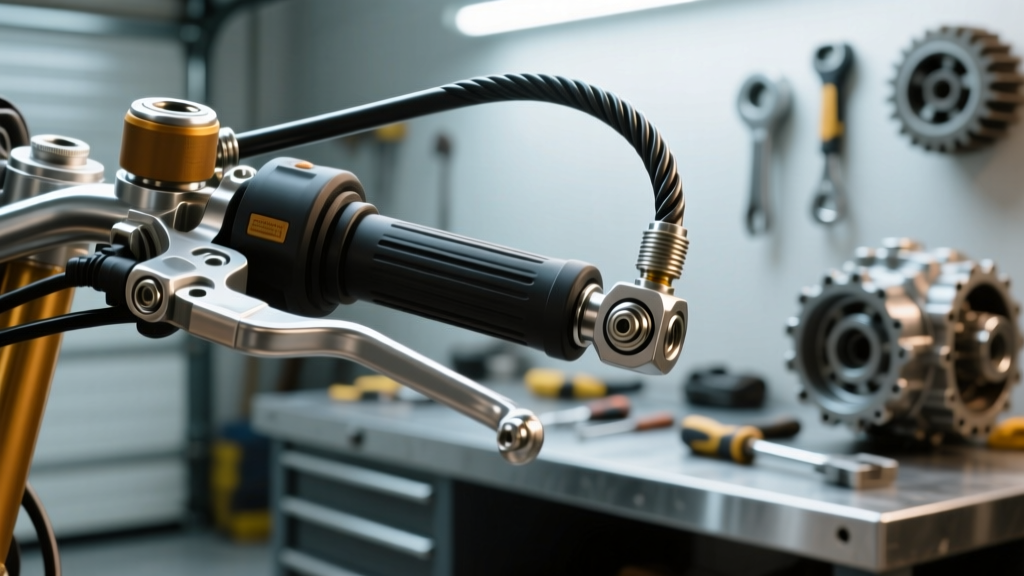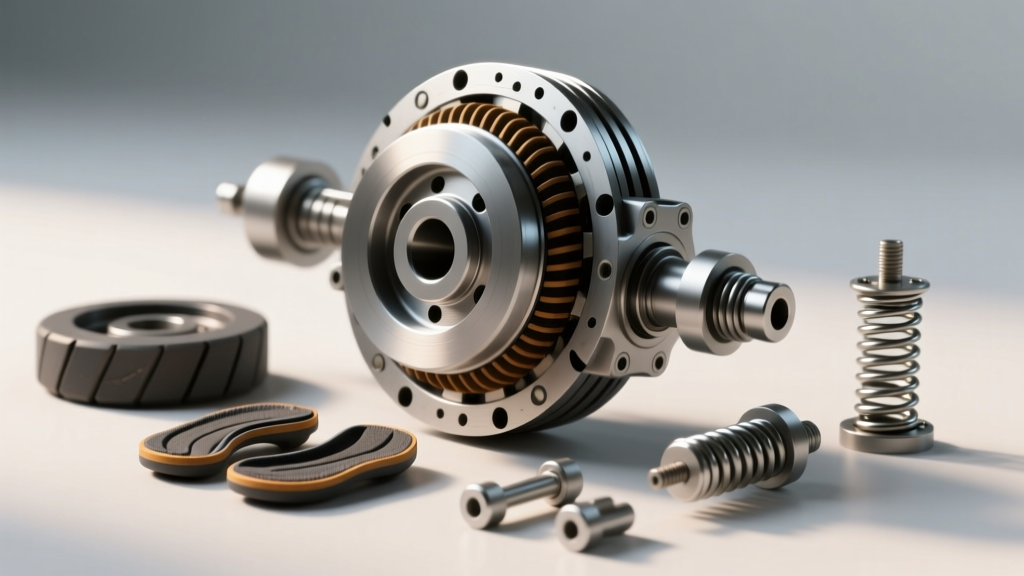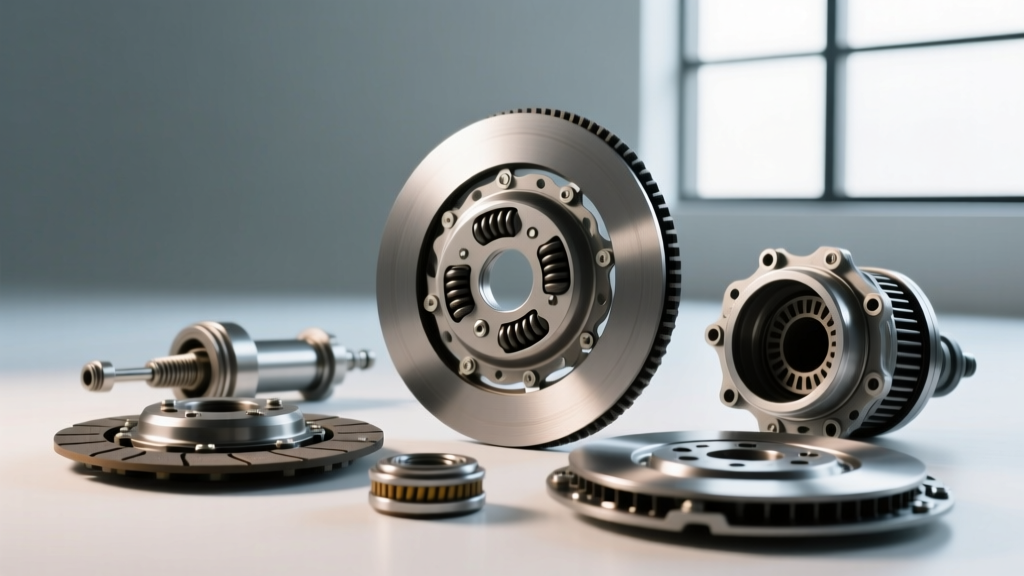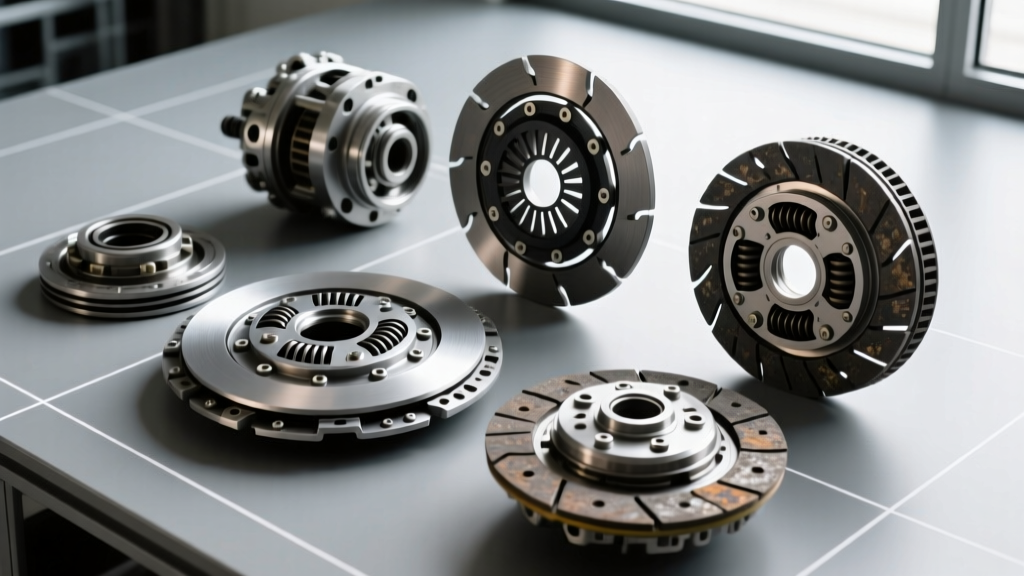
The Great BMW Pedal Confusion: DCT vs. Manual Diagnostics
When enthusiasts and owners search for BMW dual clutch transmission clutch pedal problems, they are often met with a mechanical paradox: automated dual-clutch transmissions (like the Getrag GS7D36SG M DCT found in the E9x, F8x, and G8x M-cars) do not possess a physical clutch pedal. In these vehicles, the brake pedal acts as the primary clutch disengagement input via the mechatronic unit. However, many owners either misidentify their drivetrain (confusing the ZF GS6 6-speed manual with the DCT) or experience severe brake pedal shudder and sponginess that perfectly mimics traditional clutch failure symptoms.
As of 2026, diagnosing pedal anomalies in BMW M-cars requires a bifurcated approach. Below, we deconstruct the exact failure modes, part numbers, and hydraulic specifications for both the physical clutch pedals of BMW manuals and the 'virtual' clutch pedal inputs of the BMW dual clutch transmission.
BMW Dual Clutch Transmission: When the Brake Pedal Acts Like a Clutch
In a BMW dual clutch transmission (DKG / M DCT), the mechatronic unit relies on brake pedal position and hydraulic pressure sensors to determine when to open the K1 and K2 clutch packs. If you are experiencing what feels like 'clutch pedal problems' in a DCT-equipped vehicle, you are actually experiencing brake hydraulic faults or mechatronic shudder.
Spongy Brake Pedal & DCT Creep Roll
A spongy brake pedal in an F80 M3 or F82 M4 DCT directly compromises clutch disengagement. Because DOT 4 brake fluid is hygroscopic, moisture intrusion lowers the fluid's boiling point and introduces compressible air into the ABS/DSC module and mechatronic feed lines.
Symptom: The pedal feels soft, and the vehicle exhibits 'creep roll' at stoplights because the mechatronic unit fails to receive the definitive pressure signal required to fully disengage the odd/even clutch packs.
Fix: Perform a full ABS/DSC module pressure bleed using BMW ISTA+ software, utilizing fresh low-viscosity DOT 4 fluid (e.g., Pentosin Super DOT 4).
Vibrating Pedal: Mechatronic Accumulator & Flywheel Shudder
If your brake pedal vibrates aggressively when held down at a stoplight, you are feeling the physical chatter of the clutch packs rapidly engaging and disengaging. This is a hallmark failure of the DCT mechatronic pressure accumulator or a failing Dual Mass Flywheel (DMF).
The Accumulator Fault: The hydraulic accumulator maintains line pressure (typically 50-60 bar) for clutch actuation. When the internal nitrogen bladder ruptures, the mechatronic pump cycles rapidly to maintain pressure, causing a high-frequency shudder transmitted through the chassis and brake pedal.
The DMF Fault: The primary and secondary masses of the flywheel lose dampening cohesion, sending torsional vibrations directly into the driveline and pedal box.
Diagnosing Physical Clutch Pedal Problems (BMW GS6 Manuals)
For vehicles equipped with the ZF GS6-53BZ (or similar GS6 variants), physical clutch pedal problems are rooted in traditional hydraulic and mechanical wear. Here is the diagnostic matrix for soft, hard, and vibrating pedals.
1. Soft or Spongy Clutch Pedal (Hydraulic Failure)
The BMW manual transmission utilizes a Concentric Slave Cylinder (CSC) integrated directly into the throw-out bearing. When the internal seals blow, hydraulic fluid leaks into the bellhousing, resulting in a pedal that drops to the floor with zero resistance.
- Primary Culprit: Failing CSC (OE Part # 21527581212 or FTE KG15028.1.1).
- Secondary Culprit: Cracked plastic hard-line running from the master cylinder to the slave.
- Diagnostic Step: Inspect the transmission bellhousing weep hole for Pentosin MTF-LT-3 fluid residue. Note that the manual transmission hydraulic system shares fluid with the manual gearbox itself on many GS6 models; a blown CSC means the gearbox has been contaminated with water/moisture from the master cylinder reservoir.
2. Hard Clutch Pedal (Mechanical Binding)
A clutch pedal that requires excessive force to depress is rarely a hydraulic issue; it is a mechanical binding issue.
- Pressure Plate Fatigue: The diaphragm spring fingers on the ZF Sachs pressure plate warp or lose metallurgical tension, requiring up to 40% more pedal effort.
- Input Shaft Binding: The clutch disc hub splines bind against the transmission input shaft due to improper lubrication or rust ingress. Repair Note: During installation, apply only a micro-layer of high-temp moly grease (BMW Part # 83232246458) to the splines. Over-greasing will fling onto the friction material upon startup, causing catastrophic slipping.
- Pilot Bearing Seizure: A dry needle-bearing pilot bushing in the crankshaft creates immense rotational drag when the clutch is disengaged.
3. Vibrating Clutch Pedal (Chatter & DMF Failure)
A vibrating clutch pedal during engagement (the friction zone) is universally caused by torsional resonance or uneven friction surfaces.
- Dual Mass Flywheel (DMF): The internal arc springs collapse, or the grease cavity breaches, leading to metal-on-metal chatter. ZF Sachs Aftermarket specifies that DMF axial free play must not exceed 1.5mm. (Common Part # 2290 601 026).
- Oil Contamination: A leaking rear main seal (RMS) or transmission input shaft seal coats the clutch disc in oil, causing it to grab and release violently.
Comparative Diagnostic Matrix: Pedal Symptoms
| Symptom | BMW Manual (GS6) | BMW Dual Clutch Transmission (M DCT) |
|---|---|---|
| Spongy / Soft Pedal | Blown Concentric Slave Cylinder (CSC); Air in MTF-LT-3 hydraulic circuit. | Spongy brake fluid; Air in ABS/DSC module; Failing brake master cylinder. |
| Hard Pedal Effort | Warped pressure plate fingers; Binding input shaft splines; Seized pilot bearing. | N/A (Brake pedal effort dictated by brake booster / DSC pump). |
| Vibrating / Shudder | Collapsed DMF springs; Oil on friction disc; Worn engine/transmission mounts. | Failing mechatronic accumulator; DMF failure; Clutch pack glazing (K1/K2). |
| Engagement Delay | Worn friction material; Master cylinder bypassing internally. | Mechatronic adaptation loss; Low DCTF-1+ fluid level; Worn clutch packs. |
Repair Procedures & Torque Specifications
Addressing these issues requires strict adherence to BMW torque specifications and software adaptations. Below are the critical parameters for 2026 repair workflows.
GS6 Manual Transmission: CSC Replacement & Bleeding
- Drain & Remove: Drain the gearbox (1.5L capacity, Pentosin MTF-LT-3). Remove the driveshaft, exhaust hangers, and transmission crossmember.
- Slave Cylinder Torque: Secure the new CSC to the bellhousing using M8 bolts torqued to 25 Nm.
- Flywheel Torque: If replacing the DMF, use new M8 stretch bolts. Torque to 105 Nm + 90 degrees in a star pattern.
- Hydraulic Bleed: Because the GS6 hydraulic system is self-bleeding in some iterations but stubborn in others, use a pressure bleeder set to 2 bar. Cycle the pedal 50 times, then crack the bleeder valve at the slave cylinder until bubble-free fluid emerges.
BMW Dual Clutch Transmission: Mechatronic Adaptation
If you have replaced the DCT mechatronic unit, accumulator, or clutch packs to solve pedal shudder, physical repair is only 50% of the job. The transmission control module (TCM) must relearn the clutch touch points.
- Connect a licensed diagnostic tool (BMW ISTA+ or advanced bi-directional scanner like Autel MaxiSys).
- Navigate to Service Functions > Powertrain > Transmission > M DCT > Clutch Adaptation.
- Perform the 'Clutch Fill Volume' and 'Touch Point' adaptations. The vehicle must be on a lift with the rear wheels free to spin. The mechatronic unit will cycle the clutches, generating audible clunks—this is normal.
- Pro Tip: Always check the Bimmerpost M3/M4 Technical forums for the latest ISTA+ integration levels, as outdated software can cause adaptation routines to fail with a 'Plausibility Error'.
2026 Repair Cost & Part Number Guide
Below is a realistic breakdown of parts and labor costs for resolving pedal anomalies in BMW M-vehicles, reflecting current market rates and OEM pricing.
| Component / Service | OE / OEM Part Number | Est. Parts Cost (2026) | Est. Labor Hours |
|---|---|---|---|
| Manual CSC (Slave Cylinder) | FTE KG15028.1.1 / OE 21527581212 | $180 - $240 | 4.5 - 6.0 hrs |
| Manual DMF & Clutch Kit | Sachs 2290 601 026 (DMF) | $1,200 - $1,600 | 5.0 - 7.0 hrs |
| DCT Mechatronic Accumulator | OE 28107597920 | $650 - $850 | 2.0 - 3.0 hrs |
| DCT Fluid Service (Pentosin DCTF-1+) | FCP Euro DCT Service Kit | $250 - $320 | 1.5 hrs |
| ISTA+ Clutch Adaptation (Dealer/Indie) | Software Service | $150 - $250 | 1.0 hr |
Author's Note: Whether you are rowing your own gears in a GS6 manual or relying on the lightning-fast shifts of a BMW dual clutch transmission, ignoring pedal feedback is a recipe for catastrophic driveline failure. Address sponginess and shudder immediately to protect your flywheel, mechatronic unit, and clutch packs.