The True Cost of a 330i Clutch Replacement: LuK vs. Sachs
When the clutch on your manual BMW 330i (E90/E92 generation with the N52 or N53 engine) finally gives out, you are immediately thrust into one of the most debated topics in the BMW community: the 330i LuK vs Sachs clutch dilemma. Both manufacturers are Tier 1 OEM suppliers for BMW, but their aftermarket kits differ in friction material composition, hardware inclusion, and pricing. However, the upfront cost of the parts is only half the financial equation. The real financial danger lies in post-repair clutch problems—symptoms that arise immediately after the transmission is bolted back onto the engine block.
In 2026, with independent European specialist labor rates averaging $165 to $195 per hour, a second transmission drop due to a misdiagnosed post-repair symptom will obliterate any money saved by choosing a cheaper kit or cutting corners on the flywheel. Below is a comprehensive cost analysis and diagnostic guide for post-replacement clutch failures on the Getrag GS6-37BZ 6-speed manual transmission.
Upfront Parts & Labor Cost Breakdown
| Brand / Kit Type | Part Number | Kit Contents | Avg. Price (2026) | OEM Status |
|---|---|---|---|---|
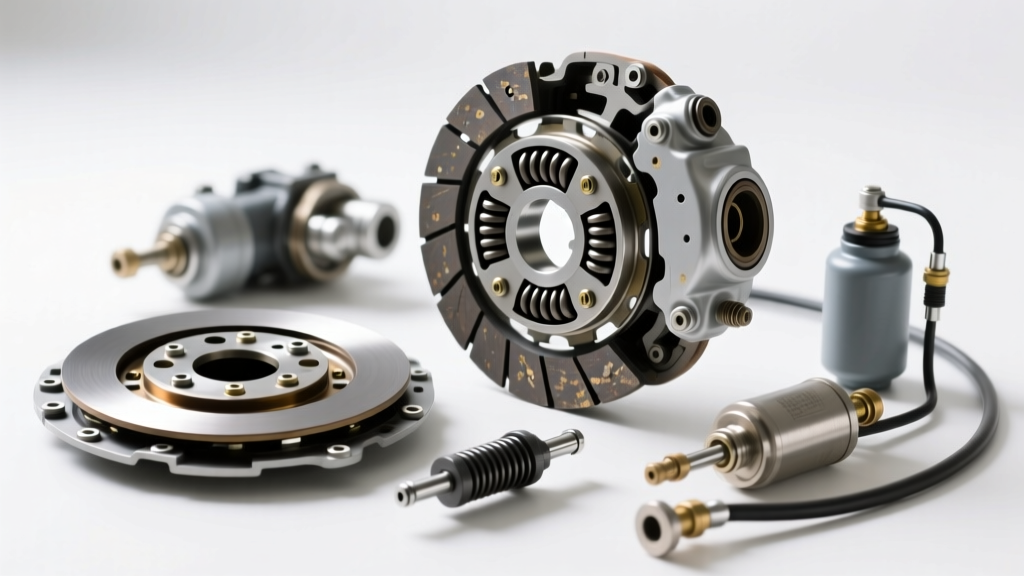
| LuK RepSet Pro (DMF) | 624 3146 00 | Disc, Pressure Plate, DMF, CSC, Hardware | $750 - $820 | OEM Supplier (Schaeffler) |
| Sachs XTend (DMF) | 2290 601 013 | Disc, Pressure Plate, DMF, CSC, Hardware | $810 - $890 | OEM Supplier (ZF) |
| Specialist Labor (R&R) | N/A | 7.5 Hours @ $175/hr | $1,312 | Varies by Region |
| Fluids & Misc (Pentosin CHF) | 83220397244 | DOT4 / CHF11s, Cleaner, Bolts | $85 | Required |
Note: Prices reflect premium retailers like FCP Euro or ECS Tuning. Purchasing from unverified marketplace sellers often results in counterfeit friction discs, leading directly to the post-repair failures detailed below.
Diagnosing Post-Repair Clutch Symptoms on the GS6-37BZ
If you have just picked up your 330i from the shop—or finished a weekend DIY swap in your garage—and the car is exhibiting abnormal behavior, you must diagnose the issue before it causes catastrophic damage to the transmission input shaft or the crankshaft thrust bearings.
Symptom 1: Severe Clutch Chatter on 1st and 2nd Gear Engagement
The Complaint: The car violently shudders when releasing the pedal from a dead stop, especially when the engine is cold. It feels like the engine mounts are broken.
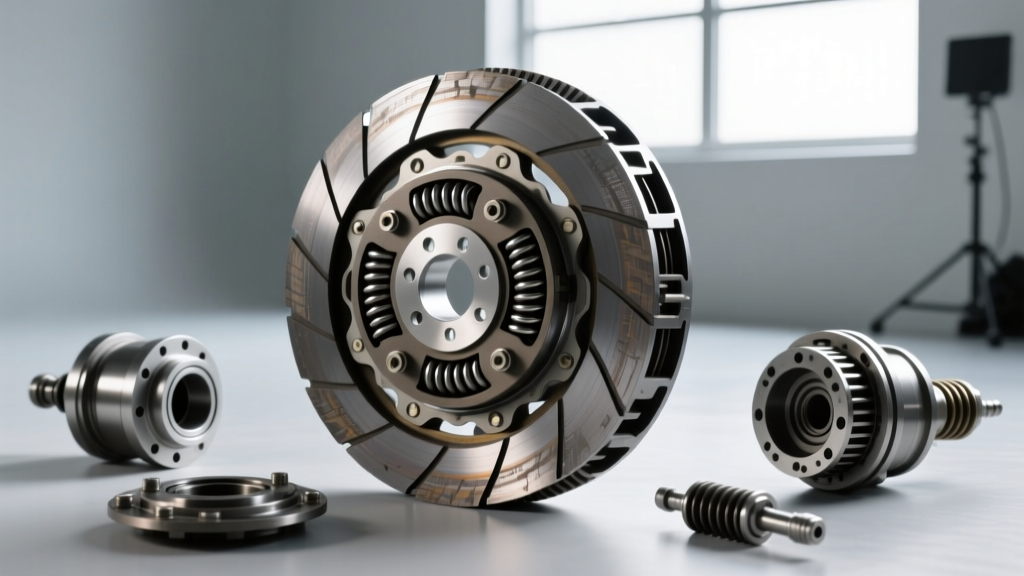
The Root Cause: Chatter after a fresh LuK or Sachs installation is almost never the fault of the friction disc itself. It is caused by Dual Mass Flywheel (DMF) runout or a mismatched step height. The BMW N52/N53 engines generate significant torsional vibration. If a shop attempted to save you money by resurfacing the old DMF instead of replacing it (a strict violation of Schaeffler/LuK engineering guidelines), the internal damping springs are likely fatigued, and the friction surface will have lateral runout exceeding the 0.5mm maximum tolerance.
The Financial Penalty: If chatter is present, the transmission must be dropped again. You will incur a second labor charge ($1,312) plus the cost of a new DMF ($450). Total post-repair penalty: $1,762.
Symptom 2: Spongy Pedal and Gear Crunching (Reverse/1st Gear)
The Complaint: The clutch pedal feels soft, lacks a distinct engagement point, and the transmission crunches when shifting into Reverse or 1st gear while stationary.
The Root Cause: This is a hydraulic disengagement issue, specifically tied to the Concentric Slave Cylinder (CSC) and the infamous BMW Clutch Delay Valve (CDV). The GS6-37BZ transmission utilizes a CSC that integrates the release bearing. If the hydraulic system was not vacuum-bled using a motive bleeder, air remains trapped in the CSC cavity. Furthermore, if the CDV (located in the slave cylinder hardline) was not removed or modified, it restricts fluid flow, causing incomplete disengagement during rapid shifts.
The Financial Penalty: If caught early, a proper vacuum bleed and CDV deletion costs about $150 in labor and $25 for a modified CDV. However, if the spongy pedal caused the owner to force gears, resulting in bent shift forks or damaged synchros inside the Getrag unit, a transmission rebuild or replacement will cost between $2,500 and $4,000.
Symptom 3: Premature Slipping Under High Load (4,000+ RPM)
The Complaint: The clutch holds fine in city traffic, but when merging onto the highway or pulling hard in 3rd gear, the RPMs flare without a corresponding increase in vehicle speed.
The Root Cause: Oil contamination or improper break-in procedures. Sachs XTend kits utilize a specialized carbon-ceramic organic friction material that requires a strict 500-mile break-in period of varied RPM driving. If the vehicle was immediately subjected to high-boost or aggressive launches, the Sachs disc will glaze. Alternatively, if the shop ignored a minor rear main seal (RMS) or transmission input shaft seal leak during the initial teardown, engine oil will contaminate the fresh LuK or Sachs disc within the first 1,000 miles.
The Financial Penalty: A glazed Sachs disc cannot be deglazed; it must be replaced. An oil-contaminated disc requires a new clutch kit ($800) plus the ignored seal ($35) and another round of labor ($1,312). Total penalty: $2,147.
Critical Torque Specs: Where Installation Errors Hide
Many post-repair vibrations and slipping issues stem directly from improper torque sequences. The Getrag GS6-37BZ and BMW N-series engines require precise fastener management. Reusing stretch bolts is a primary cause of post-repair catastrophic failure.
- Dual Mass Flywheel to Crankshaft (M10x60 Bolts): 65 Nm + 90 degrees. (Must use new OEM stretch bolts. Failure to torque to the angle spec results in flywheel walk and crankshaft thrust bearing destruction).
- Pressure Plate to Flywheel (M8 Bolts): 25 Nm. (Must be tightened in a crisscross star pattern to prevent pressure plate warping, which causes uneven wear and premature slip).
- Transmission to Engine Block (M10 Bolts): 45 Nm.
- Transmission to Engine Block (M12 Bolts): 70 Nm.
- Driveshaft Flex Disc (Giubo) M12 Nuts: 100 Nm + 37 degrees. (A loose Giubo will mimic clutch chatter and drivetrain lash).
LuK vs. Sachs: Which Brand Minimizes Post-Repair Diagnostics?
When analyzing the data from European specialist shops in 2026, the choice between LuK and Sachs often dictates the type of post-repair complaints a shop will face.
Expert Insight: LuK's RepSet Pro utilizes a traditional organic friction compound with a highly progressive marcel spring. This makes the clutch incredibly forgiving during the break-in period and provides a smooth, OEM-like pedal feel. However, it is more susceptible to heat fade if the 330i is used for track days. Sachs, owned by ZF Group, engineers the XTend kit with a more aggressive friction material and a self-adjusting pressure plate mechanism. Sachs is vastly superior for high-load applications but is highly unforgiving if the hydraulic system has air or if the break-in procedure is ignored, leading to immediate glazing and slip complaints.
If your 330i is a daily driver that sees occasional canyon carving, the LuK 624 3146 00 kit offers the lowest risk of post-repair chatter and pedal complaints due to its forgiving friction material. If your 330i is a dedicated weekend car or tracksport build, the Sachs 2290 601 013 is mandatory, provided you strictly adhere to the 500-mile break-in protocol and ensure the hydraulic system is flawlessly bled.
The Bottom Line on Post-Repair Costs
Cheaping out on a clutch replacement by reusing the DMF, ignoring the CSC, or failing to replace the crankshaft stretch bolts will inevitably result in post-repair symptoms that cost double or triple the price of the original job. Whether you choose LuK or Sachs, always purchase a complete, all-inclusive kit from a reputable vendor, insist on new OEM hardware, and verify that your technician understands the specific hydraulic quirks of the BMW GS6-37BZ transmission. Proper diagnosis of post-repair symptoms requires looking past the clutch disc itself and examining the flywheel runout, hydraulic delay valves, and exact torque specifications that keep the drivetrain harmonized.