The Legacy of the F30: Understanding the 2013 BMW 328i Drivetrain Malfunction
For automotive technicians and BMW enthusiasts, the phrase drivetrain malfunction BMW 328i 2013 remains one of the most infamous warnings in modern automotive diagnostics. The 2013 F30 328i, equipped with the N20 2.0L turbocharged engine and the ZF 8HP45 8-speed automatic transmission, set a benchmark for both performance and specific, preventable drivetrain vulnerabilities. When the iDrive system displays the dreaded 'Drivetrain Malfunction: Maximum power not available' warning, it is rarely a catastrophic internal gear failure. Instead, it is typically the result of peripheral drivetrain component degradation triggering limp-home mode.
The three primary culprits behind the 2013 328i's drivetrain faults include:
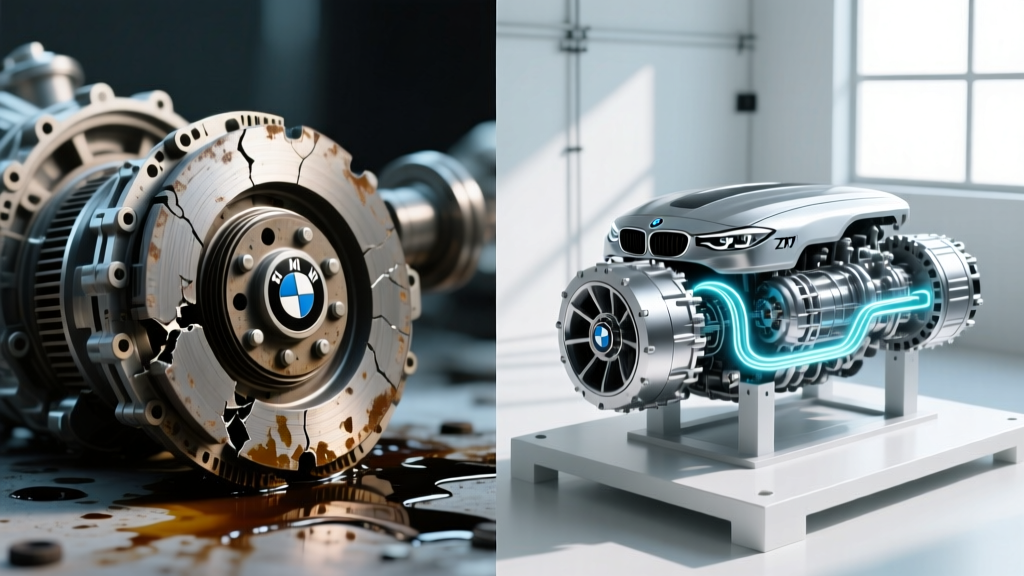
- Mechatronic Sealing Sleeve Failure: The ZF 8HP45 utilizes a plastic sealing sleeve (Part # 24347588725) where the electrical connector passes through the transmission casing. Over time, heat cycles cause this plastic to warp and the internal O-rings to flatten, allowing ATF to leak down the bellhousing. This drops fluid levels, causing solenoid pressure faults and triggering the drivetrain malfunction code.
- Driveshaft Flex Disc (Guibo) Deterioration: The rubber flex disc absorbs torsional vibration between the transmission output shaft and the driveshaft. On the 2013 models, premature cracking leads to severe driveline shudder under load, which the ECU interprets as a mechanical slip or traction loss.
- Transfer Case Actuator Gear Wear: In xDrive models, the internal plastic gear inside the transfer case servo motor strips, causing binding and torque distribution errors.
The Evolution: Drivetrain in Hybrid Vehicles (PHEV Architecture)
As we evaluate the drivetrain landscape in 2026, the automotive industry has heavily pivoted toward Plug-in Hybrid Electric Vehicles (PHEVs). BMW's modern hybrid drivetrains—found in vehicles like the G20 330e and G05 X5 xDrive50e—utilize evolved versions of the ZF 8-speed architecture, specifically the ZF 8HP75 and 8HP90 Gen 3 hybrid transmissions.
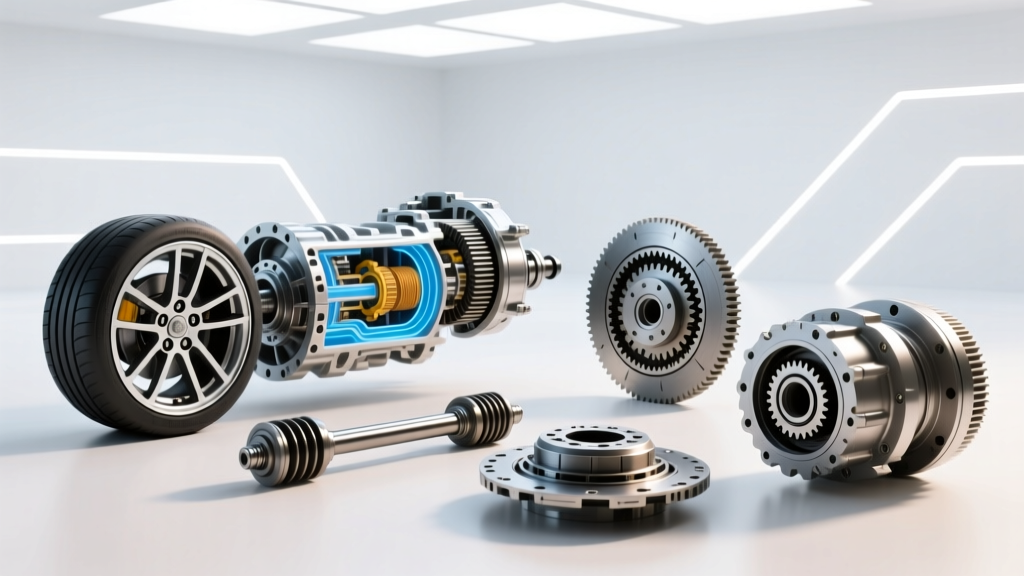
Unlike the 2013 328i, where the transmission is a standalone torque-multiplier, the drivetrain in hybrid vehicles integrates an electric motor (e-motor) directly into the transmission bellhousing, effectively replacing the traditional torque converter. This e-motor operates as both a propulsion source and a regenerative braking generator. While this eliminates the torque converter's inherent slip and heat generation, it introduces entirely new mechanical and electrical stress points that require a radically different preventive maintenance approach.
'In a PHEV drivetrain, the ATF is no longer just a hydraulic medium and lubricant; it is a dielectric coolant. The fluid is in direct contact with the e-motor stator windings. If the fluid degrades and loses its dielectric properties, you will not just get a mechanical failure—you will trigger a high-voltage isolation fault that immediately shuts down the entire hybrid drivetrain.' — Senior ZF Drivetrain Systems Engineer
Preventive Maintenance Matrix: ICE vs. PHEV Drivetrains
To prevent the catastrophic failures that plagued earlier generations, maintenance intervals and specifications must be strictly adhered to. Below is a comparative matrix detailing the preventive maintenance requirements for the legacy 2013 328i versus modern BMW hybrid drivetrains.
| Component / Parameter | 2013 BMW 328i (ZF 8HP45 ICE) | Modern BMW PHEV (ZF 8HP75 Hybrid) |
|---|---|---|
| ATF Specification | ZF LifeguardFluid 8 (Shell M-1375.4) | ZF LifeguardFluid 8 / Hybrid-Specific Dielectric ATF |
| ATF Capacity (Dry Fill) | ~8.5 Liters (Service fill ~5-6L) | ~9.0 Liters (Requires precise dielectric level check) |
| Service Interval | 60,000 miles (Severe) / 100,000 miles (Normal) | 50,000 miles (Strict due to e-motor cooling demands) |
| Flex Disc Torque Spec | M10 Bolts: 56 Nm + 90 degrees | M10 Bolts: 56 Nm + 90 degrees (High-tensile steel) |
| Primary Cooling Method | Engine coolant-to-ATF heat exchanger | Dedicated low-temp e-motor stator cooling circuit |
| Common Failure Trigger | Mechatronic sleeve leak / Guibo tear | HVIL (High Voltage Interlock) fault / Clutch pack wear |
Hybrid-Specific Drivetrain Vulnerabilities & Preventive Protocols
While the modern hybrid drivetrain eliminates the torque converter and the fragile mechatronic sealing sleeve of the 2013 era, it introduces complex vulnerabilities that require specialized preventive care.
1. E-Motor Stator Cooling Circuit Degradation
In BMW PHEVs, the electric motor generates immense heat during rapid acceleration and high-amperage regenerative braking. The transmission fluid routes directly through the e-motor stator to dissipate this heat. By 60,000 miles, the shear forces and thermal cycling cause the ATF's additive package to break down. If the fluid's dielectric strength drops below the manufacturer's threshold, the vehicle's Battery Management System (BMS) will detect a micro-leakage current to ground. This triggers a high-voltage isolation fault, resulting in a complete drivetrain shutdown. Preventive Protocol: Perform a full ATF exchange (not a drain-and-fill) using a specialized flush machine capable of cycling fluid through the e-motor cooling galleries every 50,000 miles.
2. Regenerative Braking Clutch Pack Wear
Traditional ICE drivetrains only experience severe clutch pack wear during upshifts and downshifts. In a hybrid drivetrain, the e-motor reverses torque direction instantaneously during regenerative braking. This places immense shearing force on the ZF 8HP's internal multi-plate clutches, particularly Clutch Pack C and D, which must hold the planetary gearsets stationary against the reverse electromagnetic torque. Using aftermarket fluids that lack the exact friction modifiers specified by ZF will result in micro-slippage, glazing the clutch plates and eventually triggering a 'Drivetrain Malfunction' code for gear ratio errors.
3. High-Voltage Interlock Loop (HVIL) False Triggers
The hybrid drivetrain is monitored by a low-voltage safety circuit called the HVIL. This loop connects the battery, the inverter, the e-motor, and the transmission control module. Vibration from worn engine mounts or a deteriorating driveline flex disc can cause microscopic disconnects in the HVIL connectors located on the transmission casing. The ECU interprets this millisecond disconnect as a severed high-voltage cable and instantly disables the drivetrain to prevent electrocution. Ensuring the transmission-to-chassis grounding straps and HVIL connectors are cleaned and treated with dielectric grease during routine undercarriage inspections is vital.
Real-World Part Numbers, Costs, and Torque Specifications (2026 Pricing)
Whether you are maintaining a classic F30 328i to keep it on the road or servicing a modern PHEV, having the correct OEM part numbers and torque specifications is non-negotiable. Below is a reference guide based on 2026 aftermarket and dealer pricing.
Legacy 2013 BMW 328i (ZF 8HP45) Repair Data
- Mechatronic Sealing Sleeve Kit: Part # 24347588725. Includes the sleeve, O-rings, and sealing gasket. Cost: $160 - $220.
- Driveshaft Flex Disc (Guibo): Part # 26117511454. Cost: $90 - $140. Torque: M10 bolts to transmission output flange must be torqued to 56 Nm + 90 degrees of rotation. Always replace the aluminum stretch bolts.
- Transmission Oil Pan/Filter Assembly: Part # 24118612100. The filter is integrated into the plastic pan. Torque: M6 pan bolts to 10 Nm in a crisscross pattern to prevent warping the plastic.
Modern BMW PHEV (ZF 8HP75 Hybrid) Maintenance Data
- ZF LifeguardFluid 8 (Hybrid Rated): Sourced via ZF Aftermarket Lubricants. Cost: $220 - $280 for a 7L service kit.
- E-Motor Stator Seal & Insulator Ring: Part # 24218511662. Required if the transmission is dropped and the e-motor is separated for internal clutch service. Cost: $350 - $450.
- HVIL Connector Pigtail: Part # 61139329075. Replaced if the interlock loop shows signs of thermal fatigue or micro-arcing. Cost: $85.
Conclusion: Shifting the Maintenance Paradigm
The infamous drivetrain malfunction BMW 328i 2013 warning taught a generation of owners that 'lifetime' transmission fluid is a myth and that peripheral seals dictate the survival of the drivetrain. As we look at the drivetrain in hybrid vehicles today, the stakes are significantly higher. The integration of high-voltage electric motors into the transmission housing means that mechanical maintenance is now inextricably linked to electrical safety and dielectric integrity. By adhering to strict 50,000-mile fluid exchange intervals, utilizing only OEM-specified dielectric ATF, and monitoring the physical health of HVIL connections and flex discs, owners can ensure their hybrid drivetrains operate flawlessly, leaving the 'Drivetrain Malfunction' warnings in the past.
For further reading on ZF transmission service procedures, consult the FCP Euro ZF 8-Speed Fluid Guide or engage with the enthusiast community on the Bimmerpost F30 Drivetrain Forums for real-world diagnostic logging.