The Engineering Divide: Automotive Fluid vs. 212cc Mechanical CVTs
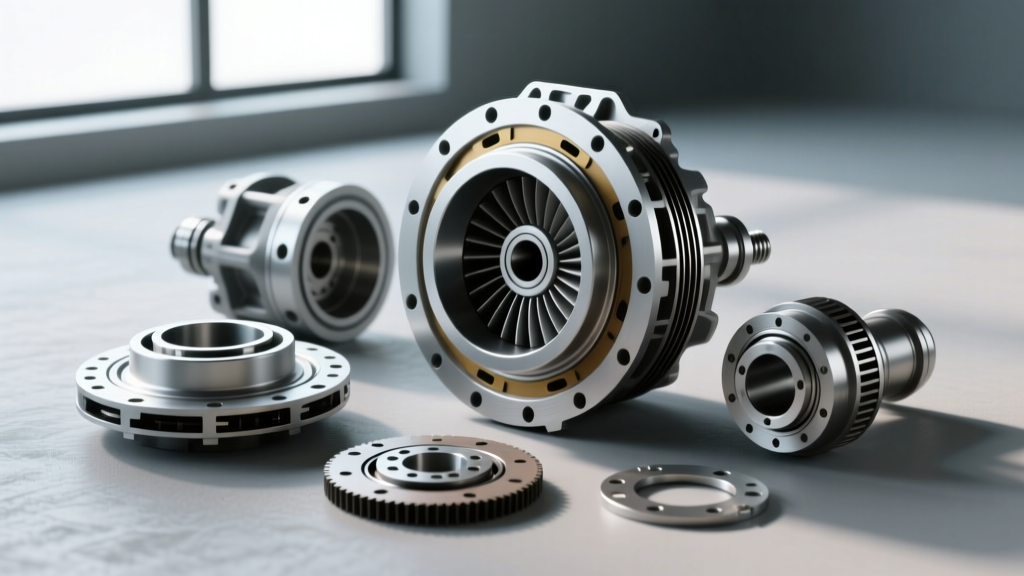
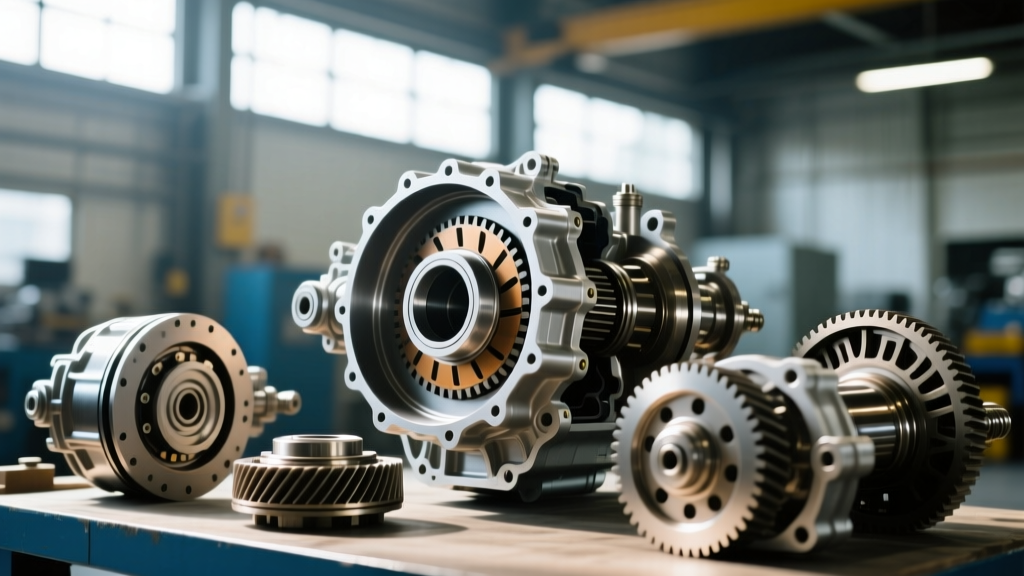
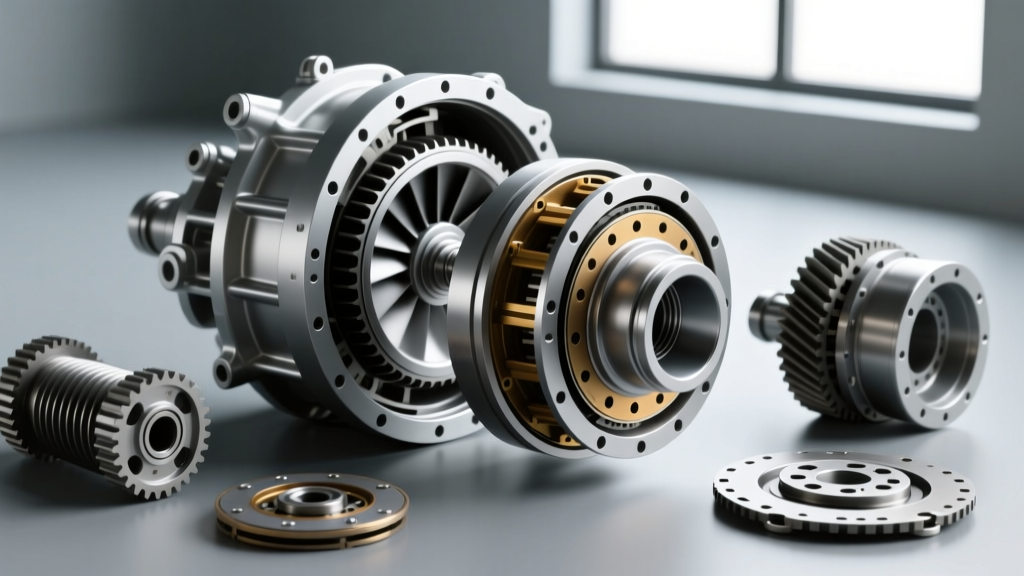
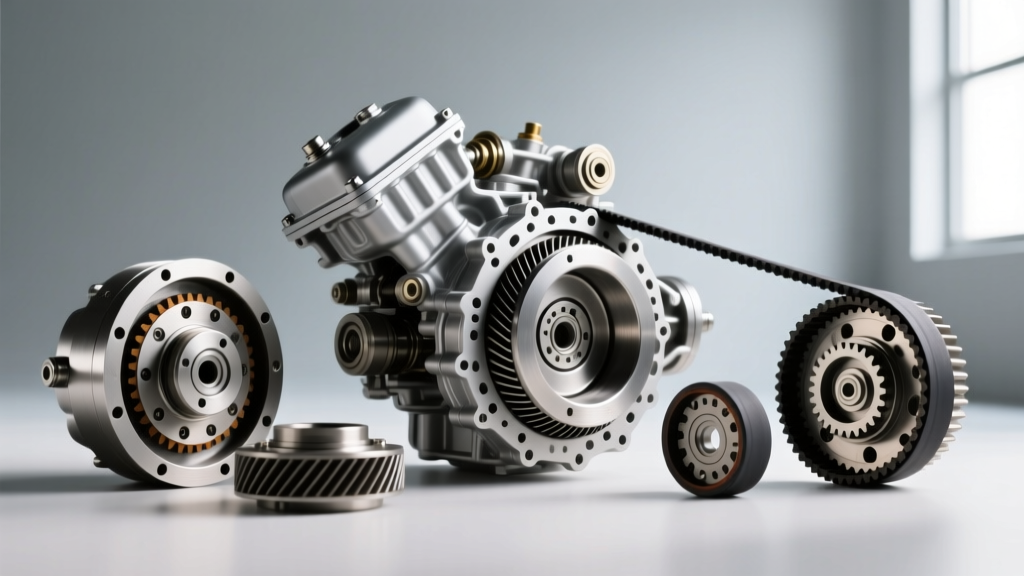
When automotive engineers discuss torque converters, they are typically referencing the fluid-coupling devices found in automatic transmissions like the GM 4L60E, the Ford 6R80, or the ZF 8HP. These units rely on hydraulic fluid dynamics, an impeller, a turbine, and a stator to multiply torque and manage stall speed. However, in the small-engine performance community—specifically regarding the wildly popular Predator and Honda GX200 clone platforms—the term torque converter 212cc refers to an entirely different mechanism: a mechanical Continuously Variable Transmission (CVT), most notably the Comet TAV2 (30 Series) or the 40 Series systems.
While the physics differ from a lockup automatic transmission, the fundamental goal remains identical: providing infinite gear ratios to keep the engine in its optimal power band while multiplying torque at low RPMs. When a 212cc torque converter begins to fail, the symptoms manifest mechanically rather than hydraulically. Diagnosing these bad torque converter symptoms requires a deep understanding of centrifugal clutches, torque-sensing cams, and belt-driven power transfer. Below, we break down the exact failure modes, performance bottlenecks, and upgrade paths for your 212cc platform.
5 Critical Symptoms of a Failing 212cc Torque Converter
Unlike a failing automotive torque converter clutch (TCC) which might trigger a P0740 diagnostic trouble code and cause high-speed shudder, a failing mechanical CVT on a 212cc go-kart or mini bike presents highly physical, observable symptoms.
1. Belt Slippage and "Rubber Burn" Under Load
The most common indicator of a failing system is belt glazing and slippage. The standard 30 Series CVT uses a 669 belt (3/4-inch width, 27.15-inch circumference). If the movable sheave on the driver pulley binds due to a lack of high-temperature grease or debris ingress, the pulley cannot close fully under high RPM. This prevents the belt from riding high in the driver pulley, resulting in massive slippage, a distinct burning rubber odor, and rapid belt degradation. In performance applications, this mimics the feeling of a slipping clutch plate in a manual transmission.
2. Failure to Shift into Overdrive (Top-End Bog)
A properly functioning Comet TAV2 torque converter achieves an overdrive ratio of 0.9:1 at peak RPM. If your 212cc engine is screaming at 6,500 RPM but the kart tops out at 25 mph instead of its geared 40+ mph potential, the driven pulley is failing to compress. This is almost always caused by a fatigued driven spring or a seized torque-sensing cam mechanism inside the driven pulley. The cam relies on plastic or bronze guide pins; when these wear out, the pulley jams in the underdrive (2.7:1) position.
3. Erratic Engagement and "Jerky" Takeoffs
The driver pulley acts as a centrifugal clutch, engaging the belt at approximately 1,500 to 1,800 RPM. If the internal brass or plastic shoes are worn unevenly, or if the main return spring has lost its tension, engagement becomes violent and erratic. This feels similar to a harsh garage shift in a poorly tuned 6L80E transmission, but it occurs at the initial launch, severely stressing the #35 or #40 drive chain and the rear axle sprocket.
4. Excessive Heat and Belt Delamination
Automotive torque converters manage heat via transmission fluid coolers. A 212cc CVT relies entirely on ambient airflow. If the alignment between the driver and driven pulleys is off by more than 1/16th of an inch, the belt will scrub against the sheaves laterally. This generates extreme friction heat, causing the Kevlar or polyester cords inside the 669 belt to delaminate and snap under heavy load.
5. Rattling at Idle and Low RPM
A distinct metallic rattle coming from the CVT cover at idle usually points to a worn needle bearing in the driven pulley or excessive play in the driver pulley's movable sheave. While automotive stators utilize one-way sprag clutches that can also rattle when failing, the 212cc rattle is a direct result of mechanical tolerances opening up due to cheap aftermarket casting metallurgy.
Performance Data: 30 Series vs. 40 Series CVT Upgrades
When symptoms of failure become chronic, especially on modified 212cc engines (e.g., those running a 22mm billet carburetor, high-lift cam, and upgraded valve springs), the standard 30 Series TAV2 becomes a bottleneck. Upgrading to a 40 Series torque converter is the small-engine equivalent of swapping a stock 4L60E torque converter for a high-stall aftermarket unit.
| Specification | 30 Series (TAV2 / Standard) | 40 Series (Performance Upgrade) | Automotive Comparison (e.g., 4L60E) |
|---|---|---|---|
| Bore Size | 3/4" (Fits stock 212cc crank) | 1" (Requires crank adapter or aftermarket billet crank) | N/A (Spline driven) |
| Underdrive Ratio | 2.7 : 1 | 3.0 : 1 (Better low-end torque multiplication) | 2.2 : 1 (Typical stall multiplication) |
| Overdrive Ratio | 0.9 : 1 | 0.8 : 1 (Lower cruising RPM, higher top speed) | 1.0 : 1 (Lockup) or 0.85 (Overdrive gear) |
| Belt Type | 669 (3/4" width) | 740 (1" width, longer circumference) | N/A (Fluid coupling) |
| Max Power Handling | ~8 HP (Stock 212cc) | 15-20+ HP (Built 212cc / 301cc) | 400+ HP |
| Avg. Replacement Cost | $85 - $130 (Clone kits) | $350 - $450 (Genuine Comet) | $400 - $800 (Converter only) |
The Upgrade Path: Fixing Symptoms via Performance Modifications
If you are experiencing bad torque converter symptoms on a mildly built 212cc, you do not always need to swap to a 40 Series. Targeted performance upgrades can eliminate slippage, lower operating temperatures, and sharpen engagement.
Upgrading to Kevlar-Reinforced Belts
Standard OEM-style 669 belts use a rubber compound that glazes easily when subjected to the aggressive power curve of a modified Predator 212. Upgrading to a Kevlar-reinforced 669 belt (such as those sourced from BMI Karts and Parts) dramatically increases the tensile strength and heat resistance of the belt. Kevlar belts maintain their structural integrity under the high lateral G-forces of aggressive cornering and heavy acceleration, effectively eliminating the "rubber burn" symptom.
Driven Pulley Spring Tuning
In an automotive transmission, shift points are dictated by the valve body and TCM mapping. On a 212cc CVT, shift points are dictated by the driven pulley spring. If your engine is modified to produce peak torque at a higher RPM, the stock spring will cause the transmission to "shift" into overdrive too early, bogging the engine down. By installing a high-tension torsion spring (often color-coded by manufacturers like Comet Industries), you force the CVT to hold the underdrive ratio longer, keeping the 212cc in its VTEC-equivalent power band before allowing the pulleys to equalize.
Step-by-Step Diagnostic and Rebuild Protocol
Before purchasing a replacement kit, perform this mechanical audit to ensure the root cause of your symptoms is actually the torque converter and not a secondary alignment issue.
- Verify Pulley Alignment: Use a straight edge across the faces of the driver and driven pulleys. The offset must not exceed 1/16". If it does, you must shim the engine mount or the rear axle bearing hangers. No belt upgrade will survive poor alignment.
- Inspect the Driver Pulley Sheaves: Remove the 3/4" crank bolt (torqued to 18-20 ft-lbs with Blue Loctite). Disassemble the movable sheave. Clean all surfaces with non-chlorinated brake cleaner. If the aluminum sheave faces are gouged or heavily pitted from belt slip, the unit must be replaced. Re-lubricate the internal splines with a high-moly grease, avoiding the friction surfaces.
- Audit the Driven Pulley Cam: Disassemble the driven pulley and inspect the torque-sensing cam pins. According to engineering bulletins from Comet Industries, worn cam pins are the leading cause of overdrive failure in 30 Series units. Replace the plastic pins with aftermarket bronze or steel upgrades if available.
- Chain Tension Check: A loose #35 or #40 chain can whip and strike the CVT cover, mimicking the sound of a failing internal torque converter bearing. Ensure exactly 1/4" to 3/8" of vertical chain slack at the midpoint between the sprockets.
Expert Insight: When installing a new torque converter on a 212cc engine, never use an impact wrench to seat the driver pulley onto the crankshaft. The sudden torque can crack the cast aluminum hub or damage the crankshaft keyway. Always use a proper harmonic balancer puller/installer tool or gently tap it into place with a dead-blow hammer, followed by proper torqueing of the retaining bolt.
Final Thoughts on 212cc Drivetrain Reliability
Diagnosing bad torque converter symptoms on a 212cc platform requires shifting your mindset from hydraulic diagnostics to mechanical kinematics. Whether you are rebuilding a worn Comet TAV2 with fresh springs and Kevlar belts, or taking the leap to a 1-inch bore 40 Series to handle a built 15HP clone engine, understanding the physical limitations of your CVT is paramount. By maintaining strict alignment tolerances, utilizing high-grade friction materials, and tuning your spring rates to match your engine's specific dyno curve, you can achieve seamless, automotive-grade power delivery on the track or the trail.
For further technical schematics and OEM replacement part numbers, consult the official OMB Warehouse powersports catalog or your local small-engine transmission specialist.