The Diagnostic Drain: What Your Differential Fluid Change Service Reveals
For most vehicle owners, a routine differential fluid change service is a simple maintenance checklist item. However, for an experienced drivetrain technician, pulling the differential cover or drain plug is a critical diagnostic gateway. The condition of the gear oil and the debris trapped on the magnetic plug tell a detailed story about the internal health of your ring and pinion, carrier, and axle bearings.
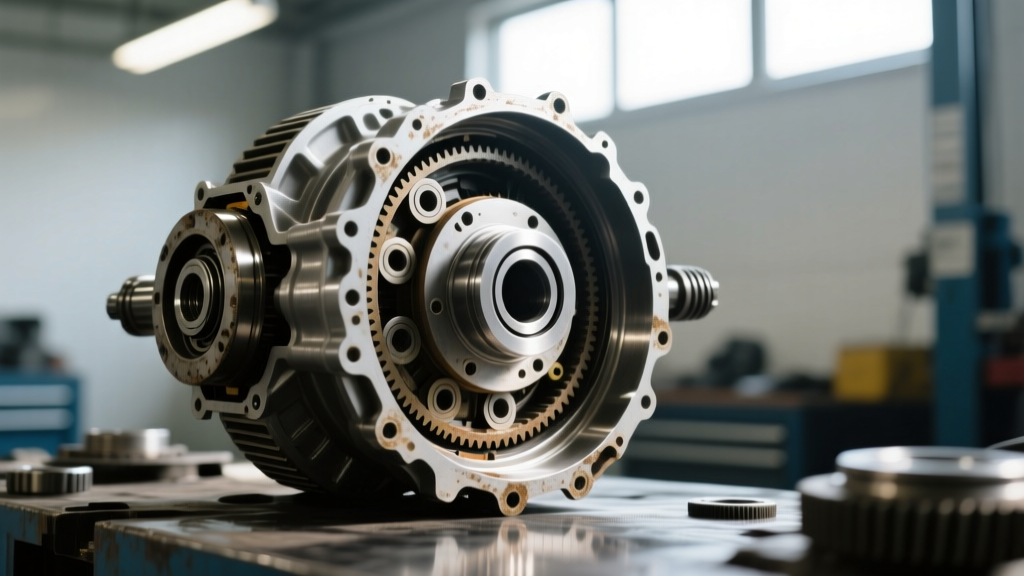
Before you simply refill with fresh 75W-90 synthetic, you must evaluate the drained fluid. A fine, metallic paste on the drain plug is normal wear for high-mileage differentials. However, if you find chunky metal shards, brass-colored cage fragments, or a milky emulsion indicating water ingress, a simple fluid swap will not save the axle. These are definitive signs of bearing cage failure, seal blowout, or catastrophic gear spalling. In 2026, with the increased towing capacities of modern half-ton trucks and the heavy curb weights of EV and hybrid SUVs, differential bearings are under more stress than ever. Recognizing these warning signs during a fluid service allows you to pivot from basic maintenance to a targeted bearing and seal replacement, saving the ring and pinion from total destruction.
Sourcing the Right Components: Bearings and Seals
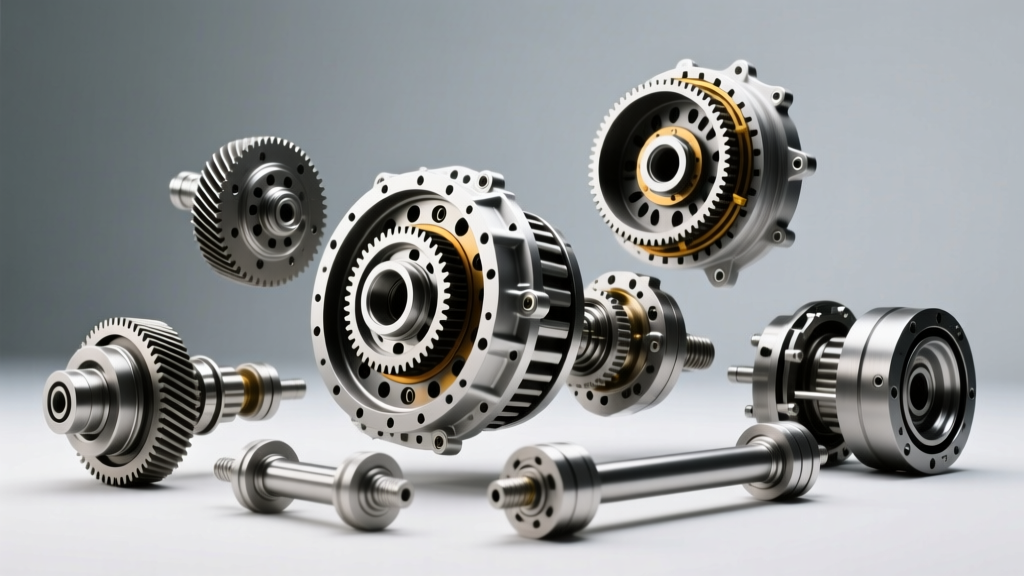
When a differential fluid change service uncovers the need for a rebuild, part selection is non-negotiable. The market is flooded with cheap, unbranded master rebuild kits from overseas marketplaces. These kits often feature bearings with poor metallurgy and incorrect cage clearances that will whine or fail within 10,000 miles. Always specify premium OEM-tier manufacturers like Timken for bearings and SKF or National for seals.
Below is a reference chart for some of the most common solid-axle platforms found on North American trucks and SUVs, detailing the exact part numbers and baseline preload specifications required for a proper rebuild.
| Axle Platform | Pinion Bearing (Timken) | Pinion Seal (National) | Carrier Bearing (Timken) | Pinion Preload (New) |
|---|---|---|---|---|
| Ford 8.8 / Super 8.8 | SET 12 / HM89443 | 710928 | SET 10 | 25-35 in-lbs |
| Dana 44 (Jeep JK/JL) | M88048 / M88010 | 20438 | LM501346 | 15-25 in-lbs |
| GM 8.5/8.625 10-Bolt | M88048 / M88010 | 710928 | LM501346 | 20-30 in-lbs |
The Pinion Seal and Bearing Dilemma: Crush Sleeves vs. Solid Spacers
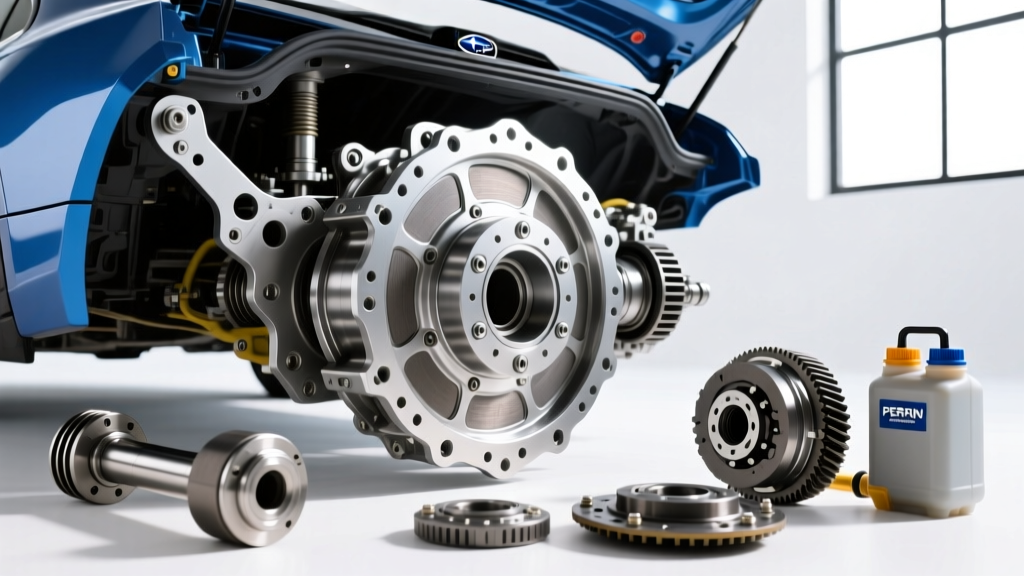
The most common failure point discovered during a differential fluid change service is a leaking pinion seal. The instinct for many DIYers is to unbolt the pinion flange, pry out the old seal, tap in a new one, and reuse the original pinion nut. This is a catastrophic mistake.
Most factory differentials use a crush sleeve to set pinion bearing preload. When you remove the pinion nut, the tension on the sleeve is released. If you reuse the old, already-crushed sleeve and torque the nut back down, you will almost certainly under-load the bearings, leading to pinion deflection, gear whine, and eventual tooth shear. If you over-torque the nut to compensate, you will overheat and destroy the new pinion bearings within miles.
Best Practice: The Solid Spacer Conversion
Whenever you replace a pinion bearing—or even just a seal on a high-mileage axle—discard the factory crush sleeve. Install a solid pinion spacer kit (such as those from Ratech or Yukon Gear). These kits utilize a solid steel spacer alongside a precise stack of shims. You measure the pinion preload using a 0-50 in-lb beam-style torque wrench, adding or removing shims until you achieve the exact specification (e.g., 15-25 in-lbs of rotational drag for a Dana 44). Once set, you can safely use a standard, reusable pinion nut with a dab of blue Loctite, torqued to 200-250 ft-lbs, without fear of altering the preload.
Carrier Bearing and Axle Seal Replacement Protocols
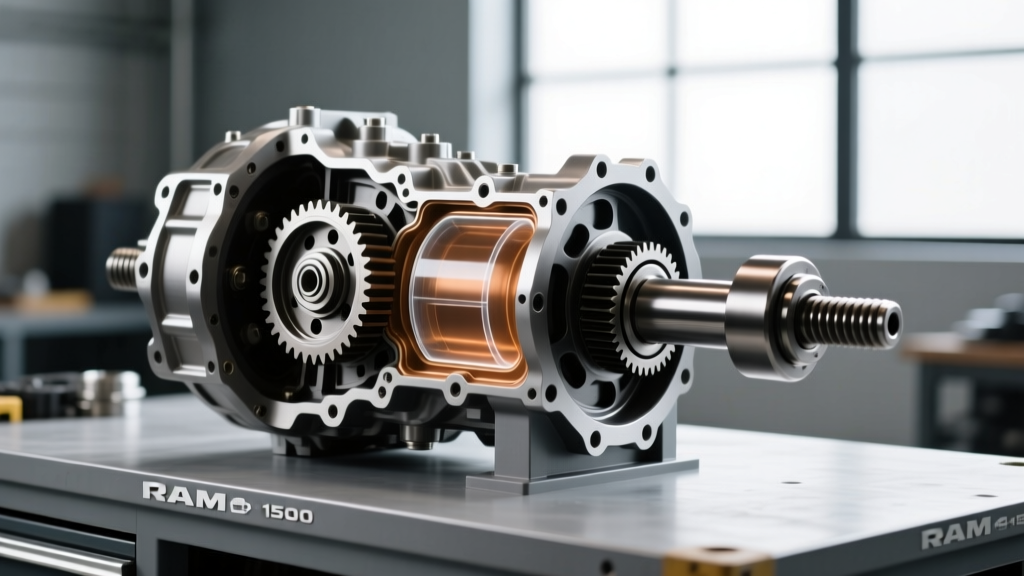
If the diagnostic drain revealed brass flakes, the carrier bearings are likely disintegrating. Replacing carrier bearings requires a hydraulic press and a bearing puller. Never attempt to hammer a carrier bearing off the differential case; you risk cracking the cast iron or warping the bearing journal. When pressing the new Timken carrier bearings onto the case, ensure the press force is applied only to the inner race. Pressing on the outer race will instantly brinell the rollers and ruin the new bearing.
Axle Seal Installation: Avoiding the "Cocked" Seal
Axle shaft seals (like the National 8660S for the Ford 8.8) are notorious for leaking immediately after installation if not seated perfectly square in the axle tube bore. Prying out the old seal often scores the soft steel of the axle tube. Before installing the new seal, wrap the splines of the axle shaft in electrical tape or use a specialized seal-saver sleeve to prevent the sharp splines from cutting the new seal lip during insertion. Always use a dedicated seal driver tool (such as the Lisle 24400 set) that matches the outer diameter of the seal. Tap it in until it is perfectly flush; a seal driven in at an angle will leak gear oil onto the brake pads within 50 miles.
2026 Cost Breakdown: DIY vs. Professional Shop Rates
Understanding the financial scope of a bearing and seal replacement helps you decide whether to tackle the job in your garage or hand it to a drivetrain specialist. Labor rates for specialized differential work have climbed in 2026 due to the precision tools and alignment equipment required.
- Premium Master Rebuild Kit (Timken/SKF): $160 - $240
- Axle & Pinion Seals (National): $25 - $45 total
- Solid Spacer Conversion Kit: $35 - $60
- Synthetic Gear Oil & Additives (3-4 Quarts): $60 - $95
- Professional Shop Labor (5-7 Hours @ $150-$190/hr): $750 - $1,330
A professional shop will typically charge between $950 and $1,600 per axle for a complete bearing and seal overhaul. Doing it yourself requires an initial investment in a bearing press, dial indicator, and inch-pound torque wrench, but yields massive savings and the satisfaction of knowing the preload was set correctly.
Fluid Selection and the Critical Break-In Protocol
Once the bearings are seated and the seals are driven, the final step of the service is filling the housing. For heavy-duty applications and modern trucks, a full synthetic 75W-140 gear oil provides superior film strength under high-heat towing conditions. For daily-driven SUVs and lighter trucks, a 75W-90 synthetic offers better cold-weather flow and marginal fuel economy gains. Brands like Red Line Synthetic and Amsoil Severe Gear are industry benchmarks for shear stability.
If your differential features a clutch-type limited-slip differential (LSD) like the Ford Trac-Loc or Dana Trac-Lok, you must add the manufacturer-specified friction modifier (typically 4 oz) to prevent clutch chatter during low-speed turns. Note that gear-driven LSDs like the Eaton Truetrac or Detroit Locker do not require friction modifiers.
Expert Break-In Tip: New bearings and gears generate significant friction and heat. After completing the rebuild and fluid fill, drive the vehicle for 15-20 miles at moderate speeds (under 50 mph) to bring the differential up to operating temperature. This allows the new bearings to seat and the gear oil to flow into all micro-crevices. Let the axle cool completely to ambient temperature, then check the fluid level and top it off, as the initial fill level often drops once the oil fully penetrates the bearing cages and axle tubes.
By treating your differential fluid change service as a comprehensive inspection and utilizing OEM-grade components with precise preload settings, you ensure your axle assembly operates quietly and reliably for the next 150,000 miles. For further reading on seal material compatibility and installation tolerances, consult the SKF Automotive Seals engineering guide to ensure your rebuild meets factory specifications.