The Core Architecture: AWD vs. 4WD Mechanical Differences
As we navigate the 2026 automotive landscape, the distinction between All-Wheel Drive (AWD) and Four-Wheel Drive (4WD) is often blurred by aggressive marketing campaigns. However, from a preventive maintenance and drivetrain longevity perspective, understanding the mechanical divide between these two layouts is critical. Misunderstanding your vehicle's drivetrain configuration is the fastest route to catastrophic transfer case failure, premature clutch pack wear, and the dreaded warning lights on your dashboard.
According to Car and Driver, the fundamental difference lies in how torque is distributed and whether the system allows for front-to-rear axle speed differentiation. Let us break down the engineering realities of both systems before diving into the specific maintenance protocols required to keep them alive.
All-Wheel Drive (AWD): The Torque-Vectoring Marvel
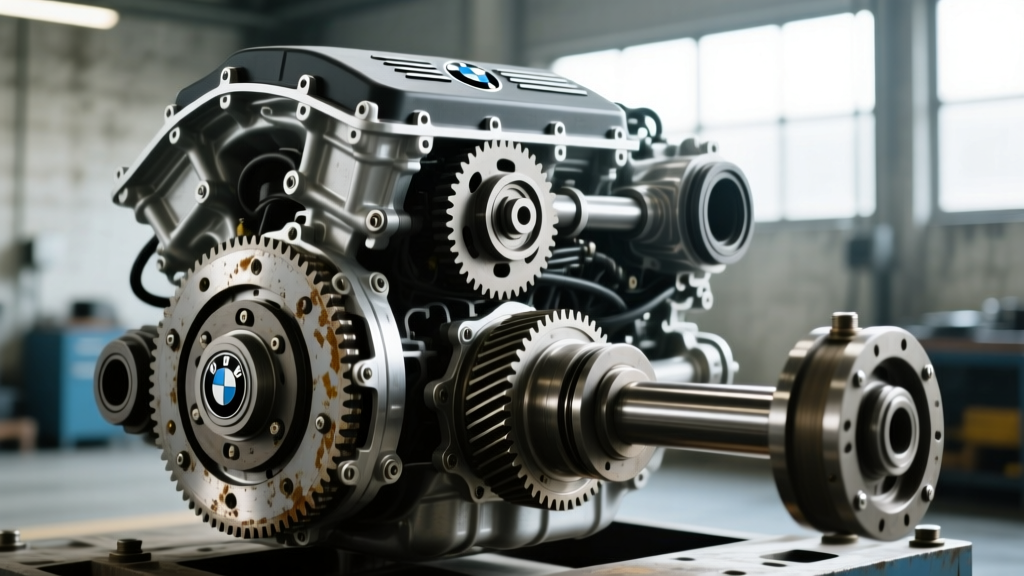
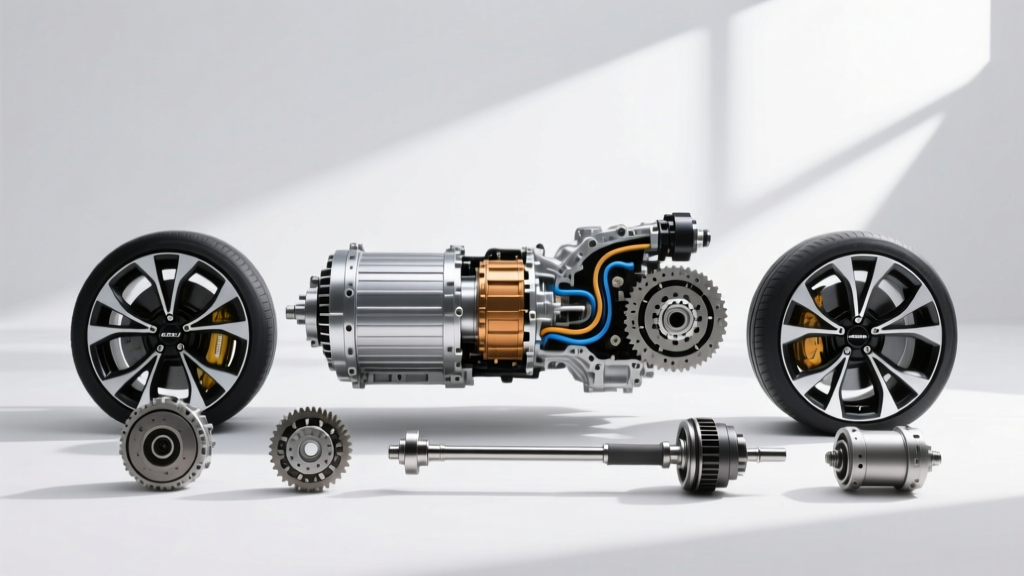
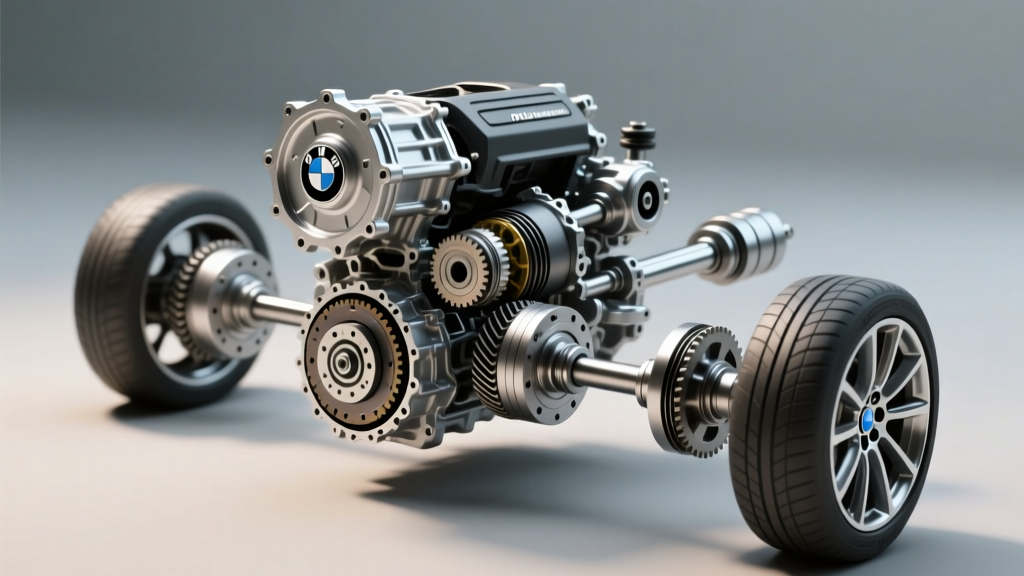
AWD systems are full-time, torque-biasing layouts designed primarily for on-road traction, high-speed stability, and performance. They utilize a center differential or an electronically controlled multi-plate clutch pack to allow the front and rear axles to rotate at different speeds. This is essential for cornering, as the outside wheels must travel a greater distance than the inside wheels. The ZF Group has pioneered many of these systems, including the iconic BMW xDrive, which can shift up to 100% of torque to either axle in milliseconds using a wet-clutch transfer case (Verzweigungsgetriebe, or VTG).
Four-Wheel Drive (4WD): The Mechanical Locker
Traditional 4WD, often found in trucks and off-road SUVs (using transfer cases like the NP241 or NP261), is a part-time system. When engaged in 4-High or 4-Low, a mechanical dog clutch or gear sleeve locks the front and rear driveshafts together, forcing them to spin at the exact same speed. This provides maximum traction in deep mud, snow, or rock crawling, but it causes severe driveline binding (axle hop) if used on dry pavement. Because 4WD systems lack a center differential for on-road use, their maintenance revolves around mechanical actuation, encoder motors, and heavy-duty gear lubrication rather than delicate wet-clutch modulation.
Decoding the Malfunction BMW Drivetrain Diagram Alert
For BMW owners, the AWD system (xDrive) is a masterpiece of engineering, but it is notoriously sensitive to maintenance neglect. When the iDrive screen suddenly illuminates with the malfunction BMW drivetrain diagram warning—often highlighting the transfer case or rear differential in red alongside a loss of power—it is a limp-mode trigger designed to save the drivetrain from physical destruction.
Expert Insight: The 'malfunction BMW drivetrain diagram' alert is rarely a sudden, unprovoked failure. In 85% of cases we diagnose, it is the direct result of ignored preventive maintenance, specifically mismatched tire circumferences or degraded VTG transfer case fluid causing the internal clutch plates to slip and overheat.
When the VTG clutch pack slips, the servomotor works overtime to clamp the plates, drawing excessive current and triggering fault codes like 54C6 (VTG: Internal Fault) or 5463 (VTG: Clutch Overload). If you ignore this diagram warning and continue to drive, the sintered metal clutch plates will glaze, and the transfer case will require a complete replacement costing between $2,800 and $4,500.
Preventive Maintenance Matrix: AWD vs. 4WD
To prevent these failures, you must adhere to the specific fluid and mechanical requirements of your drivetrain. Below is a comparative maintenance matrix for common AWD and 4WD transfer cases.
| Drivetrain Type | Transfer Case Model | Fluid Specification & Part Number | Capacity | Service Interval | Plug Torque Spec |
|---|---|---|---|---|---|
| AWD (BMW xDrive) | ATC450 / ATC500 | Shell TF-0870 (BMW P/N 83222409710) | 0.6L - 0.8L | Every 40k - 60k miles | 25 Nm (18.5 lb-ft) |
| 4WD (GM Trucks) | NP246 / NP261 | Auto-Trak II (GM P/N 12378508) | 2.0L | Every 50k miles | 20 Nm (15 lb-ft) |
| 4WD (Ford Super Duty) | BW4406 | MERCON V ATF | 2.0L | Every 60k miles | 25 Nm (18.5 lb-ft) |
Step-by-Step Preventive Maintenance for BMW xDrive (AWD)
Maintaining an advanced AWD system like xDrive requires precision. The tolerances are incredibly tight, and using the wrong fluid or ignoring tire wear will immediately result in a drivetrain malfunction.
1. The Tire Circumference Rule (The Golden Rule of xDrive)
The most common cause of the malfunction BMW drivetrain diagram alert is uneven tire wear. BMW engineering mandates that the rolling circumference difference between the front and rear axles must not exceed 2mm (or roughly 1% variance). If you replace only two tires, or if your alignment is off and the front tires wear faster than the rears, the VTG transfer case interprets the differing rotational speeds as wheel slip. It will constantly engage the clutch pack to 'correct' the slip, leading to rapid overheating and clutch burnout. Always replace all four tires simultaneously, and if necessary, have them road-force balanced and shaved to match circumferences.
2. Transfer Case Fluid Specification & Servicing
Unlike traditional gear oil, the xDrive VTG requires a highly specific friction-modified fluid to allow the wet clutches to engage smoothly without shuddering. You must use Shell TF-0870 (or an exact equivalent like Liqui Moly 36540).
Service Procedure:
- Ensure the vehicle is perfectly level on a lift.
- Remove the fill plug first (14mm hex) to ensure you can refill it before draining.
- Remove the drain plug and allow the degraded fluid to empty. Expect it to smell burnt if the interval was exceeded.
- Refill using a pneumatic fluid pump until the fluid weeps from the fill hole. Capacity is typically 0.6L to 0.8L.
- Reinstall plugs and torque to exactly 25 Nm. Over-torquing can crack the magnesium or aluminum casing.
- Crucial Step: You must reset the VTG oil wear adaptation values using a bidirectional scanner (like BMW ISTA, Foxwell NT510, or Autel MaxiSYS). Failing to reset the software adaptation will cause the computer to apply incorrect clamping pressure to the new fluid, leading to immediate shudder.
Step-by-Step Preventive Maintenance for Traditional 4WD
Traditional 4WD systems are generally more robust and forgiving than AWD systems, but they suffer from different failure modes, primarily related to mechanical actuation and seal degradation.
1. Encoder Motor and Actuator Care
In part-time 4WD systems like the GM NP246, the shift-on-the-fly function is controlled by an electric encoder motor mounted on the exterior of the transfer case. These motors are exposed to road salt, water, and debris. Preventive maintenance involves removing the encoder motor annually, cleaning the electrical contacts with dielectric grease, and inspecting the O-ring seal. If water ingress occurs, the internal circuit board corrodes, leaving you stranded in 2WD. Replacement encoder motors cost between $180 and $250, but a simple cleaning costs pennies.
2. Addressing the 'Service 4WD' Light
Unlike the complex BMW diagram, a 'Service 4WD' light on a truck usually points to a failing transfer case control module (TCCM) or a stretched shift fork pad. During your fluid change, inspect the drain plug magnet. While fine metallic paste is normal, finding chunky brass or steel shavings indicates that the internal shift fork pads are disintegrating. Catching this early via a $40 fluid service prevents a $2,000 transfer case teardown.
Summary: Proactive Care vs. Reactive Repairs
Whether you are piloting a precision-engineered AWD sports sedan or a heavy-duty 4WD truck, the drivetrain is the unsung hero of your vehicle's performance. The AWD vs 4WD differences explained above highlight that while their mechanical approaches to traction vary wildly, their reliance on strict preventive maintenance is universal. By adhering to exact fluid specifications, respecting tire circumference tolerances, and performing regular software adaptations, you can entirely avoid the sinking feeling of a malfunction BMW drivetrain diagram alert or a locked-up 4WD transfer case. Invest the $150 in a proper drivetrain service today, and save yourself from a $4,000 repair bill tomorrow.