The Infamous 2013 BMW X3 Drivetrain Malfunction: A Cautionary Tale
For many technicians and owners, the exact phrase 2013 BMW X3 drivetrain malfunction evokes immediate dread. In the F25 chassis equipped with the N20 2.0L turbocharged engine and the ZF 8HP45 transmission, this iDrive warning is rarely a simple sensor glitch. It typically points to catastrophic mechanical neglect: timing chain guide debris clogging the transmission fluid pickup screen, or the degradation of the ZF mechatronic sealing sleeve causing severe line pressure drops. When the transmission control module (TCM) detects clutch slip or pressure anomalies, it triggers limp mode and throws the drivetrain malfunction code to protect the hardware.
However, as we navigate the 2026 automotive landscape, the industry has heavily pivoted toward electrification. Modern hybrid drivetrains—whether Plug-in Hybrid Electric Vehicles (PHEVs) utilizing adapted automatic transmissions or traditional HEVs using power-split e-CVTs—integrate high-voltage electric motors directly into the drivetrain housing. This architectural shift completely rewrites the rules of preventive maintenance. The goal of this guide is to contrast the reactive nightmares of early 2010s ICE drivetrains with the proactive, highly specific maintenance protocols required for today's hybrid drivetrain configurations.
Anatomy of a Hybrid Drivetrain: Where ICE Meets Electric
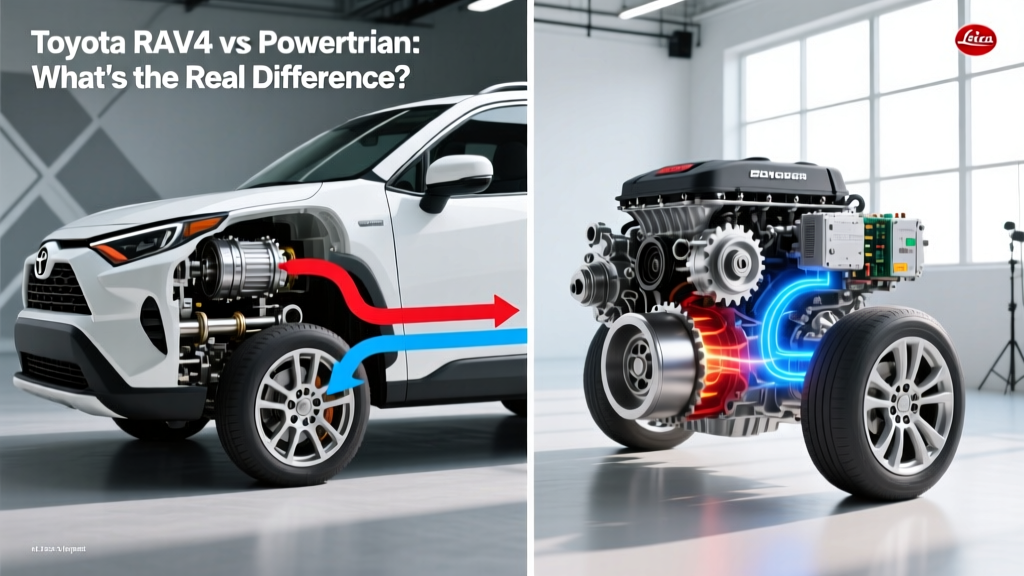
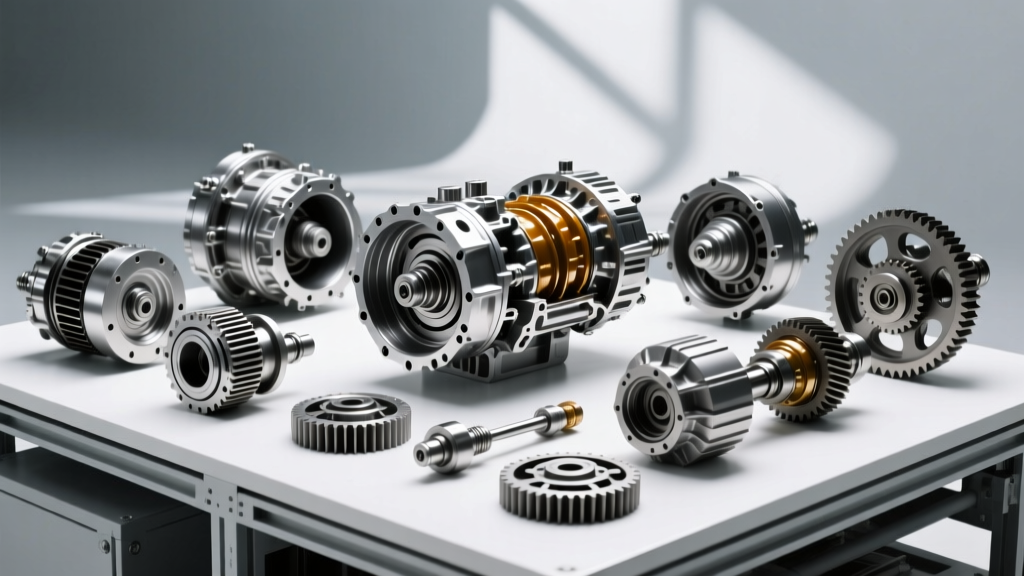
Unlike a traditional internal combustion engine (ICE) layout where the engine, torque converter, and transmission are distinct bolted assemblies, hybrid drivetrains blur these lines. Understanding the layout is critical before turning a single wrench.
The P2 Architecture: ZF 8HP Hybrid Variants
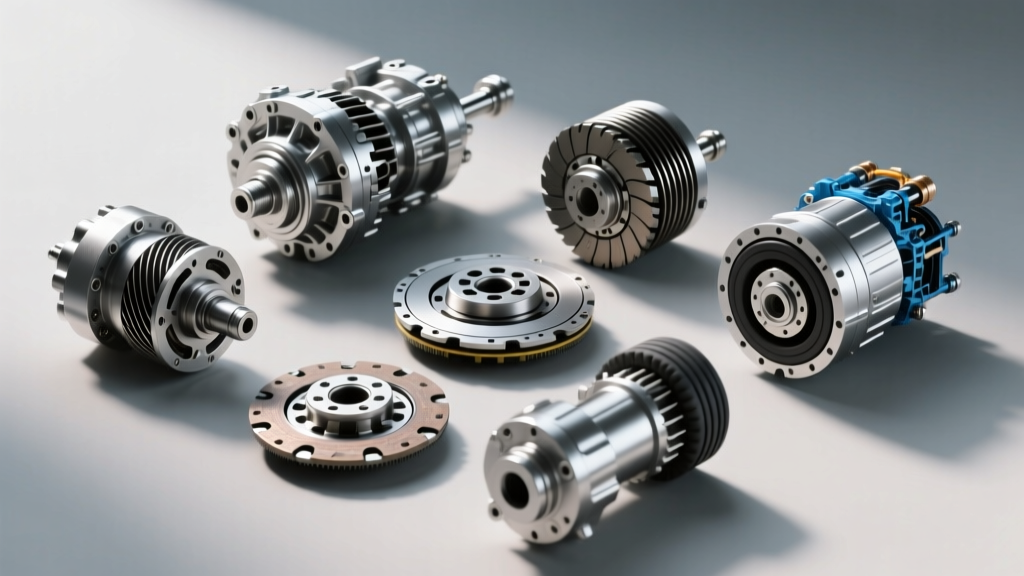
In European PHEVs (such as the BMW X5 xDrive45e or various Audi TFSI e models), the drivetrain relies on a P2 hybrid layout. Here, an electric motor-generator is sandwiched between the engine and the transmission, replacing the traditional torque converter. A specialized disconnect clutch allows the vehicle to drive purely on electric power without spinning the ICE crankshaft. The transmission itself—often a ZF 8HP75H—features an integrated electric auxiliary oil pump to maintain hydraulic line pressure and lubricate the gearsets when the gas engine is off.
Power-Split e-CVT Transaxles
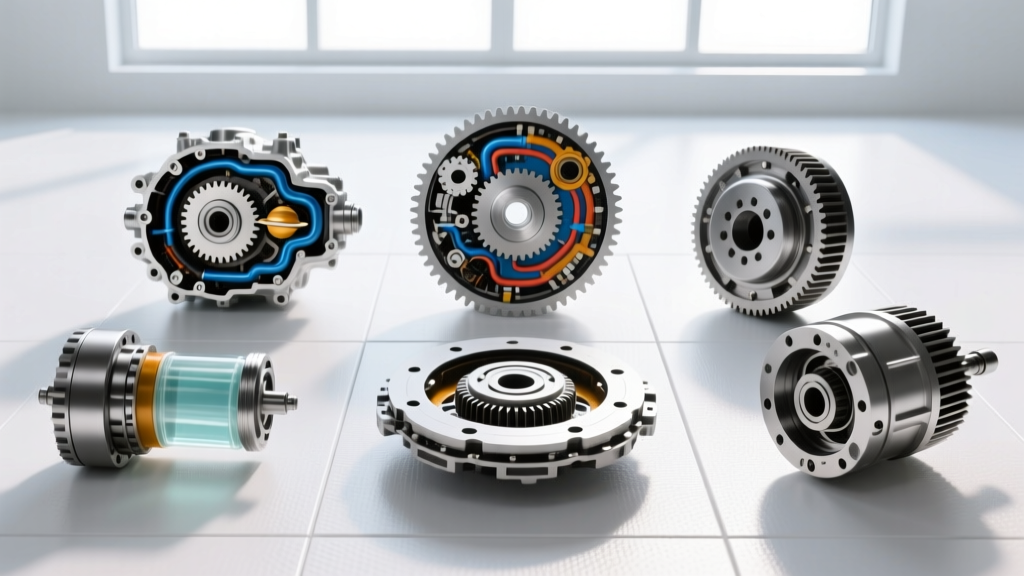
Conversely, Japanese and Korean HEVs (like the Toyota Prius or Ford Escape Hybrid) utilize a power-split device. This planetary gearset acts as an infinitely variable transmission (e-CVT) while simultaneously managing power flow between the ICE, Motor-Generator 1 (MG1 - primarily a starter/generator), and Motor-Generator 2 (MG2 - primary traction motor). There are no traditional friction clutches, bands, or torque converters to wear out, shifting the maintenance focus entirely to fluid dielectric properties and thermal management.
Preventive Maintenance Matrix: Hybrid vs. Traditional ICE
The maintenance intervals and fluid specifications for hybrid drivetrains are vastly different from their ICE counterparts. Using the wrong fluid in a hybrid transaxle can lead to immediate dielectric breakdown, shorting the internal motor-generator windings.
| Drivetrain Type | Transmission Model | OEM Fluid Specification | Capacity | Service Interval | Drain Plug Torque |
|---|---|---|---|---|---|
| Traditional ICE (Reference) | ZF 8HP45 (2013 X3) | ZF LifeguardFluid 8 | ~8.5 L | 60k-80k miles | 12 Nm + 90° |
| PHEV (P2 Layout) | ZF 8HP75H | ZF LifeguardHybrid 2 | ~8.2 L | 50k-60k miles | 10 Nm (Plastic Pan) |
| HEV (Power-Split) | Toyota P810 e-CVT | Toyota ATF WS | 3.6 L | 60k miles (Inspect) | 40 Nm (Fill/Drain) |
| PHEV (Dedicated Hybrid) | Volvo RE T8 (Aisin) | Aisin AW-2 | ~6.5 L | 60k miles | 25 Nm |
Step-by-Step Hybrid Drivetrain Fluid Service (ZF 8HP75H)
Servicing a PHEV ZF 8HP hybrid transmission requires meticulous attention to detail. The integration of the electric motor means the fluid must possess specific dielectric strength to prevent arcing between the motor stator and the transmission casing.
Critical Fluid Selection and Part Numbers
Never use standard LifeguardFluid 8 in a hybrid ZF unit. You must use ZF LifeguardHybrid 2 (ZF Part Number: S671.090.312). This fluid is engineered with specialized friction modifiers for the wet disconnect clutch and high dielectric resistance for the integrated electric motor. According to the ZF Aftermarket Lubricant Guide, mixing these fluids will compromise the insulation resistance of the electric motor, potentially triggering high-voltage isolation faults.
The Fill and Level-Check Procedure
- Vehicle Leveling: The vehicle must be perfectly level on a two-post lift. Even a 2-degree tilt will result in an inaccurate fluid level, leading to pump cavitation or aeration.
- Temperature Monitoring: Connect an advanced bi-directional scan tool to monitor the transmission fluid temperature (TFT) via the TCM. The level check must be performed when the TFT is strictly between 30°C and 50°C (86°F - 122°F).
- Circulation: Because the engine may not be running, you must use the scan tool to activate the auxiliary electric transmission fluid pump. Cycle the gear selector through all positions to fill the clutch packs and hydraulic accumulators.
- Level Setting: With the auxiliary pump running and the TFT in the target window, remove the level-check plug (located on the plastic filter pan). Fluid should trickle out. If it pours, let it drain. If nothing comes out, pump fluid into the fill hole until it overflows.
- Torque Specifications: The ZF 8HP75H uses a plastic composite pan with integrated O-rings. The pan bolts are strictly 10 Nm. Overtorquing will crack the plastic housing, requiring a complete pan and filter replacement (Part # 1087.298.365), which retails for approximately $280-$350.
Inverter and Motor-Generator Cooling: The Hidden Drivetrain Link
One of the most misunderstood aspects of hybrid drivetrain maintenance is the cooling system. In a traditional ICE, coolant only manages engine block temperatures. In a hybrid, the drivetrain's survival relies on the inverter coolant loop.
The inverter converts high-voltage DC from the battery into 3-phase AC for the drivetrain-mounted electric motors. If the inverter overheats, it will aggressively derate power output, throwing a "Reduced Propulsion Power" or general drivetrain malfunction warning. Preventive maintenance here is non-negotiable:
- Fluid Specification: Use only OEM-specified low-conductivity coolants (e.g., Toyota Super Long Life Coolant or BMW i Coolant). Standard off-the-shelf antifreeze contains conductive ions that can short out the inverter power electronics if a micro-leak develops in the internal heat exchanger.
- Vacuum Filling: Hybrid cooling loops are complex and feature high-point air traps. You must use a pneumatic vacuum fill tool (pulling 25+ inHg) to ensure zero air pockets in the inverter cold plate. An air pocket here will cause localized hotspots and immediate IGBT (Insulated-Gate Bipolar Transistor) failure.
- Cabin Heat Exchanger Flushing: Many PHEVs route the drivetrain cooling loop through the cabin heater core. Neglecting a coolant flush every 5 years leads to galvanic corrosion, shedding aluminum particulates that will eventually clog the micro-channels of the inverter cold plate.
Diagnostic Edge Cases: When Hybrids Throw Drivetrain Codes
When a modern hybrid throws a drivetrain code, technicians must look beyond mechanical wear and consider high-voltage isolation faults. According to data available via Toyota Technical Information System (TIS), a common edge case in aging e-CVT transaxles is the breakdown of the ATF WS fluid's dielectric properties.
When the fluid degrades, it becomes slightly conductive. The Hybrid Vehicle Control ECU constantly monitors the insulation resistance between the MG2 stator windings and the transaxle casing. If the resistance drops below 100 kΩ, the system assumes a high-voltage leak and will instantly disable the drivetrain to protect occupants from shock hazards, setting codes like P0A0F (Engine Start Performance) or P0A1F (Hybrid Battery Energy Storage Module).
The Fix: Before condemning a $4,000 motor-generator or a $6,000 inverter, perform a complete transaxle fluid exchange using a machine that can push 10+ liters of fresh ATF WS through the system to flush out conductive carbon and metallic particulates. In 40% of these edge cases, restoring the fluid's dielectric strength clears the isolation fault.
Conclusion: Proactive vs. Reactive Drivetrain Care
The FCP Euro technical archives are filled with post-mortems of the 2013 BMW X3 drivetrain malfunction, where owners ignored early signs of mechatronic sleeve leaks or timing chain rattle until the transmission ingested fatal debris. Hybrid drivetrains offer a cleaner, more efficient layout, but they are entirely unforgiving of fluid neglect. By adhering to strict dielectric fluid specifications, monitoring inverter thermal loops, and utilizing precise torque and temperature procedures during service, technicians can ensure these complex electromechanical drivetrains survive well past the 150,000-mile mark without triggering a single malfunction warning.