Redefining the Automotive Clutch in Automatic Transmissions
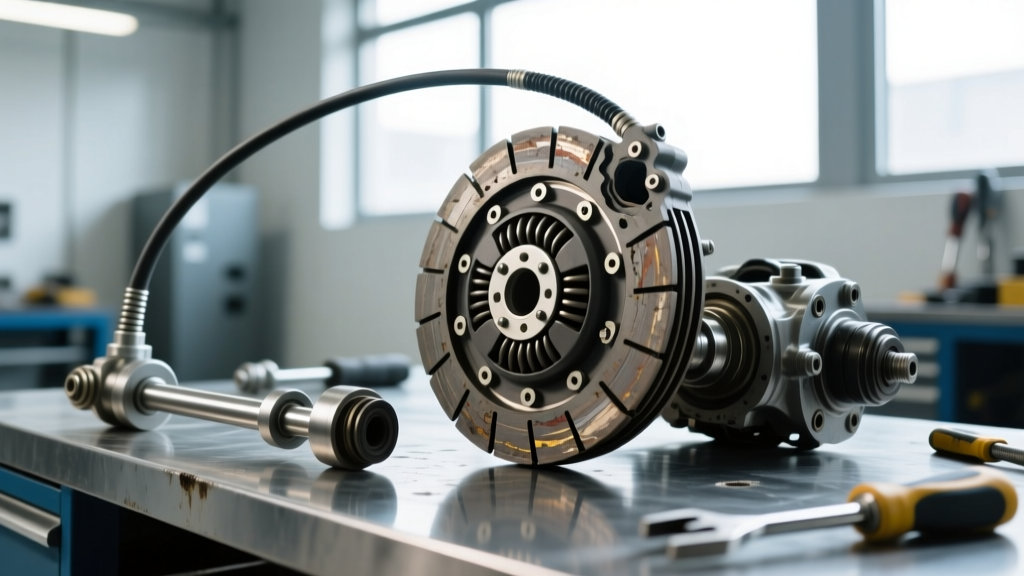
When most drivers hear the term automotive clutch, they immediately picture a single-plate friction disc, a pressure plate, and a throw-out bearing found in manual transmissions. However, as we navigate the 2026 landscape of drivetrain diagnostics, it is crucial to understand that automatic transmissions rely on a vastly different architecture. In an automatic, the 'clutch' actually refers to a series of internal multi-plate clutch packs, apply bands, and the Torque Converter Clutch (TCC). These components are responsible for routing hydraulic pressure to lock specific planetary gearsets, facilitating gear changes without driver intervention.
Diagnosing clutch problems in automatic transmissions requires a shift in perspective. You are not looking for a worn pedal linkage or a failing master cylinder. Instead, you are hunting for degraded friction materials, compromised hydraulic seals, and fatigued wave plates. This comprehensive buyer's guide and diagnostic manual will help you identify failing automatic clutch packs, compare modern friction materials, and select the right rebuild components for today's most common platforms.
Diagnostic Symptoms of Failing Automatic Clutch Packs
Before tearing down a transmission or purchasing a master rebuild kit, you must accurately diagnose the failing clutch circuit. Automatic clutch problems manifest in distinct ways, often readable through OBD2 scan tool data and physical driving characteristics.
1. Shift Flares and RPM Spikes
A shift flare occurs when the transmission commands a gear change, but the engine RPM spikes momentarily before the next gear fully engages. This is the hallmark of a slipping clutch pack. For example, in the GM 6L80, a flare during the 2-3 shift almost always points to wear in the 3-5-R clutch pack or a fatigued wave plate that fails to absorb the apply shock, causing the friction discs to glaze.
2. Torque Converter Clutch (TCC) Shudder
The TCC is essentially a lockup clutch inside the torque converter. When its friction lining degrades, or when the apply pressure is compromised by a worn stator support shaft, the vehicle will exhibit a rhythmic vibration (shudder) typically between 40-55 mph under light throttle. Using a bi-directional scan tool, monitor the TCC Slip Speed PID. A healthy system maintains slip within 0-10 RPM. If you observe slip exceeding 20-30 RPM under steady load, the automotive clutch material inside the converter is failing.
3. Delayed Engagement and Fluid Analysis
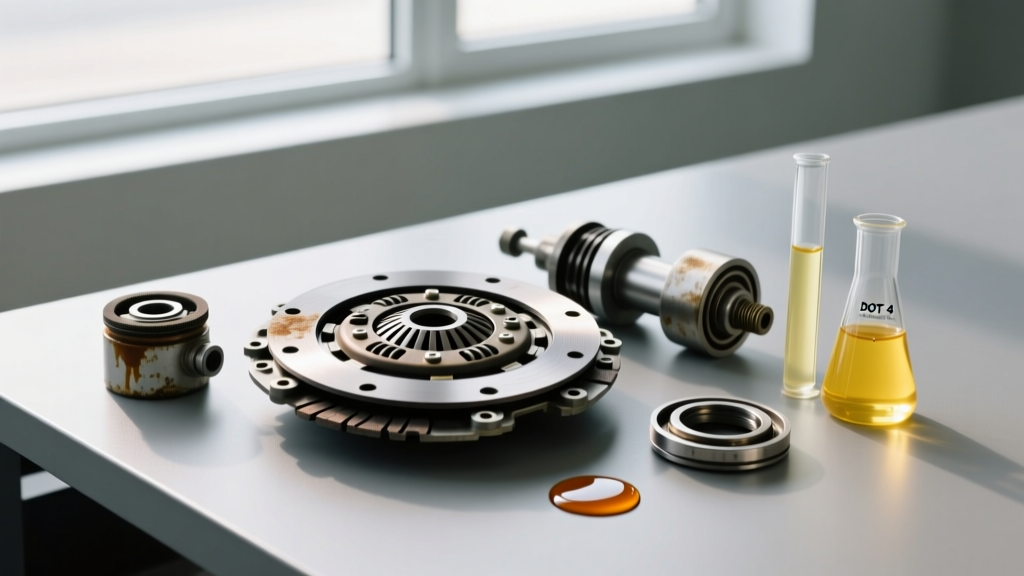
If shifting from Park to Reverse or Drive results in a 2-to-3-second delay before the gear 'bites', the forward or reverse clutch pack seals are likely leaking hydraulic pressure. Pull the transmission dipstick or drain a small sample of the ATF. If the fluid is dark brown or black and carries a distinct 'burnt toast' odor, the paper or carbon friction linings have been incinerated due to prolonged slipping.
Pro Diagnostic Tip: Always perform an 'Air Check' before removing a transmission from the vehicle if possible, or immediately upon removing the valve body on the bench. Applying 60-80 PSI of compressed air to the specific clutch apply orifices will yield a dull 'thud' if the piston seals and clutch packs are intact. A hissing sound indicates blown piston seals or cracked drum welds.
Friction Material Comparison: 2026 Buyer's Matrix
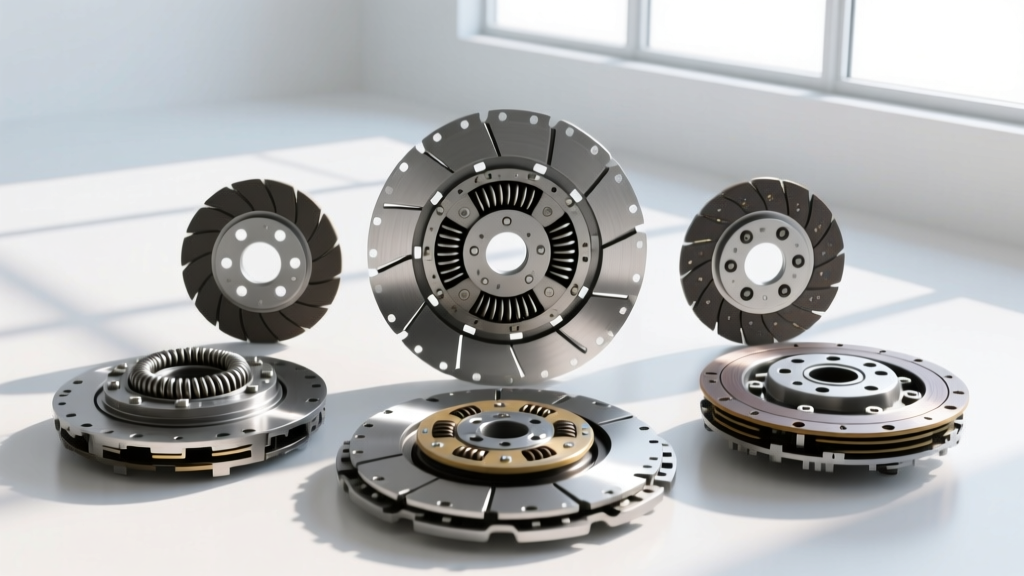
Not all friction materials are created equal. The evolution of automatic transmission fluids (like Dexron ULV and Mercon ULV) requires specific friction coefficients. When sourcing replacement clutch packs, you must match the material to the vehicle's duty cycle. Below is a comparison of the top friction materials available for heavy-duty, performance, and daily-driven applications.
| Material Type | Brand / Line | Best Application | Heat Tolerance | Avg. Price Range (Per Pack) |
|---|---|---|---|---|
| OEM Paper / Cellulose | BorgWarner High Energy | Daily Driving, Fleet, Commuter | Up to 350°F (176°C) | $60 - $120 |
| Kevlar / Carbon Blend | Raybestos GPZ | Towing, Off-Road, Mild Performance | Up to 450°F (232°C) | $140 - $220 |
| Sintered Bronze / Carbon | Alto Red Eagle | Drag Racing, Heavy Hauling, 1000+ HP | Up to 600°F+ (315°C+) | $180 - $300 |
For standard passenger vehicles, sticking to Raybestos Powertrain or OEM BorgWarner paper frictions is ideal, as they provide the smooth, progressive engagement programmed into the factory TCM (Transmission Control Module). However, if you are tuning a truck for heavy towing, upgrading to a Kevlar/Carbon blend will drastically reduce shift flares and extend the life of the clutch pack.
Platform-Specific Clutch Pack Guides & Known Failures
To provide actionable E-E-A-T (Experience, Expertise, Authoritativeness, and Trustworthiness), we have broken down the most prevalent automatic transmissions on the road in 2026, highlighting their specific clutch-related failure points and necessary upgrade parts.
GM 6L80 / 6L90 (RWD Trucks, Camaro, Corvette)
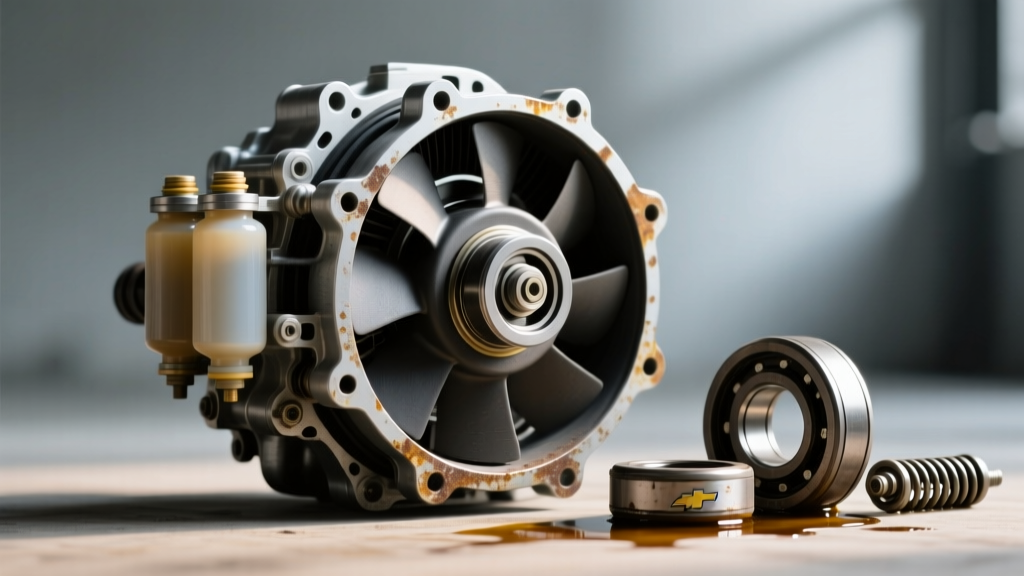
The 6L80 is notorious for 3-5-R clutch pack failure. The root cause is rarely the friction discs themselves, but rather the OEM wave plate. The factory wave plate is prone to fatigue and fracturing, which sends metal debris into the clutch drum, scoring the aluminum piston and destroying the friction linings.
- The Fix: Discard the OEM wave plate. Install a reinforced flat steel plate or an upgraded wave plate from Sonnax (Part #74600-01K).
- Clutch Clearance Spec: 0.050" - 0.075". Use selective snap rings to achieve this. If the clearance is too tight, the clutch will drag; too loose, and you will experience shift flares.
- Valve Body Torque: When reinstalling the valve body over the clutch apply passages, torque the M6 bolts to exactly 8 Nm (71 in-lbs) to prevent warping the casting.
ZF 8HP45 / 8HP70 (BMW, Dodge Ram, Audi, Jaguar)
The ZF 8-speed is a marvel of engineering, utilizing a Lepelletier gearset and a highly complex mechatronic unit. Clutch problems here often mimic mechanical failure but are actually hydraulic. The mechatronic adapter sleeve (which bridges the valve body to the transmission case) develops micro-cracks or worn O-rings, bleeding off apply pressure meant for the 'A' and 'B' clutch packs.
- The Fix: Before ordering $400 worth of ZF clutch packs, replace the mechatronic sleeve seal kit and inspect the ZF 8HP70 clutch basket for spline wear. The aluminum splines on the drum can strip under high torque, rendering new friction discs useless.
- Fluid Note: The ZF 8HP requires ZF Lifeguard 8 fluid. Using incorrect fluid alters the friction coefficient, leading to immediate TCC shudder and clutch pack glazing.
Ford 6R80 (F-150, Mustang, Explorer)
The 6R80 is a robust transmission based on the ZF 6HP26 design. However, the Overdrive (O/D) clutch drum is a known weak point. The internal piston return springs can weaken, and the clutch hub can wear, causing the C-clutch to slip during the 4-5 and 5-6 shifts.
- The Fix: Upgrade to a billet O/D drum or install a heavy-duty clutch pack kit featuring Raybestos GPZ frictions and Kolene-coated steels to resist heat warping.
- TCC Diagnostics: The 6R80 torque converter clutch is highly sensitive to fluid degradation. If you experience TCC shudder, a simple fluid exchange using the Motorcraft MERCON LV fluid and adding a tube of Lubegard Dr. Tranny Instant Shudder Fixx can sometimes salvage the automotive clutch material inside the converter if caught early.
Critical Assembly Specifications and Best Practices
Purchasing the right clutch pack is only half the battle. Proper assembly dictates whether your rebuild will last 20,000 miles or 200,000 miles. Follow these non-negotiable rules when rebuilding automatic clutch packs:
- Soak Paper Frictions: If you are using OEM-style paper or cellulose friction discs, they MUST be submerged in the exact ATF you plan to use for a minimum of 2 hours prior to assembly. Installing dry paper frictions will cause them to burn up the first time the transmission applies line pressure.
- Alternate Steels and Frictions: Pay close attention to the order of operations. Some packs require a specific 'selective' backing plate. Always measure the pack clearance using a dial indicator mounted to a magnetic base. Apply 100 PSI of air to compress the pack, zero the dial indicator, release the air, and measure the travel. This travel distance is your clutch pack clearance.
- Inspect Steel Plates: Do not reuse old steel separator plates if they show signs of bluing (heat discoloration) or deep grooving. A warped steel plate will prevent the clutch pack from fully releasing, causing parasitic drag, overheating, and eventual failure of the entire gearset.
Final Verdict: Sourcing Your Next Clutch Pack
Diagnosing clutch problems in automatic transmissions requires a methodical approach, blending scan-tool data analysis with mechanical inspection. When the time comes to replace the components, avoid the temptation to buy the cheapest 'master rebuild kit' on the internet. Kits sourced from unverified overseas suppliers often use inferior friction materials that lack the correct porosity and friction coefficient, leading to harsh shifts or immediate slippage.
For daily drivers and fleet vehicles, stick to OEM BorgWarner or standard Raybestos kits. For modified, tow-heavy, or performance vehicles, invest in Raybestos GPZ or Alto Red Eagle clutch packs, paired with upgraded hardware from industry leaders like Sonnax. According to the Automatic Transmission Service Group (ATSG), matching the friction material to the specific hydraulic characteristics of the valve body is the single most critical factor in achieving a seamless, durable repair. By understanding the true nature of the automotive clutch in an automatic context, you can accurately diagnose failures and execute rebuilds that stand the test of time.