The Core Question: Do Automatic Cars Have a Clutch?
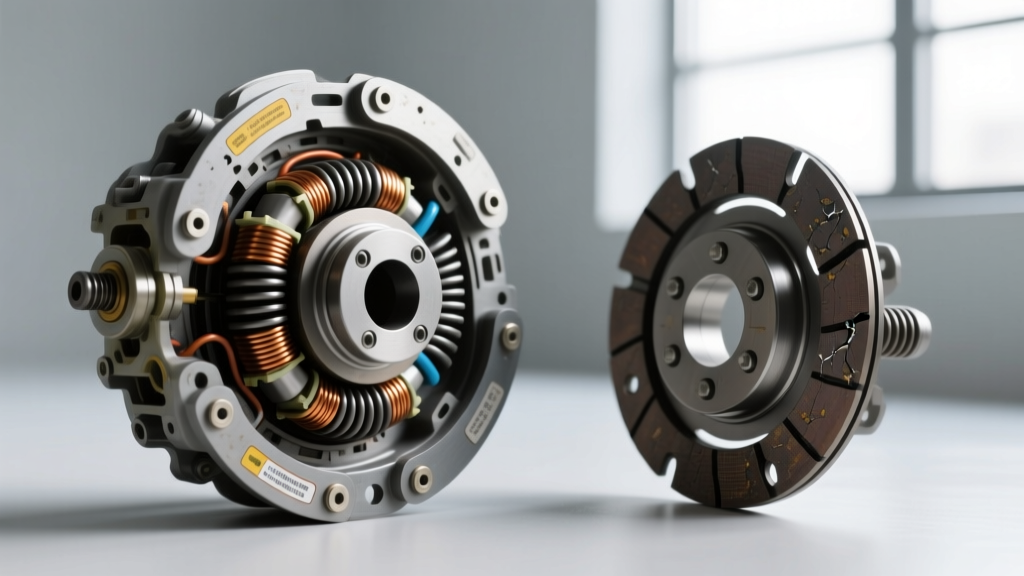
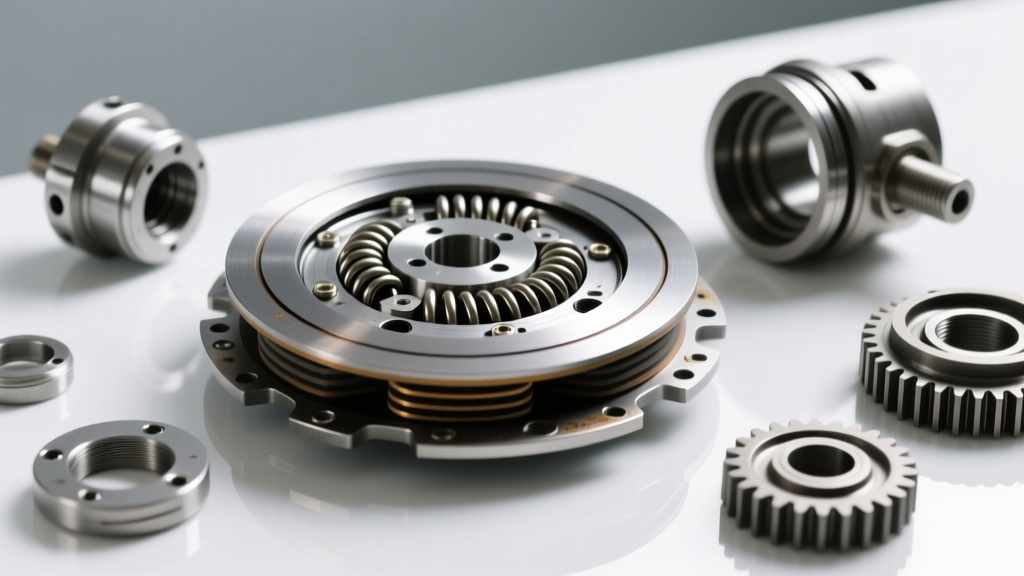
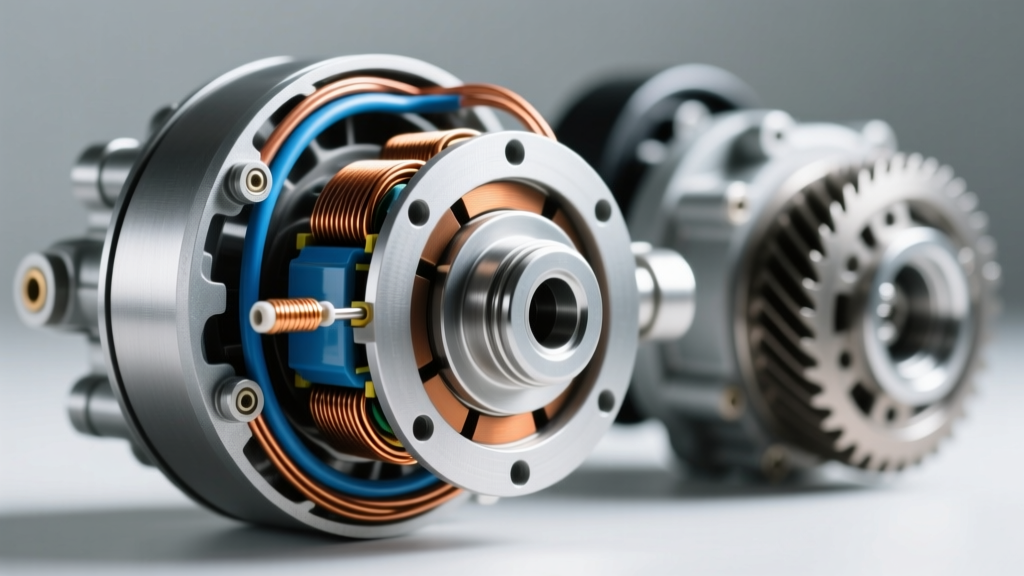
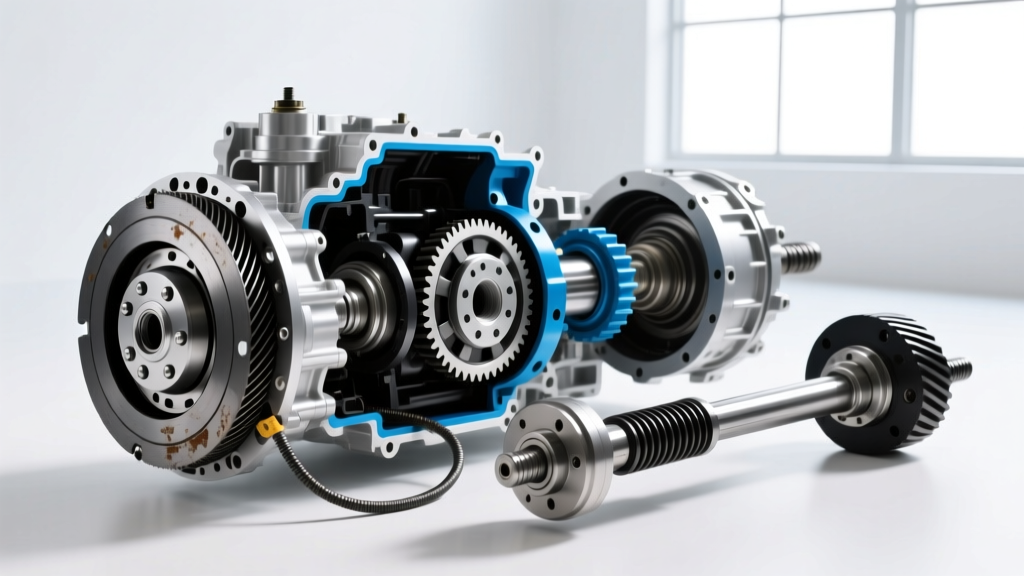
When new drivers and DIY mechanics ask, "do automatic cars have a clutch," the answer requires a nuanced understanding of modern drivetrain engineering. The short answer is yes, but not in the way you interact with them. Automatic transmissions do not possess an external clutch pedal, a throw-out bearing, or a mechanical clutch cable. Instead, they utilize internal multi-plate wet friction clutches housed within planetary gearsets. For example, the ubiquitous ZF 8HP 8-speed automatic uses five internal friction clutches (labeled A through E) to manage gear ratio changes, while the GM 6L80 relies on internal clutch packs and a torque converter lock-up clutch to transfer power.
However, if your vehicle features a third pedal and a mechanical linkage routing through the firewall, you are operating a manual transmission. In this case, you must deal with clutch cable problems and adjustment. As we move through 2026, the cost of maintaining these manual linkages has shifted due to parts availability and labor rates. Below, we provide a comprehensive cost analysis, diagnostic framework, and adjustment guide for manual clutch cables, while contrasting these figures with the steep costs of internal automatic clutch repairs.
Clutch Cable Problems: Why Manual Linkages Fail
Unlike hydraulic clutch systems (which use a master and slave cylinder), cable-actuated clutches rely on a braided steel wire housed within a protective Teflon-lined sheath. Over time, environmental factors and mechanical stress lead to specific failure modes:
- Cable Stretching: Normal tensile stress causes the steel strands to elongate, resulting in excessive pedal free-play and incomplete clutch disengagement (grinding when shifting into reverse or first gear).
- Sheath Degradation and Binding: The outer casing can crack or melt near hot exhaust components. Moisture ingress leads to internal rust, causing the cable to bind and making the pedal feel notchy or excessively heavy.
- Firewall Grommet Failure: The rubber grommet where the cable passes through the firewall often disintegrates, allowing the cable housing to pull through the firewall under heavy pedal pressure.
- Quadrant Mechanism Failure: Vehicles equipped with self-adjusting ratcheting quadrants (common in 1994-2004 Ford Mustangs) often suffer from stripped plastic teeth, leading to sudden loss of clutch engagement.
2026 Cost Breakdown: Clutch Cable Adjustment vs. Replacement
Understanding the financial implications of clutch cable maintenance is critical for budgeting your vehicle's upkeep. Below is a detailed cost analysis for manual clutch cable services in 2026, contrasting OEM and aftermarket part pricing sourced from industry databases like the RockAuto Parts Catalog.
| Service Type | Parts Cost | Labor Cost | Total Estimate (2026) |
|---|---|---|---|
| Professional Cable Adjustment | $0 | $60 - $110 | $60 - $110 |
| Aftermarket Cable Replacement (e.g., Dorman 668-110, ATP CA-100) | $25 - $65 | $120 - $180 | $145 - $245 |
| OEM Cable Replacement (e.g., Mopar 52021065 for Jeep Wrangler TJ) | $85 - $160 | $120 - $180 | $205 - $340 |
| Self-Adjusting Quadrant Replacement (Ford Foxbody/SN95) | $40 - $90 (Billet Aluminum) | $80 - $130 | $120 - $220 |
Note: If your vehicle requires dropping the transmission crossmember or removing the intake manifold to access the bellhousing cable bracket, labor costs can increase by an additional $150 to $250.
Diagnostic Guide: Measuring Pedal Free Play
Before authorizing a replacement, a proper diagnosis is required to confirm if the issue is merely an adjustment problem or a physical cable failure. According to SAE International engineering standards for manual transmission linkages, proper clutch pedal free play is essential to prevent premature throw-out bearing wear.
The Measurement Protocol
- Locate the Pedal Pad: Measure from the center of the clutch pedal pad to the steering wheel rim or firewall.
- Apply Light Pressure: Press the pedal with your hand until you feel the distinct resistance of the pressure plate diaphragm spring engaging.
- Measure the Travel: The distance the pedal moved before hitting that resistance is your "free play."
- Verify Specifications: Most manual vehicles require between 25mm and 38mm (1 to 1.5 inches) of free play. If the free play is zero, the throw-out bearing is constantly spinning against the pressure plate fingers, leading to catastrophic failure. If free play exceeds 50mm, the clutch will not fully disengage, causing gear grinding.
Pro-Tip from the Bench: If your clutch pedal feels like it is catching or binding mid-travel, spray a small amount of dry PTFE lubricant into the cable housing at the firewall. If the pedal feel does not immediately smooth out, the internal Teflon lining has failed, and the entire cable assembly must be replaced. Do not use wet grease, as it attracts abrasive clutch dust.
Step-by-Step Adjustment and Torque Specifications
For vehicles utilizing a traditional locknut and adjuster mechanism (common in Honda K-Series, older Toyota trucks, and Jeep Wranglers), the adjustment process is straightforward but requires precision.
Adjustment Procedure
- Locate the clutch cable where it attaches to the clutch fork on the transmission bellhousing.
- Loosen the 12mm or 14mm locknut using a flare-nut wrench to avoid rounding the edges.
- Turn the adjuster nut to increase or decrease tension. Turning the nut toward the transmission increases pedal free play; turning it toward the cable end decreases free play.
- Have an assistant measure the pedal free play inside the cabin while you hold the adjuster in place.
- Once the 25-38mm spec is achieved, tighten the locknut against the adjuster nut.
Critical Torque Specs
- Locknut to Adjuster Nut: 15 - 20 Nm (11 - 15 lb-ft). Do not overtighten, as this can strip the threaded cable end.
- Firewall Mounting Nuts: 10 - 15 Nm (7 - 11 lb-ft). These are often secured to thin sheet metal; excessive torque will warp the firewall.
- Bellhousing Bracket Bolts: 25 - 30 Nm (18 - 22 lb-ft).
The Contrast: Internal Automatic Clutch Failure Costs
To fully answer the premise of "do automatic cars have a clutch" from a financial perspective, we must look at what happens when an automatic transmission's internal clutches fail. Unlike a $200 manual clutch cable replacement, internal automatic clutch packs (such as the 3-5-R clutch pack in a GM 6L80 or the C-clutch in a ZF 8HP) require a complete transmission teardown.
When internal friction material wears out or burns up due to low fluid pressure, the transmission will exhibit "flaring" (RPMs spike between shifts) or total loss of drive in specific gears. Rebuilding these internal clutch packs requires removing the transmission, disassembling the valve body, and replacing the friction and steel plates.
- Internal Clutch Pack Rebuild (Parts & Labor): $2,800 - $4,500
- Torque Converter Replacement (Required if clutches burned): $400 - $900
- Transmission Flush and OEM Fluid (e.g., ZF Lifeguard 8): $250 - $400
As detailed by transmission engineering data from ZF Friedrichshafen AG, the complexity of modern mechatronic units and wet-clutch systems means that automatic clutch repairs are strictly the domain of specialized transmission shops, whereas a manual clutch cable adjustment remains a highly accessible, low-cost DIY or independent mechanic procedure.
Summary: Maintaining Your Linkage
While automatic cars do indeed have internal clutches, they are entirely divorced from the mechanical clutch cable systems found in manual vehicles. If you are experiencing shifting difficulties, heavy pedal effort, or grinding gears, diagnosing your clutch cable's free play is the most cost-effective first step. By adhering to the 25-38mm free play specification and addressing binding or fraying early, you can avoid the cascading costs of a ruined throw-out bearing or a warped pressure plate, keeping your manual transmission shifting flawlessly for years to come.