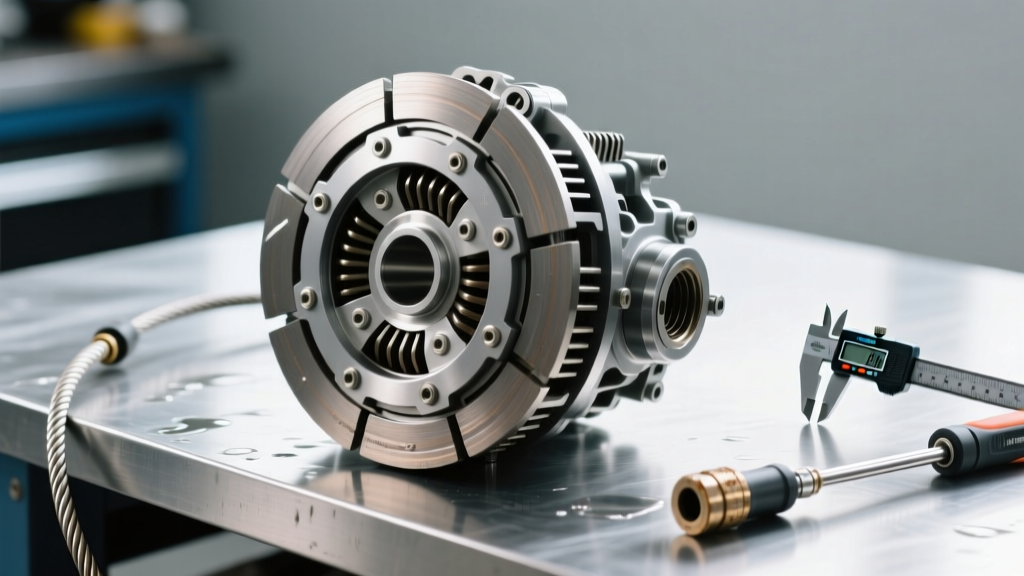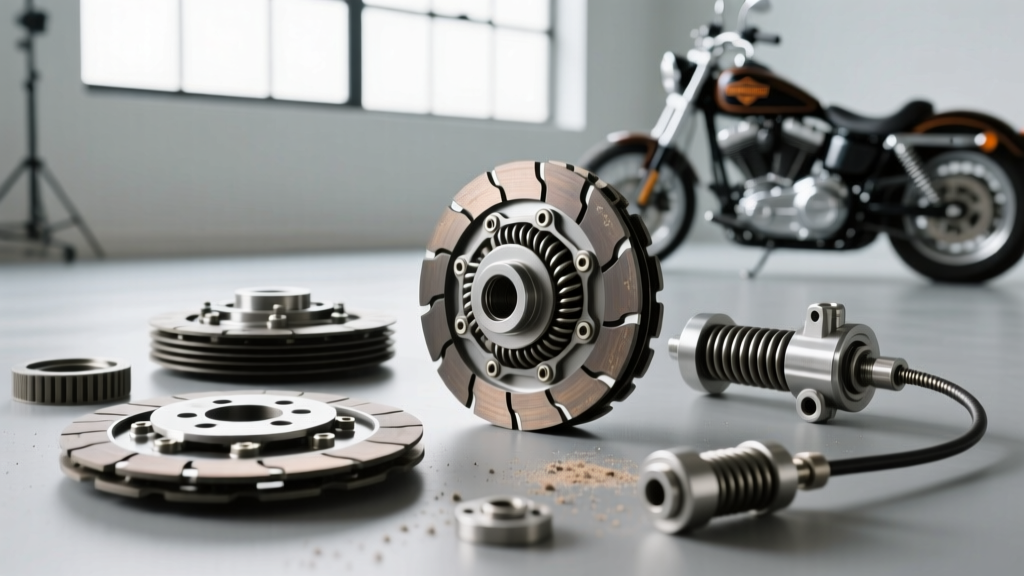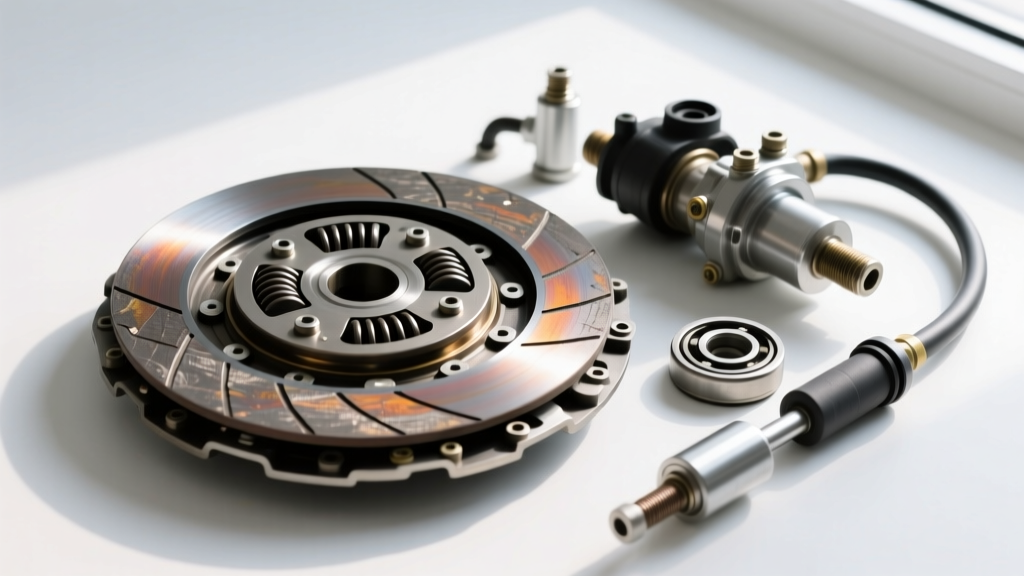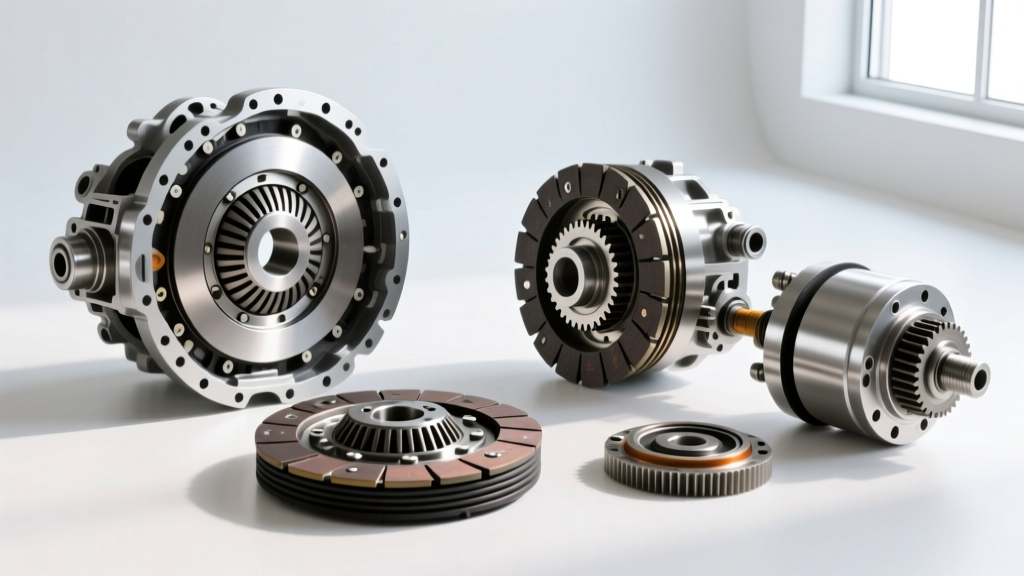
In the modern 2026 automotive repair landscape, diagnosing driveline vibrations and shudders requires a highly methodical approach. One of the most common misdiagnoses in the service bay involves confusing internal clutch problems in automatic transmissions with accessory drive failures. Specifically, a failing Torque Converter Clutch (TCC) or worn internal friction packs can produce harmonic vibrations that perfectly mimic a seizing AC compressor clutch bearing.
For transmission specialists and advanced DIYers, understanding the mechanical overlap between these two systems is critical. This guide serves as a comprehensive diagnostic comparison and a buyer's guide for the specialized removal tools required to service both internal automatic transmission clutch packs and external HVAC clutches.
The Diagnostic Dilemma: TCC Shudder vs. Accessory Drag
When a vehicle exhibits a rhythmic shudder between 45 and 55 MPH under light throttle, the immediate suspicion often falls on the transmission's torque converter. However, the serpentine belt drive system is directly linked to the engine's crankshaft. If an accessory component creates a parasitic drag or rotational imbalance, that harmonic frequency is transferred through the engine mounts and driveline, feeling exactly like a slipping transmission clutch.
According to diagnostic bulletins featured in Transmission Digest, misdiagnosing accessory drag as internal transmission failure leads to unnecessary transmission removals, costing customers thousands of dollars in unwarranted labor. Before tearing down a gearbox, technicians must isolate the variable.
Deep Dive: Automatic Transmission Clutch Problems
Internal clutch problems in automatic transmissions generally manifest in two distinct areas: the Torque Converter Clutch (TCC) and the internal gear-set friction packs. Let us examine the most prevalent platforms on the road today.
GM 6L80 and 6L90 TCC Shudder
The GM 6-speed automatic family is notorious for TCC shudder. This occurs when the Pulse Width Modulation (PWM) solenoid attempts to apply the TCC at a controlled slip rate (usually around 20-40 RPM of slip) for fuel economy. If the Dexron VI or ULV fluid degrades, or if the TCC friction material glazes, the clutch will grab and release rapidly.
- Diagnostic Marker: Shudder occurs only when the scanner shows TCC slip is commanded (usually 20-40 RPM) and stops immediately if you command the TCC solenoid to 0% duty cycle or lock it to 100%.
- Internal Fix: Replacing the TCC friction liner, upgrading the apply piston, and installing a Sonnax TCC regulator valve to stabilize apply pressure.
ZF 8HP Friction Pack Degradation
The ZF 8HP (found in Chrysler, BMW, and Ford applications) utilizes overlapping clutch packs (A, B, C, D, E). A common issue is not the clutch material itself, but the mechatronic unit's plastic adapter sleeves cracking. This causes a loss of line pressure to the C or D clutch packs, resulting in a slip that feels like a traditional clutch failure. As detailed in Sonnax Transmission Tech Resources, verifying clutch apply pressure via scan tool data (looking for drops below 110 PSI during load) is mandatory before removing the transmission.
The Accessory Drive Mimic: AC Compressor Clutch Failure
If the transmission data stream shows perfect TCC apply pressure and zero commanded slip during the shudder event, you must look to the front of the engine. The AC compressor clutch is an electromagnetic device that engages and disengages the compressor pulley from the hub.
When the internal bearing of the clutch pulley begins to fail, or when the magnetic coil shorts and creates excessive electromagnetic drag, it induces a 40-60 Hz vibration. This vibration is most prominent at the exact RPM ranges where a TCC shudder occurs. Furthermore, if the clutch air gap is incorrect, the clutch may partially drag while disengaged, creating a continuous load that the engine control module (ECM) attempts to compensate for, resulting in surging.
Pro-Tip: When planning an ac compressor clutch removal, technicians must first verify the magnetic coil resistance. A healthy coil typically reads between 3.5 and 4.5 ohms at 68°F (20°C). An out-of-spec reading indicates internal winding degradation that will cause erratic engagement and driveline shudder.
2026 Buyer’s Guide: Clutch Removal & Diagnostic Tools
Servicing these two entirely different clutch systems requires specialized tooling. Below is a comparison of the essential removal and diagnostic tools required for the modern transmission and HVAC technician.
| Tool Category | Specific Tool / Part Number | Application | Est. Price (2026) |
|---|---|---|---|
| AC Clutch Puller/Installer | Lisle 57650 AC Clutch Puller Set | Universal AC compressor clutch removal and hub installation without damaging the snout. | $45 - $60 |
| AC Air Gap Gauge | Orion Motor Tech Feeler Gauge Set | Measuring the critical 0.5mm - 0.8mm air gap post-installation. | $12 - $18 |
| Transmission Clutch Compressor | OTC 4586 Spring Compressor | Compressing the 3-4 clutch return spring in GM 4L60E / 6L80 transmissions. | $110 - $140 |
| TCC Apply Test Tool | Sonnax TCC Apply Tool (55741-01) | Testing the torque converter clutch apply circuit and piston integrity on the bench. | $85 - $115 |
| ZF Mechatronic Sleeve Tool | OTC ZF 8HP Sleeve Installer | Installing upgraded ZF mechatronic sealing sleeves without tearing the O-rings. | $75 - $95 |
Step-by-Step Diagnostic Isolation Protocol
To definitively separate automatic transmission clutch problems from AC compressor clutch drag, follow this bi-directional isolation protocol:
Step 1: The TCC Solenoid Command Test
Connect a bi-directional scan tool. Drive the vehicle to the speed and load condition where the shudder occurs. While the shudder is active, command the TCC solenoid duty cycle to 0% (OFF).
- If the shudder instantly stops: You have confirmed internal clutch problems in the automatic transmission (specifically the TCC friction material or apply hydraulics).
- If the shudder persists: The TCC is not the culprit. Move to Step 2.
Step 2: The AC Compressor Load Test
With the vehicle stationary and the engine idling, turn the HVAC system to MAX A/C. Listen for the compressor clutch engagement. Now, unplug the electrical connector to the AC compressor clutch coil.
- If the engine RPM smooths out and the harmonic vibration ceases: The AC compressor clutch bearing is binding, or the compressor itself is seizing. Proceed with ac compressor clutch removal and pulley bearing inspection.
- If the vibration remains unchanged: Inspect other belt-driven accessories (alternator decoupler pulley, power steering pump, or harmonic balancer).
Critical Clearances and Torque Specifications
Whether you are rebuilding a transmission clutch pack or reinstalling an HVAC clutch, adhering to exact clearances is what separates a permanent fix from a comeback. Reference the specifications below during your 2026 repairs.
| Component | Specification / Clearance | Torque Spec (if applicable) |
|---|---|---|
| GM 6L80 TCC Friction Pack Clearance | 0.030' - 0.050' (0.76mm - 1.27mm) | N/A (Snap ring seated) |
| ZF 8HP Mechatronic Adapter Sleeve | Must sit flush with casing | 8 Nm (71 in-lbs) |
| AC Compressor Clutch Air Gap | 0.020' - 0.031' (0.5mm - 0.8mm) | Hub Nut: 15 Nm (11 ft-lbs) |
| AC Compressor Mounting Bolts | N/A | 25 Nm (18 ft-lbs) |
Conclusion
Diagnosing driveline shudder requires looking beyond the transmission bellhousing. While automatic transmission clutch problems—particularly TCC shudder in GM 6-speeds and pressure drops in ZF 8-speeds—are incredibly common, the parasitic drag of a failing AC compressor clutch is the ultimate imposter. By utilizing bi-directional scan tools to isolate the TCC, verifying electrical resistance, and investing in the proper removal tools like the Lisle 57650 or OTC spring compressors, technicians can accurately pinpoint the failure. Always verify your air gaps and apply pressures, and consult ZF Aftermarket or OEM service documentation for the latest software calibration updates that may alter TCC apply strategies.