The Intersection of Wet Clutches and Cable Actuation
When riders and powersports enthusiasts experience drivetrain slip or notchy shifting, the immediate assumption is often a failing clutch pack. However, the root cause frequently lies in a much cheaper, easily overlooked component: the actuation cable. To understand the financial and mechanical stakes of improper adjustment, we first need to address a fundamental question asked by many entering the powersports or manual-transmission motorcycle world: what is a wet clutch? More importantly, how does a frayed or misadjusted steel-braided cable turn a routine $50 maintenance task into a $1,000 drivetrain rebuild?
In this comprehensive cost analysis and diagnostic guide, we break down the exact mechanics of wet clutch systems, the symptoms of clutch cable degradation, and the real-world 2026 pricing for both preventative adjustments and catastrophic failure repairs.
What Is a Wet Clutch? Understanding the Mechanics
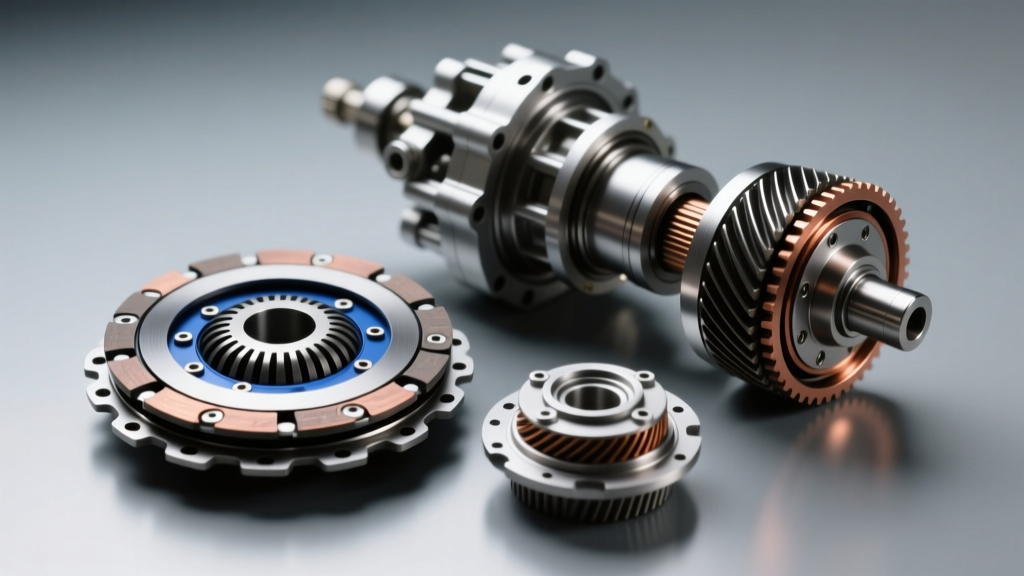
Unlike the single-plate dry clutches found in most manual automotive transmissions, a wet clutch consists of multiple alternating friction and steel plates submerged directly in the vehicle’s shared engine and transmission oil. This design is ubiquitous in motorcycles, ATVs, UTVs, and certain dual-clutch transmissions (DCTs). The oil serves two critical functions: it dissipates the massive heat generated during engagement and provides the precise hydrodynamic friction required for smooth power transfer.
The Lubricant Factor: JASO MA/MA2
Because the clutch shares oil with the engine, the chemical makeup of the lubricant is paramount. Standard automotive oils contain friction modifiers (like molybdenum) designed to reduce drag in car engines. In a wet clutch, these modifiers cause severe slipping. Wet clutches require JASO MA or MA2 certified oils, which lack these slip-inducing additives. Using the wrong oil mimics the symptoms of a severely misadjusted clutch cable, leading to unnecessary teardowns.
How Clutch Cable Problems Destroy Wet Clutch Components
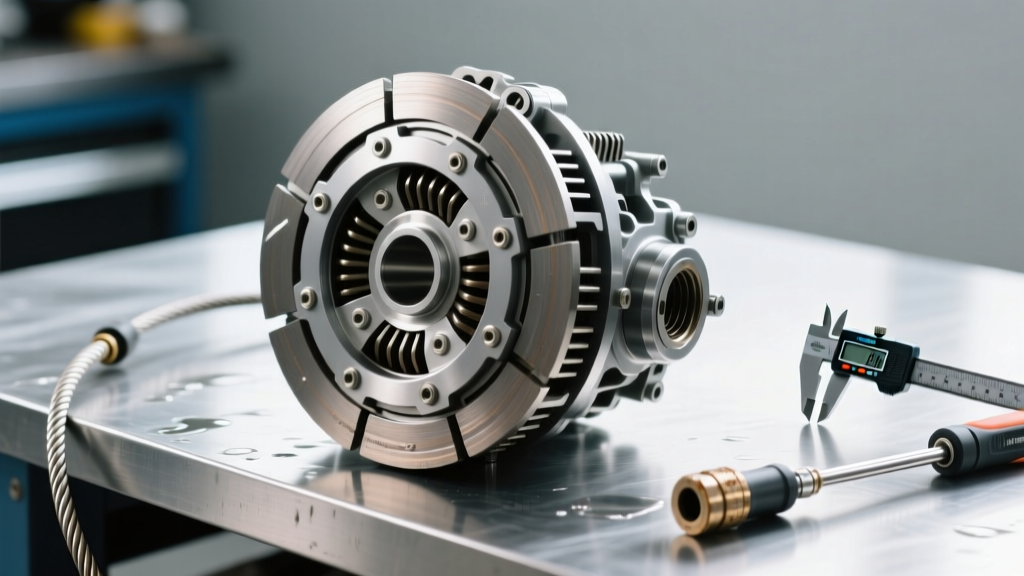
The clutch cable translates the mechanical pull of the rider’s hand at the lever perch into physical pressure against the clutch release mechanism (pushrod or actuator arm). Over time, the inner steel wire stretches, and the outer Teflon-lined housing compresses or frays. If the cable’s free play is not meticulously adjusted, it wreaks havoc on the wet clutch pack in two distinct, expensive ways.
Symptom 1: Insufficient Free Play (The Slipping Tax)
If the cable is adjusted too tightly, it maintains constant, slight pressure on the release mechanism. This prevents the clutch springs from fully clamping the friction plates together. Under heavy load or high RPM, the plates slip against one another. Because the wet clutch relies on oil for cooling, localized slipping superheats the oil film, causing the friction material to glaze or burn off entirely, and warping the steel plates. Cost impact: A $40 cable adjustment error just destroyed a $250 clutch pack.
Symptom 2: Excessive Free Play (The Dragging Tax)
If the cable is too loose, pulling the lever to the grip will not fully disengage the clutch pack. The plates continue to drag through the viscous engine oil. This results in notchy shifting, difficulty finding neutral at a stop, and severe notching of the aluminum clutch basket fingers where the steel and friction plates sit. Once a clutch basket is notched, new plates will catch and stutter, requiring a complete basket replacement.
2026 Cost Analysis: Cable Replacement vs. Collateral Damage
Below is a realistic breakdown of dealership and independent shop pricing for clutch cable service versus the collateral damage caused by neglecting cable adjustment on a standard 600cc-1000cc motorcycle (e.g., Yamaha MT-07, Honda CBR600RR).
| Service / Part Category | Scenario A: Preventative Cable Service | Scenario B: Neglect (Burnt Pack & Basket) |
|---|---|---|
| Clutch Cable (OEM / Aftermarket) | $35 - $85 (e.g., Motion Pro Rev2) | $35 - $85 |
| Clutch Cover Gasket | $12 - $20 | $12 - $20 |
| JASO MA2 Engine Oil (4 Qts) | $50 - $75 | $50 - $75 |
| Friction Plates (e.g., EBC CK Series) | N/A (Not Required) | $110 - $160 |
| Steel Separator Plates (OEM) | N/A (Not Required) | $90 - $140 |
| Clutch Basket (OEM / Hinson) | N/A (Not Required) | $280 - $650 |
| Heavy Duty Clutch Springs | N/A (Not Required) | $35 - $50 |
| Labor (Shop Rate $135/hr) | $67 (0.5 hr adjustment) | $405 (3.0 hr teardown/rebuild) |
| Total Estimated Cost | $164 - $247 | $1,017 - $1,585 |
Note: Prices reflect 2026 averages for OEM and premium aftermarket suppliers like EBC Brakes and Motion Pro.
Step-by-Step Wet Clutch Cable Adjustment & Torque Specs
Proper adjustment requires measuring free play at two distinct points. Always consult your specific factory service manual, but the following parameters apply to 90% of cable-actuated wet clutches on the market.
- Measure Lever Play: With the cable fully seated in the lever perch, measure the distance the lever tip moves before you feel resistance. The spec is typically 10mm to 15mm (approx. 3/8 to 5/8 inch).
- Measure Actuator Play: Down at the engine case, where the cable meets the actuator arm, the exposed inner wire should have exactly 2mm to 3mm of lateral free play before the arm begins to push the clutch pushrod.
- Adjustment Sequence: Always use the barrel adjuster at the lever perch for minor, on-the-fly tweaks. If you run out of threads, reset the barrel adjuster to its midpoint and use the lower adjuster near the engine case to take up the gross slack.
- Test Under Temperature: Cables expand and contract. Re-check free play after the engine reaches full operating temperature (approx. 180°F / 82°C).
Critical Torque Specifications for Clutch Cover Service
If you are replacing a snapped cable that requires removing the clutch inspection cover or the main clutch spring cover, you must adhere to precise torque specs to avoid cracking the magnesium or aluminum engine cases.
- Clutch Spring Bolts (6mm): 10 Nm (7.4 ft-lb) - Use a crisscross star pattern.
- Clutch Cover Perimeter Bolts (6mm): 10 Nm (7.4 ft-lb)
- Clutch Cover Perimeter Bolts (8mm): 22 Nm (16.2 ft-lb)
- Actuator Arm Pinch Bolt: 12 Nm (8.8 ft-lb)
Diagnostic Checklist: Is Your Cable Failing?
Before tearing into the wet clutch pack, run through this diagnostic checklist to isolate cable-related symptoms from internal mechanical failures.
- Sticky Lever Feel: If the lever does not return smoothly, the inner cable is likely fraying inside the housing, or the Teflon lining has collapsed. Lubrication will only mask this; replace the cable immediately.
- Inconsistent Engagement Point: If the clutch engages at the very end of the lever pull on cold mornings, but halfway through the pull when hot, the cable housing is compressing under thermal expansion. Upgrade to a steel-braided or Kevlar-lined aftermarket cable.
- Visible Fraying at the Barrel Adjuster: The tightest bend radius occurs at the lever perch. If you see "fishhooks" of broken steel wire here, catastrophic snapping is imminent. Replace the cable and inspect the lever pivot bolt for burrs.
- Notchy Shifting with Proper Free Play: If your cable free play is perfectly set to 2mm at the actuator, but the bike still refuses to find neutral or clunks into first gear, the issue is internal. You likely have notched clutch basket fingers or warped steel plates from previous cable-induced dragging.
Expert Verdict: Preventative Maintenance ROI
Understanding what a wet clutch is and how it relies on precise mechanical actuation is the key to preserving your drivetrain. A wet clutch is an incredibly durable system capable of surviving tens of thousands of miles, provided it is fully clamped when engaged and fully separated when disengaged. The clutch cable is the sole arbiter of this binary state. By investing 15 minutes and zero dollars to check your 2mm actuator free play every 3,000 miles, you effectively insure yourself against a four-figure engine teardown. When replacement is necessary, bypass cheap OEM rubber-lined cables and invest in high-tensile steel-braided alternatives to ensure consistent lever feel and exact clutch pack modulation for years to come.