The Drivetrain Divide: Internal Auto Clutches vs. External Pedal Assemblies
When drivers experience a sudden loss of forward engagement, slipping RPMs, or harsh shifting, the immediate assumption often points to a singular culprit. However, diagnosing drivetrain malfunctions in 2026 requires a strict bifurcation based on transmission architecture. While manual transmission engagement issues frequently trace back to external hydraulic or mechanical linkages—such as a failing clutch pedal assy—automatic transmission clutch problems are entirely internal, complex, and require a vastly different diagnostic and purchasing approach.
This buyer’s guide and diagnostic comparison breaks down the reality of automatic transmission clutch packs, contrasts them with manual pedal assembly failures, and provides actionable sourcing data for mechanics and DIYers navigating the aftermarket landscape.
Deep Dive: Automatic Transmission Clutch Problems
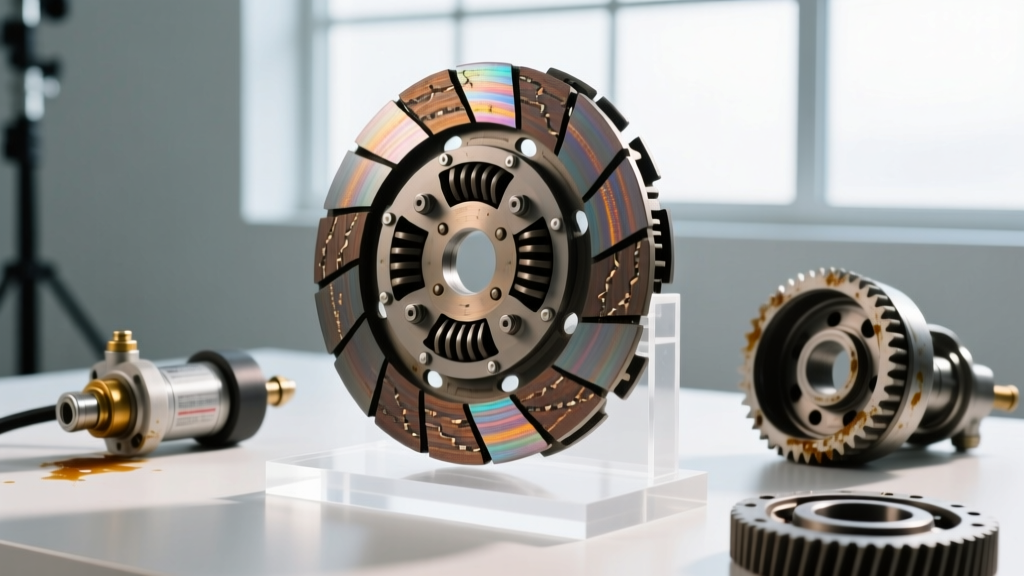
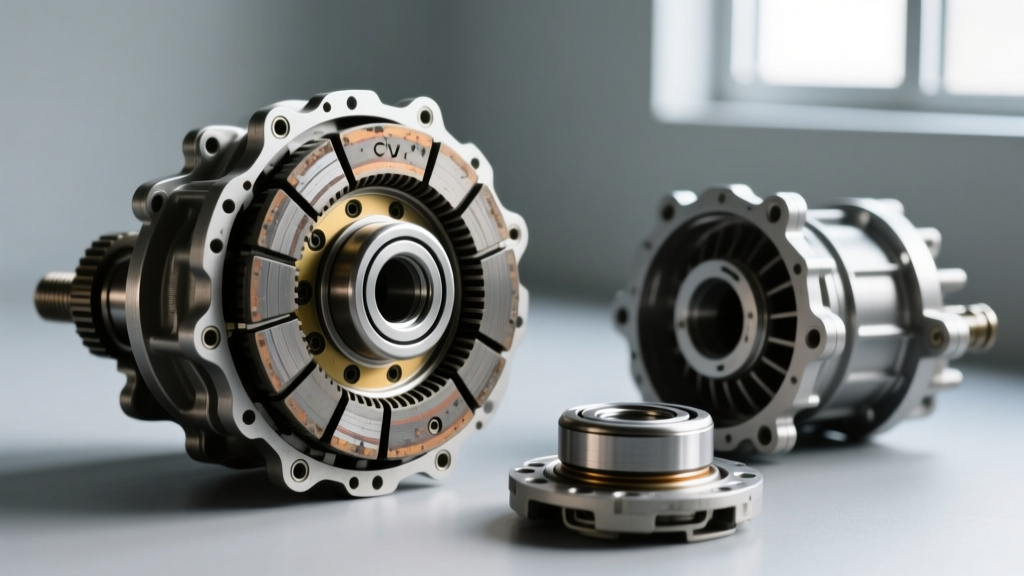
A common misconception among novice drivers is that automatic transmissions lack clutches. In reality, modern automatics utilize multiple wet friction clutch packs to apply holding force to planetary gearsets. When these internal clutches fail, the vehicle exhibits symptoms like shift flares, delayed engagement, or complete loss of specific gear ratios.
GM 6L80 / 6L90: The 3-5-R Clutch Hub Failure
The GM 6L80 and 6L90 transmissions (found in Silverados, Corvettes, and Camaros) suffer from a notorious mechanical failure within the 3-5-R clutch module. Rather than the friction material wearing out, the splines on the aluminum clutch hub strip out under high torque loads. This results in an immediate loss of 3rd, 5th, and Reverse gears. Diagnosing this requires a line pressure test and a road test; if the transmission slips exclusively in these gears while line pressure remains nominal, the hub is stripped. Buyers sourcing replacement parts must look for upgraded billet steel hubs or reinforced aftermarket versions from manufacturers like Sonnax to prevent recurring failures.
ZF 8HP: Mechatronic Sleeve Leaks and Clutch Pack Burnout
The ZF 8HP (utilized by BMW, Audi, Dodge, and Ford) relies on clutches labeled A through E. A frequent issue that mimics catastrophic internal clutch failure is a hydraulic leak at the mechatronic adapter sleeve. When the plastic sleeve degrades, internal line pressure drops. The Transmission Control Module (TCM) compensates by increasing solenoid duty cycles, but eventually, the clutch packs slip, glazing the friction material. Replacing the sleeve requires dropping the valve body. The torque spec for the mechatronic sleeve retaining bolts is precisely 8 Nm. If the clutches are already burnt, a full tear-down is required. Friction surface clearances must be meticulously set between 0.40mm and 0.60mm per surface using a dial indicator and snap-ring pliers.
The Manual Baseline: Clutch Pedal Assy Diagnostics
To understand the complexity of automatic clutch repairs, it is helpful to compare them to the manual counterpart. In a manual vehicle, the driver’s physical input is transferred via the clutch pedal assy. This assembly comprises the stamped steel or cast aluminum bracket, the pivot pin, the helper spring, and the master cylinder pushrod.
In vehicles like the Ford Mustang S550 or various Honda platforms, the plastic pivot bushings disintegrate, or the pedal bracket itself fatigues and cracks under the 250+ lbs of foot pressure required for heavy-duty aftermarket clutches. Symptoms include a pedal that sticks to the floor, a loss of hydraulic pressure, or an audible clicking under the dash. Replacing the clutch pedal assy is a fraction of the cost of an automatic transmission rebuild, typically requiring only basic hand tools (13mm and 15mm wrenches) and 1.5 hours of labor under the dash. You can source complete OEM or Dorman replacement assemblies via catalogs like RockAuto for under $150.
Fluid Forensics: Diagnosing Auto Clutch Wear via ATF
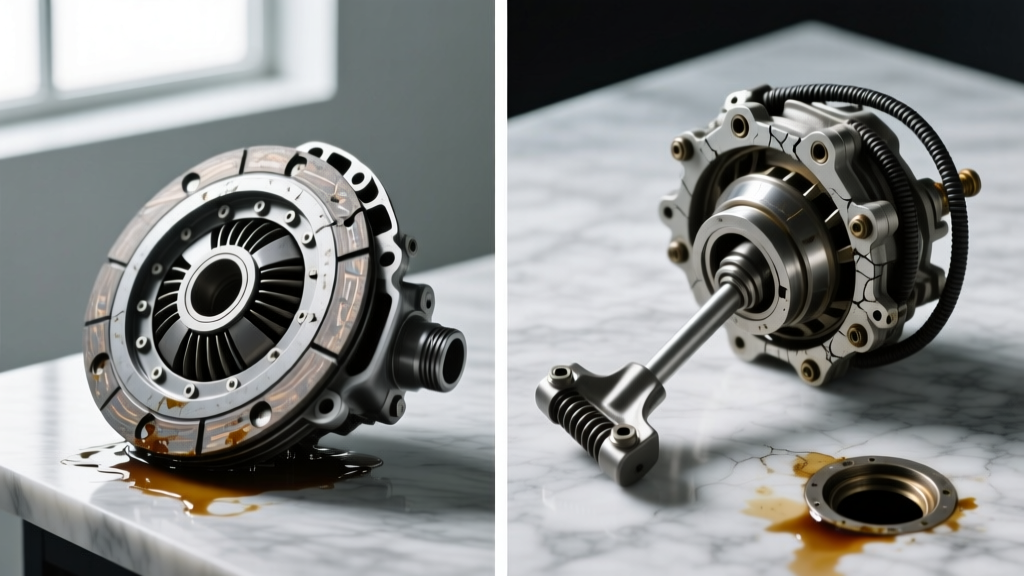
Unlike a manual clutch pedal assy which fails mechanically, automatic clutch problems leave chemical evidence in the Automatic Transmission Fluid (ATF). Before purchasing a $3,000 rebuild kit, perform a fluid forensic analysis:
- The Smell Test: Burnt ATF that smells like scorched toast indicates paper-based friction material delamination. This confirms internal clutch pack failure.
- Visual Inspection: Dark, opaque fluid with visible metallic glitter points to planetary gear or bushing wear, not necessarily the clutch frictions.
- Spectrographic Analysis: High copper levels in the fluid suggest torque converter clutch (TCC) lining wear or thrust washer degradation, common in high-mileage Ford 10R80 units.
2026 Buyer’s Guide: Sourcing Components and Comparing Costs
When building a repair estimate or deciding whether to tackle a drivetrain repair in your home garage, the purchasing channels and part structures differ wildly between automatic internal clutches and manual pedal assemblies.
| Component Category | Example Application | Avg. 2026 Part Cost | Labor Book Time | Primary Sourcing Channel |
|---|---|---|---|---|
| Auto Internal Clutch Kit | ZF 8HP70 Master Rebuild Kit | $450 - $850 | 10.0 - 14.0 Hours | Specialty Transmission Suppliers (e.g., ZF Aftermarket) |
| Auto Valve Body / Sleeve | GM 6L80 TEHCM & Sleeve | $300 - $650 | 3.5 - 5.0 Hours | Dealer Parts or Sonnax Distributors |
| Manual Clutch Pedal Assy | Ford Mustang S550 Bracket/Pedal | $65 - $180 | 0.8 - 1.5 Hours | RockAuto, Local Auto Parts Stores |
| Manual Master Cylinder | Honda Civic Clutch Master | $40 - $120 | 1.0 - 2.0 Hours | RockAuto, Dealer OEM |
Core Charges, Warranties, and Aftermarket Support
When buying automatic transmission clutch packs or valve bodies, be prepared for core charges. A ZF mechatronic unit or a GM TEHCM (Transmission Electro-Hydraulic Control Module) will often carry a $200 to $500 core deposit. Furthermore, internal automatic clutch kits rarely carry warranties if installed by a DIYer, as manufacturers require proof of proper clearance measurements and line pressure testing.
Conversely, a manual clutch pedal assy purchased from a reputable aftermarket brand typically carries a limited lifetime warranty. Because the failure modes are well-documented (e.g., plastic bushing wear), aftermarket companies have engineered upgraded versions featuring bronze bushings or reinforced steel brackets, making the buyer's choice relatively straightforward.
Final Verdict for Drivetrain Shoppers
Diagnosing and repairing drivetrain engagement issues requires respecting the engineering divide between transmission types. Automatic transmission clutch problems demand specialized tools, strict adherence to torque specs (like the 50 Nm bellhousing-to-engine block spec on the 6L80), and a deep understanding of hydraulic line pressure. Meanwhile, manual engagement issues often resolve with a simple, cost-effective replacement of the clutch pedal assy. By understanding these distinct failure modes and utilizing the correct 2026 sourcing channels, you can accurately estimate repairs, avoid unnecessary teardowns, and get your vehicle back on the road with confidence.