The Evolution of Clutch Diagnostics: From Small Engines to Modern Automatics
For many gearheads, the first foray into drivetrain mechanics involves a small engine. Popping off a mini bike clutch cover on a Predator 212cc or Honda GX160 engine is a masterclass in mechanical simplicity. You remove three M6 bolts, lift the stamped steel or cast aluminum cover, and instantly see the centrifugal clutch shoes, springs, and drum. If the bike is bogging or slipping, the visual diagnosis takes ten seconds: the friction material is glazed, or the drum is scored. Replacement parts cost under $30, and reassembly requires nothing more than a 10mm socket.
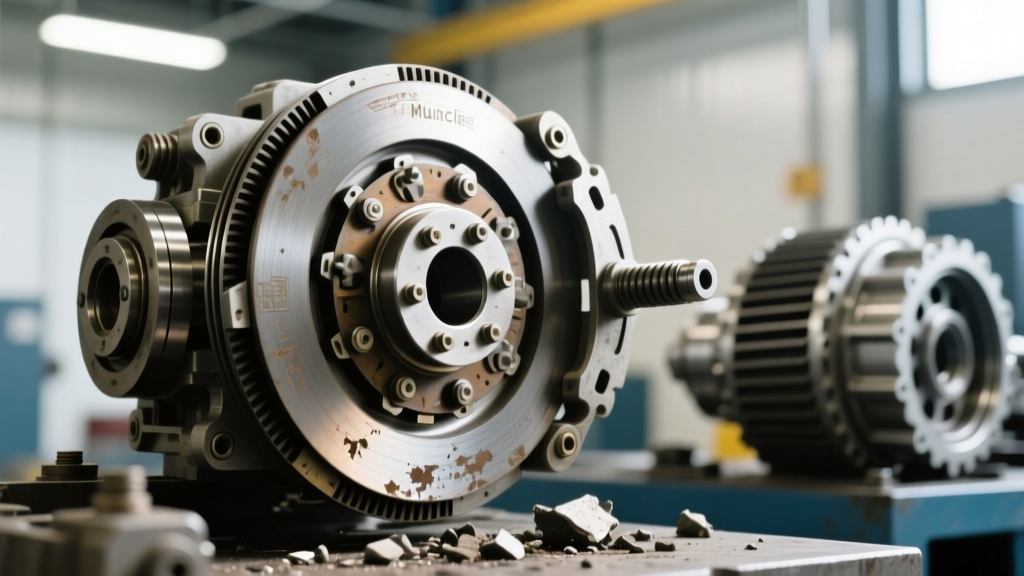
However, when you transition to diagnosing clutch problems in automatic transmissions, that visual simplicity vanishes entirely. Modern automotive automatics—like the GM 6L80E, the ZF 8HP, or the venerable 4L60E—house multiple wet clutch packs buried deep within the bellhousing and main case. You cannot simply unbolt an inspection cover and eyeball the friction material. Diagnosing internal automatic transmission clutch failures requires a systematic approach, specialized diagnostic tools, and an understanding of hydraulic apply circuits. In this 2026 buyer’s guide and diagnostic comparison, we bridge the gap between simple centrifugal clutch maintenance and advanced automotive automatic transmission diagnostics, helping you choose the right tools, access covers, and rebuild components.
Identifying Clutch Problems in Automatic Transmissions
Unlike a manual transmission where the driver controls the clutch pedal, automatic transmissions rely on the Transmission Control Module (TCM) to command shift solenoids, which route pressurized fluid to specific clutch packs. When these internal clutches fail, the symptoms manifest in distinct ways, often accompanied by specific Diagnostic Trouble Codes (DTCs).
1. The GM 4L60E: 3-4 Clutch Pack Burnout
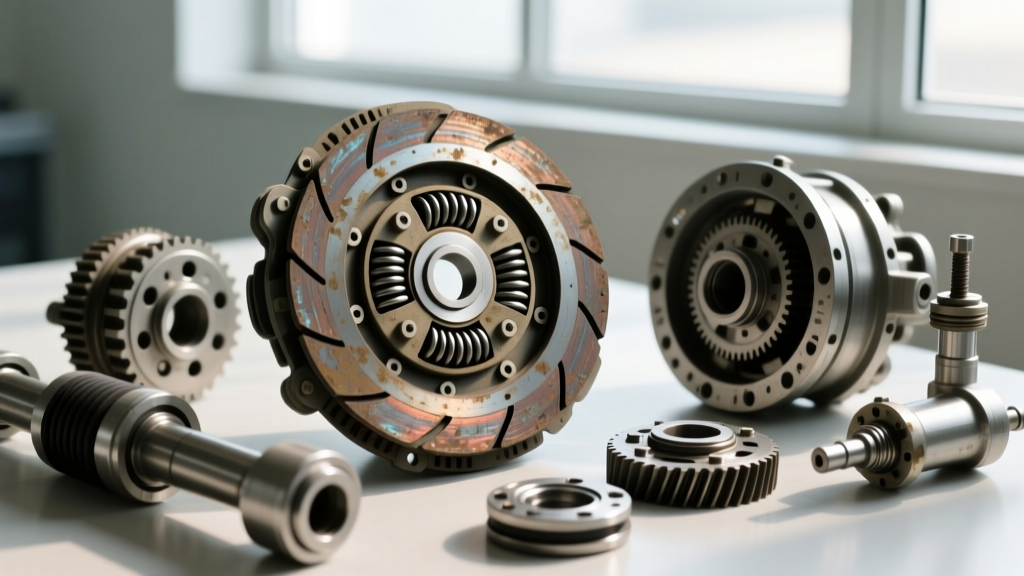
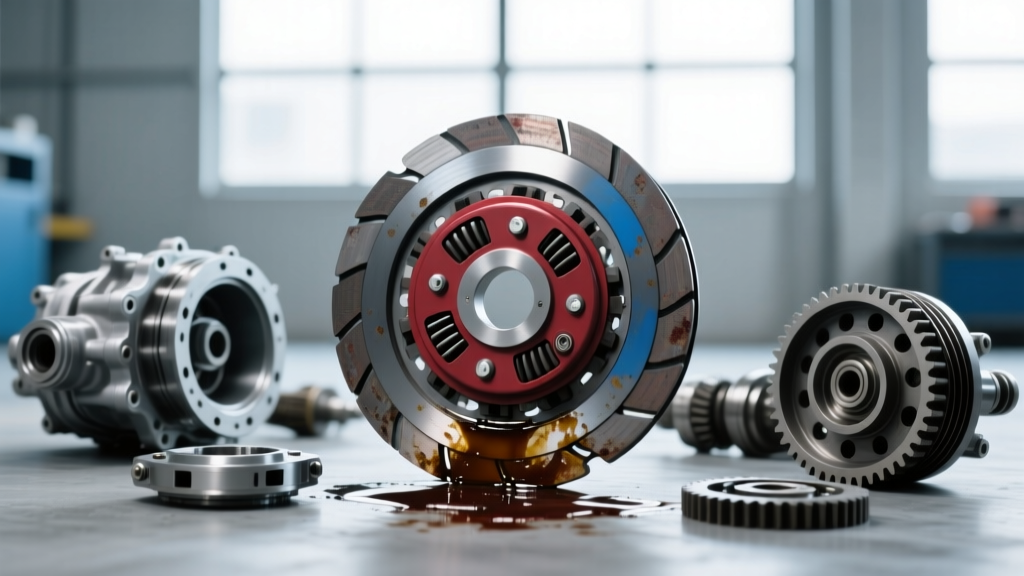
The 4L60E is notorious for 3-4 clutch pack failure, typically presenting as a loss of 3rd and 4th gears while 1st and 2nd remain functional. The root cause is often the aluminum apply ring wearing into the pump housing, causing a hydraulic leak that starves the 3-4 clutch pack of fluid. The friction plates burn up rapidly. Symptom: Flaring on the 2-3 shift, followed by a complete loss of overdrive. DTC: P0730 (Incorrect Gear Ratio).
2. The GM 6L80 / 6L90: 4-5-6 Clutch Hub Stripping
In the 6L80 series, the 4-5-6 clutch hub is a known weak point. The splines on the aluminum hub can strip under high torque loads, particularly in tuned trucks or heavy towing applications. Symptom: The vehicle will unexpectedly shift to neutral or exhibit severe shudder during the 4-5 or 5-6 upshifts. DTC: P2714 (Pressure Control Solenoid 'D' Performance/Stuck Off) or P0735 (Gear 5 Incorrect Ratio).
3. The ZF 8HP: Mechatronic Sleeve Leaks and Clutch Adaptation
The ZF 8HP (found in BMW, Audi, Dodge, and Ford vehicles) uses a highly sensitive mechatronic unit. The plastic adapter sleeve between the mechatronic unit and the transmission case degrades over time, leaking fluid internally. This drops the apply pressure to Clutch 'A' or Clutch 'E'. Symptom: Harsh downshifts, 'Transmission Malfunction' warnings, and delayed engagement into Reverse. DTC: P0730 or specific ZF adaptation limit codes.
Diagnostic Access: Enclosures, Covers, and Pans
When comparing the accessibility of a mini bike to a full-size vehicle, the enclosure design dictates your diagnostic strategy. On a mini bike, the mini bike clutch cover is a dedicated access point solely for the clutch assembly. In automotive applications, access is generally limited to the transmission fluid pan, the bellhousing inspection cover, or external pressure test ports.
Buyer’s Guide: Upgrading Access and Diagnostic Pans
If you are a DIY mechanic or a shop owner looking to streamline automatic transmission diagnostics, upgrading your access covers is a high-ROI investment. Here is how the enclosures compare across platforms:
| Application | Access Component | Fastener Spec | Diagnostic Value | 2026 Avg. Cost |
|---|---|---|---|---|
| Mini Bike (Centrifugal) | Mini bike clutch cover | 3x M6 (10mm hex) | Direct visual inspection of shoes/drum | $12 - $25 |
| GM 4L60E / 4L80E | OEM Stamped Steel Pan | 15x 8mm / 10mm hex | Fluid debris analysis, magnet check | $35 - $60 |
| GM 6L80E | Deep Cast Pan (e.g., PML) | 15x 8mm hex | Added capacity, integrated drain plug, temp sensor access | $220 - $280 |
| ZF 8HP (BMW/Chrysler) | OEM Plastic Pan/Filter | 13x Torx / 10mm | Mechatronic sleeve access, filter replacement | $180 - $350 |
Expert Tip: For the ZF 8HP, never reuse the OEM plastic pan bolts. They are torque-to-yield aluminum and will snap upon reinstallation. Always purchase a new OEM or high-quality aftermarket fastener kit when dropping the pan to inspect the mechatronic bridge seal.
Essential Diagnostic Tools for the Modern Drivetrain
Because you cannot simply remove a cover to inspect automatic clutch packs, you must rely on hydraulic and electronic diagnostics to isolate the failure before pulling the transmission. According to technical bulletins from Transmission Digest, over 60% of 'clutch slip' complaints in modern automatics are actually hydraulic control issues, not burnt friction material.
1. Transmission Pressure Test Kits
Before condemning a clutch pack, you must verify that the pump and valve body are delivering adequate line pressure. A master pressure test kit (such as the OTC 7141 or equivalent 2026 updated kits) includes adapters for the specific line pressure ports on the transmission case.
Target Pressures (Example: GM 6L80):
- Park/Neutral: 60 - 80 PSI
- Drive (Idle): 85 - 110 PSI
- Reverse (Idle): 130 - 180 PSI
- Drive (Stall): 250+ PSI
2. Air Test Plate Kits
Once the transmission is on the bench and the valve body is removed, you must verify the integrity of the clutch pistons. Sonnax Industries and other drivetrain specialists manufacture air test plates that bolt directly over the case passages. By applying regulated shop air (typically 60-90 PSI), you can 'pop' the clutch pistons. If a clutch pack does not apply audibly, or if you hear air hissing from the input shaft or drum seals, you have found your blown clutch seal without having to disassemble the entire drum.
3. Bi-Directional Scan Tools
Modern diagnostics require commanding shift solenoids individually. Tools like the Autel MaxiSys or Snap-on Zeus allow you to command individual clutches (e.g., commanding the 3-5-R clutch on a 6R80) while monitoring turbine speed sensors. If the commanded clutch does not alter the gear ratio, the fault is isolated to that specific hydraulic circuit or friction pack.
Precision Measurement and Reassembly Specs
When you finally crack open the transmission and access the clutch packs, the era of 'eyeballing' is over. Unlike adjusting the tension spring on a mini bike centrifugal clutch, automatic transmission clutch packs require exact clearance measurements using a dial indicator and magnetic base.
Clutch Pack Clearance Specifications
Clutch clearance is the distance the piston travels before clamping the friction and steel plates. Too tight, and the clutch drags, causing burnt fluid and overheating. Too loose, and the clutch slips, leading to immediate failure.
- GM 4L60E (3-4 Clutch Pack): Target clearance is 0.040' - 0.060'. Use a selective snap ring or a custom Sonnax shim to adjust.
- GM 6L80 (4-5-6 Clutch Pack): Target clearance is 0.045' - 0.070'. Always inspect the wave plate for fatigue cracking.
- ZF 8HP (Clutch A): Target clearance is typically 0.055' - 0.075'. ZF relies heavily on precise shimming during the drum assembly phase.
Critical Torque Specifications
Reassembly requires strict adherence to torque specs. Over-torquing a valve body or pump can warp the aluminum casting, causing immediate cross-leaks and clutch burnout upon first startup.
- GM LS Bellhousing to Engine Block: 37 lb-ft (50 Nm)
- GM 4L60E Transmission Pan to Case: 11 lb-ft (15 Nm) - Do not overtighten, or you will warp the pan rail and cause persistent leaks.
- ZF 8HP Mechatronic to Case: 8 Nm (70 lb-in) for the Torx bolts. These are small and easily stripped.
- Transmission Pump to Case (Generic V8 Auto): Usually 15-20 lb-ft. Always use a thread locker if specified by the OEM service manual.
Final Thoughts: Respecting the Complexity
There is a profound satisfaction in maintaining small engines. Swapping out a worn drum and installing a fresh mini bike clutch cover is a rite of passage that teaches the fundamentals of friction, centrifugal force, and mechanical linkages. However, diagnosing clutch problems in automatic transmissions requires a shift in mindset. You are no longer just a mechanic; you are a hydraulic engineer and a software diagnostician. By investing in the right pressure testing equipment, upgrading to deep diagnostic pans, and respecting the microscopic tolerances of modern clutch packs, you can accurately diagnose and repair today's complex automatic transmissions with confidence.