The Off-Road Drivetrain Paradigm: CVTs and Wet Clutches
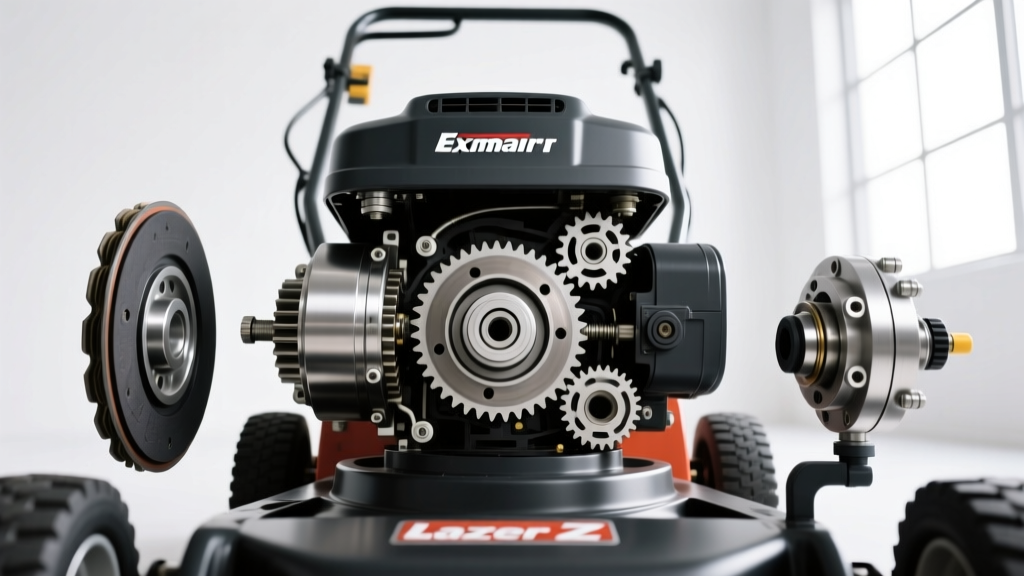
As we navigate the 2026 off-road season, factory UTVs and sport ATVs are pushing past the 200-horsepower barrier, placing unprecedented stress on drivetrain components. Whether you are piloting a turbocharged Can-Am Maverick X3 through the dunes or feathering the throttle on a Yamaha YXZ1000R, your clutch system is the critical bottleneck between engine output and wheel traction. Unlike traditional automotive manual transmissions, the off-road world relies primarily on two distinct systems: the Continuously Variable Transmission (CVT) utilizing primary and secondary sheaves, and the sequential/manual wet-clutch setups found in sport quads and specialized side-by-sides.
Understanding the nuances of these systems is mandatory before wrenching. When riders begin experiencing belt slip, erratic engagement, or loss of top-end speed, the immediate concern shifts to the bottom line. Calculating an accurate ATV and UTV transmission clutch replacement cost requires looking beyond simple part swapping; it involves evaluating OEM rebuild kits, full billet aftermarket upgrades, and the specialized tooling required for safe extraction.
Decoding the ATV and UTV Transmission Clutch Replacement Cost
The financial impact of a clutch overhaul varies wildly based on your vehicle platform, your performance goals, and whether you are turning the wrenches in your own garage or paying a dealership. Below is a comprehensive breakdown of current market pricing for popular off-road platforms.
| Component / Service Category | OEM / Stock Replacement | Aftermarket Performance Upgrade |
|---|---|---|
| CVT Rebuild Kit (Weights, Springs, Sliders) | $120 - $280 | $250 - $450 (e.g., Dalton Industries) |
| Complete Primary Clutch Assembly | $650 - $1,100 | $900 - $1,600 (e.g., STM, Team Industries) |
| Complete Secondary Clutch Assembly | $500 - $850 | $750 - $1,400 (Billet with adjustable helix) |
| Sport ATV Wet Clutch Pack (Fibers & Steels) | $80 - $150 | $180 - $300 (e.g., Hinson, Barnett) |
| Professional Shop Labor (R&R and Tuning) | $250 - $450 | $400 - $700 (Includes dyno/track tuning) |
When evaluating your total transmission clutch replacement cost, remember that chasing a failing OEM clutch with another cast-aluminum factory unit is often a false economy for high-horsepower rigs. Upgrading to a billet primary clutch not only resolves chronic factory failure points but also allows for precise tuning of engagement RPMs.
CVT Performance Upgrades: Billet vs. Cast Aluminum
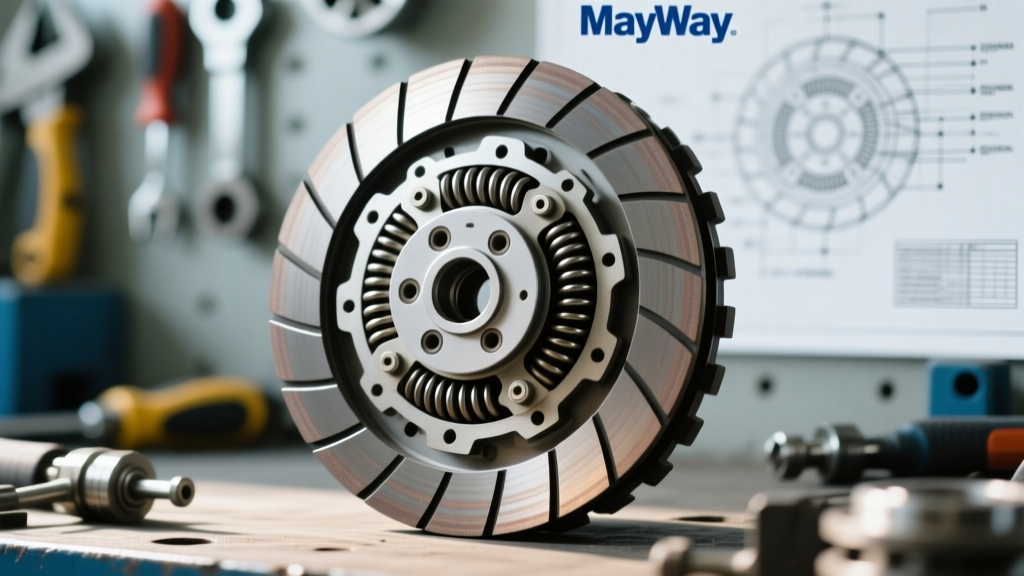
Most factory CVT clutches are manufactured from cast aluminum. While adequate for stock horsepower levels and casual trail riding, cast sheaves are prone to warping under extreme heat and heavy load. When the sheave face warps, belt alignment degrades, leading to catastrophic belt delamination and severe power loss.
Eliminating the Polaris One-Way Bearing (OWB)
One of the most notorious failure points in the off-road industry is the One-Way Bearing inside the primary clutch of many Polaris RZR and Ranger models. When the OWB fails, it can grenade the entire clutch housing and score the engine crankshaft. Performance manufacturers like STM Clutches and EPI Engineering have engineered billet primary clutches that completely eliminate the OWB, utilizing a solid hub or advanced roller ramp designs. While this pushes the initial parts cost upward by roughly $800, it permanently removes the most expensive vulnerability in the Polaris drivetrain.
Tuning the Secondary: Helix Angles and Torsion Springs
The secondary (driven) clutch dictates backshifting response and engine braking. By swapping the internal helix cam, you alter how quickly the clutch closes when you lift off the throttle. For example, transitioning from a stock 50/42 helix to a steeper 48/40 profile will keep the RPMs higher during deceleration, providing aggressive engine braking for steep, technical rock crawling. Pairing this with a stiffer torsion spring (e.g., moving from a 140/200 spring to a 160/220) ensures the belt maintains grip under high-torque, low-speed crawling conditions.
Wet Manual Clutches: Sport ATV Tuning and Friction Materials
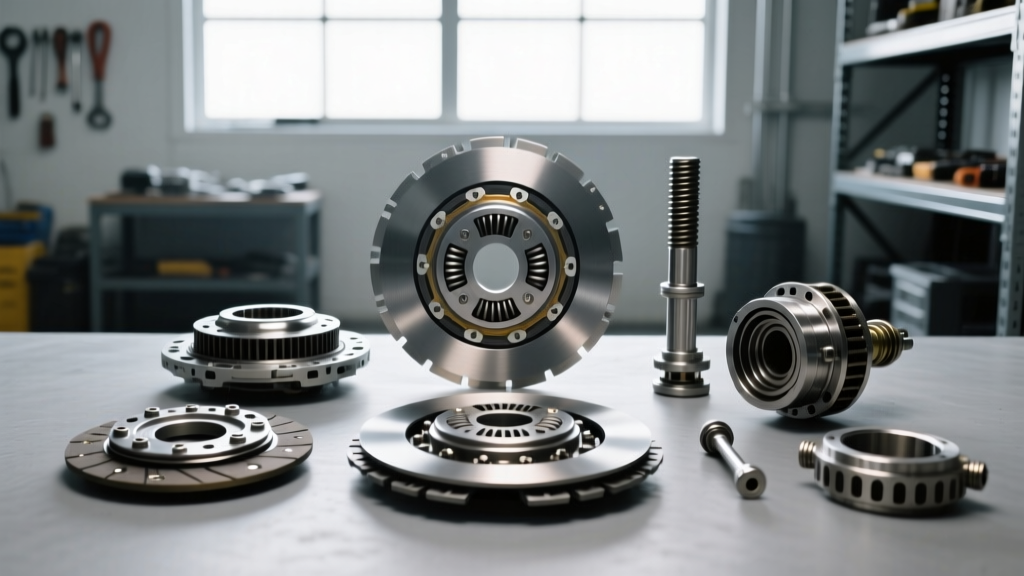
For sport ATVs like the Yamaha Raptor 700 or Honda TRX450R, the clutch is a traditional multi-plate wet system bathed in engine oil. The transmission clutch replacement cost for these units is significantly lower than CVT systems, but the tuning parameters are highly sensitive to fluid chemistry and plate metallurgy.
- Friction Plates: OEM paper-based plates offer smooth engagement but fade under racing conditions. Upgrading to Kevlar or carbon-fiber lined plates (such as those from Barnett Clutches) increases the coefficient of friction, allowing for harder launches without slip.
- Drive Plates (Steels): When replacing the friction plates, always measure the steel drive plates with a micrometer. If they exhibit bluing (heat discoloration) or are worn below the manufacturer's minimum thickness specification (typically around 1.2mm to 1.6mm depending on the model), they must be replaced to prevent warping.
- Fluid Compatibility: Wet clutches require engine oils specifically rated with the JASO MA or MA2 friction standard. Using standard automotive oils containing friction modifiers (like molybdenum) will cause immediate and severe clutch slip, rendering your fresh clutch pack useless.
Professional R&R: Torque Specs, Pullers, and Safety Warnings
Removing a CVT primary clutch requires overcoming the immense clamping force of the crankshaft taper. Attempting to pry the clutch off with screwdrivers will destroy the sheave and potentially crack the engine cases. You must use a vehicle-specific threaded clutch puller.
Pro-Tip: Never use an impact wrench to drive the clutch puller bolt into the crankshaft without a holding tool. The rotational force can snap the crankshaft threads or severely damage the internal engine bearings. Always secure the primary clutch with a dedicated holding strap or block before applying torque to the puller.
Critical Torque Specifications (Reference Guide)
Reinstalling the clutch requires precise torque to ensure the sheave seats fully on the crankshaft taper. A loose clutch will wallow out the crankshaft, requiring a complete engine teardown to fix. Always consult your specific year's service manual, but common baseline specifications include:
- Polaris RZR / Ranger Primary Clutch Bolt (M12/M14): 120 ft-lbs (163 Nm). Note: Many factory manuals recommend using a high-strength thread locker and seating the bolt with a torque wrench, followed by a final strike with a soft-faced mallet to seat the taper, then re-checking torque.
- Can-Am Maverick X3 Primary Clutch Bolt: 110 - 120 ft-lbs (150 - 163 Nm). Ensure the crankshaft threads are completely degreased before installation.
- Yamaha Raptor 700 Wet Clutch Locknut: 54 ft-lbs (74 Nm). Requires a specific clutch hub holding tool to prevent transmission shaft rotation during tightening.
- Secondary Clutch to Jackshaft Bolt: Generally 40 - 55 ft-lbs depending on the thread pitch. Always apply blue Loctite (243) to these threads.
Edge-Case Failure Modes and Troubleshooting
Before spending money on a full replacement, diagnose the actual failure mode. Sometimes, the issue is peripheral to the clutch assemblies themselves.
Belt Dust and Sheave Glazing
If your UTV is shuddering upon takeoff, the clutch may not be failing; it may simply be glazed. CVT systems generate immense belt dust. If the clutch is not blown out with compressed air every 500 miles, the dust bakes onto the aluminum sheave faces, creating a glass-like surface. This prevents the belt from gripping, mimicking a worn clutch. Scuffing the sheave faces with a 3M Scotch-Brite pad and wiping with acetone can restore grip and save you hundreds of dollars in parts.
Can-Am Slider Button Wear
The Can-Am Maverick X3 primary clutch utilizes small plastic slider buttons that ride in the ramps. Under high-load, high-heat conditions, these buttons wear down or melt, causing the movable sheave to bind or tilt. This results in an erratic, bouncing RPM at cruise speeds. Replacing the slider kit (OEM part 420865934 or an aftermarket aluminum upgrade) is a $60 fix that resolves the issue without replacing the entire $1,200 clutch assembly.
Engine Mount Deflection
CVT systems require absolute alignment between the primary and secondary clutches. If your engine mounts are worn or torn, the engine will twist under load, pulling the clutches out of parallel alignment. This causes rapid, uneven belt wear and premature clutch failure. Always inspect engine mounts before condemning a perfectly good clutch system.
Final Thoughts on Drivetrain Investment
Whether you are budgeting for a simple OEM rebuild or investing in a fully adjustable billet CVT system from RMATVMC or direct from the manufacturer, understanding the true transmission clutch replacement cost involves factoring in longevity, performance gains, and the elimination of factory weak points. For high-horsepower UTVs, treating the clutch as a tunable performance component rather than a simple wear item is the key to unlocking your machine's true potential on the trail and in the dunes.