Introduction to Motorcycle and ATV Clutch Systems
Whether you are tearing up the dunes on a Yamaha YFZ450R or carving canyons on a Honda CBR600RR, your machine's wet multi-plate clutch is the critical bridge between engine power and rear-wheel traction. Unlike the dry single-plate clutches found in most manual cars, motorcycle and ATV clutches operate in an oil bath. This design provides immense cooling and durability but introduces unique diagnostic variables, primarily related to fluid friction modifiers and mechanical basket wear.
As of 2026, the integration of electronics into off-road and street drivetrains has added a new layer of complexity to clutch diagnostics. In this beginner-friendly explainer, we will break down the most common clutch symptoms, provide exact torque specifications, and explore how aftermarket electrical accessories can inadvertently ruin your clutch engagement.
The Anatomy of a Wet Multi-Plate Clutch
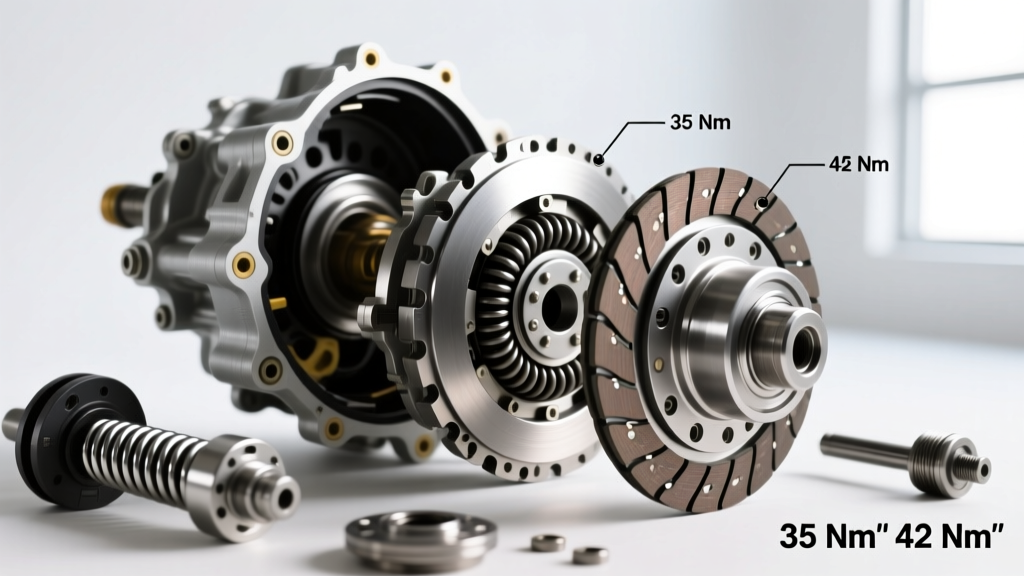
Before diagnosing a problem, you must understand the components. A standard wet clutch stack consists of alternating friction plates (which have a high-friction paper or Kevlar lining) and steel separator plates. These are housed inside an aluminum clutch basket (driven by the engine) and a clutch hub (connected to the transmission input shaft).
When you pull the lever, a cam mechanism lifts the pressure plate, compressing the clutch springs and separating the plates to disengage power. When you release the lever, the springs clamp the stack together, locking the engine to the transmission. Any failure in this sequence results in slip, chatter, or drag.
Top 3 Clutch Symptoms and How to Diagnose Them
1. High RPMs with Low Speed (Clutch Slipping)
The Symptom: You twist the throttle, the engine revs climb rapidly, but your vehicle's speed barely increases. This is most noticeable under heavy load, like climbing a steep ATV trail or accelerating out of a corner on a sportbike.
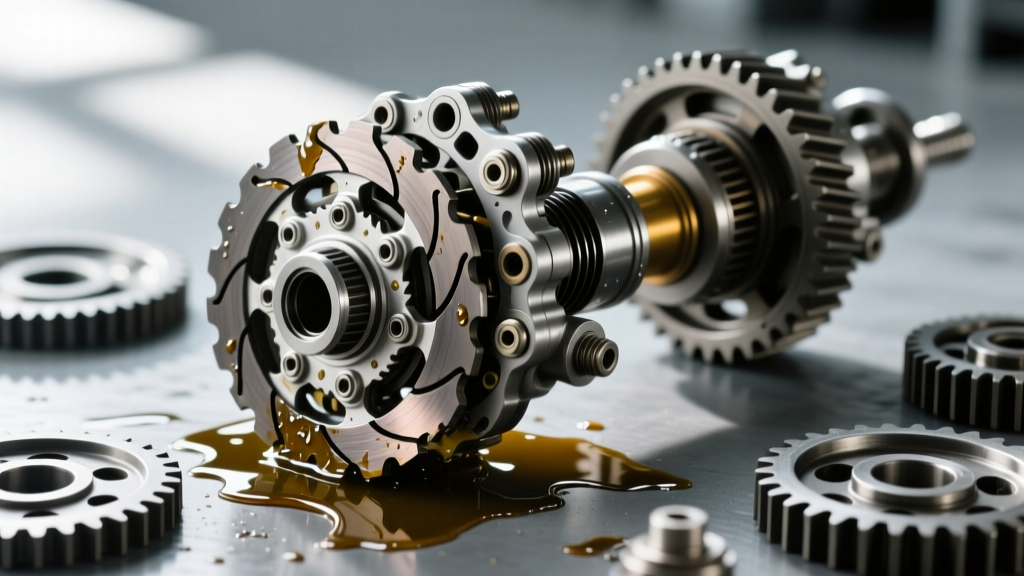
The Root Cause: Slipping is almost always caused by a lack of clamping force or degraded friction material. On a beginner level, the first suspect is your engine oil. Using standard automotive oil containing friction modifiers (like molybdenum) will coat the clutch plates and cause immediate slip. You must use oil certified with a JASO MA or MA2 rating, which guarantees the absence of friction-reducing additives.
The Fix: Drain the oil and refill with a dedicated motorcycle 10W-40 synthetic (e.g., Motul 7100). If the slip persists, measure your friction plates with digital calipers. If they fall below the manufacturer's service limit (typically 2.8mm to 3.0mm), replace the stack with an EBC CK Series kit.
2. Grabby Engagement and Vibration (Clutch Chatter)
The Symptom: As you slowly release the clutch lever from a stop, the bike or ATV shudders violently, feeling like it is 'hopping' forward in jerks rather than engaging smoothly.
The Root Cause: According to drivetrain engineering principles, chatter is caused by alternating dynamic and static friction coefficients. In practical terms, this means your steel plates are warped from overheating, or the aluminum tangs on your clutch basket are 'notched.' When the plates get stuck in these notches, they don't separate cleanly, causing a grab-and-release effect. Cycle World's technical analysis on clutch chatter highlights that even a 0.2mm warp in a steel plate can cause severe shudder.
The Fix: Inspect the clutch basket fingers for grooves. If a fingernail catches in the groove, the basket must be replaced or fitted with an anti-chatter billet insert. Replace all steel plates and soak new friction plates in fresh JASO MA2 oil for at least two hours before installation.
3. Difficulty Finding Neutral and Creeping (Clutch Drag)
The Symptom: With the clutch lever pulled all the way to the handlebar, the ATV still creeps forward, or you cannot click the shifter into neutral at a stoplight.
The Root Cause: The clutch is not fully disengaging. For cable-actuated systems, this is usually a stretched cable or improper free-play adjustment. For hydraulic systems, it indicates air in the line or a worn master cylinder cup. Mechanically, it can be caused by warped steel plates that refuse to separate, or excessively thick oil in freezing temperatures.
The Fix: Adjust your cable free-play to 3mm-5mm (1/8 to 1/4 inch) at the lever perch. If hydraulic, bleed the system using a vacuum bleeder. Check your clutch stack height to ensure you haven't installed plates that are too thick, which prevents the pressure plate from lifting high enough.
Diagnostic Quick-Reference Table
| Symptom | Primary Suspect | Measurement / Spec | Est. DIY Cost (2026) |
|---|---|---|---|
| Slipping under load | Wrong oil or worn friction plates | Friction thickness < 3.0mm | $45 (Oil) / $120 (Plates) |
| Shudder / Chatter | Notched basket or warped steels | Steel plate runout > 0.2mm | $180 - $350 (Basket/Steels) |
| Dragging / Creeping | Cable stretch or air in hydraulics | Free play < 3mm at lever tip | $15 (Cable) / $30 (Bleed Kit) |
| Lever feels spongy | Hydraulic fluid boil or leak | Fluid moisture > 3% (DOT 4) | $12 (Fluid) |
The 2026 Electronic Clutch & Accessory Dilemma
Modern off-road and adventure bikes are increasingly relying on electronic clutch actuators and Dual-Clutch Transmissions (DCT), such as those found on the Honda Africa Twin or the Can-Am Spyder SE5 semi-automatic. These systems rely on precise hall-effect sensors and high-amperage stepper motors to modulate clutch slip.
When outfitting your adventure bike or ATV, electrical accessories are a must. Many riders mount auxiliary USB hubs directly on the left handlebar to power GPS units and heated grips. If you have been searching for a clutch charger discount code to snag a budget-friendly handlebar power module, be extremely cautious. Cheap, unregulated 12V-to-5V step-down converters often lack proper shielding and can introduce severe voltage ripple back into the stator circuit.
This electrical noise can interfere with the ECU's ability to read the clutch position hall-effect sensor, resulting in erratic engagement, false 'Clutch Actuator' dashboard codes, or sudden limp-mode errors. Always invest in isolated, waterproof smart chargers with inline ferrite beads to protect your drivetrain electronics. Never splice high-draw accessories directly into the ECU's 5V reference wire.
Essential Torque Specs & Part Numbers for Popular Models
When rebuilding your clutch, guessing on torque specs will lead to stripped aluminum threads or catastrophic failure. Always use a calibrated 1/4-inch drive torque wrench for internal engine components. Below are baseline specifications for three highly popular platforms:
Yamaha YZ250F (Dirt Bike)
- Clutch Spring Free Length Limit: 44.5mm (Replace if compressed below this)
- Pressure Plate Bolts: 7.2 lb-ft (10 Nm) in a crisscross pattern
- Recommended Part: ProX Heavy Duty Clutch Springs (PN: 31.4102)
Honda CBR600RR (Sportbike)
- Clutch Center Locknut: 51 lb-ft (69 Nm) - Requires a universal clutch holder tool to prevent engine rotation.
- Friction Plate Service Limit: 2.80mm
- Recommended Part: EBC CK Series Clutch Kit (PN: CK2422)
Honda TRX400EX (ATV)
- Clutch Lifter Arm Pinch Bolt: 14 lb-ft (20 Nm)
- Cable Free Play: 1/8 to 1/4 inch at the lever perch
- Recommended Part: OEM Honda Friction Plate Set (PN: 22201-HM7-000)
Step-by-Step Beginner Inspection Guide
- Drain and Inspect: Drain your engine oil into a clean pan. Look for metallic glitter or small pieces of friction material. A fine silver sheen is normal bearing wear; large flakes of brass or dark friction paper indicate a failing clutch.
- Remove the Cover: Unbolt the right-side clutch cover. Have a new gasket ready, as reusing old paper gaskets often leads to oil leaks.
- Measure the Stack: Remove the pressure plate and springs. Use digital calipers to measure the thickness of 5 random friction plates. Compare against the factory service manual limit.
- Check the Basket: Run your fingernail along the inner and outer basket fingers. If you feel deep grooves (notching), the plates cannot slide freely, causing drag and chatter.
- Reassemble with Care: Soak new friction plates in JASO MA2 oil. Install them alternating with the steels. Torque the pressure plate bolts evenly to avoid warping the aluminum casting.
Final Thoughts on Drivetrain Maintenance
Diagnosing motorcycle and ATV clutch issues does not require a master mechanic's certification, but it does require patience, the right measuring tools, and an understanding of how oil chemistry affects friction materials. By maintaining proper cable free-play, using only JASO MA2 certified fluids, and ensuring your aftermarket electrical accessories are properly isolated, you can extend the life of your wet clutch stack by tens of thousands of miles.