The "Bicycle Freewheel" Analogy: Understanding Overrunning PTO Clutches
If you have ever ridden a bicycle, you already understand the core concept of an overrunning PTO (Power Take-Off) clutch. When you pedal, the chain engages the rear hub and drives the wheel forward. But when you stop pedaling and coast, the wheel continues to spin freely without forcing the pedals to turn. In the powersports world, an overrunning clutch performs this exact same function, but on a much heavier, high-torque scale.
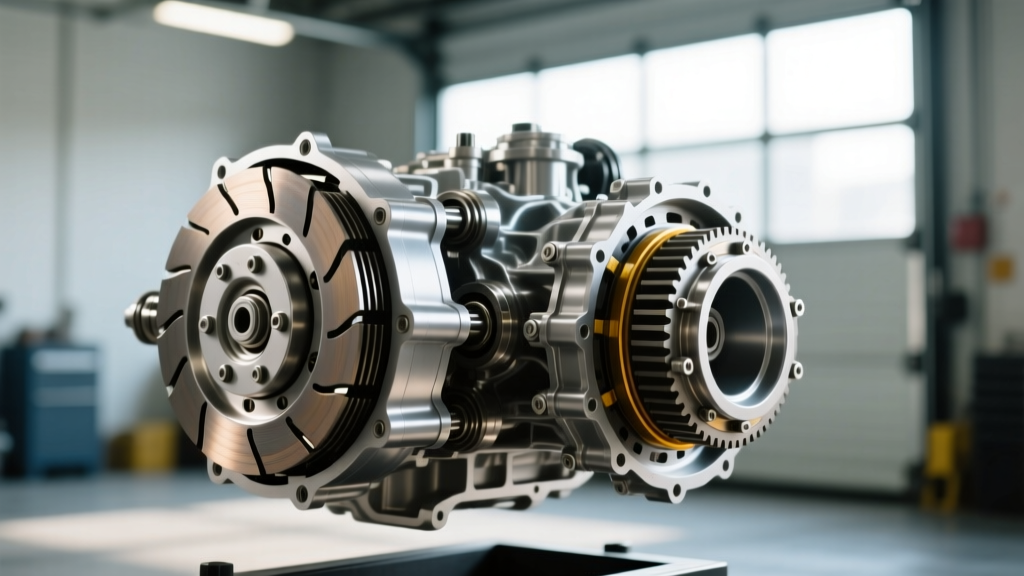
For ATVs and UTVs equipped with auxiliary attachments—like 60-inch rotary mower decks, snowblowers, or agricultural sprayers—the PTO clutch transfers engine power to the implement. The "overrunning" feature is a critical safety mechanism. It ensures that when you let off the throttle or shut down the engine, the massive rotational inertia of the mower blades or augers does not backdrive the drivetrain and push the ATV forward. In motorcycles, these clutches are rarer but play a vital role in sidecar drivetrains and trike conversion auxiliary shafts, preventing engine braking from locking up secondary wheels.
As we navigate the 2026 powersports landscape, utility attachments are more popular than ever, meaning clutch diagnostics are a frequent necessity. Let us break down the symptoms of failure and the exact specifications needed to fix them.
Top 4 Symptoms of a Failing Overrunning PTO Clutch
Diagnosing clutch issues requires separating electrical faults from mechanical wear. Here are the primary symptoms you will encounter on the trail or in the shop.
1. Dangerous Backdriving (Sprag or Roller Failure)
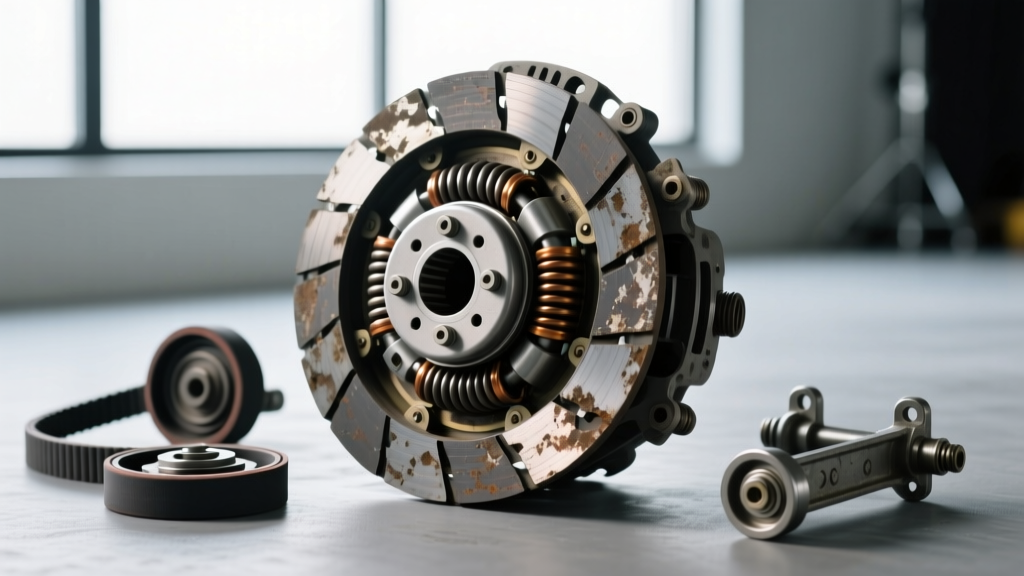
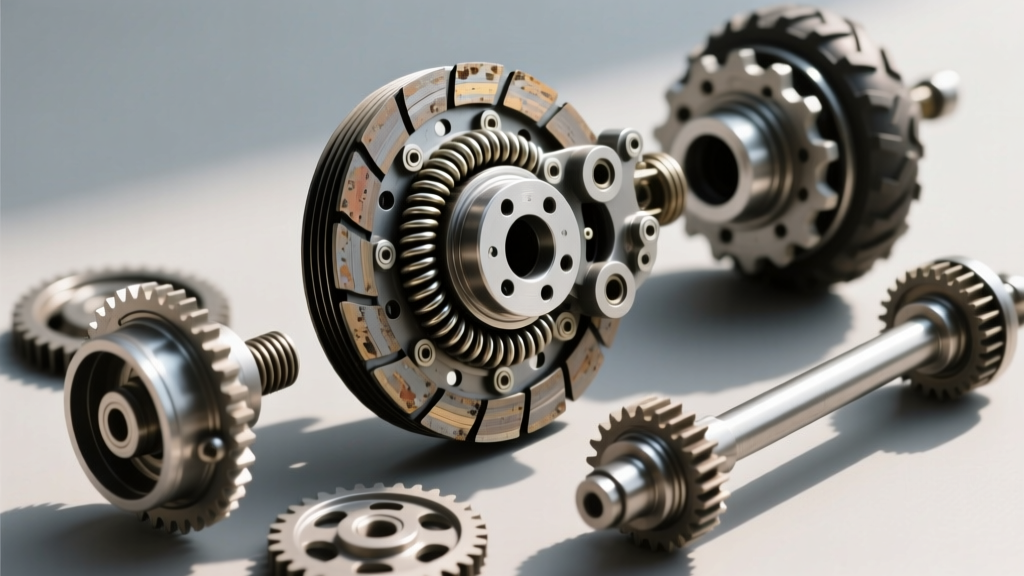
This is the most severe and dangerous symptom. If you shut off your ATV's engine and the mower deck's momentum causes the PTO shaft to keep spinning—ultimately forcing the ATV's crankshaft to turn or the vehicle to lurch forward—your overrunning mechanism has failed. Inside the clutch, a series of asymmetrical "sprags" or ramped rollers are designed to lock in one direction and freewheel in the other. If the internal grease degrades, or if metal fatigue chips a sprag, the clutch will lock up in both directions. Immediate replacement is required; this is a major safety hazard.
2. Slipping Under Heavy Load
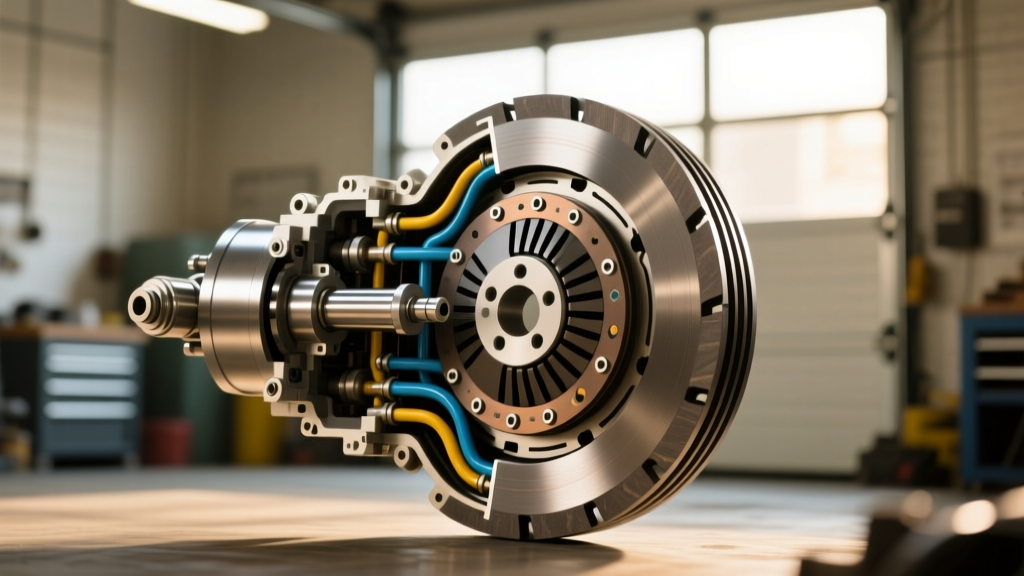
If your ATV's PTO clutch engages, but the mower blades bog down and stop spinning when you hit thick grass, the clutch is slipping. In electromagnetic PTO clutches (common on modern utility ATVs), this is usually caused by an excessive air gap between the armature and the rotor. As the friction surfaces wear down over hundreds of hours, the gap widens, weakening the magnetic clamping force. In purely mechanical overrunning clutches, slipping indicates worn friction linings or oil contamination from a leaking engine main seal.
3. High-Pitch Whining or Grinding Noises
Overrunning clutches rely on heavy-duty sealed ball bearings to support the radial loads of the PTO shaft. When these bearings are subjected to water intrusion (common in ATV mudding or snowblowing), the internal grease washes out. A high-pitched whine that turns into a metallic grind indicates bearing spalling. If ignored, the bearing will seize, snapping the PTO shaft or destroying the engine's output seal.
4. Intermittent Engagement (Electrical Faults)
If the PTO clutch only engages when the engine is cold, or clicks rapidly without fully locking, you are likely dealing with a voltage drop or a failing electromagnetic coil. Heat increases electrical resistance; a marginal coil might work at 70°F but fail to generate enough magnetic force when the engine bay reaches 180°F.
Diagnostic Matrix: ATV & Motorcycle PTO Clutch Failures
| Symptom | Probable Root Cause | Beginner Diagnostic Test |
|---|---|---|
| Implement backdrives engine on shutdown | Seized internal sprags / roller ramps | Remove drive belt; spin PTO shaft by hand in both directions. It should only freewheel one way. |
| PTO slips under heavy load | Excessive air gap or oil contamination | Check air gap with a feeler gauge. Inspect engine output seal for oil weeping. |
| Clicking sound, fails to engage | Voltage drop or worn coil windings | Use a multimeter to test coil resistance (Ohms) and check voltage at the connector while running. |
| Grinding noise at high RPM | Failed sealed radial bearings | Grab the PTO pulley and wiggle it. Any lateral play indicates bearing failure. |
Hard Specs: ATV/UTV PTO Clutch Replacement & Adjustment
When replacing or servicing an electromagnetic overrunning PTO clutch on a utility ATV (such as those utilizing Warner Electric or similar Altra Industrial Motion designs), precision is mandatory. Guesswork leads to rapid repeat failures.
- Air Gap Specification: Most 12V ATV PTO clutches require an air gap between 0.015" and 0.025". Use a non-magnetic brass feeler gauge to measure this. If the gap exceeds 0.035", the magnetic field cannot overcome the distance, resulting in slipping and coil burnout.
- Coil Resistance Testing: A healthy 12-volt PTO coil should read between 2.8 and 3.5 Ohms at room temperature. If your multimeter reads "OL" (Open Loop) or near zero (Short), the coil is dead and the entire clutch assembly must be replaced, as most coils are potted in epoxy and non-serviceable.
- Mounting Torque: The central PTO shaft retaining nut must be torqued to 55-65 ft-lbs using a medium-strength threadlocker (like Loctite 243). The mounting bolts securing the stator to the engine block (typically Grade 8 hardware) should be torqued to 25-30 ft-lbs.
- 2026 Pricing Expectations: A complete OEM or premium aftermarket overrunning PTO clutch assembly for a mid-to-large displacement utility ATV currently ranges from $225 to $485, depending on the torque rating (usually 40 to 80 lb-ft for mower decks).
Motorcycle Edge Cases: Sidecars and Trike Conversions
While ATVs use PTO clutches for external implements, motorcycles utilize overrunning clutches internally for specialized drivetrain configurations. If you are diagnosing a Hilliard sprag clutch or similar unit in a motorcycle sidecar drive or a trike conversion independent rear suspension (IRS) setup, the symptoms manifest differently.
In a sidecar setup equipped with a driven sidecar wheel, an overrunning clutch is integrated into the drive shaft. This allows the sidecar wheel to freewheel when the motorcycle decelerates, preventing severe handling instability caused by asymmetric engine braking. If a rider reports a "locking" sensation on the right side during downshifts, or excessive tire scrubbing on the sidecar wheel during cornering, the sprag clutch has likely seized due to inadequate spline lubrication. Motorcycle applications require specialized high-temperature molybdenum-disulfide (moly) grease on the clutch splines, as standard chassis grease will melt and migrate into the sprag mechanism, causing it to slip or bind.
Preventative Maintenance for Longevity
To maximize the lifespan of your overrunning PTO clutch, implement these simple maintenance habits:
- Wash with Care: Never direct a high-pressure washer at the PTO clutch bearing seals. Water intrusion is the number one killer of overrunning bearings. Use low-pressure water and a degreaser brush instead.
- Belt Tension Checks: An overtightened drive belt places excessive radial load on the clutch bearings, accelerating wear. Always use a dedicated belt tension gauge and adhere to the manufacturer's deflection specs (usually 1/4" to 3/8" of play).
- Electrical Connections: Apply dielectric grease to the PTO wiring harness connector. Corrosion here increases resistance, starving the electromagnetic coil of the amperage it needs to fully clamp the friction surfaces.
Understanding the mechanics behind your overrunning PTO clutch transforms a frustrating breakdown into a straightforward diagnostic procedure. Whether you are maintaining an ATV for estate management or troubleshooting a custom motorcycle drivetrain, respecting the torque specs, air gaps, and safety limitations of these components will keep you moving forward safely.