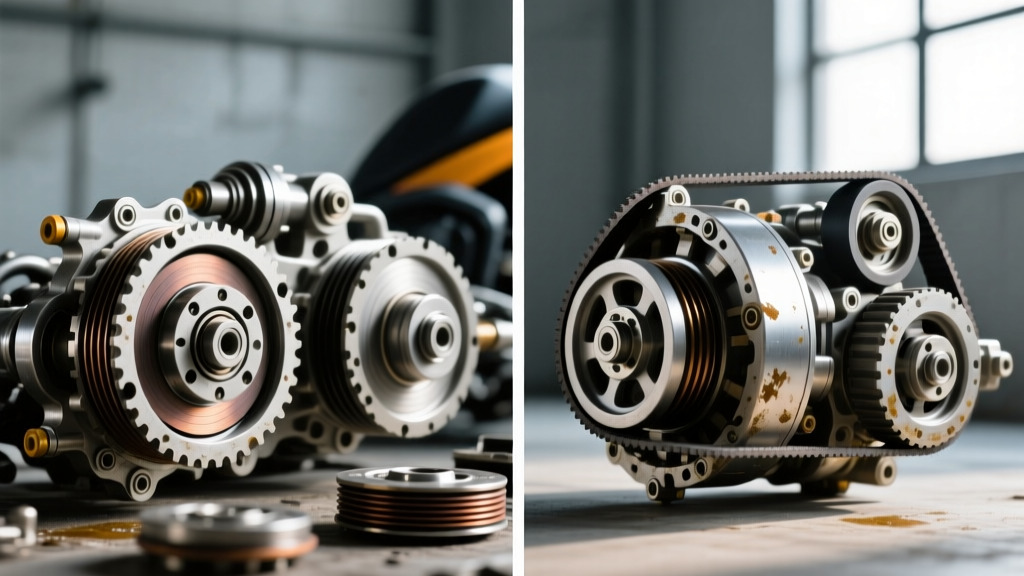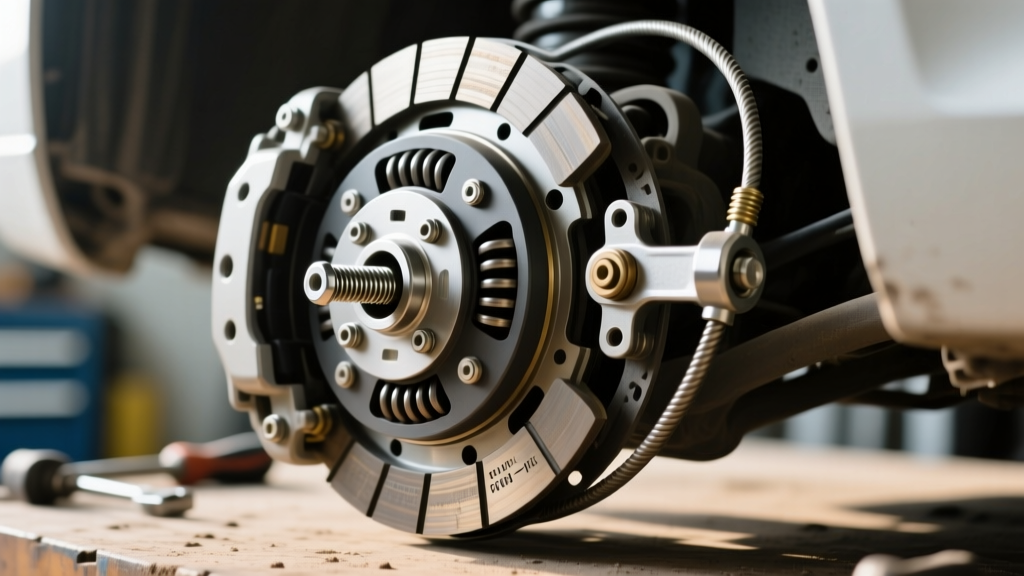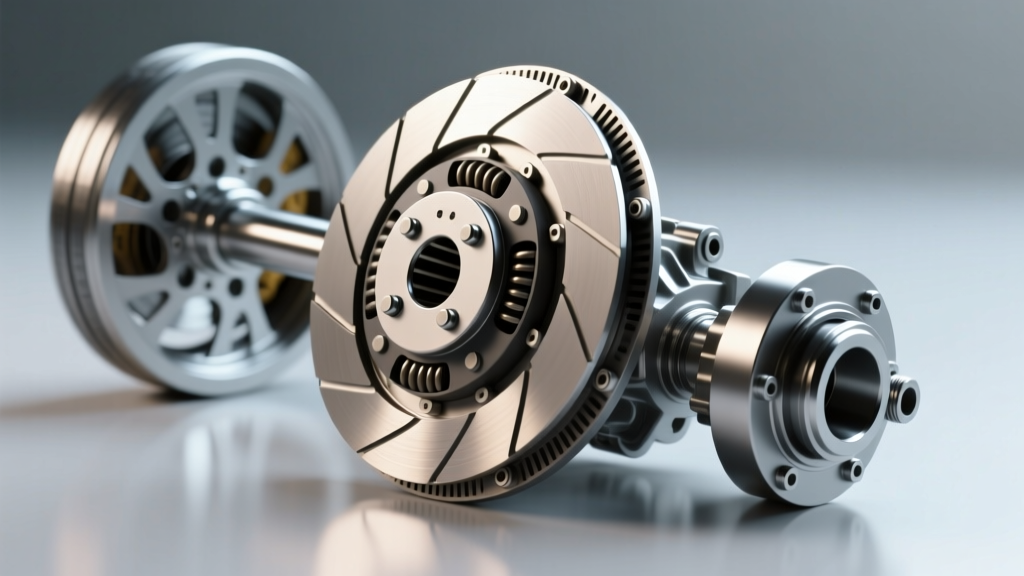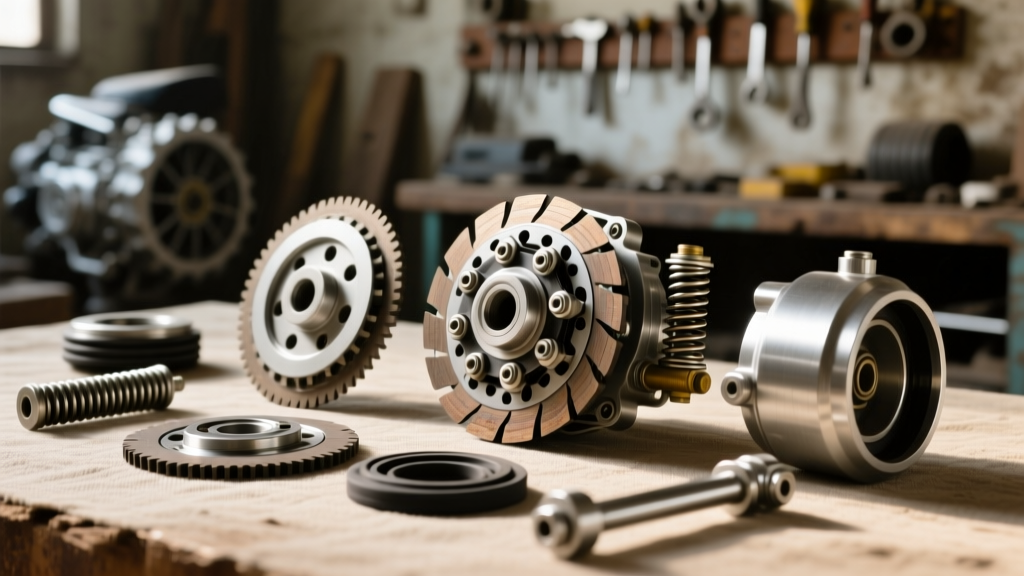
When diagnosing a manual clutch for small engine applications, the rules of engagement are vastly different from those of a full-size passenger car. Motorcycles and ATVs utilize compact, high-RPM wet multi-plate clutch systems that share engine oil with the transmission. For beginners, understanding how these small engine clutches operate—and more importantly, how they fail—is the first step toward keeping your dirt bike, sportbike, or utility ATV out of the garage and on the trail.
As we move through the 2026 riding season, advancements in friction materials like Kevlar and carbon-ceramic composites have extended clutch life significantly. However, fundamental mechanical wear, improper cable adjustments, and incorrect lubrication remain the primary culprits behind clutch failure. This beginner-friendly explainer will walk you through the exact symptoms, diagnostic measurements, and repair strategies for small engine manual clutches.
The Anatomy of a Wet Multi-Plate Small Engine Clutch
Unlike the single dry-plate clutch found in a manual car, a manual clutch for small engine setups uses a stack of alternating friction plates and steel drive plates submerged in engine oil. The friction plates feature tangs that lock into the outer clutch basket (driven by the crankshaft), while the steel plates have inner teeth that mate with the clutch center (connected to the transmission input shaft).
When you release the lever, heavy-duty clutch springs compress the pack together, creating enough friction to transfer engine power to the wheels. Pulling the lever actuates a pushrod that separates the plates, interrupting power. Because the entire assembly bathes in oil, the fluid's frictional properties are just as critical as the physical condition of the plates.
Top 4 Symptoms of Small Engine Clutch Failure
Small engine clutches rarely fail without warning. By paying attention to lever feel and power delivery, you can diagnose the issue before it leaves you stranded.
1. Clutch Slipping Under Load
The Symptom: You are wide open on your ATV or twisting the throttle hard on your motorcycle out of a corner. The engine RPMs surge, but your speed does not increase proportionally. It feels as though the transmission has slipped into neutral.
The Cause: Slipping is almost always caused by worn friction plates, weakened (sagged) clutch springs, or the use of automotive oil containing friction modifiers. When the friction material wears down past its service limit, the springs can no longer provide adequate clamping force, causing the plates to hydroplane on the oil film.
2. Lever Drag and Incomplete Disengagement
The Symptom: The motorcycle or ATV lurches forward when you pull the clutch lever in and attempt to shift into first gear. Finding neutral while the engine is running becomes nearly impossible.
The Cause: This is often a cable adjustment issue or a notched clutch basket. Over time, the friction plate tabs can wear grooves into the aluminum outer basket. When you pull the lever, the plates get hung up in these grooves and fail to separate completely. In hydraulic systems, a failing master cylinder seal or air in the line can also cause drag.
3. Notchy or Stiff Lever Feel
The Symptom: The clutch lever feels gritty, stiff, or requires significantly more hand strength to pull than it did when the machine was new.
The Cause: For cable-actuated systems, a fraying inner cable or lack of lubrication at the pivot points is the usual suspect. In hydraulic setups, contaminated fluid or a scoring actuator piston creates physical resistance. According to maintenance guides from RevZilla's Common Tread, flushing hydraulic fluid annually is mandatory to prevent internal corrosion that leads to this exact symptom.
4. Clutch Chatter and Vibration
The Symptom: As you ease out the lever to take off from a stop, the rear wheel hops, and you feel a violent shuddering through the chassis.
The Cause: Warped steel plates or oil contaminated with coolant (in liquid-cooled engines with compromised water pump seals). Warped plates create uneven clamping pressure, causing the clutch to rapidly grab and release hundreds of times per second.
Pro-Tip for Beginners: Never "ride the clutch" on a dirt bike or ATV to control speed on tight trails. Use your rear brake and throttle control instead. Small engine clutches are designed for full engagement or full disengagement; slipping them to crawl generates immense heat that will glaze your friction plates in a single afternoon.
Diagnostic Data: Wear Limits and Torque Specs
To accurately diagnose a manual clutch for small engine applications, you must use digital calipers to measure the clutch pack. Guesswork leads to repeated failures. Below are the factory service limits for two of the most popular small engine platforms on the market.
| Specification | Honda CRF250R (Dirt Bike) | Yamaha YZ250 (2-Stroke) |
|---|---|---|
| Friction Plate Thickness (Standard) | 3.00 mm | 3.00 mm |
| Friction Plate Service Limit | 2.60 mm | 2.50 mm |
| Clutch Spring Free Length (Standard) | 41.5 mm | 41.0 mm |
| Clutch Spring Service Limit | 39.5 mm | 39.0 mm |
| Steel Plate Warpage Limit | 0.10 mm | d>0.10 mm |
| Clutch Center Nut Torque | 39 Nm (29 lb-ft) | 40 Nm (30 lb-ft) |
The Hidden Clutch Killer: Automotive Oil
The most common mistake beginners make when servicing a manual clutch for small engine vehicles is filling the crankcase with standard automotive oil. Car oils (typically API SP rated) contain friction modifiers like molybdenum to improve fuel economy. In a car, the clutch is dry, so these modifiers don't matter. In a wet small engine clutch, these additives coat the friction plates, causing immediate and severe slipping.
You must exclusively use oils certified with the JASO MA or JASO MA2 standard. JASO MA2 oils are formulated with high-friction additives specifically designed to allow wet clutch plates to grip under the extreme shearing forces of a 10,000+ RPM small engine. If your ATV or motorcycle is slipping and your measurements show the plates are within spec, drain the oil and replace it with a JASO MA2 10W-40 or 15W-50 powersports-specific oil before tearing into the engine cases.
Step-by-Step Beginner Troubleshooting Workflow
Before you order parts from Rocky Mountain ATV/MC or your local dealer, follow this diagnostic workflow:
- Check the Free Play: Measure the slack at the end of the clutch lever. Most small engines require 10mm to 15mm (approx. 3/8 to 1/2 inch) of free play before the cable begins to pull the actuator arm. Too little free play causes the clutch to slip; too much causes drag.
- Inspect the Basket for Notching: Remove the right-side engine cover and clutch pressure plate. Run your fingernail along the inner grooves of the outer clutch basket. If your nail catches on deep ridges, the basket must be replaced or filed smooth with a flat file, otherwise, new plates will hang up and cause drag.
- Measure the Stack: Remove the plates. Measure 3 or 4 friction plates at different points using a micrometer or digital caliper. If any measure below the service limit, replace the entire pack.
- Check for Warpage: Place the steel drive plates on a known flat surface (like a piece of tempered glass). Try to slide a 0.10mm feeler gauge underneath. If it slides under, the steel plate is warped and must be discarded.
Cost Breakdown and Replacement Strategy
When it is time to replace the components, you have a few routes to choose from. Pricing below reflects average aftermarket and OEM costs for 250cc-450cc class engines:
- OEM Clutch Pack (Friction, Steel, Springs): $120 - $160. Best for trail riders and beginners who want factory-predictable engagement.
- Aftermarket Heavy-Duty Kits (e.g., EBC DRC Series): $100 - $140. Features Kevlar-based friction material that offers a slightly more aggressive bite and increased heat resistance.
- Billet Clutch Systems (e.g., Hinson, Rekluse): $250 - $800+. These include CNC-machined billet aluminum baskets that eliminate notching entirely, paired with aerospace-grade steel plates. Reserved for competitive racers and extreme-duty ATV applications.
Crucial Installation Note: When reinstalling the clutch center nut, you must use a dedicated clutch holding tool (such as the Motion Pro 08-0411) to lock the basket in place. Attempting to hold the basket with a rag and a screwdriver will damage the friction plates and result in an improperly torqued nut, which can back off at high RPM and destroy your engine cases. Always apply a medium-strength thread locker (like Loctite 243) to the center nut threads before torquing to the manufacturer's specification.
Final Thoughts on Small Engine Clutch Care
Diagnosing a manual clutch for small engine setups does not require a master mechanic's certification, but it does require patience, precision measuring tools, and an understanding of how oil chemistry interacts with friction materials. By keeping your cable adjusted, using only JASO MA2 fluids, and replacing worn springs before they sag past their service limits, you can easily double the lifespan of your ATV or motorcycle's clutch pack. For further reading on drivetrain maintenance, consult the service manuals available directly through Honda Powersports or your specific manufacturer's technical portal.