Decoding the "Card Clutch": What Are We Actually Talking About?
If you are a beginner diving into powersports maintenance and have been searching for "card clutch" problems, you have likely stumbled upon a very common industry typo or colloquialism. In the ATV, UTV, and golf cart world, riders frequently search for a cart clutch, referring to the Continuously Variable Transmission (CVT) primary and secondary clutches. Meanwhile, in the motorcycle community, veteran mechanics sometimes refer to the internal stack of wet friction plates as clutch cards or friction cards.
Regardless of the terminology, the symptoms of a failing powersports clutch—slipping, chatter, weird noises, and poor engagement—are universal headaches. As of 2026, modern powersports engines produce more torque than ever, putting immense stress on these components. This beginner-friendly explainer will break down the exact symptoms, diagnostic steps, and repair costs for both motorcycle friction "cards" and ATV/UTV "cart" CVT clutches.
Motorcycle Wet Clutch "Cards" (Friction Plates) Explained
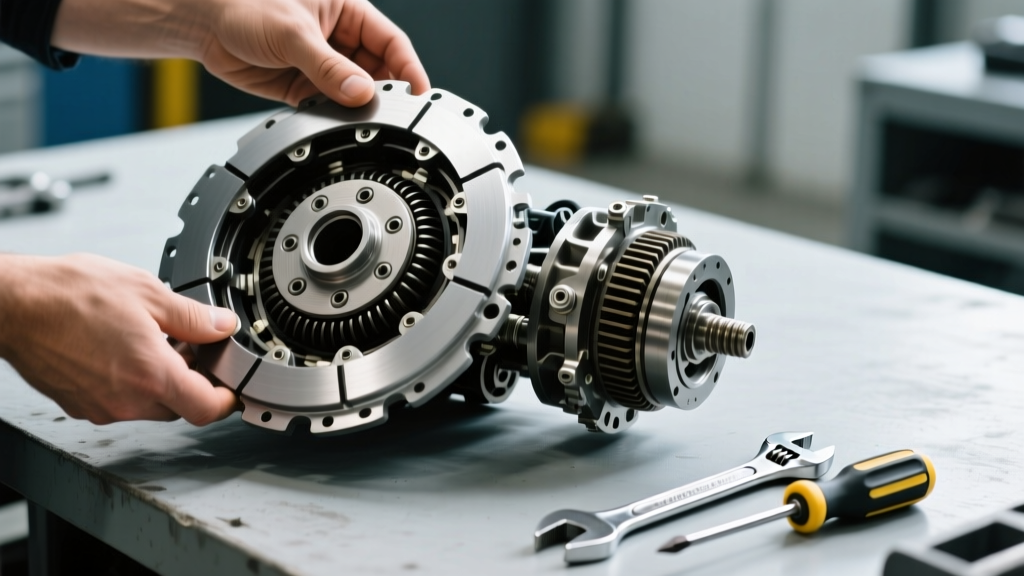
Most street and dirt motorcycles use a wet multi-plate clutch system. Inside the clutch basket, there is an alternating stack of steel drive plates and friction "cards" (plates lined with cork, Kevlar, or carbon fiber). Because they are bathed in engine oil, they rely on specific friction modifiers to grab without shuddering.
The #1 Beginner Mistake: Using the Wrong Oil
The most common cause of premature clutch card slip in motorcycles is using standard automotive motor oil. Car oils contain friction modifiers designed to improve fuel economy, which will cause your motorcycle's clutch cards to slip violently under load. You must always use oil certified with the JASO MA or JASO MA2 standard. For example, a high-performance synthetic like Motul 7100 10W-40 (approx. $18 per quart) is specifically formulated to provide the exact friction coefficient required for wet clutch cards.
Symptoms of Worn Motorcycle Clutch Cards
- High RPMs, Low Speed: You twist the throttle, the engine screams, but the bike barely accelerates. This means the friction cards are glazed or worn down to the steel core.
- Soft or Mushy Lever Feel: While this can indicate a hydraulic leak, it often means the clutch springs have sagged or the friction cards are so thin that the pressure plate has run out of travel.
- Clutch Chatter: A violent shuddering when taking off from a stoplight. This is usually caused by warped steel plates or contaminated oil (coolant mixing into the crankcase).
Real-World Specs and Costs
Let's look at a popular beginner bike, the Yamaha MT-07. If you are replacing the clutch cards and springs, an EBC CK Series standard cork clutch kit costs around $130 to $150. When reinstalling the clutch basket nut, the factory torque specification is exactly 58 Nm (43 lb-ft). Always use a strap wrench to hold the basket and a calibrated torque wrench to secure the nut; overtightening can strip the main shaft threads, turning a $150 job into a $1,200 engine rebuild.
ATV & UTV "Cart" Clutches (CVT Systems) Explained
Unlike motorcycles, most modern ATVs and UTVs (like the Polaris RZR or Honda Pioneer) use a CVT system consisting of a primary (drive) clutch attached to the engine crank, and a secondary (driven) clutch attached to the transmission input shaft. A heavy-duty drive belt connects the two. When riders search for "cart clutch" issues, they are usually dealing with worn rollers, stuck weights, or glazed sheaves inside these CVT pulleys.
Symptoms of a Failing ATV/UTV Cart Clutch
- Belt Squeal and Slip: A loud, high-pitched squealing noise when accelerating from a dead stop. This indicates the belt is slipping on the primary clutch sheaves, often due to belt dust buildup or incorrect belt deflection.
- Loss of Top Speed or Bogging: If the primary clutch weights are worn flat or the secondary clutch spring has lost tension, the transmission will fail to shift into its highest "gear" ratio, leaving you stuck at low speeds with screaming RPMs.
- Hard Shifting or Clunking: When shifting between Park, Reverse, and Drive, the ATV violently lurches. This means the primary clutch is not fully disengaging at idle, often caused by a worn one-way bearing or a belt that has stretched beyond its service limit.
Real-World Specs and Costs
For a Polaris RZR XP 1000, an OEM replacement drive belt (Part #3211186) costs approximately $160 to $190. To check if your belt is worn, you must measure belt deflection. With the vehicle in Park and the engine off, press down on the belt midway between the clutches. The correct deflection should be exactly 1 to 1.25 inches. If it pushes down further, the belt is stretched and slipping. If it won't push down at all, the belt is too tight and will snap under load.
Warning: Removing the primary clutch on a UTV requires a specialized CVT puller tool. The crankshaft bolt is often torqued to over 120 lb-ft and secured with Loctite. Never use a standard automotive 3-jaw gear puller, as you will strip the delicate threads on the end of the crankshaft. Always use the OEM-specific threaded puller tool.
Diagnostic Comparison Chart: Motorcycle vs. ATV Clutches
| Symptom | System | Probable Cause | Beginner Fix / Check |
|---|---|---|---|
| Engine revs, bike won't move | Motorcycle (Wet Clutch) | Worn friction cards or wrong oil | Check JASO MA2 oil rating; inspect plate thickness |
| Loud squealing on acceleration | ATV/UTV (CVT Cart Clutch) | Glazed belt or dirty sheaves | Clean sheaves with scotch-brite; measure belt deflection |
| Violent shudder at takeoff | Motorcycle (Wet Clutch) | Warped steel plates or weak springs | Measure steel plates on a glass surface for flatness |
| Violent lurch when shifting gears | ATV/UTV (CVT Cart Clutch) | Clutch not fully disengaging at idle | Check idle RPM; inspect one-way bearing and rollers |
| Loss of top speed / Bogging | ATV/UTV (CVT Cart Clutch) | Worn primary weights or weak spring | Open primary clutch; replace flat-sided weights |
Step-by-Step Beginner Troubleshooting
Before you order parts or tear your engine apart, follow this beginner-friendly diagnostic sequence to isolate your clutch problems.
Step 1: Check Your Free Play (Motorcycles)
For cable-actuated motorcycle clutches, you must have free play at the lever. Measure the distance the lever moves before you feel resistance. It should be between 10mm and 15mm. If there is zero free play, the clutch cable is constantly pulling the pressure plate open, causing your friction cards to slip and burn up prematurely. Adjust the barrel adjuster at the lever to restore play.
Step 2: Inspect the Hydraulic Fluid
If your motorcycle uses a hydraulic clutch (common on modern Ducati, BMW, and KTM models), a spongy lever usually means air in the line or degraded DOT 4 fluid. Bleed the clutch slave cylinder just like you would a brake caliper. If the fluid is black, it has absorbed moisture and is boiling under heavy use, leading to clutch fade.
Step 3: Clean the CVT Belt Dust (ATVs/UTVs)
UTV CVT clutches generate massive amounts of rubber dust. If your cart clutch is slipping, remove the CVT cover and blow out the dust with compressed air. Use a Scotch-Brite pad and brake cleaner to scrub the aluminum sheaves on the primary clutch. A clean sheave allows the belt to grip properly, often curing slip issues without the need for a $180 replacement belt.
When to Call a Professional
While adjusting cables, changing oil, and cleaning CVT belts are excellent beginner tasks, internal clutch basket work requires precision. If your motorcycle clutch basket has deep grooves worn into the aluminum "fingers" (notches where the steel plates sit), the plates will hang up, causing drag and false neutrals. Machining or replacing the basket requires specialized tools. Similarly, rebuilding the internal ramp and roller mechanisms of a UTV secondary clutch involves high-tension springs that can cause severe injury if they slip from your hands. If you lack a clutch compression tool and a torque wrench, take your machine to a certified powersports technician.
Further Reading and Resources
To deepen your understanding of powersports drivetrains, consult these authoritative resources:
- For a visual, step-by-step guide on tearing down a motorcycle wet clutch, review the RevZilla Common Tread Clutch Replacement Guide.
- For comprehensive ATV and UTV maintenance schedules, including CVT belt deflection charts, visit the Rocky Mountain ATV/MC Tech Tips Library.
- For advanced motorcycle maintenance and torque specifications, the Cycle World How-To Archives remain an invaluable resource for both novice and veteran wrenches.