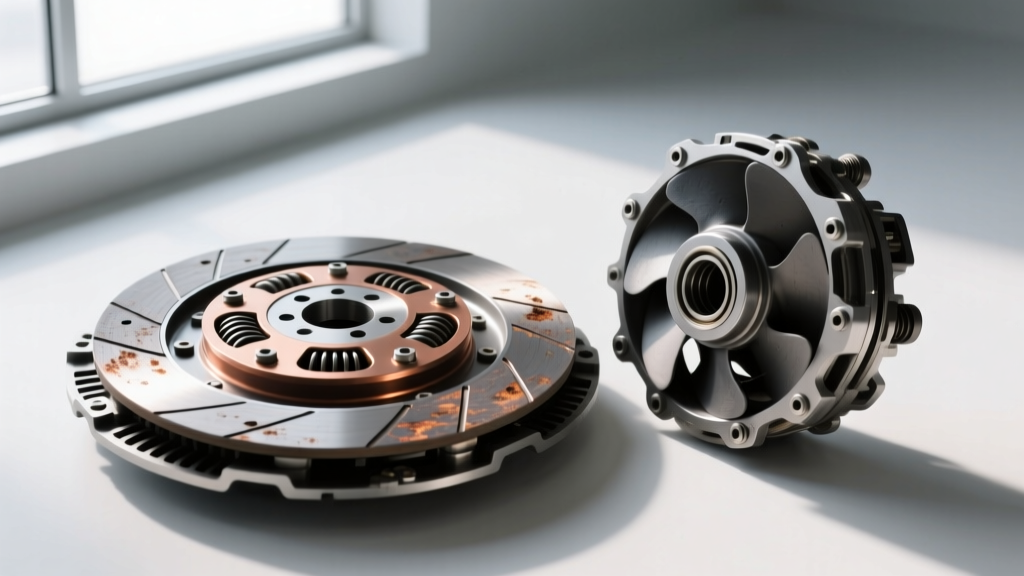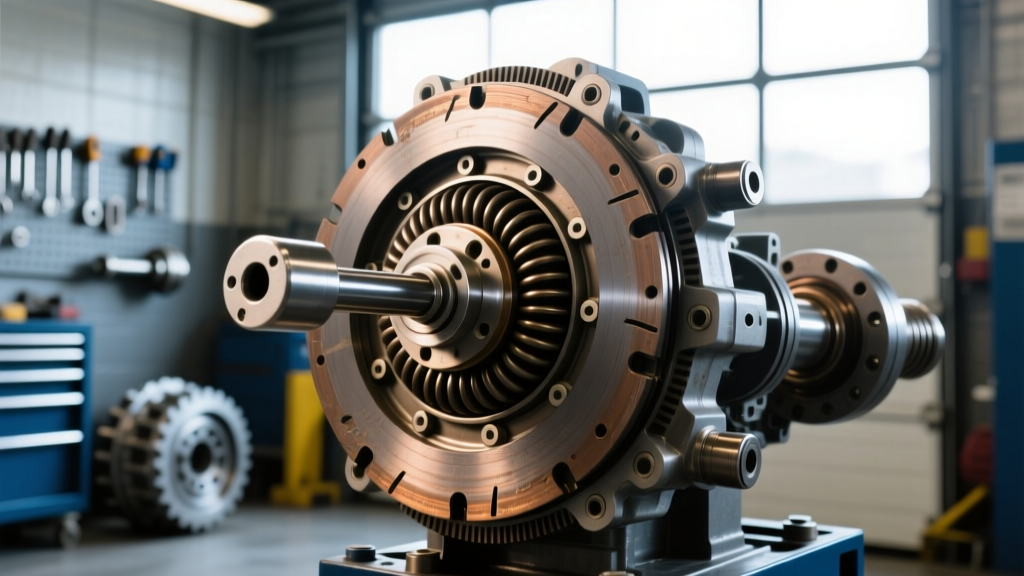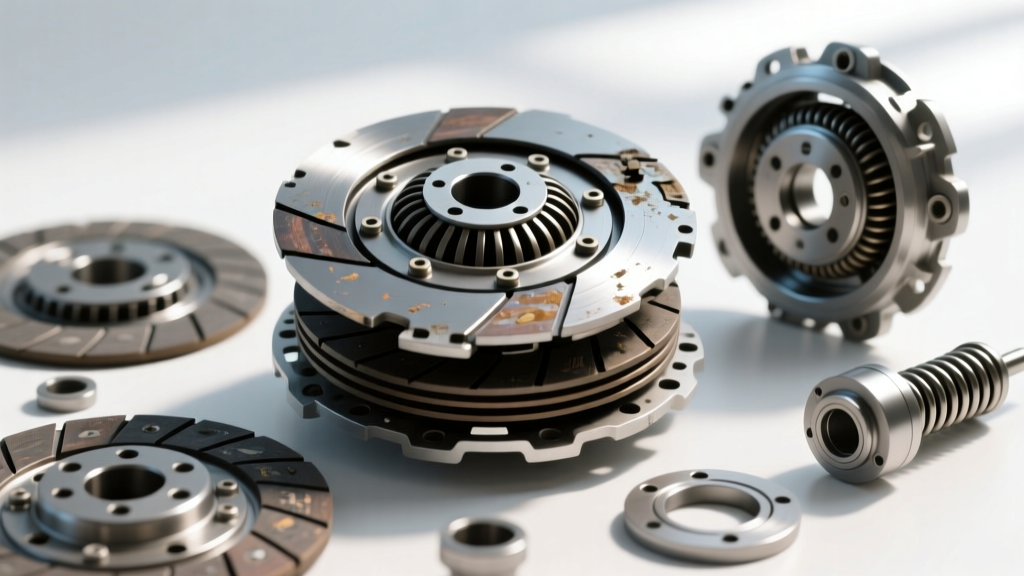
What is an Automatic Transmission Clutch on a Motorcycle or ATV?
When car enthusiasts hear the phrase automatic transmission clutch, they often think of torque converters or internal planetary gear clutches. However, in the world of motorcycles and ATVs, the technology is entirely different. Modern off-road and street machines utilize advanced wet multi-plate systems or centrifugal mechanisms to achieve automatic or semi-automatic engagement. If you are a beginner stepping into the garage to diagnose a slipping, jerky, or stalling powersport vehicle, understanding these unique architectures is your first step.
Unlike traditional manual setups where you pull a lever to disengage a pressure plate, automatic systems on bikes and quads rely on either hydraulic solenoids controlled by a Transmission Control Module (TCM) or mechanical RPM-driven wedges. Diagnosing problems here requires a shift in mindset from traditional automotive repair.
The Two Main Auto-Clutch Architectures
1. Dual Clutch Transmissions (DCT)
Pioneered in the powersport world by Honda Powersports, the DCT is found on machines like the Africa Twin (CRF1100L), Rebel 1100, and the Rancher/Foreman ATV lineup. A DCT utilizes two separate wet clutch packs: one for odd gears (1, 3, 5) and one for even gears (2, 4, 6). The TCM pre-selects the next gear and swaps hydraulic pressure between the two clutches in milliseconds. Problems here usually manifest as electronic sensor faults, hydraulic solenoid failures, or degraded fluid causing harsh shifts.
2. Centrifugal Auto-Clutches (e.g., Rekluse)
Popular in motocross, enduro, and utility ATVs, systems like the Rekluse Core EXP or RadiusX replace the manual pressure plate with a centrifugal mechanism. As engine RPM rises, internal weights or wedges push outward, compressing the clutch pack and engaging the transmission. When RPM drops, the weights retract, allowing the bike to idle without stalling. Issues here are almost entirely mechanical, relating to wedge wear, spring tension, and clutch basket notching.
Top 4 Symptoms of ATV and Motorcycle Auto-Clutch Failure
Before tearing into the engine cases, you must accurately read the symptoms. Here is how a failing automatic transmission clutch presents itself on the trail or track.
- Symptom 1: High-RPM Slipping Under Load. You pin the throttle on your ATV, the engine screams, but the vehicle barely accelerates. In a DCT, this indicates severely worn friction discs or a failing hydraulic pump. In a centrifugal auto-clutch, it means the drive plates are glazed or the wedge springs have lost tension.
- Symptom 2: Harsh, Jerky Engagement. When shifting from Neutral to Drive (or rolling on the throttle), the bike lurches violently. For Honda DCTs, this is a classic sign of contaminated HMMF (Honda Multi-Matic Fluid) or a sticking shift solenoid. For mechanical auto-clutches, the installed gap clearance is too tight.
- Symptom 3: Stalling at Idle. A properly functioning auto-clutch should allow the machine to idle freely. If your dirt bike or ATV stalls when you come to a stop, the centrifugal weights are sticking, or the base clearance is set incorrectly, causing drag on the inner hub.
- Symptom 4: Blinking Gear Indicator (DTC Codes). On modern DCT motorcycles, a blinking "D" or "N" on the dashboard is the TCM's way of signaling a hydraulic pressure drop or a failed clutch position sensor.
Expert Insight: Never use standard automotive ATF in a Honda DCT or a wet motorcycle auto-clutch unless explicitly specified. Friction modifiers in standard ATF will cause immediate clutch chatter and glazing. Always use OEM fluids like Honda HMMF or GN4, or a dedicated motorcycle-specific JASO MA2 rated fluid for centrifugal setups.
Diagnostic Matrix: Symptoms vs. Culprits
| Observed Symptom | DCT (Electronic/Hydraulic) | Centrifugal (Mechanical) | Beginner Action Step |
|---|---|---|---|
| Slipping at WOT | Low fluid / Worn friction discs | Glazed plates / Weak springs | Check fluid level and smell for burnt odor |
| Jerky / Harsh Shifts | Dirty fluid / Sticking solenoid | Notched clutch basket | Perform a fluid flush; inspect basket fingers |
| Stalling at Idle | Faulty TPS or clutch sensor | Clearance too tight / Sticky wedges | Measure installed gap with feeler gauges |
| Overheating / Fade | Clogged oil filter / Pump failure | Riding the clutch in deep mud | Check oil cooler lines and replace filter |
Step-by-Step Troubleshooting for Beginners
Step 1: The Fluid and Filter Audit
Over 60% of automatic transmission clutch issues in ATVs and motorcycles stem from neglected fluid. Wet clutches share oil with the engine and transmission gears, meaning metallic shearing from gears rapidly degrades the fluid's friction modifiers. Drain the fluid into a clean pan. If it smells like burnt toast or contains heavy metallic glitter, your clutch plates are actively disintegrating. Replace the filter (e.g., HiFloFiltro HF152 or OEM equivalent) and refill to the exact specification. For a Honda Africa Twin DCT, the total system capacity is roughly 3.6 liters, but always measure by the sight glass on a level surface.
Step 2: Measuring Mechanical Clearances (Centrifugal Systems)
If you are diagnosing a Rekluse or similar mechanical auto-clutch, the "Installed Gap" is your holy grail metric. Remove the clutch cover and use a feeler gauge to measure the gap between the pressure plate and the outer friction plate. Most Rekluse systems require an installed gap between 0.045" and 0.060" (1.14mm - 1.52mm). If the gap is too wide, the clutch will slip and overheat. If it is too narrow, the bike will creep forward at idle and stall. Adjust this by swapping the thickness of the shims provided in the tuning kit.
Step 3: Inspecting the Clutch Basket and Torque Specs
Pull the clutch pack out and run your fingernail along the aluminum fingers of the inner hub and outer basket. If your nail catches on deep grooves (notching), the clutch plates cannot move freely, causing harsh engagement and dragging. You may need to file them smooth with a flat file or replace the basket entirely. When reinstalling, precise torque is non-negotiable. For example, the clutch center nut on a Yamaha YZ450F requires 55 lb-ft (75 Nm), while a Honda CRF450R demands 59 lb-ft (80 Nm). Always use a calibrated torque wrench and apply fresh thread locker.
Repair Costs and Sourcing Parts
Understanding the financial scope of your repair helps you decide whether to wrench it yourself or visit a dealer. Here is a realistic breakdown of costs you can expect when sourcing parts from reputable vendors like Rocky Mountain ATV/MC or direct from the manufacturer.
- Routine Fluid & Filter Service: $40 - $80. (The cheapest and most effective preventative maintenance).
- Replacement Friction & Steel Plates (OEM Kit): $120 - $250 depending on the model.
- Rekluse Core EXP Auto-Clutch Kit: $900 - $1,050. (A premium upgrade that eliminates stalling and extends engine life).
- Honda DCT Valve Body / Solenoid Replacement: $600 - $1,200 for parts, plus significant dealer labor if you lack the diagnostic software to bleed the hydraulic system.
- Complete Clutch Basket Replacement: $250 - $500 for heavy-duty billet baskets (e.g., Hinson or Wiseco) that resist notching.
Final Thoughts for the Novice Mechanic
Diagnosing an automatic transmission clutch on a motorcycle or ATV is less about brute force and more about precision measurement and fluid dynamics. Whether you are dealing with the high-tech hydraulic solenoids of a Honda DCT or the brilliant mechanical simplicity of a centrifugal auto-clutch, the principles remain the same: clean fluid, precise clearances, and proper torque specs are your best friends. Start with the basics, audit your fluid, measure your gaps, and you will have your machine shifting smoothly and tracking straight in no time.