Encountering an acrid, burning smell from your vehicle is a visceral warning sign that demands immediate attention. For automotive technicians and DIY enthusiasts navigating the tighter, more thermally dense engine bays of 2026, the diagnostic challenge often lies in isolating the exact origin of the odor. Is it a slipping manual clutch disc, a failing automatic torque converter clutch (TCC), or a cascading thermal failure originating from the engine cooling system? A frequent question we receive at AutoGearNexus is: can a bad fan clutch cause overheating that ultimately results in a burning clutch smell? The answer requires a deep dive into thermal transfer dynamics, viscous coupling failures, and transmission hydraulics.
The Anatomy of a Burning Clutch Smell
Before determining if the engine cooling system is the culprit, we must differentiate the chemical signatures of the odors. A 'burning clutch' smell generally falls into two distinct categories:
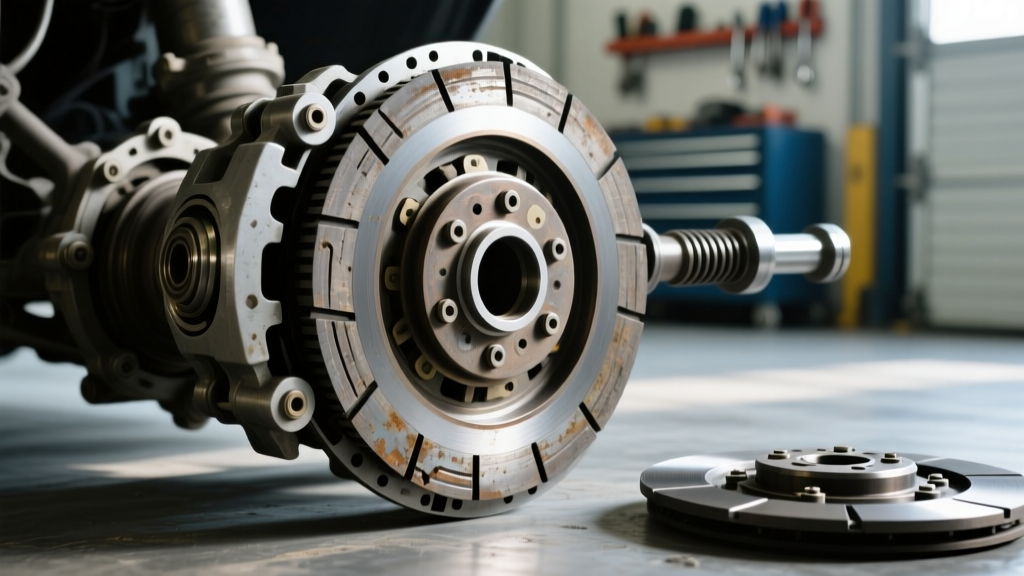
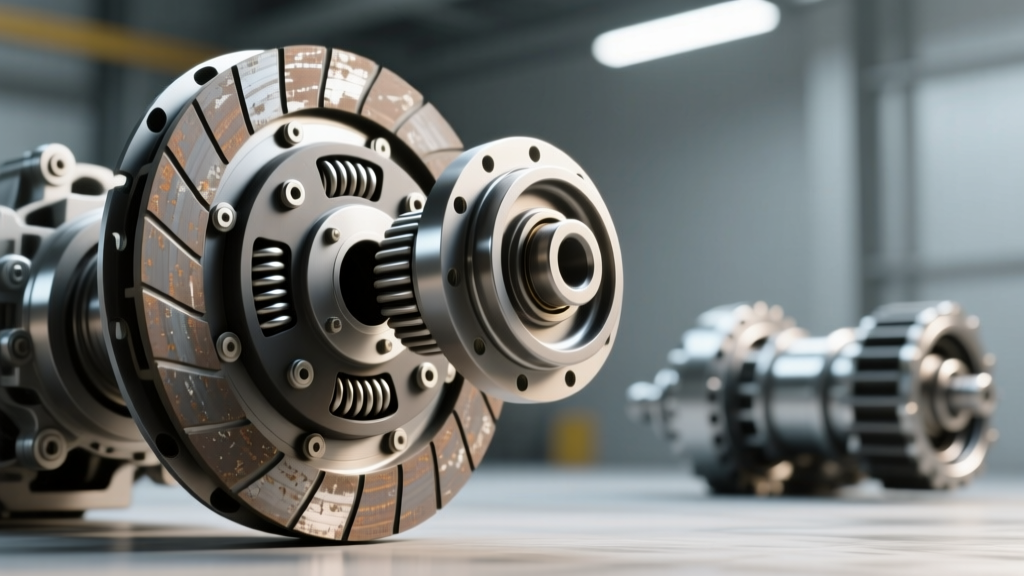
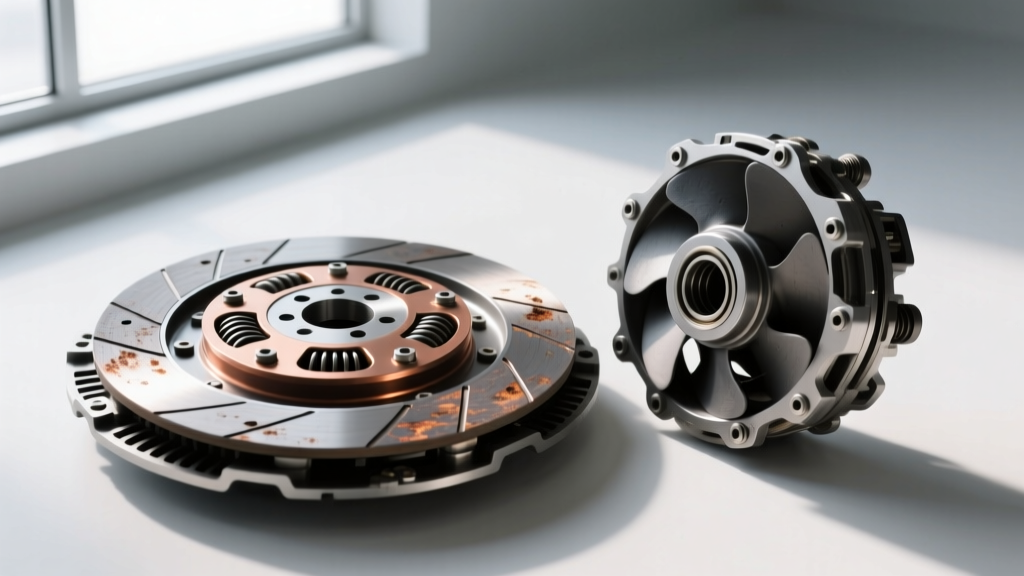
- Burnt Organic Resin (Manual Clutches): Manual clutch discs use organic friction materials bonded with high-temperature resins. When subjected to extreme slip or ambient thermal soaking, these resins outgas, producing a smell remarkably similar to burnt toast or burning brake pads.
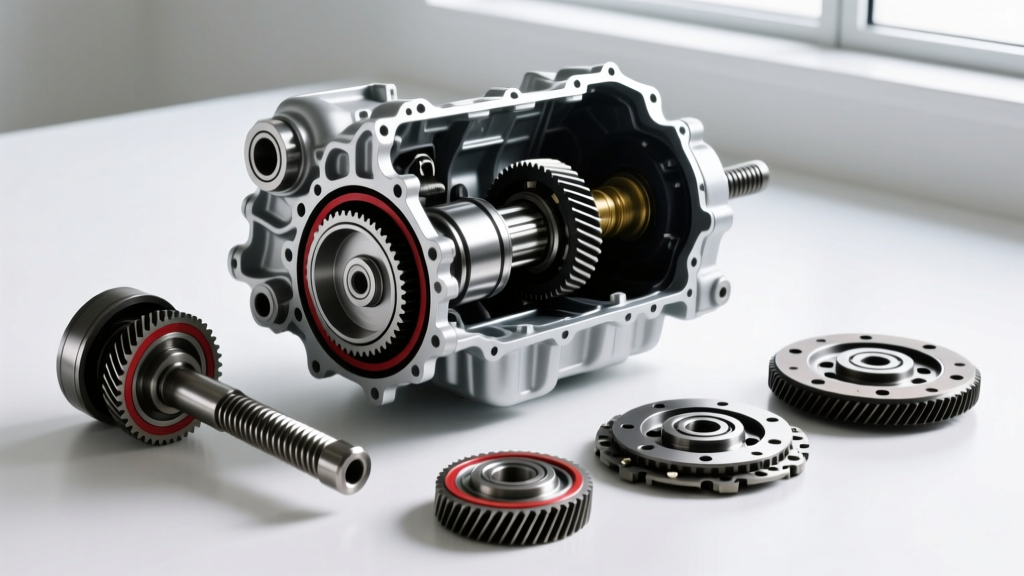
- Burnt Synthetic ATF (Automatic TCC): In automatic transmissions like the GM 6L80 or ZF 8HP, the Torque Converter Clutch (TCC) relies on a friction-lined piston. When the TCC slips due to hydraulic failure or solenoid wear, it flash-fries the Automatic Transmission Fluid (ATF). Burnt Dexron VI or ZF LifeguardFluid emits a harsh, sulfurous, chemical odor.
Can a Bad Fan Clutch Cause Overheating That Bakes the Drivetrain?
To answer the core question directly: Yes, a failed engine fan clutch can indirectly cause a burning clutch smell, but through a secondary thermal transfer mechanism rather than direct mechanical failure.
The Thermal Transfer Phenomenon
The viscous fan clutch is responsible for pulling air through the radiator and, crucially, the transmission cooler. According to Gates Automotive Cooling engineering data, a seized or slipping fan clutch can allow engine coolant temperatures to spike well past 235°F (112°C) in stop-and-go traffic.
In rear-wheel-drive and longitudinal setups, the engine block and the transmission bell housing are bolted directly together. Aluminum is an exceptional heat conductor. When the rear of the engine block becomes heat-soaked due to a lack of airflow from a bad fan clutch, that thermal energy radiates directly into the bell housing. If the ambient temperature inside the bell housing exceeds 200°F for sustained periods, the organic friction material on a manual clutch disc (such as those found in a Sachs RepSet) begins to degrade and glaze. The driver may then experience clutch slip under load, which generates its own localized friction heat, resulting in the dreaded burning smell.
Automatic Transmissions: TCC Slip vs. Engine Cooling Failures
In modern automatics, the narrative shifts slightly. The torque converter generates immense heat during the stall phase. The transmission cooler, which relies on the engine's fan clutch to pull air across its fins at low speeds, is the only thing keeping the ATF below its 250°F breakdown threshold.
If the fan clutch fails, the transmission fluid overheats. Degraded ATF loses its viscosity and friction-modifying properties. This leads directly to TCC slip. When the Powertrain Control Module (PCM) commands the TCC to lock up in overdrive, the degraded fluid fails to hold the clutch piston firmly against the converter cover. The resulting slip generates localized temperatures exceeding 400°F, instantly burning the fluid and the TCC friction lining. Therefore, the bad fan clutch caused the overheating, which caused the fluid failure, which caused the TCC to slip and produce the burning smell.
Diagnostic Matrix: Pinpointing the Odor Source
Use this matrix to cross-reference your vehicle's symptoms and narrow down the root cause of the burning smell.
| Odor Profile | Accompanying Symptom | Primary Suspect | Diagnostic Action |
|---|---|---|---|
| Burnt toast / Acrid resin | RPMs flare under load, poor acceleration from a stop | Manual Clutch Disc Glazing / Heat Soak | Inspect bell housing for heat discoloration; measure clutch disc thickness |
| Severe burnt chemical / Sulfur | Transmission overheating warning, harsh or flaring shifts | Automatic TCC Slip / Burnt ATF | OBD2 TCC Slip PID monitoring; ATF dipstick sniff test |
| Hot metal / Sweet coolant mix | Engine temp gauge pegged, smell at idle in traffic | Failed Viscous Fan Clutch / Radiator Blockage | Newspaper roll test; thermal gun on radiator core |
Step-by-Step Troubleshooting Protocol
In the 2026 diagnostic landscape, relying on guesswork is unacceptable. Follow this sequential protocol to verify if the fan clutch, the manual clutch, or the automatic TCC is the root cause.
1. The Viscous Fan Clutch Verification
Before dropping a transmission, rule out the cooling system. Perform the Newspaper Roll Test. With the engine fully warmed up and idling, carefully roll up a magazine or newspaper and gently insert it into the path of the spinning fan blades. A functioning thermal fan clutch will 'bite' and grab the paper, pulling it through or stalling the fan. If the fan simply slips and the paper deflects without resistance, the silicone shear fluid inside the clutch has leaked or degraded. Replace the fan clutch immediately.
2. OBD2 TCC Slip Monitoring (GM 6L80 & ZF 8HP)
Connect a bi-directional OBD2 scanner. Drive the vehicle on a flat highway at 55-65 MPH in top gear (ensuring the PCM has commanded TCC lockup). Monitor the TCC Slip Speed PID. A healthy torque converter clutch should show a slip speed of less than 20 RPM. If you observe slip speeds consistently above 50-100 RPM accompanied by the burning chemical smell, the TCC friction material is destroyed, or the TCC PWM solenoid (e.g., ACDelco part # 242-27792 for GM applications) is failing to regulate apply pressure.
3. Manual Clutch Bell Housing Inspection
If you are driving a manual (e.g., a Tremec T56 Magnum), use an infrared thermometer to check the bell housing temperature after a drive. Compare it to the engine block temperature. If the bell housing is significantly hotter, the clutch is slipping. Remove the inspection cover and check the clutch disc friction material. If it is glazed, shiny, or cracked, the disc is ruined.
Expert Insight: Never attempt to 'flush' an automatic transmission that smells severely burnt. Burnt ATF indicates that physical friction material from the TCC or clutch packs has been sheared off and is now suspended in the fluid. A flush will simply pack this debris into the valve body and solenoid screens, guaranteeing a catastrophic failure. A full pan-drop, filter replacement, and potential torque converter replacement is mandatory.
Repair Costs, Torque Specs, and Part Numbers
Accurate repairs require adherence to OEM specifications. Below are standard reference points for common drivetrain and cooling repairs related to this diagnostic path.
- Viscous Fan Clutch Replacement: Expect to pay $120–$280 for a premium replacement (e.g., Gates or Hayden). Crucial Torque Note: Many GM LS-based engines use a left-hand thread for the fan clutch nut (32mm or 36mm). It requires a specialty fan clutch wrench set and is typically torqued to roughly 110 lb-ft. Forcing it the wrong way will snap the water pump shaft.
- Manual Clutch Assembly: A complete kit (like the Sachs 500004220 RepSet) ranges from $250 to $600. When reinstalling the bell housing to the engine block, ensure the M10 or M12 bolts are torqued to OEM specs (typically 35–37 lb-ft for GM M10s) to prevent misalignment and premature release bearing wear.
- Automatic TCC Solenoid & Fluid: If the TCC solenoid is the culprit, the part itself is inexpensive ($45–$90). However, you must replace the fluid. For ZF 8-speed transmissions, you must use exact OEM fluid like ZF LifeguardFluid 8 (Part # 1071.298.999), which costs approximately $35–$50 per liter. Consult the ZF 8HP Transmission Documentation for the strict temperature-dependent fluid level checking procedure, as overfilling will cause aeration and immediate TCC slip.
Final Verdict
So, can a bad fan clutch cause overheating that leads to a burning clutch smell? Absolutely. By failing to pull air across the radiator and transmission cooler, a bad fan clutch initiates a thermal domino effect that can bake manual clutch resins or destroy automatic TCC friction linings. Always diagnose the cooling system's airflow and thermal management before assuming the transmission or manual clutch assembly requires a complete teardown.