The Great Clutch Confusion: Mechanical Friction vs. High Fashion
When a beginner prices out a complete, billet-machined ATV CVT overhaul or a full motorcycle wet-clutch rebuild, the sticker shock is often immense. In fact, a fully built, high-performance primary and secondary clutch setup can easily rival the price of a luxury Goyard Monte Carlo clutch. But while a designer handbag holds cosmetics and status, your mechanical clutch holds the key to transferring hundreds of horsepower to the dirt without grenading your drivetrain.
If you are new to the world of off-road motorcycles and ATVs, understanding clutch system diagnostics can feel overwhelming. As we move through 2026, the rise of high-torque turbocharged UTVs and ATVs means drivetrain components are under more stress than ever before. This beginner-friendly explainer will demystify the two main types of off-road clutches, break down the most common failure symptoms, and show you exactly where your money goes when it is time for a rebuild.
Understanding Your Drivetrain: Wet Clutches vs. CVT Systems
Before diagnosing a problem, you must understand the hardware. Motorcycles and ATVs generally rely on two entirely different clutch architectures.
The Motorcycle Wet Clutch (Bathed in Oil)
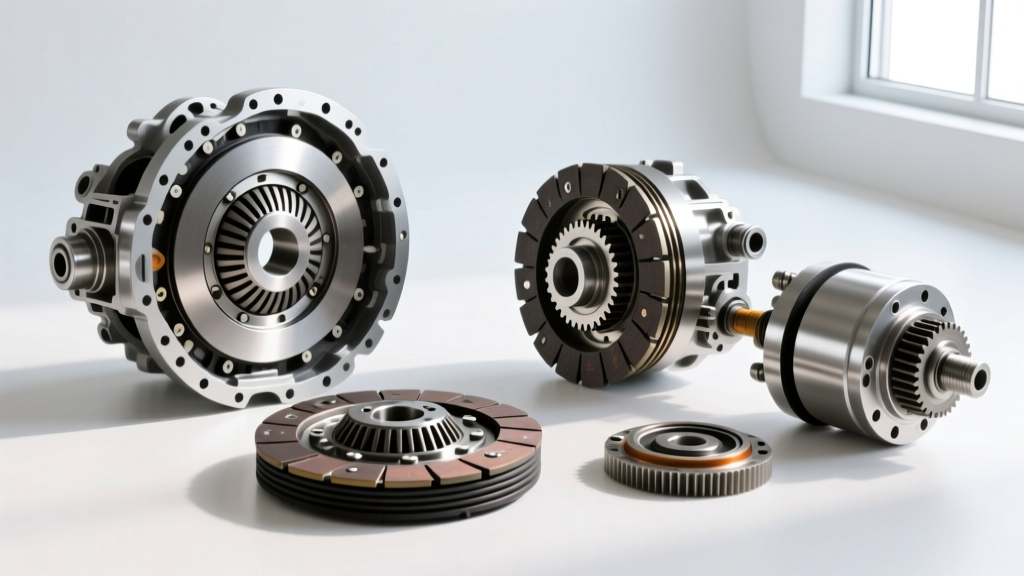
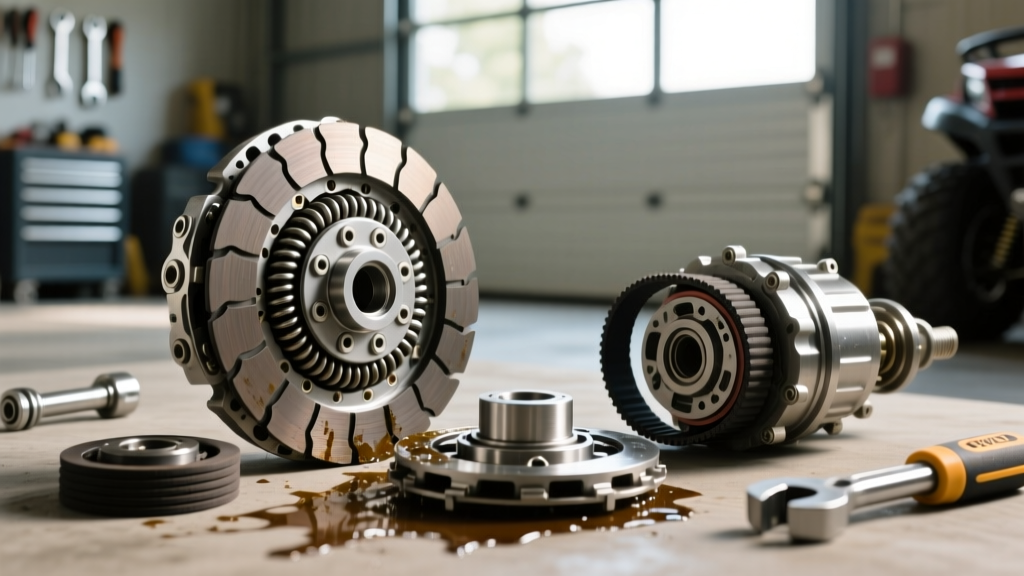
Most manual dirt bikes and street motorcycles use a multi-plate wet clutch. This system consists of alternating friction plates (lined with cork, Kevlar, or paper-based materials) and smooth steel separator plates, all submerged in the engine's motor oil. When you pull the lever, a release mechanism compresses the clutch springs, separating the plates and interrupting power. When you release the lever, spring pressure clamps the plates together, locking the transmission input shaft to the engine's crankshaft.
Beginner Rule: Never use standard automotive oil with friction modifiers in a motorcycle. You must use oil certified to JASO-MA or MA2 standards, or your wet clutch will slip immediately.
The ATV CVT (Dry, Belt-Driven, and Complex)
Most modern ATVs and UTVs use a Continuously Variable Transmission (CVT). This is a dry system consisting of a primary clutch (connected to the engine), a secondary clutch (connected to the transmission), and a heavy-duty rubber drive belt. Instead of friction plates, the CVT uses movable conical sheaves, roller weights, and heavy tension springs to change the belt's riding diameter, providing infinite gear ratios.
5 Beginner-Friendly Diagnostic Symptoms
How do you know your clutch is failing? Here are the top five symptoms, translated from mechanic-speak into plain English.
1. RPMs Climb, But Speed Doesn't (Slipping)
- On a Motorcycle: You are in 4th gear, roll on the throttle, and the engine screams, but the bike barely accelerates. Your friction plates are glazed, worn down to the rivets, or your clutch springs have lost their tension (sagged below the manufacturer's minimum free-length spec).
- On an ATV (CVT): The engine bogs or over-revs without the belt grabbing the sheaves. This usually indicates a worn drive belt that has lost its width, causing it to ride too deep in the primary clutch pulley.
2. The 'Chatter' or Shudder at Takeoff
If your ATV violently shakes or chatters when you lightly press the throttle from a dead stop, the secondary clutch is likely binding. Dirt, worn slider buttons, or a lack of grease on the helix ramps will cause the driven sheave to stick and release repeatedly. On a motorcycle, clutch chatter is often caused by warped steel separator plates due to extreme overheating during muddy, high-load trail rides.
3. Hard Shifting or 'False Neutral' (Motorcycles Only)
If your dirt bike refuses to find neutral or clunks violently into first gear, the clutch is not fully disengaging. This is rarely an issue with the plates themselves. Instead, look for notching on the aluminum clutch basket fingers. Over time, the friction plate tabs pound grooves into the soft aluminum basket, preventing the plates from separating cleanly when you pull the lever.
4. Belt Squeal and Burnt Rubber Smell (ATVs Only)
A loud, high-pitched squeal accompanied by the smell of burning rubber means your CVT belt is slipping against the metal sheaves. This happens if the primary clutch spring is too weak to clamp the belt under load, or if the belt has become contaminated with oil or water. According to Polaris Support guidelines, a slipping belt can generate enough heat to melt the belt's internal Kevlar cords in a matter of minutes.
5. Loss of Top Speed or Sluggish Acceleration
In a CVT system, acceleration and top speed are dictated by the weight of the rollers in the primary clutch. If your rollers develop flat spots or wear down, they will not push the movable sheave outward efficiently, robbing you of top-end speed. Conversely, if your machine feels incredibly sluggish off the line, your rollers may be too heavy for your current engine setup, preventing the engine from reaching its peak horsepower RPM.
The Price of Performance: CVT Rebuilds vs. The Goyard Monte Carlo Clutch
Why did we mention a Goyard Monte Carlo clutch earlier? Because beginners are often shocked to learn that properly tuning and rebuilding a high-end ATV CVT system costs as much as luxury fashion accessories. When you buy cheap, unbranded parts from overseas marketplaces, you risk catastrophic drivetrain failure. Premium aftermarket kits from brands like EPI or Dalton are engineered with aerospace-grade aluminum and precisely calibrated metallurgy.
| Item / Service | Estimated Cost | Notes & Part Examples |
|---|---|---|
| Goyard Monte Carlo Clutch (Fashion Bag) | $1,600 - $2,100 | Luxury canvas and leather handbag. |
| EPI Sport Utility CVT Clutch Combo Kit | $350 - $550 | Includes primary spring, weights, and secondary spring. |
| Gates Carbon Drive / Premium CVT Belt | $120 - $180 | Kevlar-reinforced, heat-resistant compound. |
| Billet Aluminum Primary Clutch Upgrade | $600 - $900 | Replaces cast OEM units; prevents sheave shattering. |
| Dealer Labor (Clutch Rebuild & Tuning) | $450 - $750 | 3 to 5 hours at $150/hr (Includes puller & compression tools). |
| Total High-End ATV Clutch Overhaul | $1,520 - $2,380 | Rivals or exceeds the cost of luxury designer goods. |
As shown in the table above, sourcing quality components from trusted retailers like Rocky Mountain ATV/MC and paying for expert calibration will easily push your repair bill into the thousands. You are paying for precision machining, dyno-tested spring rates, and the guarantee that your belt will not snap at 70 MPH in the dunes.
Wrenching 101: Essential Torque Specs and Tools
If you decide to tackle the repair yourself to save on labor costs, you must respect the engineering tolerances. Guessing torque specs is a fast track to stripped threads or catastrophic failure on the trail.
Polaris CVT Primary Clutch Specs
Removing the primary clutch on a Polaris Sportsman or Ranger requires a specialized puller. The internal thread is typically 3/4"-16. Do not use a standard bolt from the hardware store; it will strip the crankshaft threads. Use a hardened steel puller tool (like the Motion Pro 08-0475). When reinstalling, the primary clutch retaining bolt requires a massive 55 to 60 ft-lbs of torque, and you must use a high-strength threadlocker (Red Loctite 271) to prevent it from backing out under heavy vibration.
Honda / Kawasaki Wet Clutch Specs
When rebuilding a manual motorcycle or ATV wet clutch, the clutch center nut (which holds the inner hub to the transmission shaft) is usually torqued to 40 to 54 ft-lbs (always verify your specific service manual). More importantly, the small bolts holding the clutch springs are often overlooked. These are typically torqued to just 7 to 9 ft-lbs (8 to 12 Nm). Over-torquing these small 8mm bolts will snap the heads off or strip the aluminum clutch lifter, ruining your entire rebuild.
Final Thoughts for 2026 and Beyond
Diagnosing clutch problems on motorcycles and ATVs is less about guesswork and more about understanding the relationship between friction, tension, and heat. Whether you are soaking new friction plates in JASO-MA2 oil for your dirt bike, or compressing a 300 lb/inch spring to rebuild your UTV's CVT, precision is everything.
While the cost of a proper, high-performance clutch overhaul might rival a Goyard Monte Carlo clutch, the value it provides is measured in reliability, traction, and the sheer joy of a perfectly tuned machine. Treat your drivetrain with respect, use the correct tools, and never compromise on the quality of your friction materials.