The Chemistry of Slip and Grip: What Is Automatic Transmission Fluid Made Of?
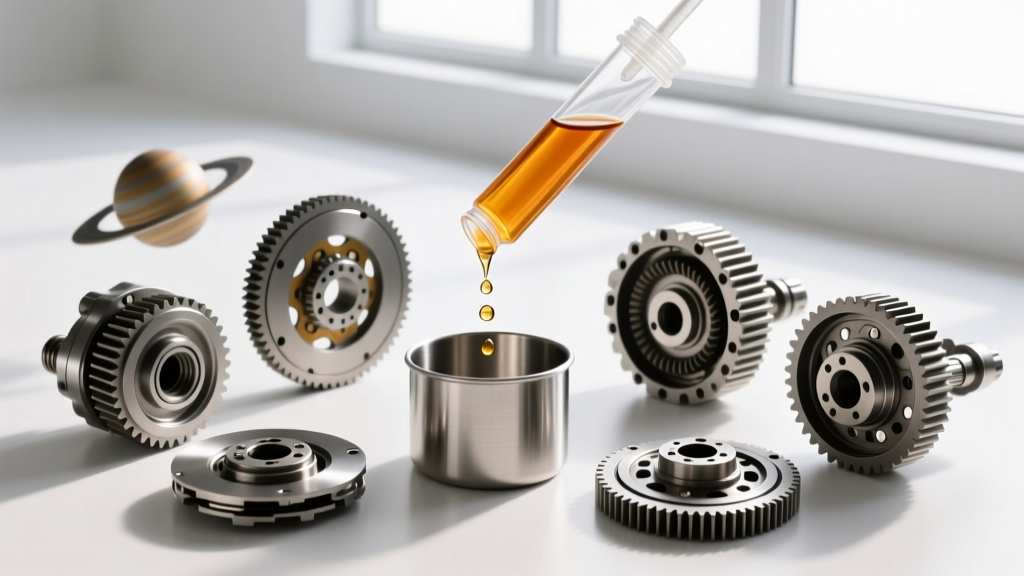
When automotive enthusiasts and DIY mechanics ask, 'what is automatic transmission fluid made of,' the answer extends far beyond simple refined petroleum. Modern Automatic Transmission Fluid (ATF) is a highly engineered, multi-functional chemical cocktail. It must simultaneously act as a hydraulic medium for valve body actuation, a coolant for the torque converter, and a precisely calibrated friction modifier for clutch pack engagement.
According to tribology research published by SAE International, a typical full-synthetic ATF consists of 70-85% base oils (usually Group III hydrocracked or Group IV Polyalphaolefins) and 15-30% complex additive packages.
Decoding the Additive Package
- Friction Modifiers: Organic compounds like organomolybdenum and fatty acid esters. These dictate the coefficient of friction during clutch lockup, preventing the dreaded 'torque converter shudder.'
- Viscosity Index Improvers (VIIs): Olefin copolymers (OCP) that ensure the fluid maintains a stable kinematic viscosity (usually between 5.5 and 7.0 cSt at 100°C) whether the transmission is at -20°F or 230°F.
- Anti-Wear Agents: Zinc dialkyldithiophosphate (ZDDP) and phosphorus compounds protect planetary gear sets and needle bearings under extreme shearing forces.
- Detergents and Dispersants: Polyisobutylene succinic anhydride (PIBSA) derivatives keep clutch material particulates and varnish suspended in the fluid rather than clogging the valve body's micro-solenoids.
- Seal Conditioners and Oxidation Inhibitors: Ester-based seal swell agents prevent O-ring shrinkage, while hindered phenols prevent the base oil from oxidizing and forming sludge at high thermal loads.
Why Chemical Composition Dictates Model-Specific Capacities
Understanding what ATF is made of explains why 'transmission fluid capacity by vehicle' is not a generic metric. The specific VIIs and anti-foaming agents (like silicone-based polymers) in fluids like DEXRON VI or ZF LifeguardFluid are calibrated for exact hydraulic volumes. Overfilling a transmission causes the rotating planetary gears to aerate the fluid. Because air is compressible and hydraulic fluid is not, aerated ATF leads to delayed shift events, slipped clutches, and catastrophic hydraulic pressure drops.
Conversely, underfilling starves the transmission oil pump, leading to immediate cavitation and severe overheating. This is why adhering to exact model-specific capacities—and utilizing temperature-matched fill procedures—is non-negotiable for modern 6-speed, 8-speed, and 10-speed automatic transmissions.
Torque Converter Dynamics: Why Dry Fill Numbers Mislead DIYers
A common mistake when researching transmission fluid capacity by vehicle is confusing 'Dry Fill' with 'Service Fill.' In almost all modern automatic transmissions, 60% to 75% of the total fluid volume resides inside the torque converter and the external cooler lines. Because modern torque converters lack a drain plug, a standard pan-drop service will only remove a fraction of the total capacity. Attempting to add the full 'Dry Fill' volume after a simple pan drop will result in a massive overfill, immediate aeration, and potential seal blowout.
Model-Specific Transmission Fluid Capacity & Specification Chart
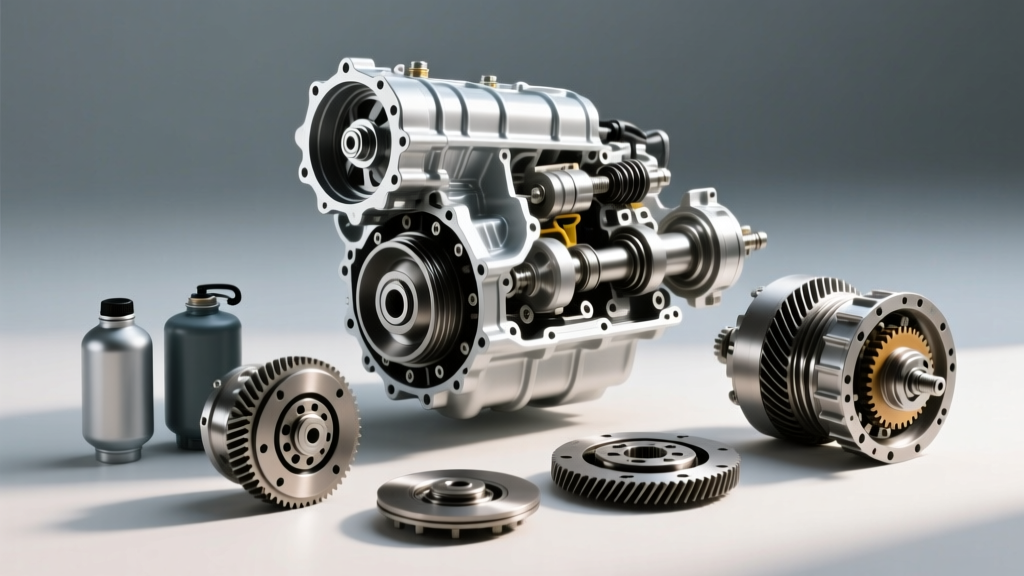
Below is a precision reference guide for three of the most ubiquitous automatic transmissions on the road today. Note that 'Service Fill' refers to dropping the pan and replacing the filter, while 'Dry Fill' applies only to a fully rebuilt transmission with an empty torque converter.
| Transmission Model | Dry Fill Capacity | Service Fill (Pan Drop) | OEM Fluid Specification | Pan Bolt Torque Spec |
|---|---|---|---|---|
| GM 6L80 / 6L90 | 11.2 Quarts (10.6 L) | 5.0 - 6.0 Quarts | DEXRON VI / DEXRON ULV | 9 Nm (80 lb-in) |
| ZF 8HP45 / 8HP70 | 9.5 - 10.5 Quarts (9.0 - 10.0 L) | 5.5 - 6.5 Quarts | ZF LifeguardFluid 8 | 10 Nm (88 lb-in) |
| Ford 6R80 | 13.1 Quarts (12.4 L) | 5.0 - 7.0 Quarts | MERCON LV | 11 Nm (97 lb-in) |
Deep Dive: GM 6L80 / 6L90 (Silverado, Camaro, Escalade)
The GM 6L80 and its heavy-duty sibling, the 6L90, rely heavily on the precise friction modifiers found in DEXRON VI. Because these transmissions utilize a complex clutch-to-clutch shifting architecture, the fluid's chemical stability is paramount. When performing a service fill, you will typically drain between 5 and 6 quarts. The OEM filter part number is 24236933. Replacement filters cost between $25 and $45 depending on the supplier.
Expert Warning: The 6L80 pan is stamped steel and uses a reusable rubber gasket. However, the pan bolts are easily stripped if over-torqued. You must use a calibrated inch-pound torque wrench set to exactly 80 lb-in (9 Nm). Furthermore, the fluid level must be checked with the transmission fluid temperature (TFT) between 86°F and 122°F (30°C - 50°C) while the engine is idling in Park.
Deep Dive: ZF 8HP Series (BMW, Audi, Dodge, Jaguar)
The ZF 8HP is widely considered an engineering masterpiece, but its maintenance requirements are notoriously strict. If you are wondering what is automatic transmission fluid made of for the ZF 8HP, the answer is a highly proprietary, low-viscosity synthetic formulated specifically for ZF's mechatronic unit. Using the wrong fluid will instantly cause shift flares and mechatronic sleeve degradation.
ZF mandates the use of ZF LifeguardFluid 8 (or approved equivalents like Shell Spirax S6 ATF X). The OEM pan and filter kit (Part # 0501216243) typically costs between $160 and $230 from suppliers like ZF Aftermarket.
Critical Repair Note: The ZF 8HP uses a plastic transmission pan with integrated filter media and aluminum crush sleeves for the bolt holes. You cannot reuse the pan bolts. The new bolts must be torqued in a specific spiral pattern to exactly 10 Nm. The fluid level check requires the vehicle to be perfectly level on a lift, with the engine running, and the TFT strictly between 30°C and 50°C. If the fluid exceeds 50°C during the check, the thermal expansion will result in a severe under-fill.
Deep Dive: Ford 6R80 (F-150, Mustang)
Ford's 6R80 is actually based on the ZF 6HP26 architecture but requires MERCON LV fluid. The chemical makeup of MERCON LV features a different friction modifier profile than ZF Lifeguard, tailored for Ford's specific torque converter lockup strategies. The dry fill capacity is a massive 13.1 quarts, largely due to the large torque converter used in F-150 applications.
For a standard pan drop, expect to replace 5 to 7 quarts. The OEM filter (Part # BL3Z-7A098-A) features an O-ring that must be lubricated with clean ATF before installation to prevent it from pinching and causing immediate pump cavitation. Pan bolts should be torqued to 11 Nm (97 lb-in).
Diagnostic Tools for Temperature-Matched Filling
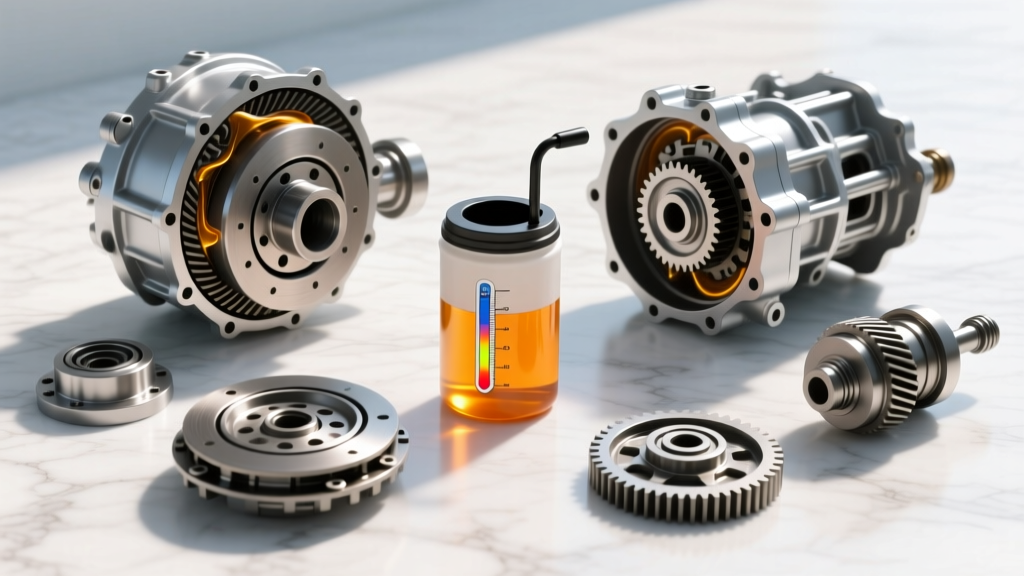
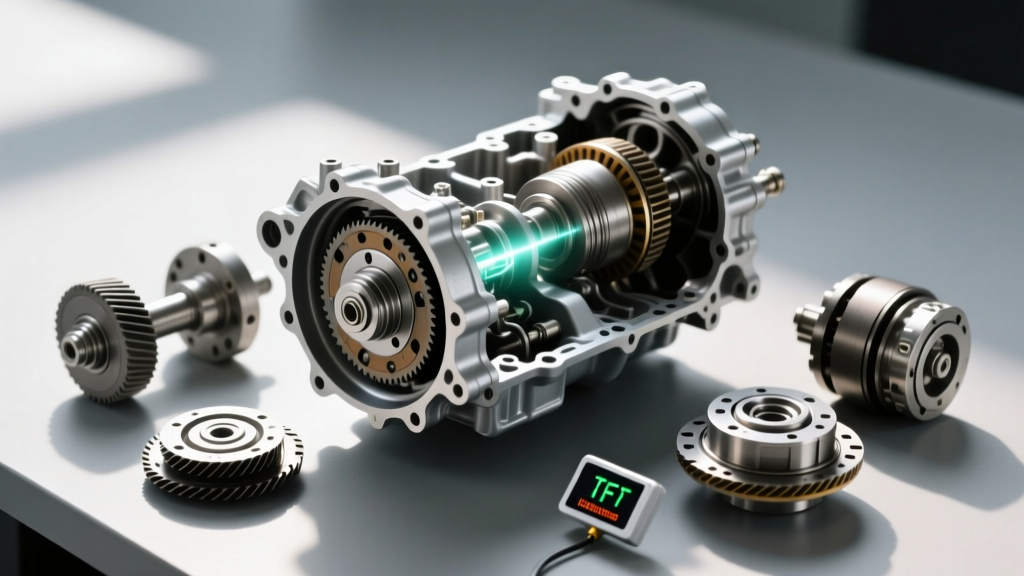
Because ATF expands significantly as it heats up, checking the fluid level cold is a recipe for disaster. A level that looks 'perfect' on the dipstick when the fluid is at 60°F will be dangerously low once the transmission reaches its normal operating temperature of 190°F. To accurately measure the Transmission Fluid Temperature (TFT) PID, professionals rely on bidirectional OBD2 scanners like the Autel MaxiCOM MK808 or Foxwell NT510 Elite. These tools read the factory transmission temperature sensor in real-time, allowing you to pull the level check plug at the exact moment the fluid hits the manufacturer's specified thermal window.
The Danger of Ignoring Fluid Chemistry and Volume Dynamics
Mixing fluid chemistries or guessing capacities based on visual estimates is a primary cause of premature transmission failure. For instance, topping off a ZF 8HP with generic 'multi-vehicle' ATF dilutes the specialized organomolybdenum friction modifiers. This leads to micro-slip during gear changes, generating excessive heat and accelerating clutch pack wear.
Similarly, ignoring the thermal expansion properties of Group IV synthetic base stocks will result in incorrect fluid levels. Always respect the chemical engineering that goes into these fluids. The friction modifiers, anti-wear agents, and VIIs are balanced for a specific volume and operating pressure. Deviating from the manufacturer's capacity specifications compromises the entire chemical ecosystem.
Summary: Precision is Profit
Understanding what automatic transmission fluid is made of highlights why it is a highly specialized, model-specific consumable. Whether you are servicing a GM 6L80, a ZF 8HP, or a Ford 6R80, success relies on matching the exact OEM fluid chemistry, adhering to strict service fill capacities, and utilizing temperature-matched leveling procedures. Invest in a quality OBD2 scanner to monitor transmission temperatures, use an inch-pound torque wrench, and never cut corners on fluid specifications or volume dynamics.