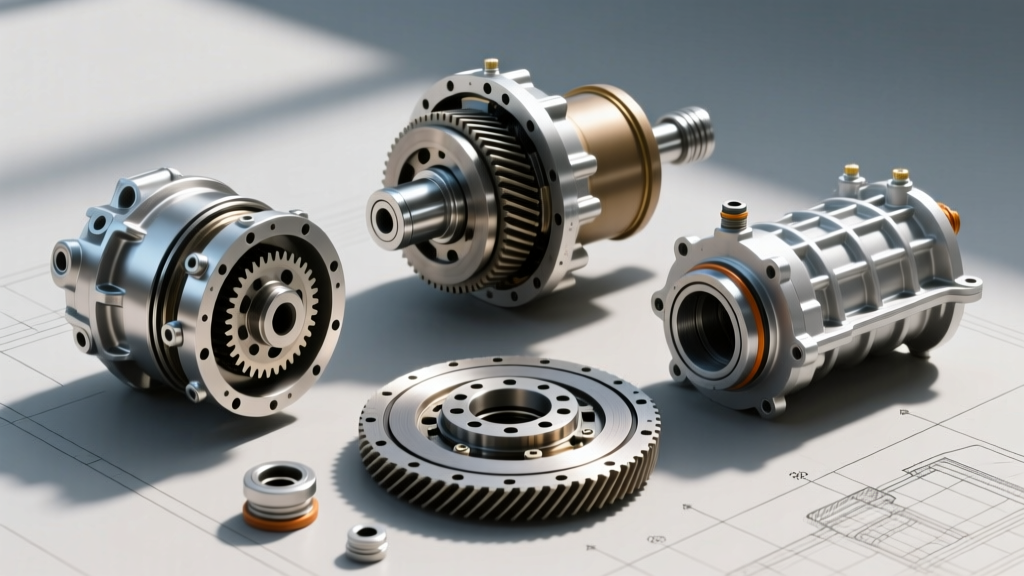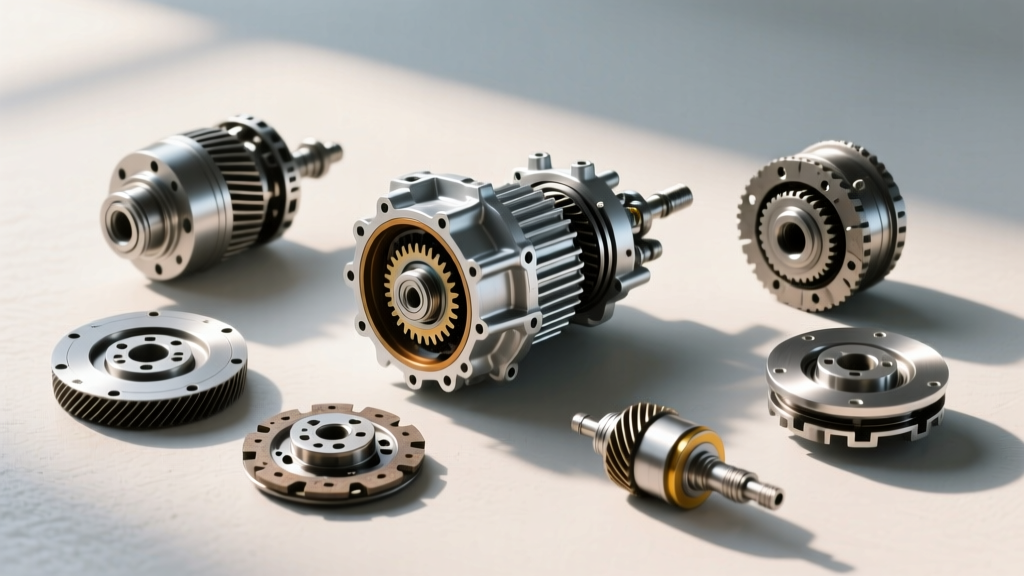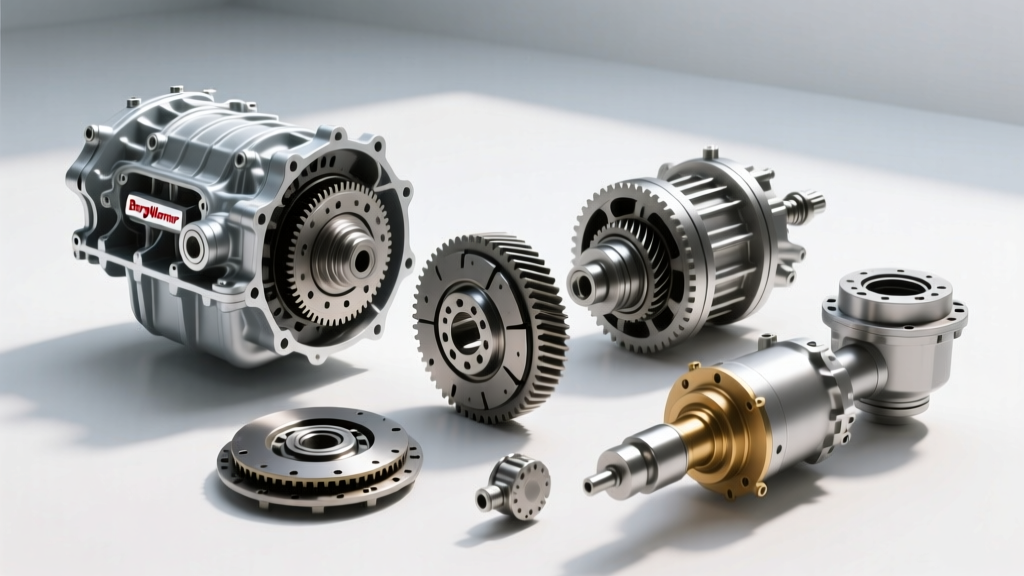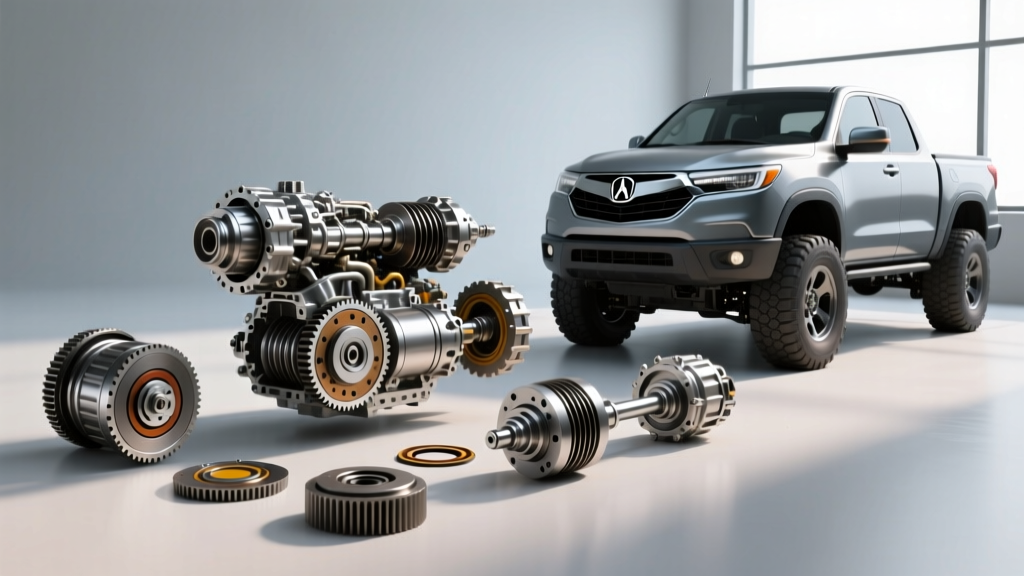
The automotive landscape has drastically shifted, blurring the lines between unibody luxury crossovers and traditional body-on-frame trucks. However, when it comes to the mechanical realities of moving 5,000-pound vehicles off the pavement or through severe weather, the engineering philosophies diverge sharply. For owners and technicians alike, understanding the boundaries of the Acura drivetrain warranty compared to the robust, serviceable 4WD components found in heavy-duty trucks is critical for long-term reliability and cost management.
In this expert guide, we dissect the mechanical differences between Acura’s legendary Super Handling All-Wheel Drive (SH-AWD) system and traditional truck 4WD architectures, exploring warranty coverage limits, precise maintenance intervals, and the exact torque specifications required to keep these systems operating flawlessly in 2026.
Decoding the Acura Drivetrain Warranty for SH-AWD SUVs
Acura’s SH-AWD system is an engineering marvel, utilizing twin electromagnetic clutch packs in the rear differential to independently vector torque to each rear wheel. But how does the manufacturer protect this complex hardware? The standard Acura drivetrain warranty—officially classified under the Powertrain Limited Warranty—provides coverage for 6 years or 70,000 miles, whichever comes first.
What the Warranty Actually Covers
The Acura drivetrain warranty explicitly covers internal components of the transaxle, the transfer case (PTU), and the internal electronic and mechanical components of the SH-AWD rear differential. If the electromagnetic clutch packs fail due to a manufacturing defect or internal seal leak, Acura will cover the replacement.
However, technicians and owners must note the exclusions. The warranty does not cover:
- Driveshafts and U-Joints: Considered wear-and-tear items unless a defect is proven.
- CV Boots and Axle Seals: Excluded if damaged by road debris or environmental factors.
- Fluid Negligence: If the rear differential fails and the dealer finds degraded or incorrect fluid, the Acura drivetrain warranty claim will be denied.
Expert Insight: The SH-AWD rear differential (Part No. 20100-TZ5-A00 for MDX applications) requires a specific friction-modified fluid. Using standard 75W-90 hypoid gear oil will cause immediate clutch pack chatter and eventual failure, instantly voiding your Acura drivetrain warranty coverage for that component.
Traditional Truck & SUV 4WD Components: Built for Torque
While Acura focuses on on-road dynamics and light-duty traction, traditional trucks (like the Chevrolet Silverado 2500HD or Ford F-250) utilize brute-force mechanical 4WD systems designed for high-torque multiplication and severe towing.
Transfer Cases and Planetary Gearsets
Heavy-duty trucks rely on chain-driven or gear-driven transfer cases, such as the BorgWarner 4493 or the MP3023. Unlike the Acura PTU which is essentially a transaxle extension, these transfer cases feature low-range planetary gearsets (often a 2.72:1 reduction). According to BorgWarner, these units are engineered to handle upwards of 1,200 lb-ft of input torque, utilizing heavy-duty inverted tooth chains that resist stretching under extreme loads.
Solid Axles vs. Independent Rear Suspensions
Truck drivetrains terminate at solid axles, such as the legendary Dana 60 or GM’s 11.5-inch AAM rear axle. These feature massive ring and pinion gears, full-floating axle shafts, and mechanical locking differentials. While they lack the torque-vectoring finesse of SH-AWD, their serviceability is unmatched. You can rebuild a Dana 60 differential in a driveway; an SH-AWD rear unit requires proprietary dealer recalibration and is often replaced as a sealed assembly.
Component Comparison: SH-AWD vs. Heavy-Duty 4WD
To truly understand the maintenance and financial implications of these two drivetrain layouts, review the comparative data below.
| Specification | Acura SH-AWD (MDX/RDX) | HD Truck 4WD (GM 2500HD / Dana 60) |
|---|---|---|
| Primary Drivetrain Type | Transverse FWD-biased AWD w/ Torque Vectoring | Longitudinal RWD-biased Part-Time/Full-Time 4WD |
| Rear Differential Fluid | Acura All-Wheel Drive Fluid (08200-9007) | 75W-90 Synthetic GL-5 Hypoid Gear Oil |
| Diff Fluid Capacity | ~2.1 Quarts | ~3.5 to 4.0 Quarts |
| Drain/Fill Plug Torque | 29 lb-ft (39 Nm) | 30 lb-ft (Cover Bolts) / 25 lb-ft (Plugs) |
| Transfer Case / PTU Fluid | Shared with Transaxle or specific PTU fluid | AutoTrak II or Dexron ULV (varies by case) |
| Typical Rebuild/Replace Cost | $2,800 - $4,500 (Sealed Unit Replacement) | $800 - $1,500 (Rebuildable Ring/Pinion/Clutches) |
Common Failure Modes and Warranty Edge Cases
Understanding how these systems fail is the first step in preventative maintenance. The Acura drivetrain warranty is comprehensive, but it is heavily scrutinized when claims involve the rear differential.
SH-AWD Clutch Pack Burnout
The most common catastrophic failure in the SH-AWD system occurs when owners use their SUVs for sustained towing near the 5,000-pound limit in hilly terrain. The electromagnetic clutches generate immense heat. If the 2.1-quart fluid capacity degrades and loses its shear stability, the clutches glaze. The vehicle will throw an 'SH-AWD Problem' warning on the dash, locking the system into a default FWD mode. If the dealer scans the PCM and detects prolonged high-slip towing events, the Acura drivetrain warranty may be contested.
Truck Transfer Case Chain Stretch
Conversely, in trucks equipped with the GM 10L90 transmission and an active transfer case, a common failure is transfer case chain stretch. When owners frequently engage 4WD High on dry pavement, the slight binding between the front and rear drivelines places thousands of pounds of tension on the transfer case chain. Over time, the chain stretches and begins to rattle against the aluminum housing, eventually snapping. Because this is a result of operator error (improper 4WD usage), it falls outside standard powertrain warranties.
Expert Maintenance Best Practices for 2026
Whether you are relying on the Acura drivetrain warranty or maintaining an out-of-warranty heavy-duty truck, adhering to severe-duty maintenance schedules is non-negotiable.
Acura SH-AWD Maintenance Protocol
- Fluid Interval: Ignore the 'lifetime' fluid myth. Drain and fill the rear differential every 30,000 miles, or every 15,000 miles if towing or driving in snow.
- Procedure: Always remove the fill plug before the drain plug. If the fill plug is seized and you drain the fluid, the vehicle is stranded.
- Torque Specs: Reinstall the drain and fill plugs to exactly 29 lb-ft. Over-torquing can crack the aluminum differential casing.
Heavy-Duty Truck 4WD Protocol
- Transfer Case Service: For BorgWarner and MP transfer cases, flush the fluid every 50,000 miles. Use only OEM-specified fluids like AutoTrak II, which contains specific friction modifiers for the internal clutch packs in AWD modes.
- Axle Breather Valves: Trucks frequently cross water. Ensure the axle breather tubes (usually routed up near the frame rails) are clear. A clogged breather will cause the axle to draw water past the pinion seal when submerged in cold water.
- U-Joint Maintenance: Unlike Acura's CV joints, truck U-joints (e.g., Spicer 1350 series) require greasing every oil change. Pump grease until you see the seals slightly weep, ensuring old, contaminated grease is purged from the bearing caps.
Ultimately, the Acura drivetrain warranty offers excellent peace of mind for sophisticated, electronically controlled SUV systems, provided you respect the fluid requirements and towing limits. For truck owners, the lack of complex electronics is offset by the sheer mechanical mass, requiring rigorous, hands-on maintenance to keep the drivetrain humming for hundreds of thousands of miles.