Decoding the Acura MDX Rear Differential: VTM-4 vs. SH-AWD
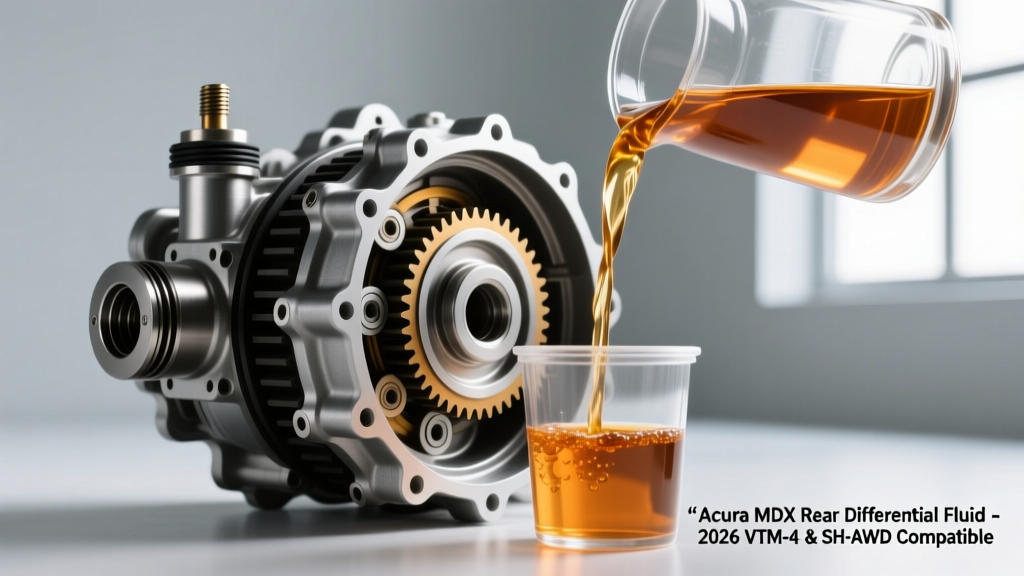
When maintaining the drivetrain of Honda's flagship luxury SUV, selecting the correct Acura MDX rear differential fluid is not merely a recommendation; it is a strict mechanical requirement. Unlike traditional solid-axle trucks or open-differential sedans, the Acura MDX utilizes highly complex, computer-controlled all-wheel-drive systems that rely on specialized hydraulic fluids to actuate internal clutch packs. Over the vehicle's production run, Acura has utilized two distinct rear axle architectures: the Variable Torque Management (VTM-4) system found in the first generation (2001-2006), and the Super Handling All-Wheel Drive (SH-AWD) system introduced in the second generation (2007-present). Each system demands a radically different fluid chemistry, viscosity profile, and friction modifier package. Using the wrong fluid will result in immediate drivetrain binding, severe clutch chatter during low-speed cornering, and eventual catastrophic failure of the rear drive unit.
The Danger of Standard 75W-90 GL-5 Gear Oil
A common and costly mistake made by generalist mechanics and DIYers is substituting OEM Acura MDX rear differential fluid with off-the-shelf 75W-90 GL-5 gear oil. While GL-5 is the industry standard for hypoid ring and pinion gears in traditional differentials, it is entirely incompatible with the wet-clutch mechanisms inside the MDX rear axle. Standard GL-5 fluids contain high concentrations of sulfur-phosphorus extreme pressure (EP) additives. These additives are designed to coat metal surfaces under high shear but will aggressively contaminate the porous friction material of the VTM-4 and SH-AWD clutch packs. Furthermore, the EP additives can cause corrosion to the yellow metals and electromagnetic solenoids housed within the rear differential. The result is a loss of hydraulic pressure, inability to lock the rear axles, and the infamous 'rear-end judder' that plagues improperly serviced MDX models.
2026 Fluid Comparison Chart: OEM vs. Synthetic Alternatives
Below is a technical comparison of the primary fluid specifications required for the Acura MDX rear differential, updated for 2026 availability and pricing.
| Fluid Type | OEM Part Number | Target Application | Base Chemistry | Est. Price (Per Qt) |
|---|---|---|---|---|
| Honda VTM-4 | 08200-9003 | 2001-2006 MDX (VTM-4) | Mineral/Synthetic Blend w/ Proprietary Friction Modifiers | $13 - $16 |
| Honda DPSF-II | 08200-9007 | 2007-2026 MDX (SH-AWD) | Low-Viscosity Synthetic w/ Anti-Wear & Anti-Shudder Agents | $14 - $18 |
| AMSOIL Synthetic VTM-4 | N/A (Aftermarket) | 2001-2006 MDX (VTM-4) | Full Synthetic PAO w/ Custom Friction Modifier Package | $16 - $19 |
| Red Line VTM-4 | N/A (Aftermarket) | 2001-2006 MDX (VTM-4) | Ester-based Synthetic w/ High-Temp Stability Additives | $18 - $22 |
Top Acura MDX Rear Differential Fluid Picks
1. Genuine Honda/Acura VTM-4 Differential Fluid (08200-9003)
For first-generation MDX owners, the OEM VTM-4 fluid remains the undisputed gold standard. The VTM-4 system uses a pair of electromagnetic clutches and a ball-ramp mechanism to distribute torque to the rear wheels. The fluid must act as both a lubricant for the hypoid gears and a hydraulic medium for the clutch actuation. Honda's proprietary friction modifier package is specifically tuned to the coefficient of friction required by the VTM-4 clutch plates. While some synthetic alternatives claim compatibility, the OEM fluid (Part #08200-9003) guarantees the precise slip-lock characteristics required to prevent binding during tight parking lot maneuvers. You will need approximately 2.7 US quarts (2.55 Liters) for a complete drain and fill.
2. Genuine Honda Dual Pump System Fluid II (DPSF-II / 08200-9007)
If you are servicing a 2007 or newer MDX equipped with SH-AWD, you must use DPSF-II. The SH-AWD rear differential is vastly more complex than the VTM-4, featuring a planetary gearset that can overdrive the rear wheels up to 1.7% faster than the front wheels, alongside left/right torque vectoring clutches. DPSF-II is engineered with a much lower base viscosity than VTM-4 to ensure rapid hydraulic response times through the SH-AWD's micro-solenoids, even in sub-zero temperatures. Attempting to use VTM-4 fluid in an SH-AWD unit will result in sluggish torque vectoring, overheating of the clutch packs, and eventual SH-AWD warning lights on the dash. Capacity for the SH-AWD rear differential is typically 2.1 US quarts (1.98 Liters).
3. AMSOIL Synthetic VTM-4 (Best Aftermarket Upgrade for Gen 1)
For 2001-2006 MDX owners who tow heavily or operate in extreme thermal environments, AMSOIL's dedicated Synthetic VTM-4 fluid is the only aftermarket alternative we confidently recommend. By utilizing a polyalphaolefin (PAO) base stock, AMSOIL provides superior resistance to oxidative breakdown and viscosity shearing compared to the OEM mineral-blend. This is critical for owners who push the MDX beyond its standard commuting duties. However, it is imperative to note that AMSOIL does not make a direct SH-AWD DPSF equivalent; SH-AWD owners should strictly adhere to the OEM Honda DPSF-II fluid to protect the sensitive torque-vectoring electronics.
Exact Service Specifications & Torque Data
Proper servicing of the Acura MDX rear differential requires adherence to specific torque values and hardware replacement protocols. Reusing old crush washers is a primary cause of post-service weeping and fluid loss.
- Drain Plug Torque: 33 lb-ft (44 Nm)
- Fill Plug Torque: 33 lb-ft (44 Nm)
- Crush Washer (18mm): Honda P/N 90471-PX4-000 (Always replace both)
- VTM-4 Capacity (2001-2006): 2.7 US qts (2.55 L)
- SH-AWD Capacity (2007-Present): 2.1 US qts (1.98 L)
- Service Interval: 15,000 miles for severe duty (towing/mountains), 30,000 miles for normal duty.
The 'Figure-8' Judder Calibration Procedure
If your MDX exhibits a shuddering or binding sensation from the rear axle during slow, tight turns, the clutch packs may have glazed due to degraded fluid. Simply draining and filling the Acura MDX rear differential fluid may not immediately resolve the issue. You must perform the OEM 'Figure-8' calibration procedure to burnish the clutches and distribute the new friction modifiers.
Expert Procedure: Drain the old fluid and refill with the correct OEM specification. Drive the vehicle to a large, empty, dry parking lot. Perform 10 continuous, tight figure-8 maneuvers at idle speed (approx. 3-5 mph) with the steering wheel at full lock. This forces the rear differential clutches to slip and engage repeatedly, allowing the new fluid's friction modifiers to penetrate the clutch material. If the judder persists, drain the fluid a second time and refill; the first drain often removes only 60% of the contaminated fluid trapped inside the clutch drums.
Fluid Degradation Analysis: What to Look For
When performing a drain, inspect the magnetic drain plug carefully. A fine, metallic paste is normal wear from the hypoid ring and pinion gears. However, if you find distinct metallic flakes, chunks of brass, or a heavy, burnt-smelling odor resembling wet cardboard, the internal clutch packs or thrust bearings have suffered mechanical failure. In SH-AWD models, also inspect the fluid for a milky or chocolate-milk appearance, which indicates a failed axle seal allowing water ingress or a breached internal barrier mixing hydraulic fluid with gear oil. For comprehensive factory service bulletins and wiring diagrams related to the SH-AWD solenoids, technicians should consult Acura TechInfo. For OEM part sourcing and pricing verification, databases like RockAuto remain invaluable resources for cross-referencing Honda P/Ns.