The Drivetrain vs. HVAC Dilemma: Identifying the True Source of Shudder
When a vehicle exhibits a violent shudder at highway speeds, an abrupt RPM drop at idle, or a distinct slipping sensation, drivers and novice mechanics often jump to the worst-case scenario: catastrophic internal transmission failure. However, the rotational drag of a failing compressor AC clutch can mimic the exact symptoms of clutch problems in automatic transmissions, specifically Torque Converter Clutch (TCC) shudder or internal friction pack slip.
As of 2026, with the widespread integration of variable-displacement AC compressors and ultra-slip TCC apply strategies in modern automatics like the GM 10L90 and ZF 8HP, the line between HVAC-induced engine bog and drivetrain slip has never been blurrier. Misdiagnosing an AC compressor clutch seizure as a failing transmission TCC can lead to unnecessary $3,000+ transmission rebuilds. This diagnostic comparison and buyer's guide will help you isolate the culprit, understand the specific failure modes of automatic transmission clutches, and source the correct replacement components.
Symptom Showdown: HVAC Drag vs. Drivetrain Slip
While both systems rely on friction and electromagnetic engagement to transfer power, their failure signatures differ when analyzed under load. Below is a direct comparison of how these two distinct clutch systems manifest their failures to the driver.
Compressor AC Clutch Failure Signatures
- Idle Bog & Serpentine Squeal: When the AC is commanded ON, a seized compressor pulley bearing or a dragging clutch plate will load the engine, causing RPMs to drop below 500, often accompanied by a burning rubber smell from the slipping serpentine belt.
- Cyclic Clicking: A failing clutch coil or an over-pressurized AC system will cause the clutch to rapidly engage and disengage (short-cycling), producing a rhythmic clicking from the engine bay.
- Thermal Protector Tripping: Modern clutch assemblies feature thermal limit switches. If the clutch slips excessively, heat builds up, cutting power to the electromagnetic coil until it cools.
Automatic Transmission Clutch Failure Signatures
- TCC Shudder (Rumble Strip Effect):strong> Occurring typically between 35-55 mph in 4th or 5th gear, a failing TCC friction lining or a worn TCC apply valve in the valve body causes the torque converter to rapidly slip and lock. This feels exactly like driving over highway rumble strips.
- RPM Flare (Neutraling Out):strong> If internal friction clutches (e.g., the 3-5-R clutch pack in a GM 6L80) lose hydraulic pressure or burn out, the transmission will 'flare' or rev freely between gear changes without transferring power to the wheels.
- Delayed Engagement: A harsh or delayed shift into Reverse or Drive indicates worn forward/reverse clutch packs or degraded clutch drum seals, requiring a fluid volume that the worn seals can no longer contain.
Diagnostic Framework: Isolating the Culprit
Before ordering parts, you must perform targeted isolation tests. Relying on 'feel' alone is a gamble.
Step 1: The Load Isolation Test
Turn off the HVAC system entirely and disconnect the AC compressor clutch electrical connector. Drive the vehicle through the speed range where the shudder occurs (usually 40-50 mph). If the shudder persists, the issue is isolated to the automatic transmission's TCC or internal drivetrain components. If the shudder vanishes and the engine idle stabilizes, suspect a dragging compressor or failing AC clutch bearing.
Step 2: Electromagnetic & Air Gap Verification (AC Clutch)
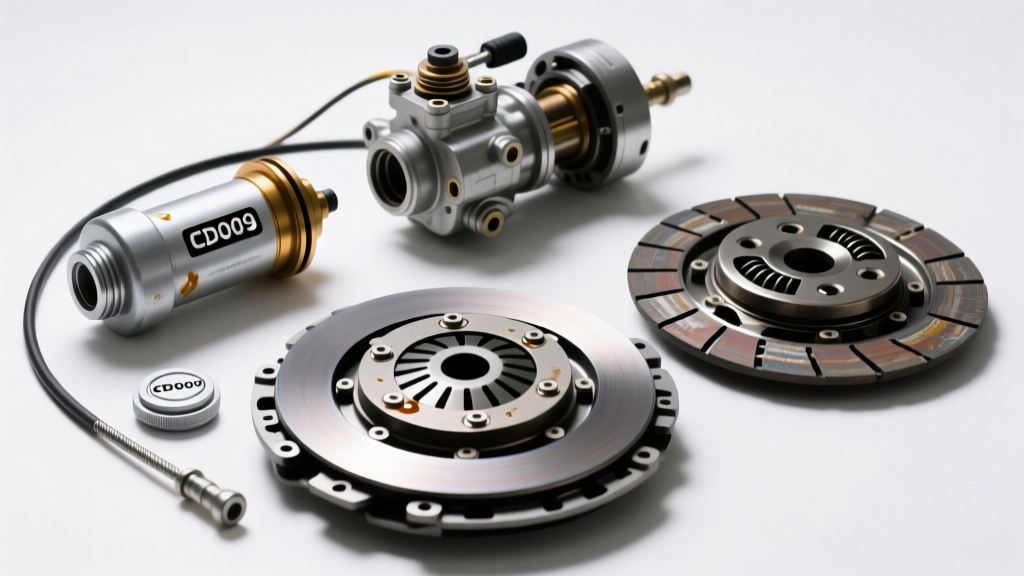
Use a multimeter to test the AC clutch coil resistance. Most 12V automotive AC clutches should read between 3.0 and 5.0 ohms at 68°F (20°C). An infinite reading indicates an open coil; a reading near zero indicates a short. Next, use a feeler gauge to measure the air gap between the clutch hub and the pulley. The industry standard spec is 0.020" to 0.030" (0.5mm - 0.75mm). If the gap exceeds 0.040", the electromagnetic magnet cannot overcome the distance, resulting in clutch slip and heat generation.
Step 3: OBD2 & Hydraulic Analysis (Auto Trans)
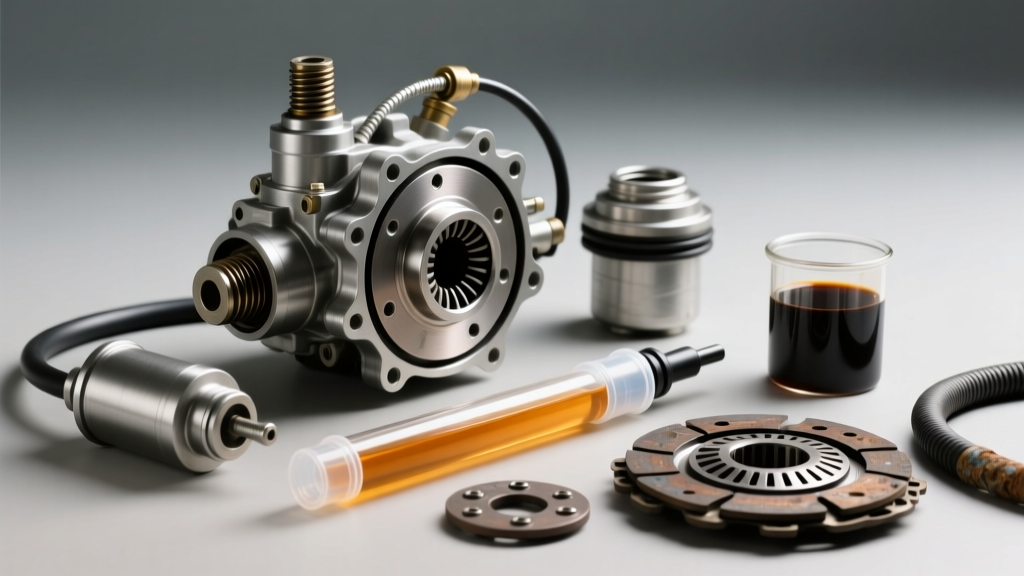
Scan for TCC slip codes. P0741 (TCC Stuck Off) or P0742 (TCC Stuck On) are prime indicators of torque converter clutch issues. However, the code is often a symptom, not the root cause. In transmissions like the GM 8L90, the root cause is frequently bore wear in the valve body's TCC apply valve, causing PWM (Pulse Width Modulation) hydraulic leaks that starve the TCC of clamping pressure. Checking the transmission fluid for a burnt odor or dark, glittering particulate will confirm internal friction material degradation.
Deep Dive: Clutch Problems in Automatic Transmissions
Understanding the specific failure modes of automatic transmission clutches is vital for accurate purchasing. Unlike a simple external AC clutch, automatic transmissions utilize multiple internal wet-clutch packs and a complex TCC.
The Torque Converter Clutch (TCC)
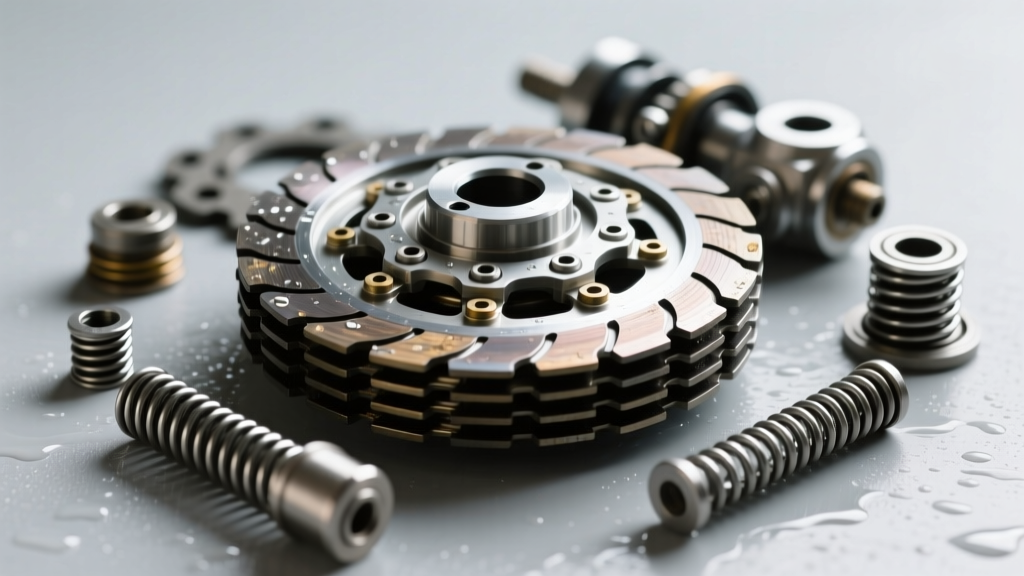
The TCC is essentially a large, internal wet-clutch disc lined with carbon-impregnated or paper-based friction material. Its job is to mechanically lock the engine to the transmission input shaft at cruising speeds to eliminate parasitic fluid drag and improve fuel economy. In high-torque applications (like the ZF 8HP found in BMW, Audi, and Ram trucks), the TCC is subjected to immense thermal stress. If the specialized transmission fluid (e.g., ZF Lifeguard 8) is not serviced by 60,000 miles, the friction modifiers deplete, leading to TCC glazing and violent shudder.
Internal Friction Packs & Seal Degradation
Automatic transmissions use hydraulic pressure to clamp steel and friction discs together. Over time, the rubber or Teflon sealing rings on the clutch drums harden and crack. When this happens, hydraulic pressure bleeds off before it can fully clamp the clutch pack. The resulting micro-slip generates immense heat, glazing the steel plates and burning the friction linings. This is a notorious issue in the Ford 6F35 and GM 6L80 transmissions, where specific clutch piston seals fail prematurely, requiring a complete teardown and master rebuild kit.
Expert Insight: Never ignore TCC shudder. The carbon debris from a disintegrating torque converter clutch lining will circulate through the transmission cooler and valve body, eventually clogging the tiny solenoid screens and destroying the mechatronic unit. If TCC shudder is caught early, a valve body repair and fluid flush may save the transmission. If ignored, a full $4,500 replacement is inevitable.
2026 Buyer's Guide: Sourcing Replacement Components
When it comes time to buy, the aftermarket offers varying levels of quality. Below is a comparison matrix to guide your purchasing decisions for both AC and Transmission clutch components.
| Component Type | OEM / Premium Aftermarket | Budget / Economy | Estimated Cost (2026) | Expert Recommendation |
|---|---|---|---|---|
| AC Compressor Clutch Assembly | Denso, Four Seasons, AC Delco | Generic Import Brands, UAC | $45 - $160 | Always buy the clutch coil and pulley as a matched set. Verify the pulley bearing is sealed. |
| Auto Trans TCC Apply Valve Kit | Sonnax (e.g., 14674A-03K for GM) | N/A (Requires precision machining) | $35 - $85 | Mandatory upgrade for GM 6L80/8L90 TCC shudder. Replaces worn aluminum bores with hardened steel. |
| Auto Trans TCC Solenoid | AC Delco, ZF Original, Motorcraft | Rostra, Duralast | $60 - $180 | Never use budget solenoids for PWM TCC control. Micro-sticking will instantly cause shudder codes. |
| Master Rebuild Kit (Friction/Steel) | Raybestos (Pro-Series), Alto (Red Eagle) | Generic eBay Kits | $150 - $350 | Require Raybestos High-Energy or Alto Red Eagle clutches for heavy-duty or towing applications. |
For sourcing these parts, reputable platforms like RockAuto provide excellent cataloging for OEM AC clutches and transmission solenoids, while specialized drivetrain engineers like Sonnax are the undisputed industry standard for resolving hydraulic valve body wear that causes TCC clutch slip.
Pro-Tips & Critical Torque Specifications
Whether you are replacing an external AC clutch or dropping a transmission pan to service the TCC solenoids, adhering to precise torque specs is non-negotiable.
AC Clutch Installation Specs
- Center Hub Bolt: The bolt securing the clutch hub to the compressor shaft is typically an M8 or M10 thread. Torque spec is generally 11 to 15 lb-ft (15-20 Nm). Over-torquing will strip the soft aluminum shaft of the compressor.
- Shimming: If the air gap is incorrect after installing a new clutch, you must add or remove the internal snap-ring shims behind the pulley bearing to achieve the 0.020" - 0.030" specification.
Automatic Transmission TCC Service Specs
- GM 6L80 / 8L90 Transmission Pan: These use a reusable RTV seal or a specific O-ring. Pan bolts are small M6 threads. Torque to 89 lb-in (10 Nm) in a crisscross pattern. Over-torquing will warp the thin stamped steel pan, causing massive fluid leaks.
- ZF 8HP Mechatronic Sleeve: When replacing the TCC solenoid on a ZF unit, the electrical sleeve seal must be replaced. The sleeve locking tab requires careful alignment, and the adapter bolts must be torqued to exactly 8 Nm (71 lb-in) to prevent cracking the plastic housing.
By understanding the distinct mechanical signatures of a compressor AC clutch versus internal automatic transmission clutches, you can save thousands of dollars in misdiagnosed repairs. Always verify electrical resistance, hydraulic pressures, and physical air gaps before committing to a major teardown.
For further reading on transmission hydraulic diagnostics, refer to the technical service bulletins available via AC Delco or your vehicle manufacturer's OEM portal.