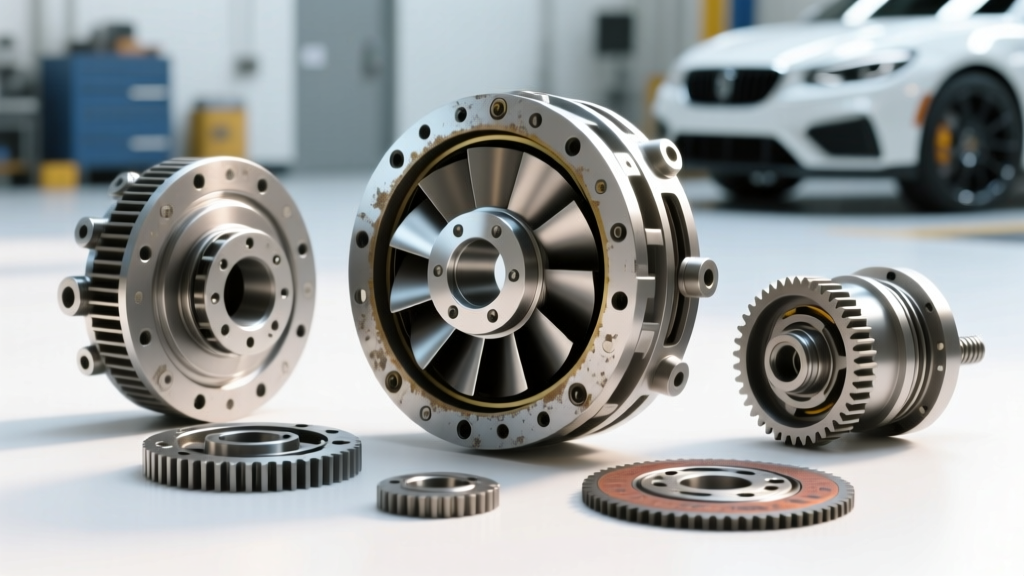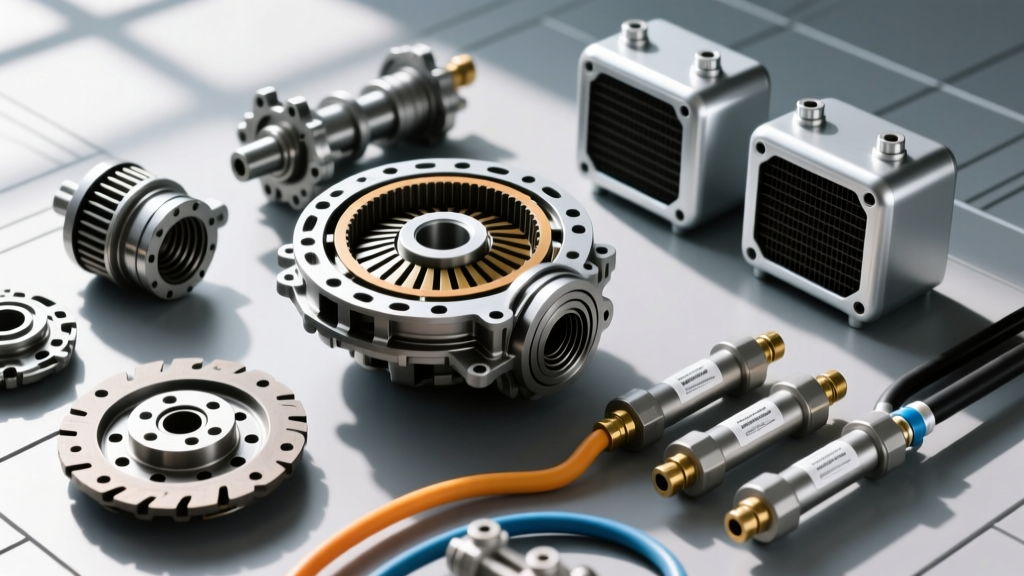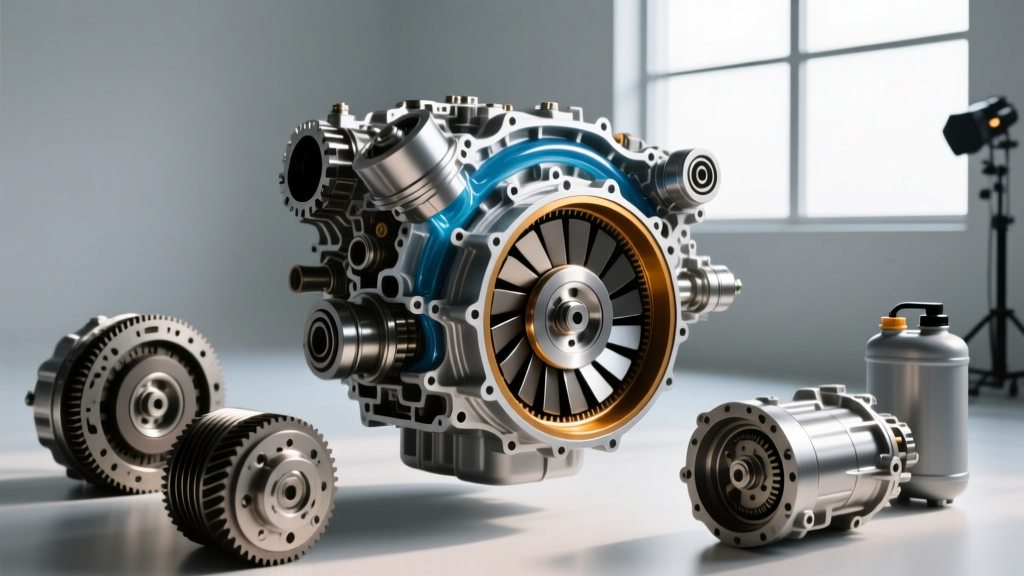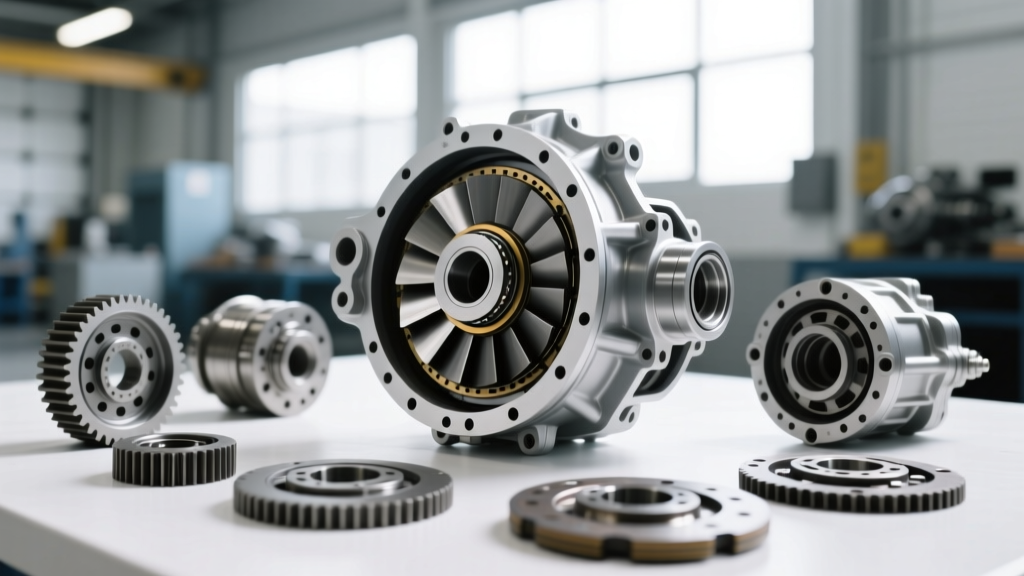
As of 2026, the GM 6L80 and 6L90 transmissions remain some of the most popular platforms in the aftermarket performance world. Found in everything from C6 Corvettes and 5th-Gen Camaros to heavy-duty Silverado trucks, the 6L80 is a capable six-speed automatic. However, when you start pushing past the 450-wheel-horsepower mark, the factory torque converter becomes the weakest link in the drivetrain. Recognizing bad torque converter symptoms early is the difference between a simple swap and a catastrophic transmission failure that litters your valve body with metallic debris.
For performance enthusiasts and dedicated shop owners, ignoring these warning signs is not an option. When the factory single-disc clutch fails, the only reliable path forward is pulling the unit and installing a comprehensive 6l80 rebuild kit with torque converter upgrades. Below, we break down the exact diagnostic data, failure modes, and upgrade paths required to fortify your 6L80 for high-torque applications.
Decoding 6L80 Bad Torque Converter Symptoms in High-HP Builds
The 6L80 utilizes a highly sophisticated Pulse Width Modulated (PWM) torque converter clutch (TCC) apply strategy. Unlike older transmissions that simply locked the converter on or off, the 6L80's Transmission Control Module (TCM) pulses the TCC apply valve to maintain a controlled amount of slip. This was designed for emissions and driveline smoothness, but it generates immense heat and friction. When pushed beyond factory torque limits, specific symptoms emerge.
Symptom 1: The Infamous PWM Shudder (40-55 MPH)
The most universally reported bad torque converter symptom in the 6L80 platform is a rhythmic shudder felt through the chassis, typically occurring between 40 and 55 MPH under light throttle. This happens when the TCM commands a partial TCC lockup (controlled slip), but the degraded friction material or glazed single-disc clutch cannot maintain the targeted slip RPM. The result is a violent stick-slip harmonic resonance. While a fluid exchange with a high-quality synthetic Dexron VI and a friction modifier might temporarily mask the shudder, it is a definitive indicator that the converter's friction surfaces are mechanically compromised.
Symptom 2: TCC Slip Codes (P0741) and Scanner Data
When hooking up a bi-directional OBD2 scanner, monitoring the 'TCC Slip Speed' parameter is critical. Under normal highway cruising in lockup (usually 4th, 5th, or 6th gear), TCC slip should read between -10 and +20 RPM. If your scanner consistently shows slip speeds exceeding 80 to 150 RPM while the TCM is commanding 100% duty cycle lockup, the internal clutch pack is physically worn out. This excessive slip will eventually trigger a P0741 (Torque Converter Clutch Circuit Performance or Stuck Off) or P0742 code, forcing the TCM into limp mode and disabling lockup entirely to protect the transmission from overheating.
Symptom 3: Stator Overheating and Fluid Degradation
A failing torque converter generates massive amounts of localized heat. If your transmission fluid temperature (TFT) sensor routinely reads above 230°F (110°C) during highway driving or light towing, the converter's internal stator or one-way clutch is likely failing to redirect fluid flow efficiently. This 'cooking' of the Dexron VI fluid strips its shear stability, turning it dark brown and giving it a distinct burnt odor. This degraded fluid then circulates through the 6L80's mechatronic solenoid pack, leading to sticky valves and erratic line pressure.
Symptom 4: Converter Clutch Drag and Delayed Engagement
If the TCC friction material physically breaks apart, or if the internal piston seals blow, the converter may fail to fully release when coming to a stop. This 'drag' feels like the brakes are engaged while idling in gear, and it can cause the engine to stall or the transmission to flare harshly upon the next 1-2 shift due to residual hydraulic pressure trapped in the apply circuit.
Why Stock Converters Fail: The Engineering Bottleneck
The factory 6L80 torque converter relies on a single-disc friction liner bonded to the piston. Under high-torque loads (such as towing, supercharged applications, or aggressive tuning), the clamping force of the hydraulic apply circuit is overpowered by engine torque. The single disc slips, generating extreme heat that melts the bonding agent. Once the friction material shears off, it circulates through the cooler and the valve body, scoring the aluminum bores of the TCC PWM valve and the main pressure regulator.
Expert Insight: Never attempt to flush a 6L80 cooler system if you suspect catastrophic friction material loss. The debris will become trapped in the radiator heat exchanger and the 6L80's internal lube regulator valve. The entire cooling circuit must be replaced or professionally hot-flushed to prevent immediate failure of the replacement unit.
Data Table: Stock vs. Billet Triple-Disc Performance Metrics
When addressing bad torque converter symptoms, upgrading to a multi-disc billet design is mandatory for performance builds. Below is a comparison of the factory setup versus a typical aftermarket performance upgrade.
| Metric | GM Factory Single-Disc | Billet Triple-Disc Upgrade (e.g., Circle D) |
|---|---|---|
| Friction Surface Area | ~65 sq. inches | ~195 sq. inches (3x Capacity) |
| Cover Material | Stamped Steel (Prone to Ballooning) | Billet Chromoly Steel (Zero Ballooning) |
| Max Torque Capacity | ~450 lb-ft | 850+ lb-ft |
| Stall Speed Options | Fixed ~1800-2000 RPM | Customizable (2400 - 3600 RPM) |
| PWM Compatibility | Yes (Requires Controlled Slip) | Yes (With Carbon/Graphite Frictions) |
Selecting a Performance 6L80 Rebuild Kit With Torque Converter
If your diagnostic data confirms the converter is destroyed, you cannot simply drop in a new unit without addressing the rest of the transmission. The debris from the failed single-disc clutch has inevitably contaminated the valve body and clutch packs. This is why professionals opt for a complete 6l80 rebuild kit with torque converter bundled together.
The Valve Body Connection: Mandatory Upgrades
The 6L80 valve body is notorious for bore wear, specifically at the TCC Apply Valve and the TCC PWM Valve. If you install a high-clamping-force billet torque converter without addressing valve body wear, the converter will shudder immediately due to leaking hydraulic pressure. According to Sonnax technical documentation, utilizing an oversized TCC apply valve kit (such as the Sonnax 15994-09K) and a Zip Kit to restore hydraulic integrity is a non-negotiable step in the rebuild process.
Clutch Pack and Seal Considerations
A premium rebuild kit should include Raybestos GPZ or BorgWarner High-Energy friction plates, which offer superior heat resistance compared to OEM paper frictions. Furthermore, ensure the kit includes the updated square-cut O-rings and stator support seals, as the early 2006-2008 6L80 models suffered from stator seal leaks that starved the TCC circuit of apply pressure.
Reassembly Specs: Torque Values and Fluid Fill
Proper assembly is critical when marrying a high-stall billet converter to a freshly rebuilt 6L80. Incorrect clearances or torque specs will result in immediate pump failure or flexplate cracking.
- Converter to Flexplate Bolts: Use OEM or ARP M10x1.5 hardware. Torque to 35 lb-ft (47 Nm) with a medium-strength threadlocker. Ensure the converter is fully seated against the flexplate without pulling it forward with the bolts, which will destroy the transmission front pump gear upon startup.
- Transmission to Engine Block: Torque the bellhousing bolts to 37 lb-ft (50 Nm).
- Flexplate to Crankshaft: If removed, the M12 crank bolts must be torqued to 74 lb-ft (100 Nm) plus an additional 80 degrees of rotation.
- Fluid Capacity and Type: A dry 6L80 requires approximately 11.2 quarts (10.6 Liters) of Dexron VI or a compatible high-performance synthetic ATF. Always perform the OEM fluid level check procedure with the transmission pan temperature between 86°F and 122°F (30°C - 50°C) while idling in Park.
Final Diagnostics and TCM Relearning
Once the upgraded 6L80 rebuild kit with torque converter is installed, the job is not finished. The 6L80's TCM relies on adaptive pressure tables to control shift feel and TCC apply rates. You must use a professional scan tool to perform a 'Fast Idle Adapt' and a 'TCC Adapt' reset. As noted by transmission specialists at ATRA (Automatic Transmission Rebuilders Association), failing to reset the adaptive tables after a rebuild will cause the TCM to apply the new, high-friction triple-disc converter using the degraded pressure maps of the old slipping unit, resulting in harsh, banging lockup engagements.
By accurately diagnosing bad torque converter symptoms early and executing a comprehensive, data-driven rebuild, you transform the 6L80 from a fragile bottleneck into a bulletproof platform capable of handling serious horsepower for years to come.