The Heat Crisis: Why Torque Converters Overheat
When drivers and technicians research torque converter issues symptoms, they often focus on shudder, slipping, or stalling. However, the root cause of over 60% of premature torque converter clutch (TCC) and stator failures is severe thermal degradation. The torque converter is a fluid coupling device, and any slip between the impeller and the turbine generates immense friction and heat. In modern transmissions like the GM 6L80, Ford 6R80, and ZF 8HP70, aggressive TCC slip strategies are used to improve fuel economy, which inherently increases localized heat generation.
Normal automatic transmission fluid (ATF) operating temperatures range between 175°F and 200°F. Once fluid temperatures exceed 230°F, the fluid begins to oxidize, losing its friction modifiers and lubricity. By 250°F, the fluid essentially cooks, leading to varnish buildup on the TCC apply piston, hardened O-rings, and eventual converter lockup failure. According to the Automatic Transmission Rebuilders Association (ATRA), chronic overheating is the number one killer of rebuilt transmissions, making thermal management a critical priority for any heavy-duty or performance build.
Spotting the Burn: Torque Converter Issues Symptoms Linked to Heat
Overheating rarely happens in isolation; it manifests through a cascade of mechanical and hydraulic warnings. If you suspect thermal failure, look for these specific indicators:
- Burnt ATF Odor and Discoloration: Pull the transmission dipstick or inspect the fluid via the overflow plug. Healthy ATF is bright red or translucent amber. Fluid that smells like burnt toast and appears dark brown or black indicates the friction material on the TCC disc has burned off due to excessive slip and heat.
- Highway Speed Shudder: A classic symptom of GM 6L80 and 6L90 transmissions. As the fluid overheats, it loses its viscosity and friction modifiers, preventing the TCC from maintaining a solid lockup. This results in a rhythmic vibration (shudder) felt through the chassis at 45-65 MPH.
- Delayed or Slipping Lockup: If the transmission control module (TCM) commands TCC apply, but the fluid is too thin from heat, hydraulic pressure drops. You will see RPM flares on the tachometer while cruising, indicating the converter is failing to lock.
- Stator One-Way Clutch Failure: Extreme heat can melt the plastic cages or degrade the grease inside the stator's one-way roller clutch. This causes a severe lack of low-end torque multiplication and a whining noise during acceleration.
Buyer’s Guide: Comparing Cooling & Prevention Upgrades
To combat these torque converter issues symptoms, you must upgrade the cooling capacity and fluid dynamics of your drivetrain. Below is a 2026 comparison chart of the most effective thermal management upgrades for modern automatic transmissions.
| Upgrade Category | Top Pick (2026) | Primary Application | Est. Cost | Thermal Benefit |
|---|---|---|---|---|
| Auxiliary Cooler | Hayden 678 Rapid-Cool | Universal / Towing / Plowing | $65 - $85 | Reduces temps by 20°F - 30°F |
| Thermal Bypass Delete | Sonnax 44912-01K | GM 6L80 / 6L90 / 8L90 | $45 - $60 | Prevents 260°F+ converter spikes |
| Inline Filtration | Magnefine 3/8' Inline | All transmissions with 3/8' lines | $25 - $35 | Captures TCC friction debris |
| Synthetic ATF | AMSOIL Signature Series | ZF 8HP / Ford 6R80 / GM 10L80 | $14 - $16/qt | Raises breakdown threshold by 40°F |
1. Auxiliary Transmission Coolers: Sizing and Selection
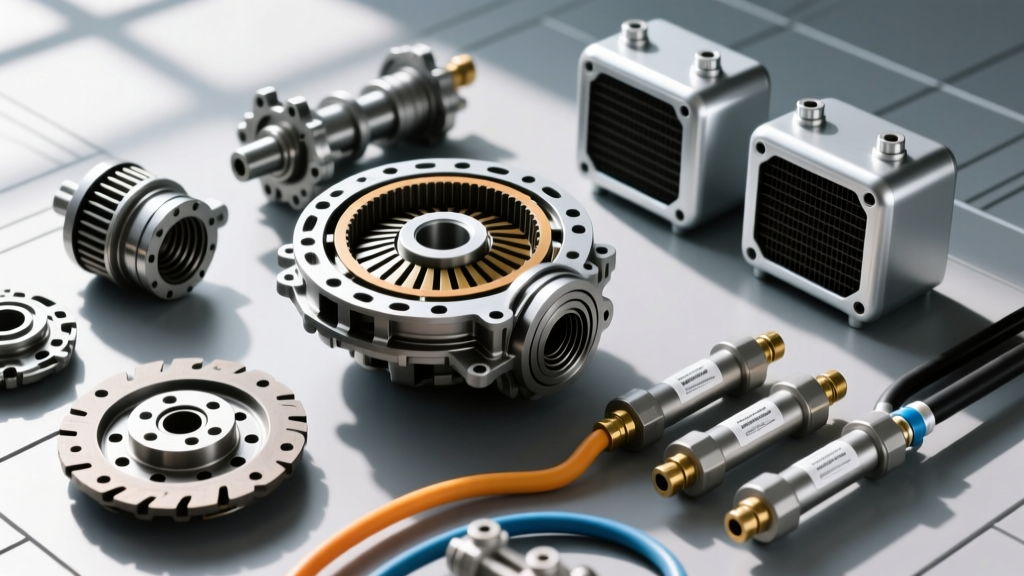
The factory radiator-integrated transmission cooler is designed for light-duty commuting, not sustained towing or high-stall torque converter operation. For vehicles equipped with a 4L60E, 6L80, or Allison 1000, adding a standalone plate-and-fin or stacked-plate cooler is mandatory. The Hayden Automotive 678 Rapid-Cool is an industry standard, offering a 24,000 GVW rating. Stacked-plate designs are superior to older tube-and-fin models because they force fluid through a turbulent path, increasing the surface area contact with the aluminum fins and shedding heat up to 30% faster.
Installation Note: Always plumb the auxiliary cooler after the factory radiator cooler. The fluid should leave the transmission, go to the radiator (for initial heat shedding and cold-weather warming), then to the auxiliary cooler, and finally back to the transmission lube circuit.
2. Thermal Bypass Valve Deletes: The GM 6L80/6L90 Fix
One of the most notorious torque converter issues symptoms in the GM 6L80 and 6L90 platforms is the 'cold shudder' or highway overheating, directly caused by the factory thermal bypass valve. Located in the cooler line fitting on the transmission case, this valve is designed to block fluid from reaching the cooler until the ATF reaches 185°F, aiming to improve cold-start emissions. However, the internal wax pellet frequently degrades, or the valve sticks in the closed position. When this happens, the torque converter is entirely starved of cooling, causing fluid temperatures to spike past 260°F during highway driving.
The Sonnax Technical Resources division offers a permanent fix: the Sonnax 44912-01K Thermal Bypass Valve Delete. By replacing the restrictive, failure-prone OEM valve with this solid, free-flowing aluminum delete, you ensure 100% of the cooler flow reaches the torque converter at all times. This $50 upgrade has saved countless 6L90 converters from catastrophic TCC failure.
3. High-Performance Synthetic ATFs
Conventional and semi-synthetic ATFs begin to shear and lose their friction modifiers rapidly once they cross the 225°F mark. For high-stall torque converters (2500+ RPM) or vehicles utilizing the ZF 8HP70's micro-slip TCC strategy, upgrading to a full synthetic fluid like AMSOIL Signature Series or Red Line D6 is critical. These fluids utilize polyalphaolefin (PAO) base stocks that resist thermal oxidation up to 280°F, preserving the precise friction coefficients required for smooth TCC lockup and preventing the shudder associated with degraded fluid.
Installation Specs & Hydraulic Pressures
When upgrading your cooling system to resolve overheating symptoms, precision during installation is required to prevent hydraulic leaks that will destroy a transmission in miles.
- Cooler Line Fittings: Most GM and Ford applications use 3/8' inverted flare or quick-connect fittings. If using inverted flare, torque the cooler line nuts to 15-20 lb-ft. Over-torquing will crack the aluminum cooler end-caps or strip the transmission case threads.
- Thread Sealant: If your cooler requires adapting to 1/4' NPT ports on the transmission case, use a high-temperature hydraulic thread sealant (like Loctite 567). Never use standard Teflon tape, as shredded pieces can migrate into the valve body and jam the TCC apply valve.
- Flow Testing: After installation, verify cooler flow. A healthy 6L80 or 4L60E lube circuit should push roughly 1 to 1.5 quarts of fluid per minute through the cooler lines at idle. If flow is restricted, check for a crushed line or a clogged Magnefine filter.
- TCC Apply Pressure: Using a transmission pressure gauge on the TCC apply port, you should see 110-140 PSI at highway cruising speeds (lockup engaged). If pressures are low despite a healthy pump, the TCC piston seals have likely hardened from previous overheating events, necessitating a converter rebuild or replacement.
Final Verdict: Building a Heat-Resistant Drivetrain
Ignoring torque converter issues symptoms related to heat will inevitably lead to a $2,500+ transmission replacement. By diagnosing thermal bottlenecks early, deleting restrictive OEM bypass valves on GM platforms, installing a high-efficiency stacked-plate cooler, and filling the system with a robust synthetic ATF, you can easily drop operating temperatures by 40°F to 60°F. This proactive, comparative approach to drivetrain cooling ensures your torque converter and TCC friction materials survive the demands of modern towing and performance driving well past the 200,000-mile mark.