The 6F35 Architecture: Answering the One-Way Clutch Question
When diagnostic technicians and Escape owners research the 2015 Ford Escape transmission 6F35 number of one way clutches, they are often attempting to isolate the source of intermittent slipping, delayed engagements, or sudden loss of drive. To diagnose these issues accurately in 2026, we must first clarify the internal architecture of the Ford 6F35 6-speed automatic transmission.
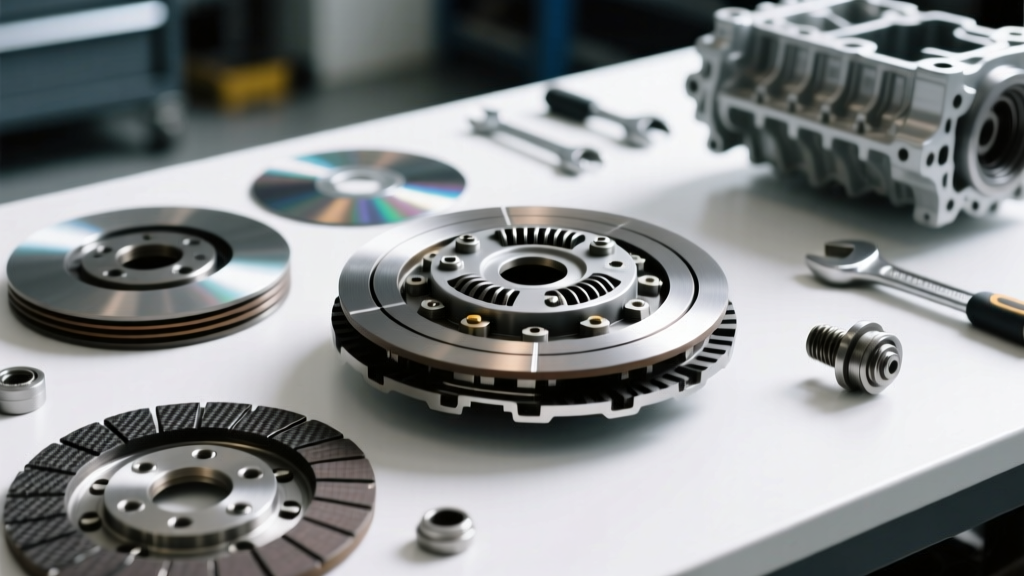
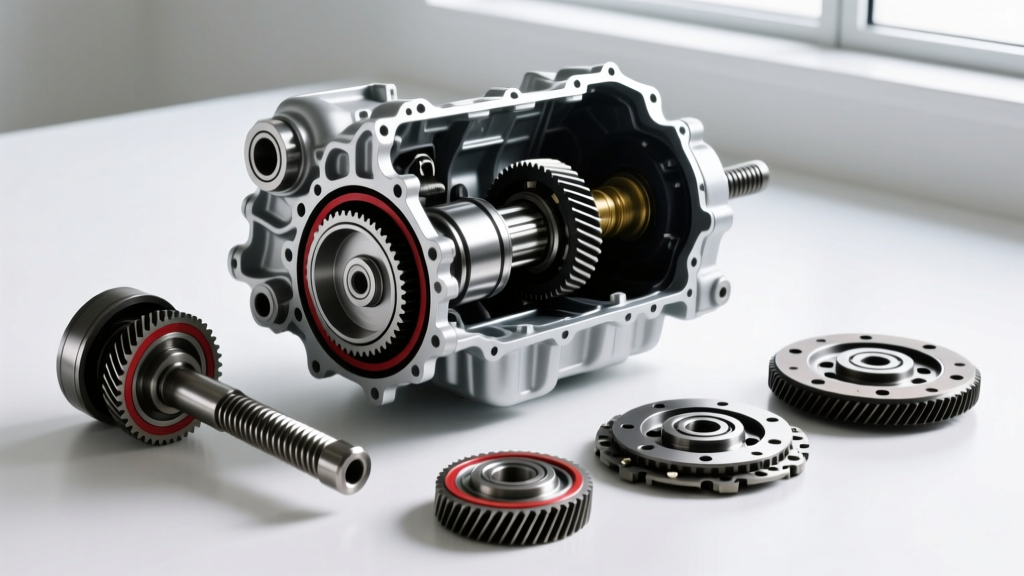
Unlike older 4-speed and 5-speed automatics that relied heavily on sprag-type one-way clutches to manage shift timing and engine braking, the 6F35 utilizes a clutch-to-clutch shifting strategy. The transmission features five primary multi-disc friction clutch packs (designated A, B, C, D, and E) and zero traditional sprag one-way clutches. However, to manage low-speed engine braking and reverse lockup, the 6F35 incorporates one mechanical diode assembly (often referred to in Ford service manuals as the Low/Reverse roller clutch or mechanical diode).
Therefore, the exact answer to the number of one-way clutches in the 6F35 is one mechanical diode, supported by five electronically modulated friction packs. Understanding this distinction is critical, because when a 2015 Ford Escape experiences intermittent forward slip or a harsh 1-2 shift, technicians mistakenly look for a failing sprag, when the true culprit is usually clutch hub spline wear, solenoid screen debris, or diode fatigue.
Why Intermittent Clutch Problems Occur in the 2015 Escape
Intermittent transmission symptoms are notoriously difficult to pin down because they often depend on fluid temperature, line pressure variance, and thermal expansion. In the 2015 Ford Escape equipped with the 1.5L or 2.0L EcoBoost engine, the 6F35 is subjected to high torque loads, leading to specific failure modes.
The Notorious Clutch Hub Spline Wear
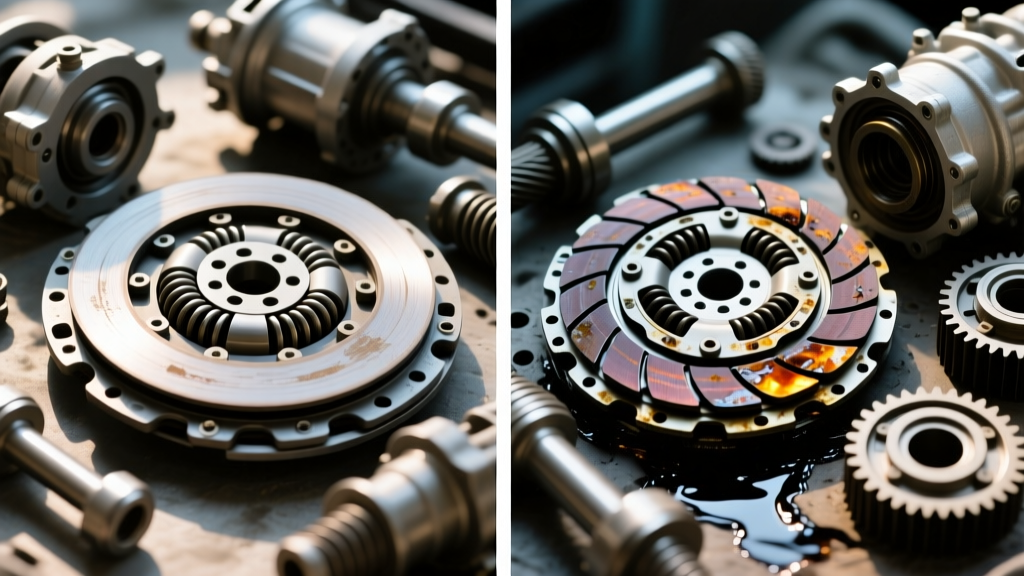
The most common cause of intermittent drive loss or slipping in the 6F35 is the stripping of the aluminum clutch hub splines. The friction plates feature steel inner teeth that mate with an aluminum hub. Over time, and exacerbated by aggressive EcoBoost torque delivery, the steel plates chew into the softer aluminum hub.
- Cold Symptom: When the transmission is cold, thermal contraction keeps the splines tightly engaged. The vehicle shifts normally.
- Hot Symptom: As the transmission reaches operating temperature (180°F - 200°F), the aluminum hub expands. The splines lose their interference fit, causing an intermittent, sudden loss of forward drive (often felt in 3rd or 4th gear) before abruptly re-engaging with a harsh clunk.
Valve Body Solenoid & Fluid Degradation
The 6F35 relies on Motorcraft MERCON LV (XT-10-QLVC) fluid. By 2026, many of these vehicles have surpassed 120,000 miles. If the fluid has not been exchanged, the friction modifier package breaks down, leading to intermittent shudder during the torque converter lockup phase (TCC slip). Furthermore, microscopic clutch material bypasses the filter and lodges in the shift solenoid screens, causing intermittent harsh 2-3 or 4-5 shifts.
"When an Escape owner complains of a slip that only happens after 30 minutes of highway driving, I immediately suspect thermal expansion on a worn clutch hub or a temperature-sensitive pressure control solenoid (PCS). Sprags and diodes don't typically fail intermittently based on heat; they either hold or they break." — Senior Transmission Rebuilder, ATSG Certified
Diagnostic Matrix: Intermittent Symptoms vs. Root Causes
Use the following diagnostic table to cross-reference the customer's complaint with the likely internal 6F35 component failure.
| Intermittent Symptom | Gear Affected | Probable Root Cause | Primary Diagnostic Test |
|---|---|---|---|
| Sudden loss of drive, then harsh clunk | 3rd, 4th, or 5th | Aluminum Clutch Hub Spline Wear | Visual inspection of hub splines during teardown; check for aluminum flakes in pan. |
| Harsh 2-3 shift when hot | 2-3 Shift | Debris in Shift Solenoid B Screen | Drop pan, inspect for clutch material; test solenoid resistance (1.5 - 2.5 ohms). |
| Engine braking loss in 1st gear | 1st Gear (Decel) | Mechanical Diode (One-Way) Failure | Coast-down test; if vehicle freewheels in 1st but holds in Reverse, diode is failed. |
| TCC shudder at 45-55 MPH | Lockup (4th-6th) | Degraded MERCON LV Fluid / TCC Valve Bore Wear | Monitor TCC slip RPM via OBD2; check for valve body bore scoring. |
| Delayed Reverse engagement | Reverse | Low/Reverse (E) Clutch Piston Seal Leak | Perform reverse stall test; compare line pressure to spec (90-110 PSI). |
Step-by-Step Troubleshooting Protocol
Before authorizing a $3,000+ transmission rebuild, perform these non-invasive diagnostic steps to confirm the root cause of the intermittent clutch issues.
1. Fluid Analysis & Line Pressure Testing
Connect a 0-300 PSI transmission pressure gauge to the 6F35 line pressure test port (located on the top of the transmission case, near the shift cable bracket).
- Forward (Drive) Idle Pressure: Should read between 55 - 65 PSI.
- Reverse Idle Pressure: Should read between 90 - 110 PSI.
- Stall Pressure (Drive): Should spike to 230 - 260 PSI.
If the pressure is within spec but the vehicle still slips intermittently when hot, the hydraulic system is functioning correctly, confirming a mechanical failure (like the clutch hub splines) inside the bell housing.
2. Solenoid Electrical Diagnostics
The 6F35 uses a molded lead frame and solenoid pack. Using a multimeter, measure the resistance across the shift solenoid pins at the external transmission connector. Shift solenoids should read between 1.5 and 2.5 ohms at room temperature. Pressure Control Solenoids (PCS) will read slightly higher, typically 3.0 to 5.0 ohms. An intermittent open circuit when the engine bay heats up indicates a failing solenoid coil, requiring a lead frame replacement.
Repair Costs & Component Data (2026 Market Rates)
If your diagnosis points to internal mechanical wear, here is what you can expect regarding parts and pricing for the 6F35 platform.
- Full Rebuild (Clutch Hub & Master Kit): $2,800 - $3,600. This includes replacing the stripped aluminum hubs with updated billet or reinforced steel hubs (available via aftermarket suppliers like Sonnax or Precision), a master overhaul kit (Alto or Raybestos), and a new mechanical diode assembly.
- Valve Body / Solenoid Pack Replacement: $450 - $750 (Parts and Labor). Recommended if diagnostics confirm solenoid screen clogging or bore wear causing intermittent shift flares.
- Fluid & Filter Service: $180 - $250. Requires 4.5 to 5.5 quarts of Motorcraft MERCON LV for a standard pan drop. Torque the 14 pan bolts to 106 in-lbs (12 Nm).
For deeper technical schematics and clutch apply charts, technicians should consult the Automatic Transmission Service Group (ATSG) 6F35 manual or review the latest valve body modification tech notes on Sonnax's 6F35 Tech Resources page. Accurate diagnosis of the 6F35 requires moving past the myth of traditional one-way sprags and focusing on the reality of clutch-to-clutch timing and spline integrity.