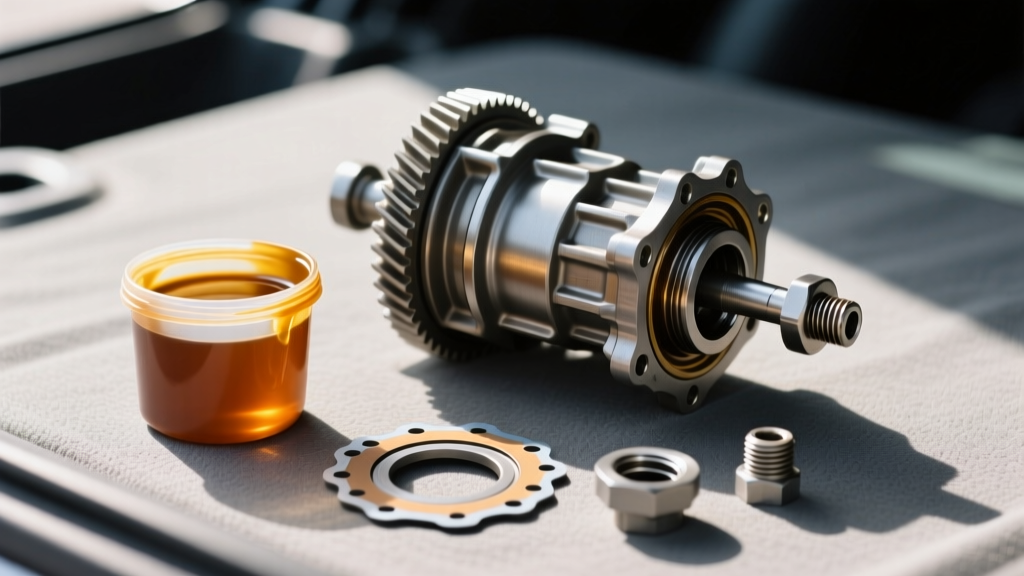
The Drivetrain Chain: Where the Transfer Case Meets the Differential
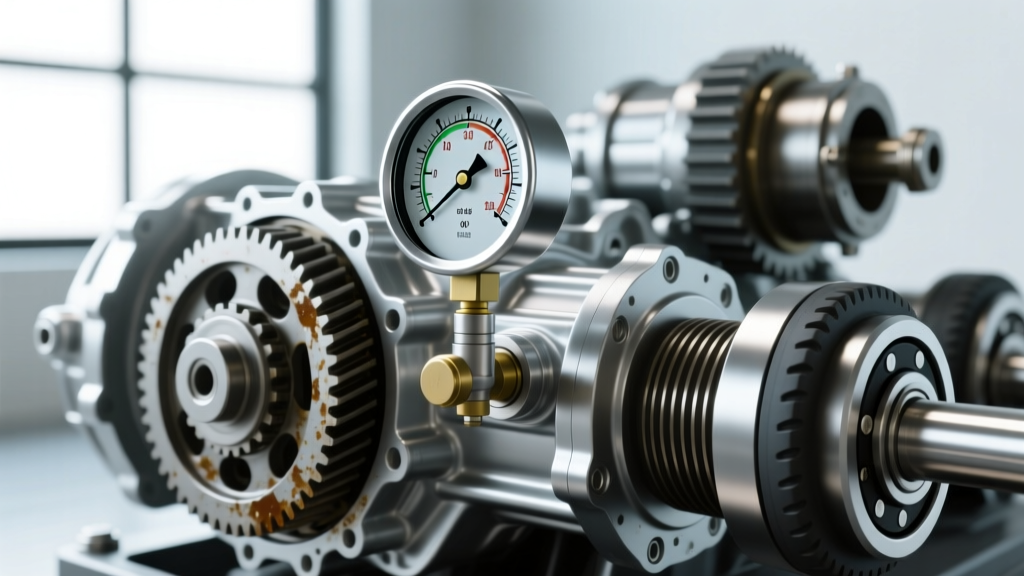
For beginners diving into 4WD and AWD vehicle maintenance, the underside of a truck or SUV can look like a maze of heavy metal housings. To understand how to properly maintain your rig, you first need to understand the path of power. In a traditional front-engine, rear-wheel-drive-based 4WD system, torque flows from the engine into the transmission, then directly into the transfer case. The transfer case acts as a mechanical traffic cop, splitting that torque between the front and rear driveshafts. Finally, those driveshafts deliver the rotational force to the front and rear differentials, which multiply the torque via ring and pinion gears and allow the wheels to spin at different speeds around corners.
Because these components work in tandem to conquer off-road trails and tow heavy loads, many newcomers mistakenly assume they all share the same internal lubrication. However, understanding the distinct roles of transfer case fluid and differential fluids is critical to preventing catastrophic drivetrain failure. As of 2026, modern synthetic lubricants are highly specialized, and using the wrong fluid in the wrong housing is one of the most common—and expensive—mistakes DIYers make.
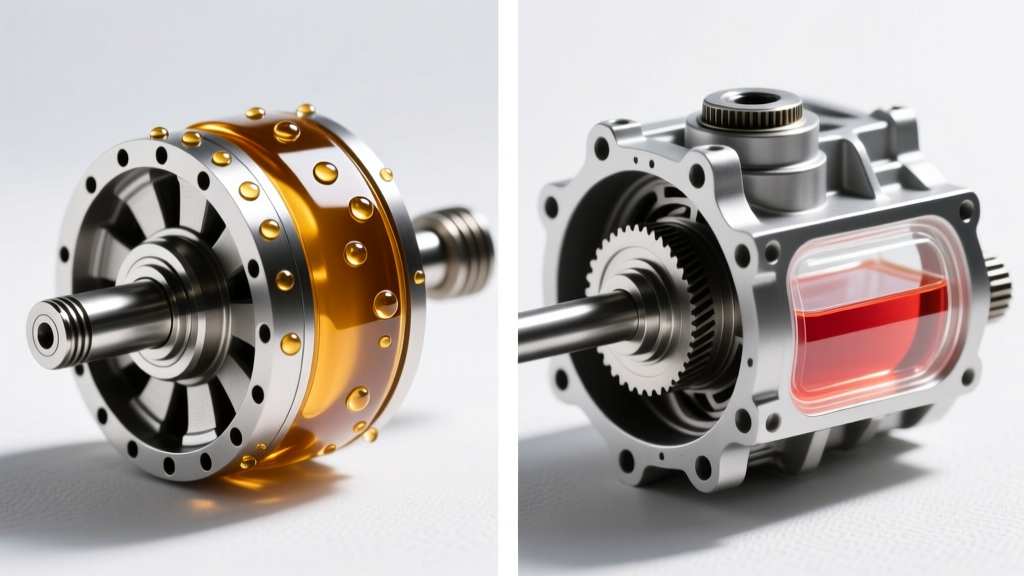
Do Transfer Cases and Differentials Share Fluid?
The short answer for 95% of modern trucks and SUVs is no. The transfer case and the axles are entirely sealed, separate units with distinct drain and fill plugs. However, automotive history and specific AWD architectures feature a few exceptions that every enthusiast should know.
| System Type | Fluid Architecture | Common Examples | Maintenance Strategy |
|---|---|---|---|
| Modern Part-Time 4WD | Completely Separate Sumps | Chevy Silverado (NV246), Ford F-150 (BW4406), Jeep Wrangler (NV241) | Requires separate drain/fill procedures using different fluid chemistries. |
| Vintage Gear-Driven 4WD | Separate, but shares fluid viscosity | Ford NP205, Dodge NP205 | Both transfer case and diffs often use 80W-90 GL-5 gear oil. |
| Integrated AWD Transaxles | Shared Sump (Trans & Front Diff) | Subaru Symmetrical AWD, Honda CR-V (AWD), Toyota RAV4 | Front differential shares fluid with the automatic transmission (ATF/CVT fluid). |
According to drivetrain engineering data from BorgWarner, modern chain-driven transfer cases require specific friction modifiers to keep the internal clutch packs (used for Auto-4WD modes) engaging smoothly, which is fundamentally incompatible with the extreme-pressure additives required by hypoid differential gears.
The Chemistry of Lubrication: Why You Cannot Swap Them
To understand why you must buy two different types of fluid when servicing your 4WD system, we have to look at the mechanical forces at play inside each housing.
Hypoid Gear Action and Differential Fluids
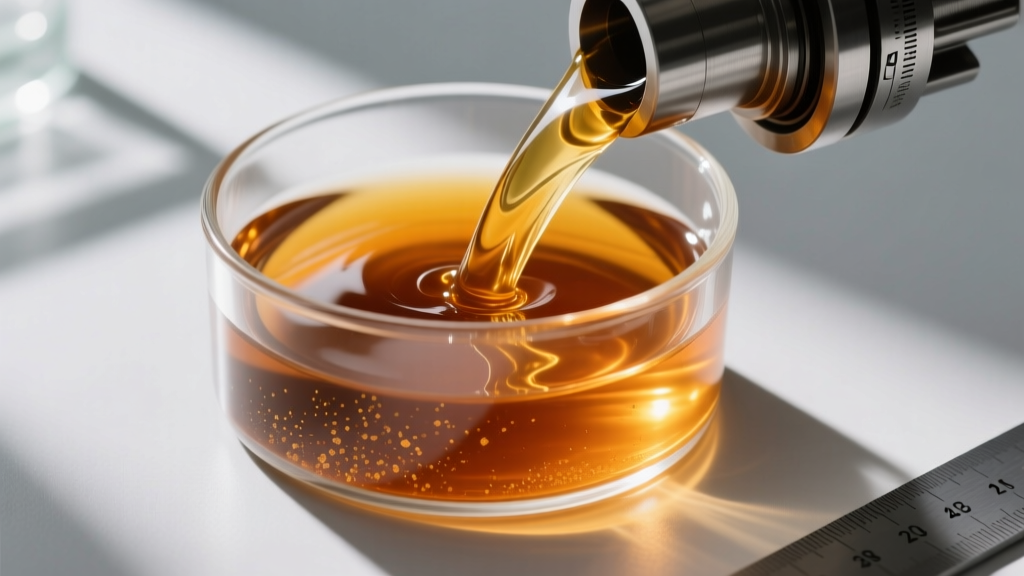
Inside your front and rear axles, the driveshaft connects to a pinion gear that meshes with a large ring gear. In almost all automotive applications, this is a hypoid gear set. The pinion gear sits below the centerline of the ring gear, creating a massive amount of sliding friction alongside rolling friction. To prevent the gear teeth from welding together under heavy towing or rock-crawling loads, differential fluids (typically 75W-90 or 80W-90 GL-5) are packed with Extreme Pressure (EP) additives, primarily Zinc Dialkyldithiophosphate (ZDDP) and Sulfur-Phosphorus compounds. These additives create a sacrificial chemical boundary layer on the metal surfaces. As noted by the gear specialists at Ring & Pinion, running a fluid without adequate GL-5 EP additives will result in rapid gear scoring and whining noises within just a few hundred miles.
Chain-Driven Transfer Cases and ATF
Conversely, modern transfer cases like the NV246 or BorgWarner 4406 use heavy-duty roller chains to transfer power to the front output shaft. They also contain internal planetary gearsets and, in many cases, electronic clutch packs for active torque vectoring. These components require fluids with high anti-foaming properties, specific friction coefficients, and excellent thermal stability. Therefore, most modern transfer cases require either a specific proprietary fluid (like GM's AutoTrak II) or a standard Automatic Transmission Fluid (ATF) like Dexron VI or Mercon V. The sulfur found in GL-5 differential fluids can actually corrode the yellow metals (bronze bushings and synchronizers) found inside some transfer cases.
Real-World Service Guide: 2018-2026 GM Light Duty 4WD
Let's apply this to a real-world scenario. If you are servicing a 2018-2023 Chevrolet Silverado 1500 equipped with the 6L80 transmission, NV246 transfer case, and a GM 9.5-inch semi-floating rear differential, here are the exact specifications, capacities, and torque values you need.
| Component | Fluid Specification | Capacity | Fill/Drain Plug Torque | Estimated DIY Cost (2026) |
|---|---|---|---|---|
| NV246 Transfer Case | GM AutoTrak II (P/N 88900401) | 2.0 Quarts | 15 lb-ft | $25 - $40 |
| GM 9.5" Rear Differential | 75W-90 Synthetic GL-5 | 3.5 Pints (1.75 Qts) | Cover Bolts: 25 lb-ft | $30 - $50 |
| GM 8.25" IFS Front Differential | 75W-90 Synthetic GL-5 | 2.4 Pints (1.2 Qts) | Fill Plug: 24 lb-ft | $20 - $35 |
Crucial Service Tip: When servicing differentials that use a liquid gasket (RTV silicone) instead of a reusable rubber gasket or pre-formed cover, you must thoroughly clean the mating surfaces with brake cleaner and use a high-quality RTV (like Permatex Black or Grey). Furthermore, if your vehicle is equipped with a limited-slip differential (G80 locking rear or aftermarket clutch-type), you may need to add a specific friction modifier additive (e.g., GM P/N 88900338) to prevent chatter during tight turns.
Failure Modes: The Cost of Cross-Contamination and Neglect
What happens if you ignore the relationship between these components or accidentally swap the fluids? The results are financially devastating.
- Putting GL-5 Gear Oil in a Chain-Driven Transfer Case: The high viscosity of 75W-90 gear oil will cause the internal transfer case fluid pump to cavitate, starving the main roller chain of lubrication. This leads to 'chain stretch' (actually wear on the sprocket teeth and chain pins), resulting in a loud clunking noise when shifting from Reverse to Drive. A transfer case rebuild or replacement costs between $1,200 and $2,500.
- Putting ATF in a Hypoid Differential: ATF lacks the extreme-pressure sulfur-phosphorus boundary layer required for hypoid sliding friction. Under heavy load (like towing a 7,000 lb trailer up a grade), the fluid film will shear, leading to metal-on-metal contact. The pinion bearing will fail first, emitting a high-pitched whine that mimics a supercharger, followed by catastrophic ring and pinion tooth shearing. A complete differential rebuild with new bearings, seals, and gear sets easily exceeds $1,800 to $3,000 in parts and labor.
- Neglecting the Front Differential: Because the front differential only spins under load in 4WD, many owners forget it exists. However, water intrusion through a compromised axle tube breather vent or a leaking pinion seal will turn the gear oil into a milky, useless emulsion. Changing differential fluids every 30,000 to 50,000 miles is mandatory to flush out microscopic metallic particulates from the break-in period.
Pro-Mechanic Tip: Always remove the fill plug before you remove the drain plug on any transfer case or differential. If the fill plug is seized or stripped, you do not want to discover this only after you have drained three quarts of fluid onto your shop floor, leaving the vehicle completely immobile.
Final Thoughts on Drivetrain Harmony
The transfer case and the differententials are a team, but they play entirely different sports. The transfer case manages torque distribution and clutch-pack engagement using specialized, lower-viscosity fluids like ATF or AutoTrak II. The differententials manage extreme sliding gear pressures using thick, additive-heavy GL-5 differential fluids. By understanding this mechanical relationship and adhering to exact torque specs and fluid capacities, you can ensure your 4WD system survives the harshest environments well past the 200,000-mile mark. For further reading on synthetic lubricant shear stability and EP additive formulations, consult the technical whitepapers available at AMSOIL Technical Services.