The Anatomy of a Limited Slip Differential in the 5th Gen Platform
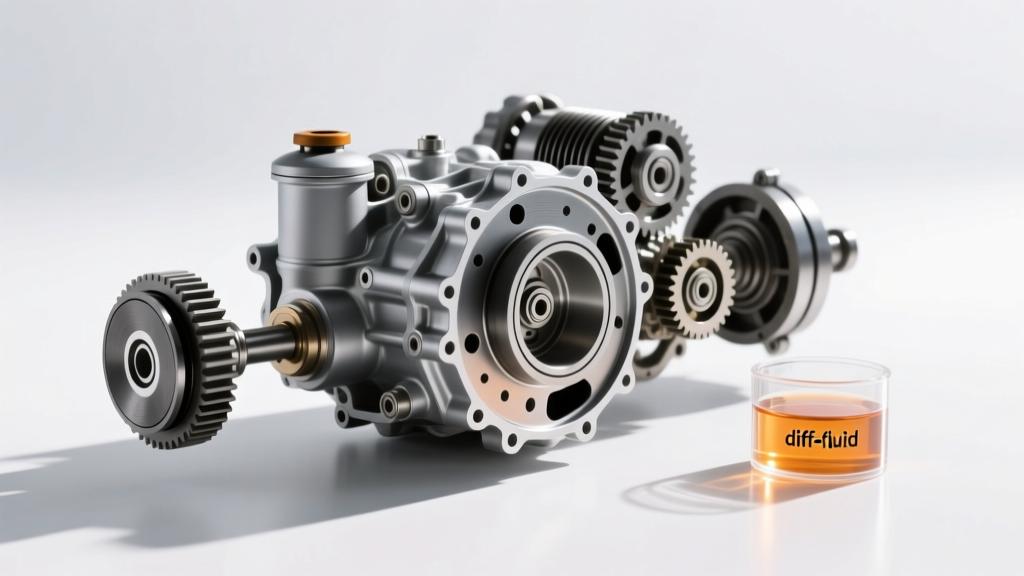
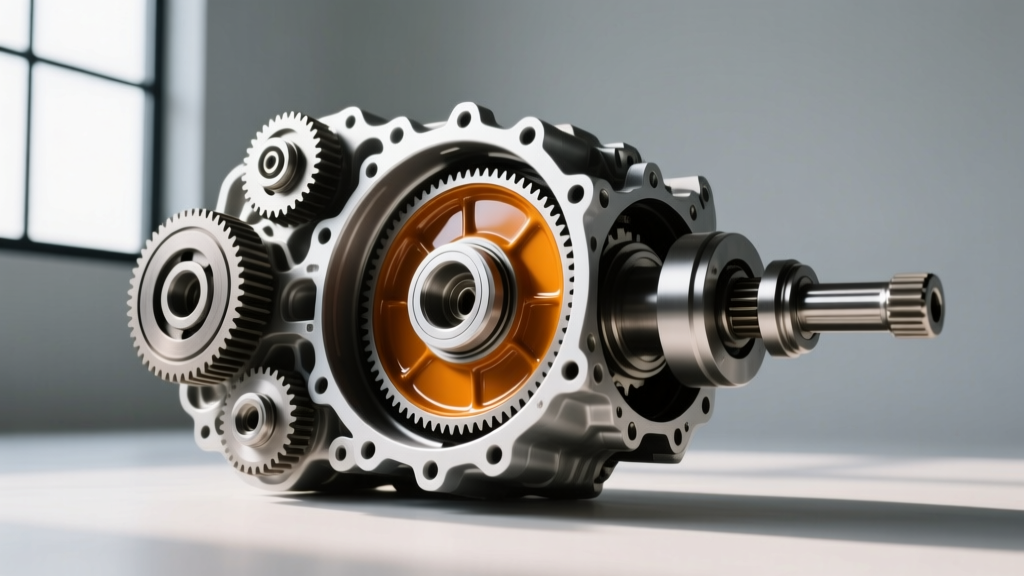
When enthusiasts upgrade their rigs for off-road capability or enhanced towing stability, swapping the factory open differential for a Limited Slip Differential (LSD) is a common modification. However, performing a 5th gen 4runner differential fluid change on an axle equipped with an LSD requires a fundamentally different approach than servicing a standard open unit. To understand the maintenance requirements, we must first examine the internal mechanics of the LSD.
In the context of the Toyota 8-inch rear axle found in the 5th Generation 4Runner (2010-2024), aftermarket LSDs generally fall into two categories: clutch-type and gear-type.
Clutch-Type LSDs (e.g., TRD, Auburn, Eaton Detroit Locker in LSD mode)
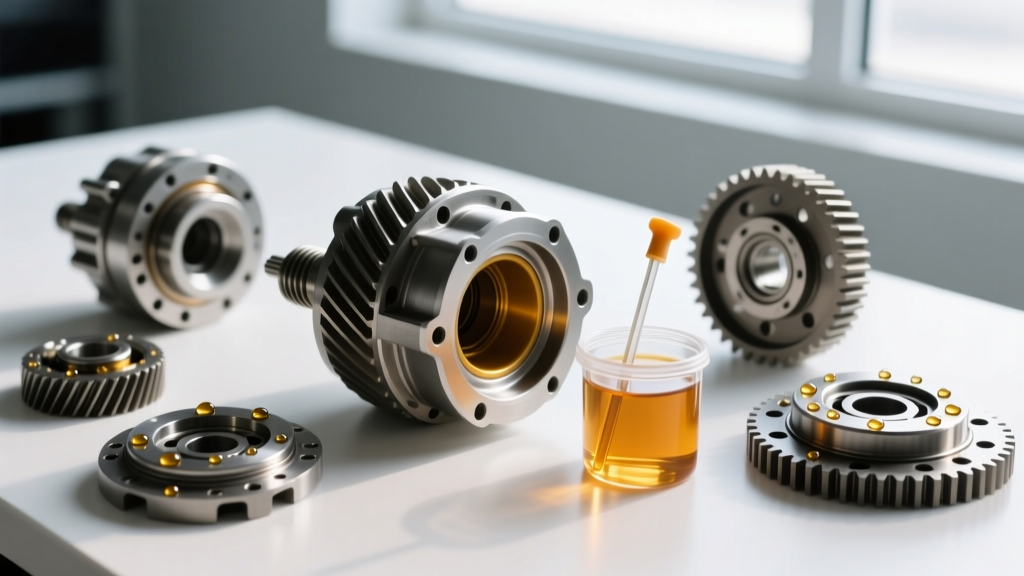
Clutch-type differentials utilize a series of alternating friction and steel clutch plates positioned behind the side gears. A preload spring or S-shaped ramp mechanism applies pressure to these packs, forcing them to lock together when torque is applied. Over time, the friction material degrades, and the gear oil becomes saturated with microscopic metallic and composite particulates. This degradation directly impacts the locking threshold and leads to the notorious 'chatter' during low-speed cornering.
Gear-Type LSDs (e.g., Detroit TrueTrac, Torsen)
Gear-type units rely on helical worm gears and side gears to create torque bias. Because they operate purely on gear mesh and friction inherent to the helical cut, they do not contain wearable clutch packs. Consequently, their fluid maintenance is less sensitive to chemical additives but highly dependent on the extreme pressure (EP) additives found in GL-5 gear oils to protect the gear teeth under high-load binding scenarios.
The 'No Drain Plug' Dilemma: A Toyota 8-Inch Quirk
The most critical piece of E-E-A-T knowledge for any technician or DIYer tackling a 5th gen 4runner differential fluid change on the rear axle is the housing design. The factory Toyota 8-inch rear axle utilizes a 'drop-out' third-member design. Unlike the front clamshell differential or the rear axles of domestic trucks (which feature a bolt-on cover and a dedicated drain plug), the factory rear axle housing does not have a drain plug.
Many generic internet guides mistakenly instruct owners to 'remove the rear drain plug.' This is physically impossible on a stock housing. You have two legitimate service paths:
- The Fluid Evacuation Method (Standard): Using a manual or pneumatic fluid transfer pump to siphon the degraded 75W-90 gear oil out through the fill plug hole.
- The Third-Member Drop (Deep Clean): Unbolting the 12mm nuts securing the third member to the axle housing, dropping the entire assembly to dump the fluid, clean out metallic sludge from the ring gear pockets, and reseal with a new gasket. This is recommended every 60,000 miles or after deep water fording.
Friction Modifiers and Gear Oil Specifications
Selecting the correct fluid is where most LSD services fail. Using the wrong fluid in a clutch-type LSD will result in immediate clutch chatter, accelerated wear, and eventual failure of the friction discs. Below is a matrix detailing the fluid and additive requirements based on the specific LSD installed in your 4Runner.
| LSD Type | Base Gear Oil Spec | Friction Modifier Required? | Recommended Additive / Part # |
|---|---|---|---|
| Open Differential | API GL-5 75W-90 | No | N/A |
| Clutch-Type (TRD/Auburn) | API GL-5 75W-90 | Yes (Critical) | Toyota LSD Additive (08885-81080) or Lubegard 70902 |
| Gear-Type (TrueTrac/Torsen) | API GL-5 75W-90 | No (Do Not Use) | N/A (Modifier reduces gear biasing friction) |
| E-Locker (Factory 4Runner) | API GL-5 75W-90 | No | N/A (Operates as open diff when unlocked) |
Source reference: For precise OEM torque and fluid specifications, always cross-reference with Toyota Technical Information System (TIS).
Step-by-Step Rear LSD Fluid Service Procedure
Assuming you are performing the standard evacuation method on a clutch-type LSD, follow these exact parameters to ensure a factory-correct service.
1. Preparation and Extraction
- Tools Required: 24mm socket, 1/2-inch drive torque wrench, fluid transfer pump, catch pan, new aluminum crush washer (Toyota Part # 90430-24003).
- Warm the Fluid: Drive the 4Runner for 15 minutes to bring the differential up to operating temperature (approx. 140°F). Warm fluid suspends metallic particulates and flows significantly faster through the extraction tube.
- Remove Fill Plug: Locate the 24mm fill plug on the driver's side of the rear axle housing. Remove it and install the new crush washer immediately to avoid losing it.
- Siphon: Insert the extraction tube into the fill hole. Pro-Tip: Curve the tip of the tube downward and toward the pinion bearing to extract the maximum volume of fluid and sludge.
2. Flushing (Optional but Recommended)
If the extracted fluid smells severely burnt or contains high volumes of clutch material (indicated by a dark, muddy brown color rather than standard metallic black), flush the housing. Pump in 1 quart of cheap ATF or dedicated axle flush, run the vehicle in tight figure-8 patterns on dirt, and re-extract.
3. Refilling and Additive Mixing
- Capacity: The Toyota 8-inch rear differential holds approximately 3.2 quarts (3.0 Liters).
- Additive First: If running a clutch-type LSD, pour the entire bottle of friction modifier (typically 4 oz) into the fill hole before adding the base gear oil. This ensures the modifier pools at the bottom and is drawn directly into the clutch packs.
- Base Oil: Pump in a high-quality synthetic 75W-90 GL-5 gear oil (e.g., Amsoil Severe Gear or Mobil 1 Synthetic) until the fluid level reaches the absolute bottom of the fill plug threads.
4. Torque and Sealing
Reinstall the fill plug with the new crush washer. The factory torque specification for the 8-inch rear differential fill plug is 37 ft-lbf (50 Nm). Do not overtighten, as the aluminum threads on the third-member housing are prone to stripping.
Diagnosing LSD Chatter Post-Service
After completing a 5th gen 4runner differential fluid change on a clutch-type LSD, you may experience low-speed binding or 'chatter' when turning the steering wheel. This is a common occurrence caused by air pockets trapped within the clutch packs or the friction modifier not yet fully bonding to the clutch linings.
The Figure-8 Break-In Procedure:
- Find a safe, paved, empty parking lot.
- Drive the 4Runner in tight, continuous figure-8 patterns at 5-10 MPH.
- Perform 10 to 15 full cycles. This forces the side gears to articulate, pumping the newly mixed fluid and friction modifier directly into the clutch pack cavities while bleeding out trapped air.
- Allow the axle to cool for 30 minutes, then re-evaluate. If chatter persists, an additional 2 oz of friction modifier may be required, indicating worn clutch packs that may need a physical rebuild.
For comprehensive teardown guides and aftermarket LSD installation tolerances, consult the engineering resources at Yukon Gear & Axle or the extensive community archives on IH8MUD. Proper maintenance of your limited slip differential ensures that your 4Runner maintains optimal traction biasing, whether you are crawling over slick rock or towing a heavy trailer through a rainstorm.