The Heavy-Duty Powertrain Debate: Automatic vs. Manual Upgrades
When engineering a high-horsepower diesel swap or building a big-block Chevy street truck, the drivetrain is the ultimate bottleneck. In 2026, the debate among performance builders frequently narrows down to two legendary platforms: General Motors' heavy-duty automatic, the 4L80E, and the formidable manual option, the New Venture Gear 5600. While a comprehensive nv5600 transmission rebuild remains a popular route for Cummins-powered purists seeking mechanical engagement, the 4L80E has evolved into the undisputed king of high-horsepower automatic swaps. This guide provides an in-depth 4L80E transmission rebuild blueprint, contrasting its performance capabilities, upgrade paths, and real-world costs against the manual NV5600 benchmark.
Blueprinting the 4L80E: Hard Parts and Rotating Assembly
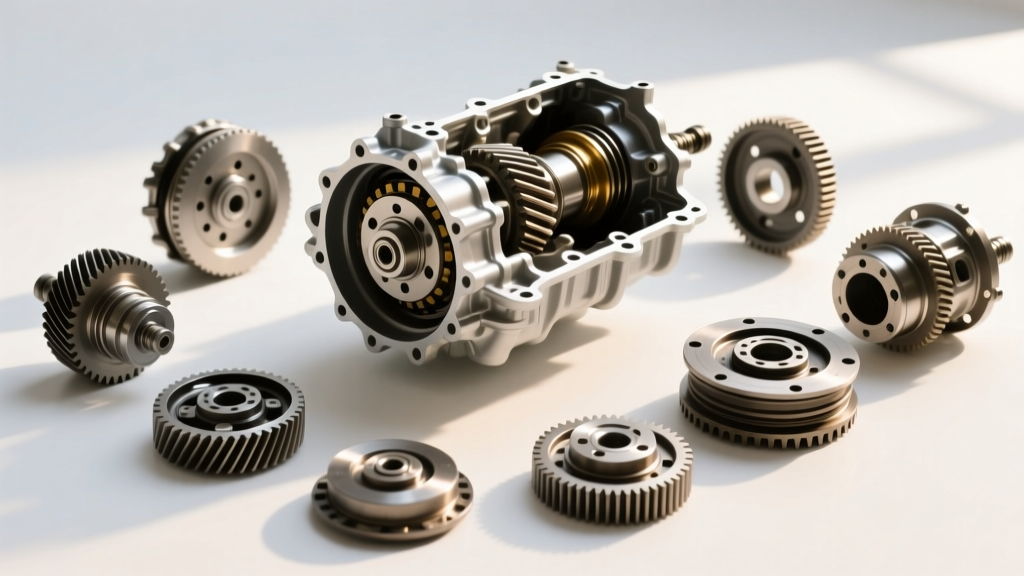
The 4L80E is essentially a TH400 with an overdrive gear and electronic controls. Its massive cast-iron case and robust geartrain provide an incredible foundation, but the OEM hard parts will shatter under the torque of modern modified diesels or forced-induction V8s. A true performance 4L80E rebuild requires addressing the inherent weak points in the rotating assembly.
Billet Shafts and Drum Upgrades
The factory input shaft is prone to twisting and snapping when subjected to shock loads from aggressive torque converter lockup or trans-brake releases. Upgrading to a 300M billet input shaft is mandatory for builds exceeding 800 lb-ft of torque. Furthermore, the direct clutch drum is a known failure point; under high line pressure, the OEM stamped steel drum can crack at the spline base. Installing a billet direct drum ensures the clutch pack remains perfectly aligned, preventing premature friction wear and catastrophic hydraulic leaks.
- Input Shaft: Replace OEM with a 300M or 4340 billet alloy shaft to prevent spline shearing.
- Direct Clutch Drum: Upgrade to billet steel to eliminate cracking under 250+ PSI line pressures.
- Center Support: The OEM center support lube feed hole is too small for high-RPM use. Drilling this feed hole out to 0.055 inches ensures adequate oil volume reaches the rear planetary, preventing burnout during sustained high-speed pulls.
- 34-Element Sprag: The factory 16-element sprag often fails during the 1-2 shift under heavy loads. Swapping to a 34-element sprag and race distributes the load evenly, virtually eliminating intermediate clutch blowouts.
Hydraulics, Clutch Packs, and Shift Kits
Performance isn't just about surviving torque; it is about how quickly and firmly the transmission shifts. Overlapping clutches generate immense heat, which is the primary enemy of automatic transmission fluid (ATF) and friction materials. To combat this, a TransGo HD2 or JR shift kit is essential. These kits recalibrate the valve body to provide aggressive, crisp shifts, drastically reducing clutch overlap and heat generation.
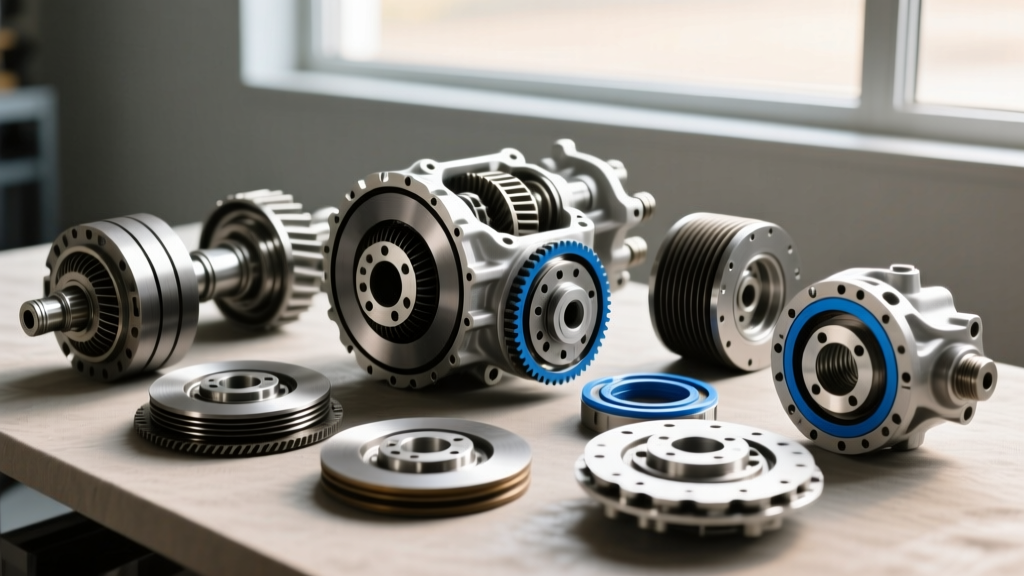
For the clutch packs themselves, standard organic frictions are insufficient. Performance rebuilds utilize high-energy Kevlar or carbon-infused friction discs paired with Kolene-treated steel plates. Kolene steels feature a specialized heat-treatment process that prevents warping and provides superior friction retention under extreme thermal loads. Additionally, modifying the pressure control solenoid (PCS) mapping via TCM tuning software allows builders to command line pressures up to 275 PSI in forward gears, clamping the clutch packs with enough force to handle 1,200+ horsepower without slipping.
The Manual Benchmark: NV5600 Transmission Rebuild Realities
While the 4L80E dominates the automatic sphere, the NV5600 remains a staple for manual transmission enthusiasts, particularly in 1999-2005 Dodge Ram applications with the 5.9L Cummins. However, an nv5600 transmission rebuild is fraught with unique challenges that contrast sharply with the 4L80E's modular upgrade path.
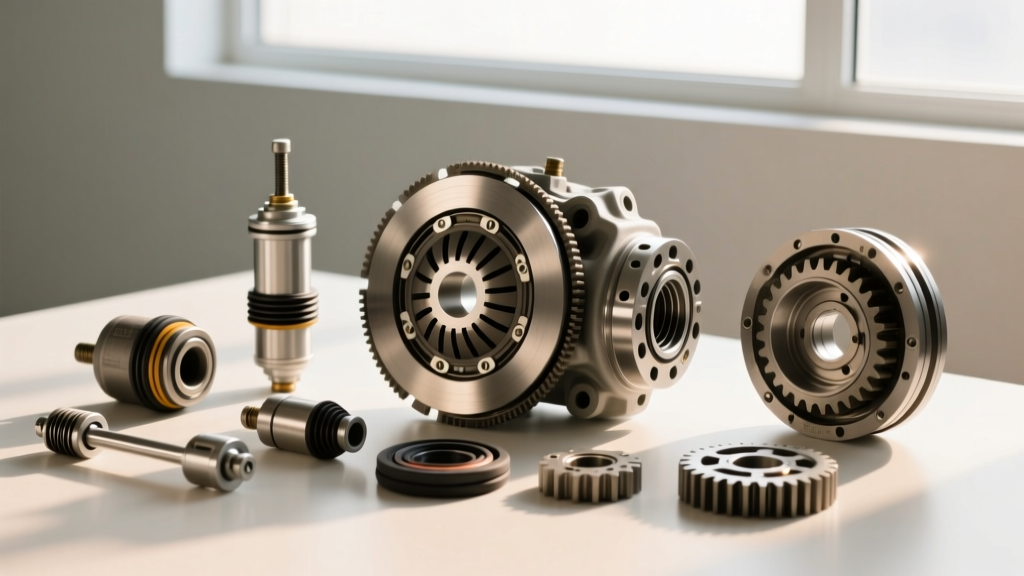
The most notorious flaw of the NV5600 is the OEM main shaft. Under the immense low-end torque of a modified Cummins, the main shaft frequently snaps at the 1st gear journal. A proper performance rebuild requires tearing the unit down and installing a billet 4340 main shaft. Additionally, the OEM carbon-fiber synchro rings are prone to rapid degradation, leading to the infamous 3rd and 4th gear grind. Upgrading to advanced bronze or reinforced carbon-matrix synchros is critical for longevity. Finally, no NV5600 build is complete without a heavy-duty clutch upgrade, such as a dual-disc setup from South Bend Clutch, which provides the necessary clamp load to transfer 600+ lb-ft of torque to the input shaft without pedal effort becoming unmanageable.
2026 Cost Breakdown: 4L80E vs. NV5600 Performance Builds
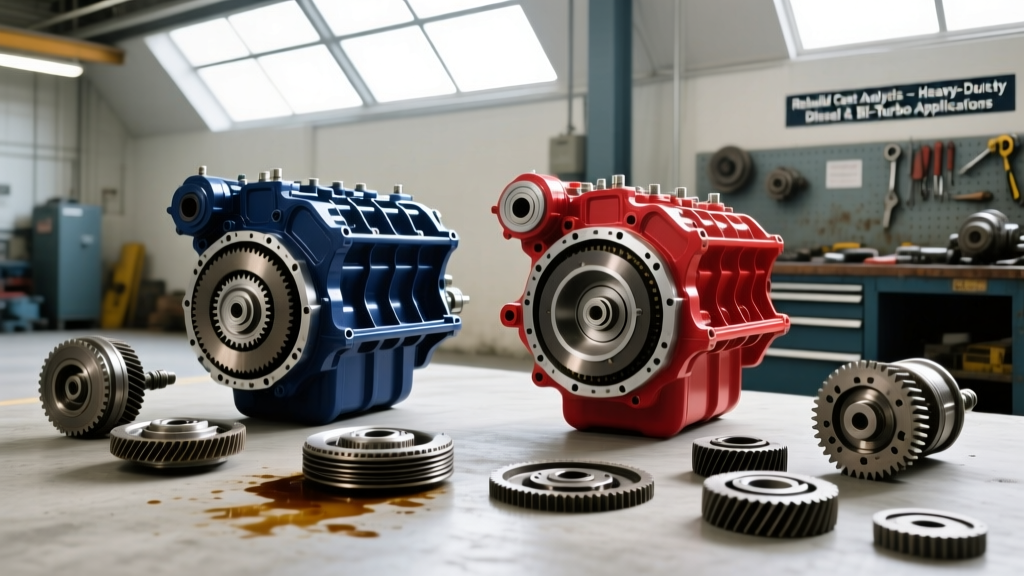
Understanding the financial commitment is crucial for planning your drivetrain swap. Below is a detailed cost comparison for a fully built, performance-oriented 4L80E versus a reinforced NV5600 manual setup, based on current 2026 market pricing for premium components and professional machine work.
| Component / Service | 4L80E Performance Rebuild | NV5600 Performance Rebuild |
|---|---|---|
| Master Overhaul Kit (Frictions/Steels/Seals) | $550 (w/ Kolene Steels) | $650 (w/ Upgraded Synchros) |
| Billet Input / Main Shaft Upgrade | $280 (300M Billet) | $850 (4340 Billet Main Shaft) |
| Heavy-Duty Drum / Hard Parts | $450 (Billet Direct Drum) | N/A |
| Sprag / Clutch Hub Upgrades | $140 (34-Element Sprag) | N/A |
| Shift Kit / Valve Body Mods | $125 (TransGo HD2) | N/A |
| Torque Converter / Clutch Assembly | $1,100 (Billet Triple-Disc) | $1,600 (Dual-Disc Clutch & Flywheel) |
| Professional Assembly & Machine Work | $1,400 | $1,500 |
| Estimated Total Build Cost | $4,045 | $4,600 |
As the data illustrates, building a bulletproof 4L80E is actually more cost-effective than a fully reinforced NV5600 manual setup, primarily due to the exorbitant costs of heavy-duty manual clutches and billet main shafts required to handle modern diesel torque.
Critical Assembly Torque Specifications
Whether you are assembling a 4L80E automatic or an NV5600 manual, precision torque application is non-negotiable. Incorrect torque on valve bodies can warp castings and cause hydraulic cross-leaks, while improper bellhousing torque will lead to catastrophic input shaft misalignment. Always use a calibrated inch-pound and foot-pound torque wrench during assembly.
| Component | Transmission Model | Torque Specification |
|---|---|---|
| Valve Body to Case Bolts | 4L80E | 97 in-lbs (11 Nm) |
| Oil Pan to Case Bolts | 4L80E | 16 ft-lbs (22 Nm) |
| Bellhousing to Engine Block | 4L80E / NV5600 | 37 ft-lbs (50 Nm) |
| Torque Converter to Flexplate | 4L80E | 46 ft-lbs (62 Nm) |
| PTO Cover Plates | NV5600 | 25 ft-lbs (34 Nm) |
| Shifter Base to Transmission | NV5600 | 15 ft-lbs (20 Nm) |
Final Verdict: Choosing Your Drivetrain Path
The decision between a 4L80E and an NV5600 ultimately comes down to your vehicle's intended use case. If you are building a dedicated drag truck, a high-horsepower street/strip machine, or a heavy-duty tow rig that requires seamless power delivery and TCM-controlled line pressure, the 4L80E is the superior choice. By utilizing Sonnax heavy-duty components, billet shafts, and aggressive shift kits, the 4L80E can reliably absorb over 1,200 horsepower while offering the convenience of an automatic.
Conversely, if you are building a traditional off-road rig, a rock crawler, or a purist diesel daily driver where mechanical feedback and engine braking are paramount, the NV5600 remains a legendary platform. However, builders must be prepared for the higher costs and mechanical complexities associated with main shaft upgrades and heavy-duty clutch installations. Whichever path you choose, prioritizing premium hard parts and meticulous assembly clearances will ensure your drivetrain survives the punishment of high-performance driving in 2026 and beyond.