The Core Question: What Does It Mean to Rebuild a Transmission?
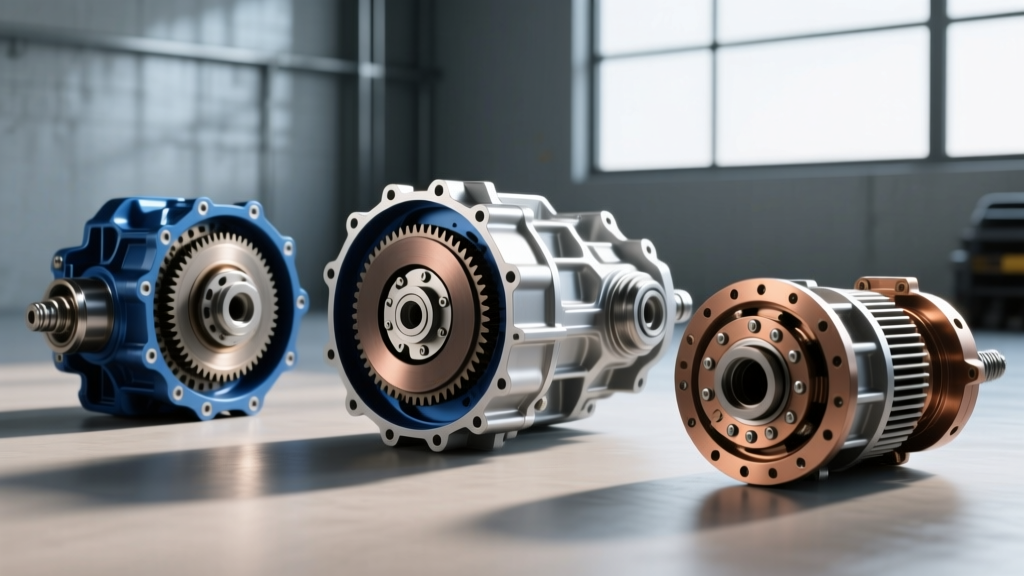
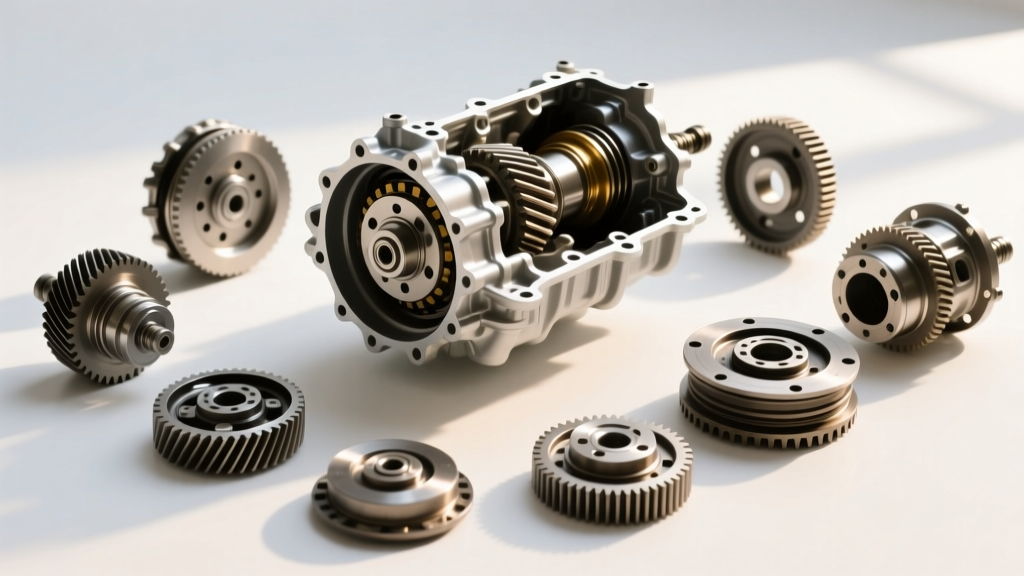
If your vehicle has started slipping, hesitating, or throwing harsh shift codes, your mechanic has likely dropped the phrase 'transmission rebuild.' But for the average driver, the inner workings of an automatic gearbox are a mystery. So, what does it mean to rebuild a transmission? In simple terms, a rebuild is the meticulous process of completely disassembling a transmission, cleaning every component, identifying worn or broken parts, and replacing them with new or re-machined components to restore the unit to factory—or better-than-factory—specifications.
Unlike a simple repair, which might just swap out a faulty solenoid or sensor, a full rebuild addresses the mechanical and hydraulic core of the unit. According to the Automatic Transmission Rebuilders Association (ATRA), a proper rebuild requires specialized tools, precision measuring instruments, and a deep understanding of hydraulic circuits. In 2026, with the rising cost of new vehicles, rebuilding remains one of the most cost-effective ways to keep a reliable truck or car on the road for another 150,000 miles.
The Anatomy of a Rebuild: Soft Parts vs. Hard Parts
To understand the rebuild process, you must understand the two main categories of internal transmission components:
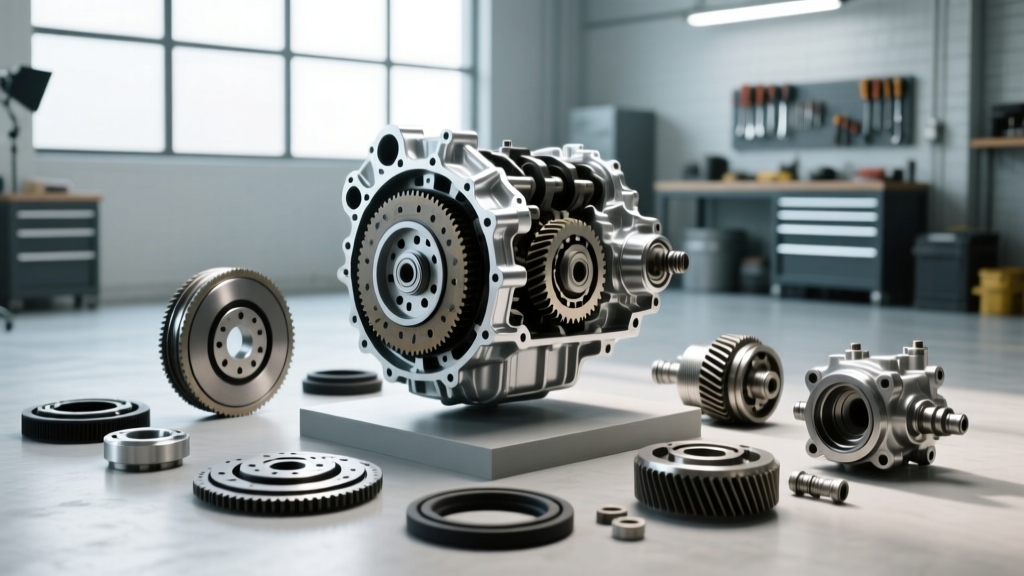
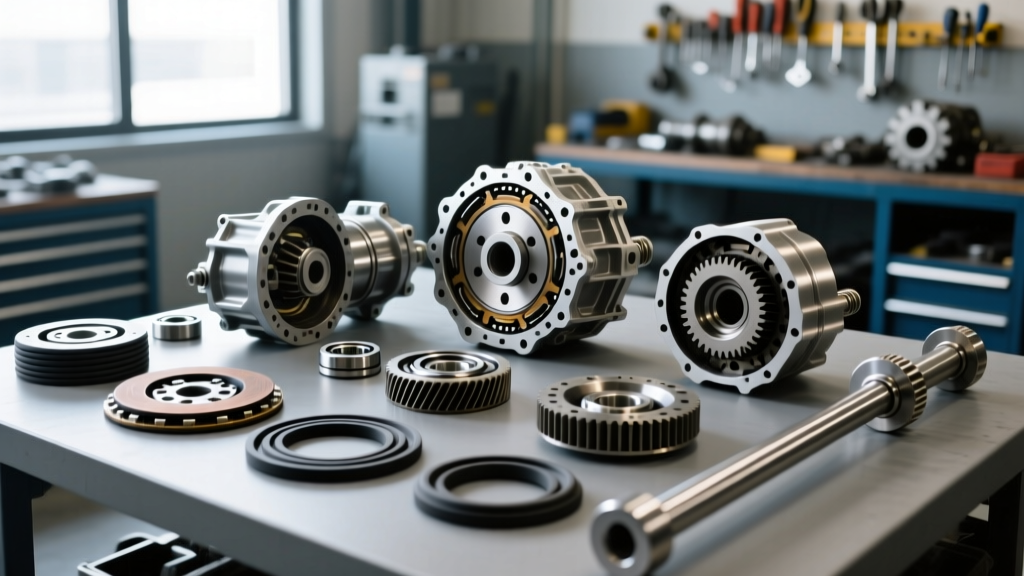
- Soft Parts (The Wear Items): Think of these like the brake pads of your transmission. They are designed to create friction and will eventually wear out. This category includes clutch plates, friction bands, rubber seals, O-rings, gaskets, and bushings. A master rebuild kit consists almost entirely of soft parts.
- Hard Parts (The Bones): These are the heavy metal components that transfer power. This includes planetary gearsets, clutch drums, shafts, valve bodies, and the torque converter. Hard parts only fail if soft parts are ignored for too long, causing catastrophic metal-on-metal destruction.
Model-Specific Breakdown: Rebuilding the Legendary GM 4L60E
The GM 4L60E is the 'small-block Chevy' of automatic transmissions. Found in millions of Silverados, Camaros, and Tahoes from the 1990s through the 2010s, it is a masterclass in traditional hydraulic and electronic transmission design. But what does it mean to rebuild a transmission like the 4L60E in a modern shop?
Common Failure Points
The most notorious failure on the 4L60E is the stripping of the reaction sun shell, which results in an immediate loss of Reverse, 2nd, and 4th gears. Another chronic issue is the burnout of the 3-4 clutch pack, caused by inadequate fluid apply pressure and poor heat dissipation.
The Rebuild Process & Upgrades
A modern 4L60E rebuild doesn't just replace worn parts; it corrects factory engineering flaws. For example, builders will discard the fragile OEM stamped sun shell and install a heavy-duty aftermarket unit, such as the Sonnax Smart-Tech sun shell (Part # 77729A-01K).
Pro-Tip: Precision Torque Specs Matter
During reassembly, the valve body to case bolts on a 4L60E must be torqued to exactly 97 lb-in (8 lb-ft). Over-torquing these bolts will warp the aluminum valve body, causing cross-leaks and harsh shifts. Furthermore, total end-play must be measured with a dial indicator and kept between 0.010' and 0.025' using selective thickness thrust washers.
Fluid Capacity: A dry 4L60E takes roughly 11.2 quarts of Dexron VI, but a standard pan-drop and filter change only requires about 5 quarts.
Modern Complexity: Rebuilding the GM 6L80
As we moved into the late 2000s and 2010s, GM introduced the 6L80 six-speed automatic. Rebuilding this unit answers the question 'what does it mean to rebuild a transmission?' with a new layer of complexity: mechatronics.
The TEHCM Challenge
The 6L80 features a Transmission Electro-Hydraulic Control Module (TEHCM) mounted directly inside the transmission pan. This unit houses the Transmission Control Module (TCM) and the solenoid body. A common failure isn't mechanical, but electrical: the pressure switches inside the TEHCM degrade, causing erratic shifting and 'limp mode.' While you can rebuild the mechanical clutches perfectly, a 6L80 rebuild often requires programming a replacement TEHCM using GM's GDS2 diagnostic software.
Clutch Clearance & Machining
The 3-5-R clutch wave plate in the 6L80 is known to fatigue and snap, sending metal shrapnel through the valve body. During a rebuild, technicians must meticulously measure clutch pack clearances using feeler gauges. The 3-5-R clutch clearance spec is typically 0.040' to 0.070'. If the clearance is too tight, the transmission will drag and overheat; too loose, and you will experience flared shifts. Upgrading to a TransGo SK-6L80-E-TIR valve body kit is highly recommended to improve shift quality and longevity.
Cost & Value Comparison: 2026 Market Pricing
Understanding the financial aspect is crucial when deciding if a rebuild is right for your vehicle. Below is a breakdown of estimated 2026 market costs for rebuilding specific popular transmissions versus buying remanufactured or used alternatives.
| Transmission Model | Common Vehicles | Professional Rebuild Cost | Remanufactured Cost | Junkyard Used Cost |
|---|---|---|---|---|
| GM 4L60E | Silverado 1500, Tahoe, Camaro | $1,800 - $2,500 | $2,200 - $2,800 | $450 - $800 |
| GM 6L80 | Silverado 1500, Corvette, Escalade | $2,800 - $3,800 | $3,500 - $4,500 | $900 - $1,500 |
| Ford 6R80 | F-150, Mustang, Expedition | $2,600 - $3,400 | $3,200 - $4,000 | $800 - $1,400 |
Note: Pricing varies based on regional labor rates, the extent of hard part damage, and whether upgraded performance components are requested.
Why Rebuild Instead of Replacing?
According to industry insights published in Transmission Digest, a custom rebuild often outlasts a mass-produced remanufactured unit. Remanufactured units are built on assembly lines using standardized soft parts. A dedicated local rebuilder, however, can custom-fit clutch packs, install heavy-duty sun shells, and upgrade specific valve body circuits that the OEM got wrong. When you rebuild, you aren't just resetting the clock; you are often upgrading the transmission's weak points.
The Verdict: Is a Rebuild Right for You?
So, what does it mean to rebuild a transmission? It means investing in the mechanical heart of your vehicle through precision engineering. If you drive a work truck with a 4L60E or a daily-driver F-150 with a 6R80, a professional rebuild offers the best balance of cost, reliability, and customization. Always ensure your chosen shop uses a dyno-testing machine to verify line pressures and shift points before the unit is ever bolted back into your vehicle. By understanding the specific quirks of your transmission model, you can make an informed decision that keeps you on the road for years to come.