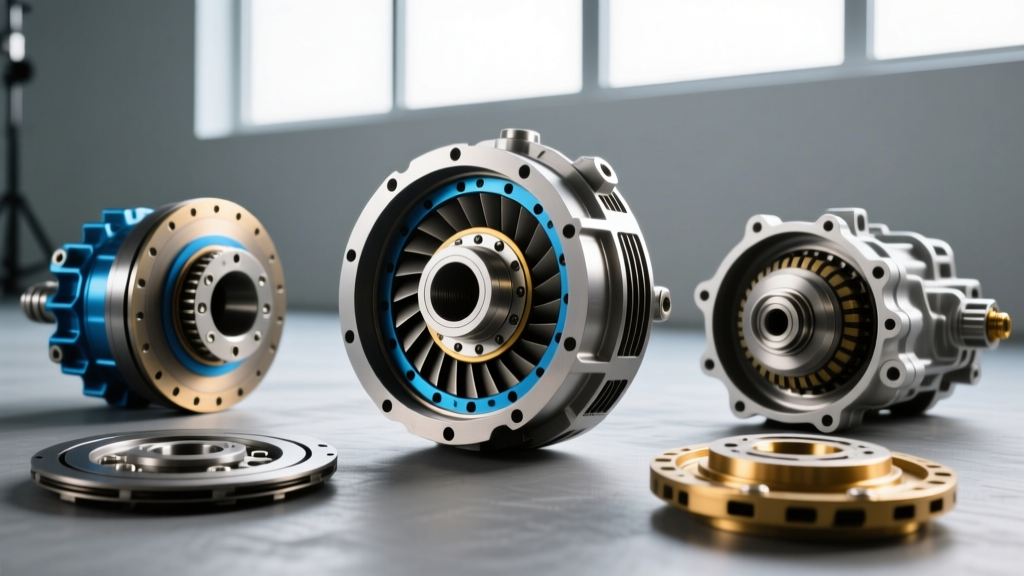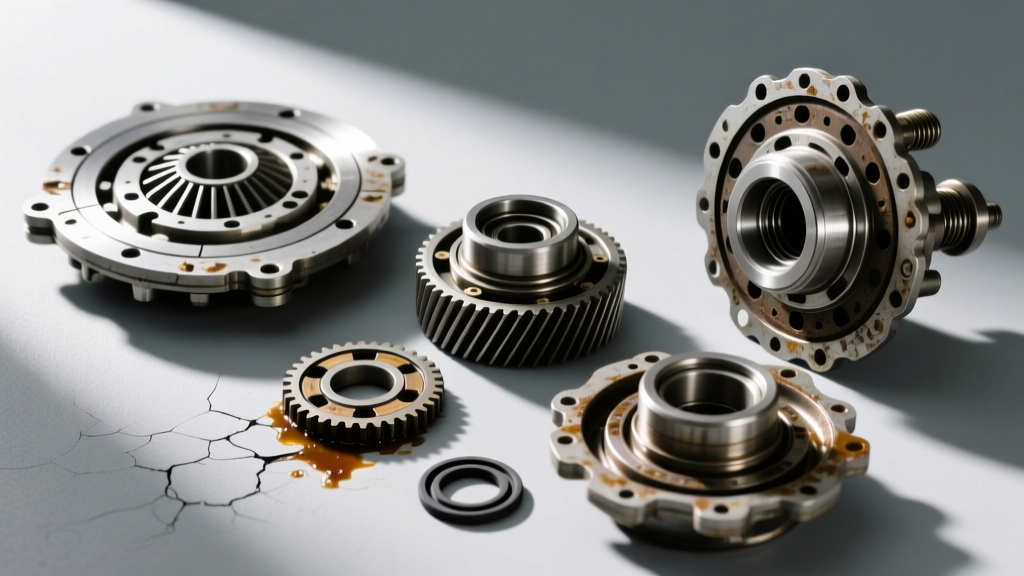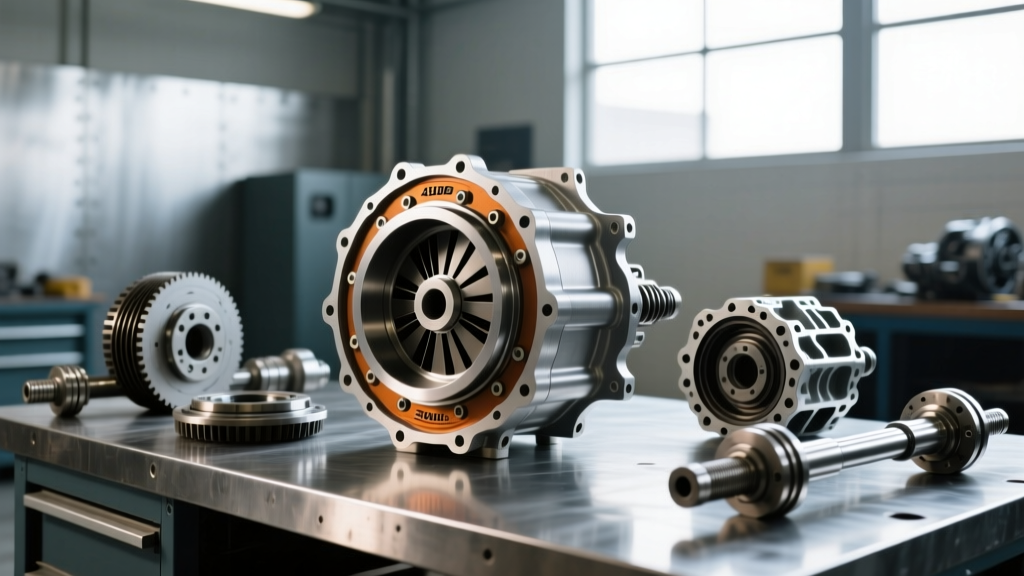
The True Cost of a 4L60E Torque Converter 3000 Stall Upgrade
When building a high-horsepower LS-swapped vehicle, upgrading a classic GM F-Body, or pushing a Silverado beyond its factory towing limits, the stock torque converter is the first major bottleneck. Upgrading to a 4L60E torque converter 3000 stall is the gold standard for heavily cammed setups and forced-induction builds. However, budgeting for this upgrade requires more than just looking at the sticker price of the converter itself. In 2026, with supply chain shifts and rising specialty labor rates, the total cost of swapping a torque converter can vary wildly based on your supporting modifications and installation method.
This comprehensive model-specific repair and cost guide breaks down the exact expenses, part numbers, labor times, and hidden costs associated with installing a 3000 RPM stall torque converter behind GM’s legendary 4L60E transmission.
2026 Cost Breakdown: Parts, Labor, and Fluids
The table below outlines the expected financial outlay for a complete 4L60E 3000-stall torque converter replacement. Prices reflect early 2026 market averages for high-quality aftermarket billet converters and specialty shop labor rates.
| Item / Service | Estimated Cost (USD) | Notes & Specifications |
|---|---|---|
| 3000 Stall Torque Converter (Billet) | $450 - $850 | Varies by brand (TCI, Circle D, Yank). Must include TCC lockup. |
| Transmission R&R Labor | $900 - $1,600 | Based on 6-8 hours at $150-$200/hr specialty trans shop rates. |
| Dexron VI Synthetic ATF (12 Qts) | $90 - $130 | 4L60E system holds ~11.5 to 12.5 quarts with a new converter. |
| Auxiliary Transmission Cooler | $80 - $180 | Mandatory for 3000+ stall to prevent fluid degradation. |
| Flexplate & Rear Main Seal | $60 - $150 | Highly recommended to replace while the engine is exposed. |
| HP Tuners / TCC Lockup Tuning | $150 - $300 | Custom tuning required to adjust TCC apply/release speeds. |
| Total Estimated Project Cost | $1,730 - $3,210 | Assumes no internal 4L60E transmission rebuild is required. |
Why Choose a 3000 RPM Stall Speed?
The factory 4L60E torque converter typically stalls between 1600 and 1900 RPM. While this is excellent for fuel economy and low-RPM cruising, it completely chokes out aftermarket camshafts. If you are running an LS camshaft with a duration of 224/224 or larger (such as the popular Texas Speed or Cam Motion grinds), your engine does not enter its powerband until roughly 2800-3200 RPM.
A 3000 RPM stall converter allows the engine to flash up into the meat of the torque curve immediately off the line. By altering the stator blade angle and tightening the impeller-to-turbine clearances, aftermarket manufacturers multiply torque more aggressively. According to drivetrain engineers at TCI Automotive, a properly matched 3000 stall converter can yield a 15% to 20% improvement in 60-foot times at the drag strip compared to a stock unit, while still retaining street manners and highway lockup capabilities.
Top 4L60E 3000 Stall Options & Pricing
Not all converters are created equal. When shopping for a 4L60E torque converter 3000 stall, you must ensure the unit features a billet steel cover, a heavy-duty sprag, and a carbon-fiber or Kevlar-lined Torque Converter Clutch (TCC) to handle the increased heat and slip. Here are three industry-leading options available through retailers like Summit Racing Equipment:
- Circle D Specialties 298mm Series (Part # 298-3000): Priced around $650. Circle D is widely considered the benchmark for GM 4L60E and 4L80E converters. Their 298mm unit features a billet cover and is furnace-brazed, making it virtually indestructible for street/strip applications up to 600 hp.
- TCI Super Street Fighter (Part # 245001): Priced around $725. This unit utilizes a triple-disc TCC setup, providing immense holding power during highway lockup, drastically reducing the shudder symptoms common with single-disc high-stall converters.
- Yank Powertrain SS3000: Priced around $550. An excellent budget-friendly billet option for naturally aspirated LS1/LS2 builds pushing 350-450 hp. Yank converters are custom-balanced to your specific flexplate and engine combination.
Labor Costs: Shop Rates vs. DIY Installation
Replacing a torque converter requires dropping the entire transmission. For a 2WD GM truck or a fourth-generation F-Body (Camaro/Firebird), a professional transmission shop will typically bill between 6.0 and 8.0 hours of labor. At the 2026 national average specialty shop rate of $165/hour, expect to pay between $990 and $1,320 strictly for Remove and Replace (R&R) labor.
DIY Cost Savings: If you have access to a vehicle lift, a transmission jack, and a basic metric/SAE socket set, you can eliminate the labor cost entirely. The job takes a competent weekend wrench roughly 8 to 12 hours. However, you must factor in the cost of renting or buying a transmission jack ($150-$250) and the risk of damaging the fragile 4L60E oil pump during reinstallation if the converter is not fully seated.
Hidden Costs: Mandatory Supporting Modifications
Many enthusiasts buy a 4L60E torque converter 3000 stall and install it with the factory cooling system, only to experience catastrophic transmission failure within 5,000 miles. A higher stall speed inherently generates more parasitic heat inside the converter housing due to increased fluid shear.
Expert Warning: Running a 3000+ stall converter without an auxiliary transmission cooler will push fluid temperatures past 240°F during stop-and-go traffic. At this temperature, Dexron VI ATF loses its shear stability, leading to rapid TCC clutch burnout and 3-4 clutch pack failure inside the 4L60E.
You must budget for a high-capacity auxiliary cooler, such as the Tru-Cool 40k or Hayden 678, and plumb it in series with the factory radiator cooler. Additionally, upgrading to a deep-cast aluminum transmission pan with cooling fins and a magnetic drain plug will add roughly $120 to your parts list but vastly extends the life of the 4L60E.
Crucial Installation Torque Specs & Clearances
Improper installation is the leading cause of premature torque converter failure. When mating your new 3000 stall unit to the 4L60E and LS-based flexplate, adhere strictly to these specifications:
1. Converter Seating and Clearance
Before bolting the transmission to the engine block, you must verify the converter-to-flexplate clearance. Slide the torque converter fully onto the transmission input shaft, ensuring it passes through three distinct 'clicks' (the input shaft, the stator support, and the transmission oil pump gear). Once the trans is mated to the block, measure the gap between the converter mounting pad and the flexplate. The ideal clearance is 1/8-inch to 3/16-inch (0.125" - 0.187"). If there is zero clearance, the converter will bottom out and crush the oil pump. If the gap exceeds 5/16-inch, you risk snapping the converter mounting bolts.
2. Fastener Torque Specifications
- Transmission-to-Engine Bellhousing Bolts: 35 - 50 lb-ft (depending on whether your block uses M10 or M12 fasteners).
- Flexplate-to-Crankshaft Bolts: 60 - 80 lb-ft (Always apply red Loctite 271 to these threads).
- Torque Converter-to-Flexplate Bolts: 35 - 45 lb-ft. Crucial: You must use Grade 8 (or Metric 10.9) fine-thread bolts with flat washers. Never use standard hardware store bolts, as they will stretch and shear under the torsional load of a 3000 RPM flash.
TC Symptoms: Diagnosing a Failing or Mismatched 3000 Stall
Because this guide is part of our torque converter symptoms and diagnostics database, it is vital to understand what happens when a 3000 stall converter is either failing, incorrectly spec'd for your camshaft, or improperly tuned. Watch for these specific symptoms post-installation:
Highway Shudder and TCC Slip
If you experience a rhythmic vibration or 'shudder' between 45 and 65 MPH, your Torque Converter Clutch (TCC) is failing to maintain full lockup. In a 3000 stall setup, the TCC lining is under immense stress. If the converter was not balanced correctly by the manufacturer (a known issue with cheap offshore units), the harmonic vibration will destroy the TCC friction material. This requires pulling the transmission and replacing the converter.
Overheating and Burnt Fluid Smell
If your transmission fluid turns dark brown and smells like burnt toast within a few hundred miles, your stall speed is likely too high for your vehicle's weight and gear ratio, causing constant 'slippage' on the highway. A true 3000 stall in a heavy truck with 3.08 rear gears will never stop slipping at cruising speeds. You must use an OBD2 scanner to monitor TCC slip RPM; it should read near 0 RPM when locked in 4th gear.
Delayed or Soft Engagement into Drive
If the vehicle sits for 3-5 seconds after shifting from Park to Drive before 'grabbing,' the converter may be draining back into the transmission pan due to a faulty internal check valve or worn pump gears. This is a common symptom of reusing an old, high-mileage 4L60E oil pump with a new, high-pressure billet torque converter.
Final Thoughts on Tuning and Reliability
Upgrading to a 4L60E torque converter 3000 stall is a transformative modification that unlocks the true potential of your aftermarket camshaft and engine build. However, as the 2026 pricing data shows, it is a system-wide upgrade. By budgeting for the auxiliary cooling, precision tuning the TCC lockup parameters via HP Tuners to disable lockup below 45 MPH, and strictly following the installation clearances, your 4L60E will reliably handle the abuse of the street and strip for years to come. For further technical specifications on billet stator designs and custom stall speeds, consult directly with manufacturers like Circle D Specialties to ensure your converter is perfectly matched to your exact dyno sheet.