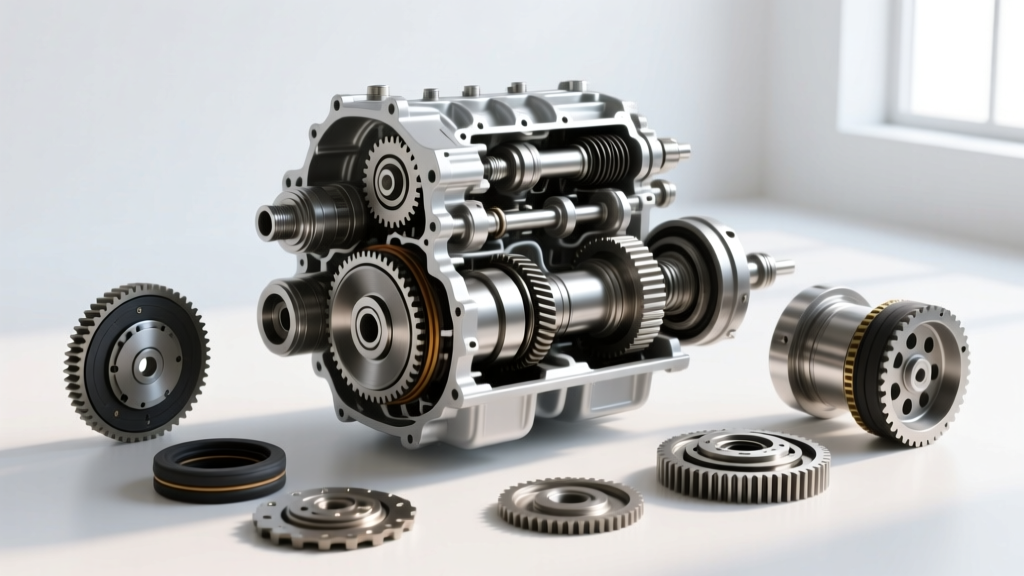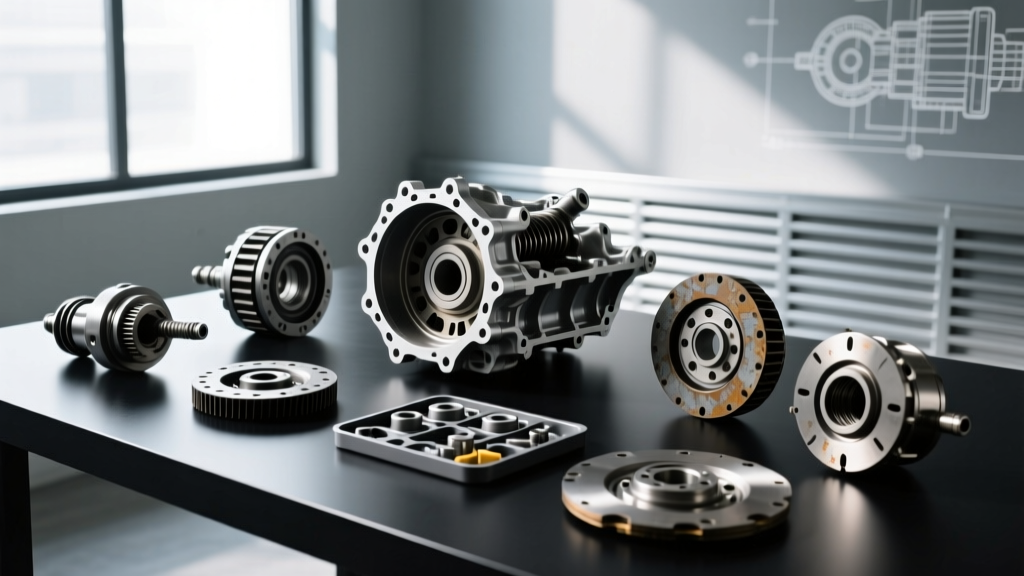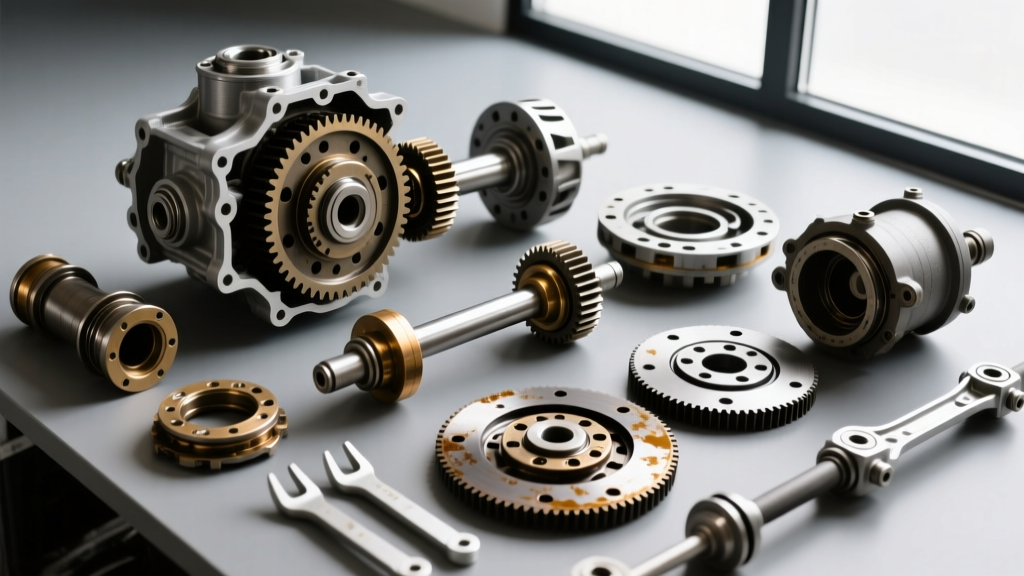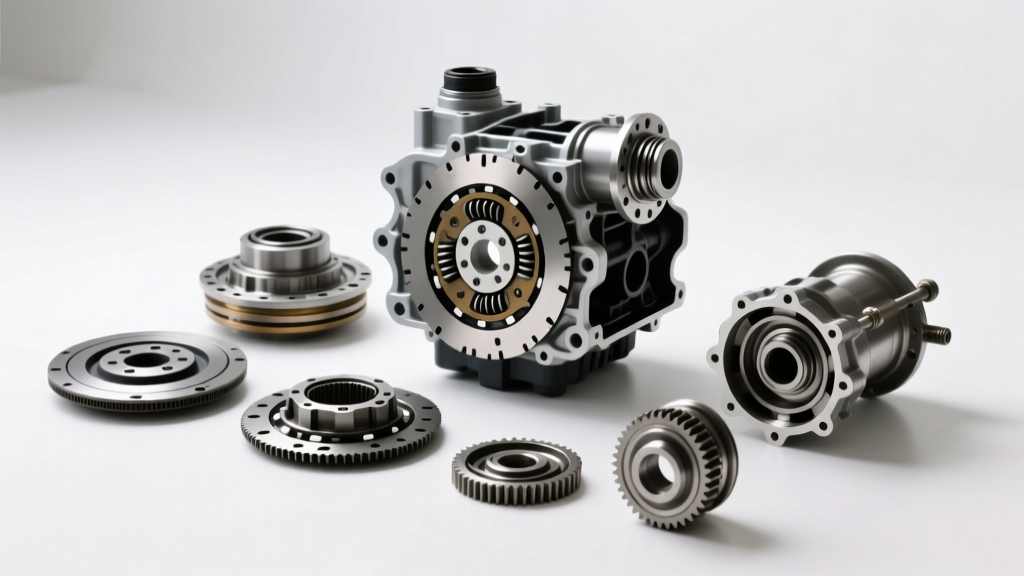
The 4L60E Dilemma: Spot Repair vs. Complete Stage 3 Rebuild
The GM 4L60E is arguably the most ubiquitous rear-wheel-drive automatic transmission in North American history. Found in everything from the Chevrolet Silverado and Tahoe to the Camaro and Corvette, its mechanical DNA is well-documented. However, as these units age and mileage climbs past the 150,000-mile mark, owners and technicians face a critical crossroads: perform a targeted spot repair to fix an immediate failure, or invest in a comprehensive 4L60E transmission rebuild kit Stage 3 to bulletproof the unit for the future.
In 2026, with the rising cost of remanufactured crate transmissions and the increasing scarcity of low-mileage junkyard pulls, rebuilding remains the most economically sound choice for long-term ownership. But does a simple clutch pack replacement suffice, or is a full Stage 3 overhaul necessary? This guide breaks down the metallurgy, cost matrices, and technical specifications required to make the right decision for your drivetrain.
Anatomy of a 4L60E Failure: When Spot Repairs Make Sense
A 'spot repair' typically involves dropping the transmission pan or pulling the unit to replace a single failed component without fully disassembling the geartrain. The most common candidates for spot repairs on the 4L60E include:
- Broken Sun Shell: The OEM powdered-metal sun shell is notorious for stripping its splines, resulting in a loss of 2nd, 3rd, and 4th gears. If caught immediately before secondary damage occurs, replacing the shell and cleaning the pan can sometimes save the unit.
- Failed 1-2 or 3-4 Accumulator Springs: Soft shifts or flares can sometimes be cured by dropping the pan and installing stiffer accumulator springs or replacing a cracked piston.
- Shift Solenoid Failures: Electrical faults triggering P0751 or P0756 codes can often be resolved by replacing the A or B shift solenoids located on the valve body.
However, spot repairs carry a massive hidden risk: cross-contamination. If a friction element (like the 3-4 clutch pack) has burned, the transmission fluid is saturated with metallic debris and friction material. This debris circulates through the torque converter and the transmission cooler lines, guaranteeing premature failure even after the immediate part is replaced.
Defining the 4L60E Transmission Rebuild Kit Stage 3
To understand the value of a full rebuild, we must define what separates a basic master kit from a 'Stage 3' performance and heavy-duty towing package. While nomenclature varies slightly among rebuilders, a true Stage 3 kit for the 4L60E moves beyond OEM replacement and addresses the platform's inherent design flaws.
Core Components of a Stage 3 Kit
| Component Category | OEM / Stage 1 Equivalent | Stage 3 Heavy-Duty Upgrade |
|---|---|---|
| Sun Shell | OEM Powdered Metal (Prone to stripping) | Sonnax 77733-01K Heavy-Duty Reaction Shaft |
| Friction Clutches | Standard Cellulose/Paper Frictions | Raybestos GPZ High-Energy Frictions |
| Valve Body / Shift Kit | Stock Separator Plate & Boost Valve | TransGo SK-4L60E-HD2 Shift Kit |
| Servo Apply | Standard 4th Gear Servo | Corvette 4th Servo (Larger apply area for firmer 3-4 shifts) |
| TCC Regulator | Stock PWM Valve (Wears bore) | Sonnax Lockup Control Valve Kit (Prevents TCC shudder) |
2026 Cost Breakdown: Targeted Repair vs. Stage 3 Rebuild
When budgeting your transmission project, it is vital to look beyond the initial parts invoice. A spot repair often looks cheaper on paper but carries a high probability of a 'comeback' (a return visit to the shop for a secondary failure). Below is a realistic 2026 cost comparison for a 4WD Silverado application.
| Cost Factor | Targeted Spot Repair (e.g., 3-4 Clutch Pack Only) | Full Stage 3 Rebuild (Bench Build) |
|---|---|---|
| Parts & Kits | $150 - $250 (Master gasket set + specific frictions) | $650 - $950 (Stage 3 Kit, HD Sun Shell, Shift Kit) |
| Torque Converter | Reused (High Risk) or Flushed ($50) | New/Reman High-Stall or HD Towing ($350 - $550) |
| Machine Shop Services | None | Valve body reaming, case boring, drum machining ($250) |
| Fluid & Filter | $60 (Partial pan drop, 5 qts Dexron VI) | $130 (Full system flush & fill, ~11.2 qts Dexron VI) |
| Estimated Labor (Shop) | $600 - $800 (R&R and partial teardown) | $1,200 - $1,600 (Full R&R, teardown, and bench build) |
| Total Estimated Cost | $860 - $1,160 | $2,580 - $3,480 |
| Expected Longevity | 10,000 - 40,000 miles | 150,000+ miles (often outlasting the vehicle) |
Technical Deep Dive: Clearances, Torque, and Assembly Specs
Executing a Stage 3 rebuild requires strict adherence to GM's hydraulic and mechanical tolerances. Simply throwing upgraded parts into a 4L60E without measuring clearances will result in delayed engagements or immediate burnout. Professional rebuilders focus heavily on the following critical specifications:
Clutch Pack Clearances
Using Raybestos GPZ frictions and Kolene steels, the 3-4 clutch pack clearance must be set precisely. The target specification is 0.040' to 0.070'. Because the 4L60E uses a snap-ring for retention, select-fit snap rings (ranging from 0.060' to 0.120' in thickness) are required to dial in this clearance. If the clearance is too tight, the 3-4 clutches will drag in neutral and 1st gear, generating massive heat and destroying the pack within 500 miles.
Crucial Torque Specifications
- Oil Pump to Case (M8x1.25 bolts): 10-12 lb-ft. Over-torquing these bolts will warp the pump slide and bind the rotors, resulting in a no-move condition upon initial startup.
- Bellhousing to Engine Block: 35 lb-ft. Ensure the alignment dowels are intact; missing dowels will cause the pump gear to shatter.
- Torque Converter to Flexplate: 35-40 lb-ft. Use medium-strength threadlocker. Ensure the TC is fully seated into the pump gear (you should feel three distinct 'clunks' or drops when seating the converter).
- Valve Body to Case: 8-10 lb-ft. These are small bolts into aluminum; overtightening will strip the case threads and cause cross-leaking between hydraulic circuits.
Expert Insight: Never reuse the OEM 4L60E torque converter during a Stage 3 rebuild. The internal TCC (Torque Converter Clutch) lining degrades over time, and the internal stator support splines wear. A Stage 3 kit's increased line pressure will quickly overwhelm a fatigued OEM converter, leading to TCC shudder and eventual lockup failure.
The Hidden Danger of the 4L60E Pump Slide
One area often ignored in budget repairs is the transmission oil pump. The 4L60E utilizes a variable-displacement vane pump. Over time, the aluminum pump slide and the pressure regulator valve bore wear down. If you install a high-performance Stage 3 shift kit that increases line pressure to 185+ PSI in 3rd and 4th gear, but fail to inspect or ream the pump bore, the increased pressure will blow past the worn valve. This causes aeration, foaming fluid, and catastrophic pressure drops under heavy throttle. A proper Stage 3 rebuild includes inspecting the pump slide for scoring and, if necessary, installing a Sonnax oversized pressure regulator valve kit.
Verdict: Which Path Should You Choose?
The decision between a targeted repair and a 4L60E transmission rebuild kit Stage 3 ultimately hinges on your vehicle's application, your budget, and your tolerance for risk.
Opt for the Targeted Repair If:
- The failure was purely electrical (e.g., a failed shift solenoid or wiring harness issue).
- The sun shell stripped, but the transmission was not driven while slipping, meaning the friction clutches and fluid are uncontaminated.
- The vehicle is a low-value daily driver, a winter beater, or being prepped for immediate sale.
Invest in the Stage 3 Rebuild If:
- The transmission fluid is black, smells burnt, or contains visible metallic glitter (indicating planetary or thrust bearing failure).
- The vehicle is used for towing, plowing, or track use, requiring the upgraded GPZ frictions and TransGo hydraulic tuning.
- You plan to keep the truck or car for another 5 to 10 years and want a 'install it and forget it' drivetrain solution.
While the upfront cost of a Stage 3 rebuild is significantly higher, the cost-per-mile over the next 150,000 miles makes it the undisputed champion of long-term value. By addressing the powdered-metal sun shell, upgrading the hydraulic circuitry, and utilizing modern high-energy friction materials, you effectively eliminate the 4L60E's historical weaknesses, transforming it into a remarkably resilient drivetrain component.